The public is being urged to only call 999 for “life-threatening emergencies” as ambulance strikes begin across the North West today.
Amid what can only be described as continuing unrest in many industries and sectors of the economy, and just less than a week after the largest nursing strike in NHS history began, tens of thousands of ambulance workers who are members of the GMB Union, Unite, and Unison are all taking part in industrial action and staging a mass walk-out today.
The start of the industrial action comes after North West ambulance workers were among the 15,000 to vote on what is being described as the “biggest strike in 30 years” back in October – with GMB Union saying its members were angry over the government’s imposed 4% pay award, which it said was “another massive real terms pay cut”.
The union said that when it comes to taking strike action, ambulance workers “don’t do this lightly” – but they are “desperate”.
ADVERTISEMENT
Today during the industrial strike action, ambulances will still be available to respond, although they will be prioritised for life-threatening injuries and illnesses. Use https://t.co/Q9820lkBIm, your GP or local pharmacy for help with non-urgent health concerns. pic.twitter.com/ujFvA2R4M5
The NWAS has issued a statement ahead of the industrial action to explain what the public can expect of its services on strike days, and is also urging people not to call 999 unless it’s in the case of “life-threatening emergencies”.
Ambulances will still be available to respond on strike days, the NWAS said, but they will be “prioritised” for life-threatening injuries and illnesses.
ADVERTISEMENT
Typical emergencies the NWAS says services would be prioritised for include cardiac arrest, loss of consciousness, fits that aren’t stopping, breathing difficulties, severe bleeding, allergic reactions, and serious head injuries.
If hospital treatment is required, the NWAS said patients should also consider taking alternative transport – such as a taxi, or getting a lift from family or friends.
Equally, they should use 111.nhs.uk their GP or local pharmacy for help with non-urgent health concerns.
ADVERTISEMENT
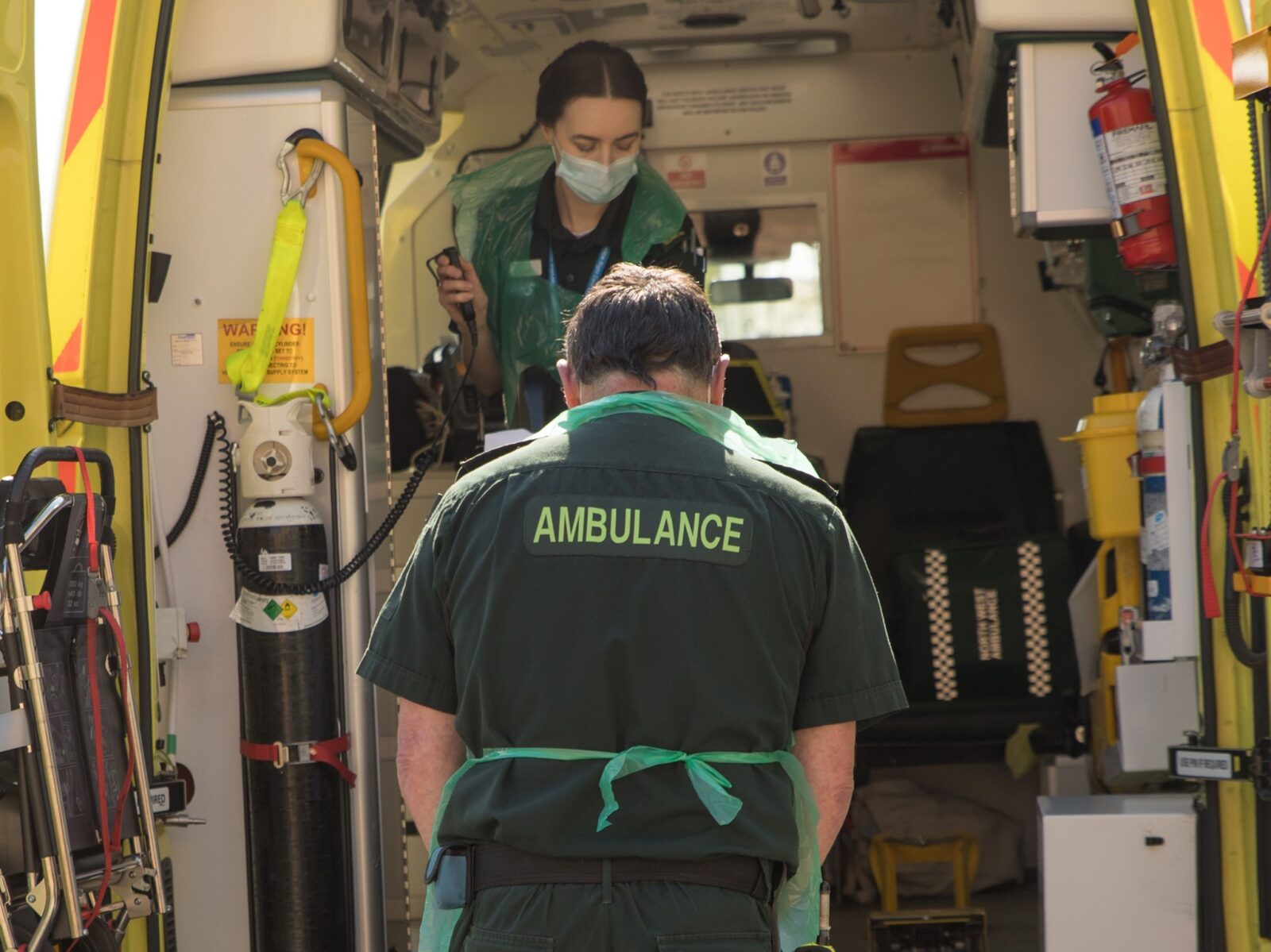
Public urged to only call 999 for ‘life-threatening emergencies’ as ambulance strikes begin / Credit: NWAS
“We have tried and tested plans to manage any disruption, however, it’s important to understand there will be an impact on the public,” explained Ged Blezard – Director of Operations at the NWAS.
“We want you to continue to ring 999 if you are in a life-threatening situation.
“However, we are advising patients, that they should consider other forms of transport if they still need to go to a hospital.
“We are maximising our own resources, using private providers and military support where appropriate and working closely with our Trade Unions to provide cover for the most serious emergencies, and we are also working with our healthcare partners to maintain patient safety during these periods of industrial action.”
Mr Blezzard also warned people against repeatedly calling on 999 to check for ambulance updates.
He continued: “If you have already called 999 to request an ambulance, please only call back if your condition has worsened or to cancel the ambulance, as repeatedly calling 999 can block phone lines for other emergencies.
“If you need urgent care, use the symptom checker at NHS 111 online, which will direct you to the most appropriate support.”
Featured Image – NWAS
News
Canal Street cordoned off after ‘suspicious chemicals’ reported at hotel
Daisy Jackson
Canal Street and several other streets in the Gay Village in Manchester have been cordoned off this afternoon.
Greater Manchester Police are attending reported of a smell that’s believed to be chemicals coming from a hotel room in the area.
There’s a huge emergency services presence in the area, including vehicles from Greater Manchester Fire and Rescue, and the North West Ambulance Service.
Police have confirmed that they have detained a man who is believed to have been the occupant of the hotel room.
The hotel itself has been evacuated while the material is examined.
Thankfully, no one has been injured in the incident that has shut down part of Canal Street today.
Emergency services vehicles at the scene on Canal StreetThe cordon in place on Canal Street
GMP said in a statement: “We are currently searching a hotel room at a premises on Canal Street, Manchester. This follows a report of a smell – currently believed to be chemicals – causing suspicion.
“A man, believed to be the occupant of the room, has been detained and is currently in custody.
“As a precautionary measure, the hotel has been evacuated while specialist resources examine the material and conduct further enquiries.
“No-one has been injured and we are working to establish the full circumstances. We thank people for their patience as we continue with our work.”
England football fans warned as ticket scams skyrocket ahead of World Cup
Emily Sergeant
England football fans are being warned to remain vigilant, as ticket scams skyrocket ahead of the 2026 World Cup.
With the 2026 FIFA World Cup merely weeks from officially kicking off in the North America and Mexico on 11 June, football fans are being urged to guard against scams, as newly-released data from Lloyds has revealed that football ticket scams increased by more than a third (36%) during the current Premier League season.
The findings – which are based on thousands of scam cases between October 2025 and March 2026 – showed that fraudsters focused heavily on popular teams such as Manchester United, Arsenal, Liverpool, and Chelsea.
Fraudsters also repeatedly targeted supporters looking for tickets to some of the most in-demand football matches in the UK, which is why, with the upcoming World Cup set to be one of the most speculated sporting events of the year, scam warnings are being issued.
It’s anticipated that fraudsters will target the big-name fixtures and attempt to exploit international demand, according to Lloyds.
England football fans are being warned as ticket scams skyrocket ahead of the World Cup / Credit: Picryl
On average, it was revealed that victims lost £215 during the current Premier League football season, but some fans even paid thousands of pounds for ‘season tickets’ or VIP seats that never existed.
Hopeful football fans are expected to pay much more for expensive World Cup tickets, meaning the potential loss for victims could be ‘devastating’.
As scammers know demand for World Cup tickets will be huge, it’s expected that they will mimic the methods seen in club level scams – including fake listings on social media, pressure to act fast, and requests for bank transfers.
“Fraudsters thrive on urgency and target fans looking for hard to get tickets for big name fixtures,” explained Liz Ziegler, who is the Fraud Prevention Director at Lloyds.
“Most of the football ticket scams we see start on social media, before the criminal moves the buyer onto WhatsApp and insists on a bank transfer to pay. It’s incredibly convincing, and we don’t want fans to lose their money trying to support their team.
“We’re urging supporters to stay alert and stick to official ticketing channels.”
Ahead of the World Cup, Lloyds and the Home Office have teamed up to take action to protect fans by highlighting how criminals will try to exploit the excitement – with Lord Hanson adding: “Our new fraud strategy sets out how we will use every tool at our disposal to disrupt and dismantle criminal operations, bring fraudsters to justice and strengthen support for victims.”