Salford City Council has laid out its commitments to build 417 affordable, eco-friendly and “good quality” homes in the city region.
It’s set to be the biggest public housing programme the city has seen since the 1960s.
Arriving in the wake of around 6,000 households waiting to be housed by the council, it’s been revealed that former school sites will be turned into community-led housing run by tenants, while the other schemes will belong to wholly council-owned company Dérive.
All the new homes – a mix of one to five-bedroom houses and apartments – will be low carbon and low energy units, which will be built with a “fabric first” approach.
It’s believed that the local authority will have to borrow up to £65 million to finance the “ambitious” project, but it hopes that the housing programme will end up enabling the saving of council cash in the future.
ADVERTISEMENT
What exactly is in store for Salford then?
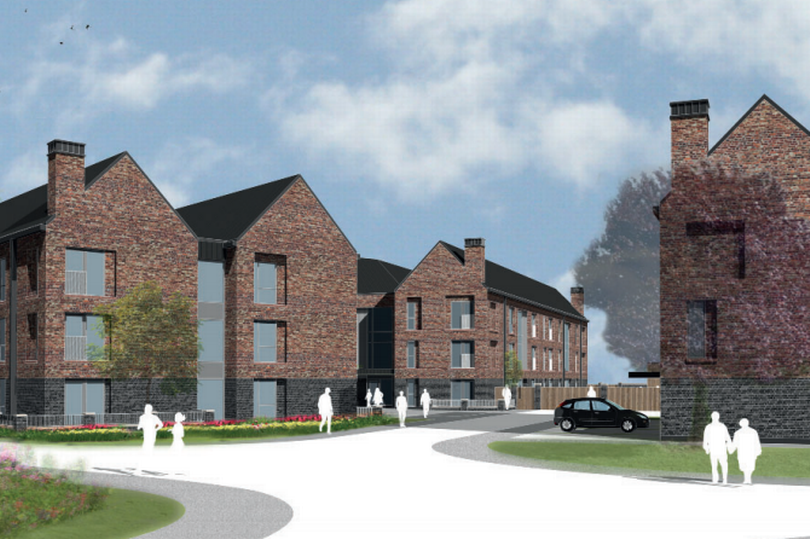
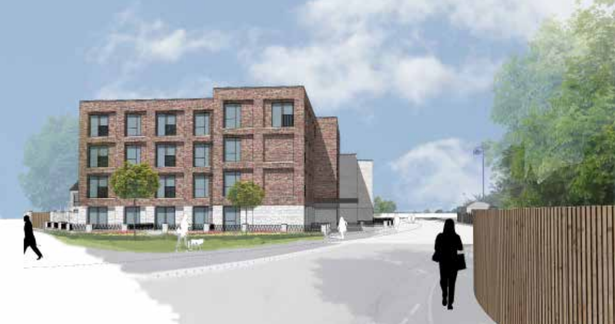
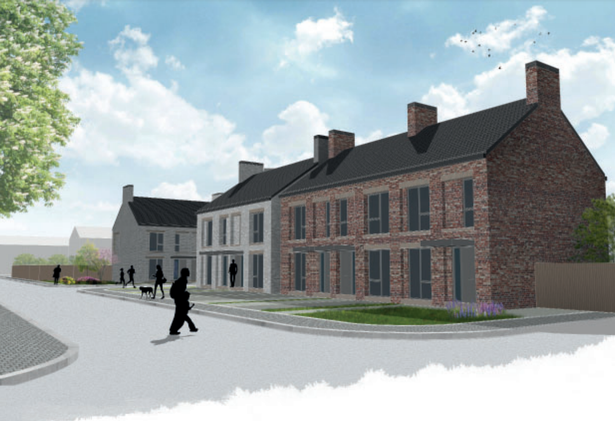
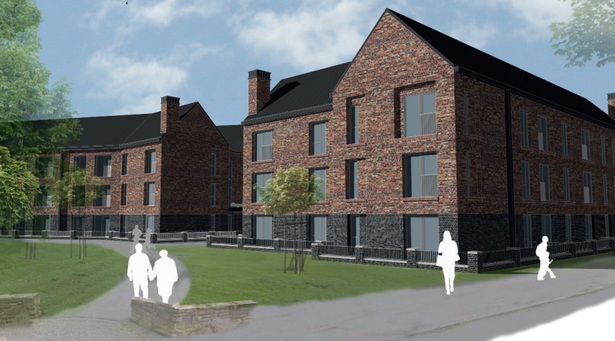
The new housing includes 47 flats and four houses on the Clifton Green in Pendlebury – for which planning permission has already been granted – 12 houses in Brassington Avenue and six houses and 35 apartments in Ryall Avenue in Ordsall, which were given the go ahead by the planning panel in October, a total of 111 homes built at the former St Luke’s Primary School in Weaste and the Irwell Valley Lower School in Irwell Riverside, of which 69 will be owned by the Broughton Trust and Inspiring Communities Housing.
ADVERTISEMENT
The council has entered into a Memorandum of Understanding agreement with the two community-led organisations, which means it will work in partnership to provide much-needed affordable homes.
Contractor G and J Seddon has been chosen to build all of these homes.
PRP / Salford City CouncilPRP / Salford City Council
Plans for 177 homes in Longshaw Drive, Little Hulton are also being prepared, but construction company Wates will not progress the proposal past the planning application stage as their costings were too high for the council, and the local authority also plans to acquire a further eight houses and 17 one-bedroom apartments being built by Salix Homes in Kara Street, Langworthy.
ADVERTISEMENT
Peter Openshaw – Assistant Director at Dérive – described the developer’s first set of schemes as the biggest public housebuilding programme by the city since the 1960s, but admitted the 417 homes will require the council to borrow between £60 – £65 million.
And future schemes would require further borrowing still.
Bill Hinds – former Leader of Salford City Council who is now the lead member for finance – said it’s the most “ambitious” council housing project in his 37 years as a councillor, adding: “Sixty-plus million pounds is a lot of money, so it is absolutely crucial how we do borrow that money – the most resilient forms of borrowing to enable us to do that.”
The scheme is relying on grant funding from the UK government’s affordable housing public body – Homes England.
PRP / Salford City Council
Paul Dennett – Mayor of Salford – said councils need to be more “interventionist” in order to tackle the current “housing and homelessness crisis” in this country.
ADVERTISEMENT
He said: “What we need to get back to is what happened in post-World War Two in many respects. Councils were building council housing en masse and homelessness in this country was rendered statistically insignificant.
“The moral and ethical argument is strong, but I also think the empirical argument is really strong for actually being more interventionist in a market that clearly isn’t delivering the homes that we need.”
Approving the scheme yesterday, he added: “This is a fantastic initiative and development which will hopefully put pressure on the market, but also encourage local authorities up and down the country to play a much more active role in the housing market moving forward as we drive up standards, as we deliver net-zero carbon homes, as we tackle the housing and homelessness crisis moving forward.”
___
You can find more information via the Salford City Council website here.
News
GMP officer sentenced after hitting pedestrian during police chase in Rochdale
Emily Sergeant
A police officer has been sentenced this week after he struck and ‘seriously injured’ a pedestrian following a pursuit of a suspected drink driver in Rochdale.
35-year-old Greater Manchester Police (GMP) officer PC Sam Lockley pleaded guilty back in January 2026 following an Independent Office for Police Conduct (IOPC) investigation.
The IOPC investigation established that, in the early hours of the morning on 19 November 2023, PC Lockley was driving a marked police vehicle with the lights and sirens activated, and attempted to stop a suspected drunk driver on Drake Street in Rochdale.
A short pursuit that commenced but stopped merely a minute later after the police vehicle collided with a pedestrian on the footpath of Rochdale Road at approximately 3:30am.
The evidence gathered indicated that PC Lockley failed to slow down as he approached and drove through the red traffic lights at the Kingsway junction, and was travelling at a speed of 96mph in a 30mph zone.
The pedestrian suffered ‘serious injuries’ as a result of the collision, and received extensive medical treatment following.
At a hearing back in February of this year, PC Lockley received a two-year suspended sentence and was ordered to carry out 15 days community service, while also receiving two-year driving disqualification.
Also following the investigation, the IOPC decided that Lockley should face a gross misconduct hearing to face allegations that his manner of driving breached the police standards of professional behaviour.
“We continue to liaise with the force about disciplinary proceedings,” the IOPC concluded.
IOPC Director Amanda Rowe added: “My sympathies remain with the man, who sustained serious injuries, and all those affected by the incident.
“This was a complex investigation which relied on extensive amounts of data and expert analysis and the evidence showed PC Lockley drove at excessive speeds at night-time and although he was responding to a report of a suspected drink driver, it does not excuse his manner of driving.
“PC Lockley admitted he drove in a dangerous manner when he didn’t address hazards or warnings during the pursuit and ultimately by the time he saw the pedestrian, he was travelling too fast to avoid a collision.
“His actions that day have had long-lasting consequences and he has now been held accountable.”
Featured Image – Rawpixel
News
Manchester Town Hall is FINALLY taking wedding and events bookings for the first time since 2018
Emily Sergeant
A new era is on the horizon, as Manchester Town Hall has announced that it’ll be finally taking bookings for weddings and events once again.
That’s right… for the first time since it closed its doors to the public for what is the UK’s biggest restoration project to date back in 2018, one of Manchester’s most iconic landmarks is soon set to welcome its first weddings and events in a decade – with bookings for the city’s most romantic address now open once again.
Manchester Town Hall has stood at the centre of civic life in the city since 1877, and for generations, couples have exchanged their vows within its walls.
Now, as it enters the home stretch of its restoration, the Grade I-listed building is gearing up to kickstart weddings and corporate events from January 2028.
Set reopen to the public next year, first up will be a series of celebratory reopening events – which are yet to be announced – before a phased approach will then allow the building and teams to be fully prepared to host commercial events again from 2028.
Manchester Town Hall has announced that it’s finally taking wedding and events bookings for the first time since 2018 / Credit: Supplied
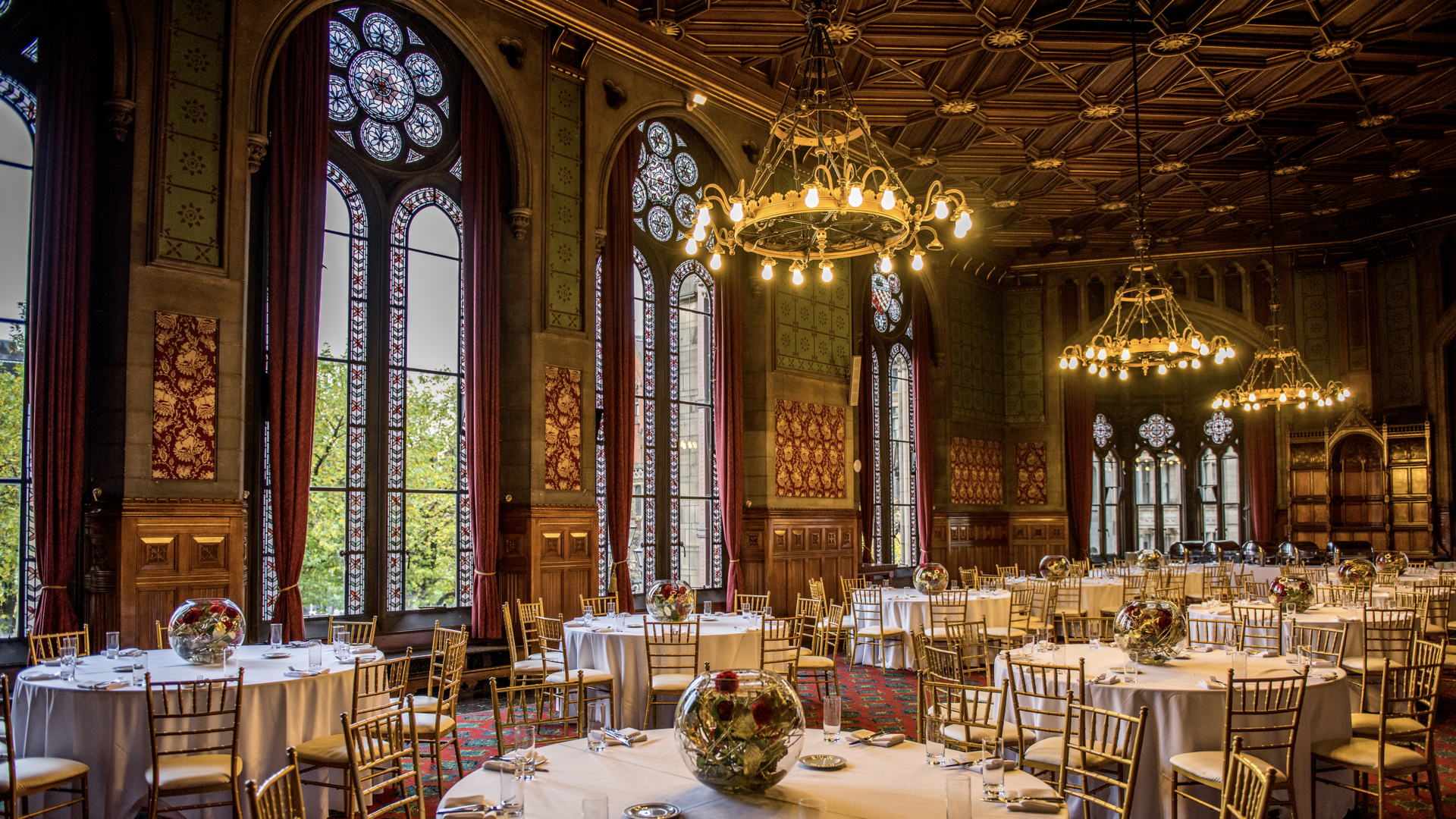
From its grand architecture and soaring stained glass windows, to sweeping staircases that offer the perfect ‘just married’ photo opportunities, this one-of-a-kind venue gives couples the opportunity to combine the romance and grandeur of a historic setting with the energy of a city centre celebration.
Inside the restored building, you’ll find The Great Hall, which is a magnificent setting with striking architectural character, as well as The Conference Hall, The Banqueting Hall, and The Reception Room, all of which offer equally characterful spaces that are perfect for private dinners, ceremonies, or corporate events.
The Lord Mayor’s Parlour is one of many settings overlooking the newly reopened Albert Square, while various elegant reception areas provide the perfect location for drinks and arrival moments.
“Our Town Hall is a real Victorian masterpiece and we’re looking forward to sharing it with the public once again,” explained Cllr Garry Bridges, who is Leader of Manchester City Council, as bookings finally open up this week.
“It’s a special building which belongs to the people and it’s great that they will be able to celebrate important landmarks in their lives, such as marriage, in its spectacular setting.
“The Town Hall is full of history. Here’s to many more stories being written within its walls.”
Want to be one of the first people who gets married or hosts an event at Manchester Town Hall once it reopens in 2028? You can enquire about booking here.

 The Manc -
15th December 2020
The Manc -
15th December 2020