Public transport around Manchester is set to be disrupted on New Year’s Eve, with several tram and train routes not running.
Metrolink is closing three of its lines from 5pm today due to Covid-related staff shortages.
Meanwhile, strike action at CrossCountry is set to severely disrupt its service today.
It could lead to a night of chaos on what is historically one of the busiest nights of the year.
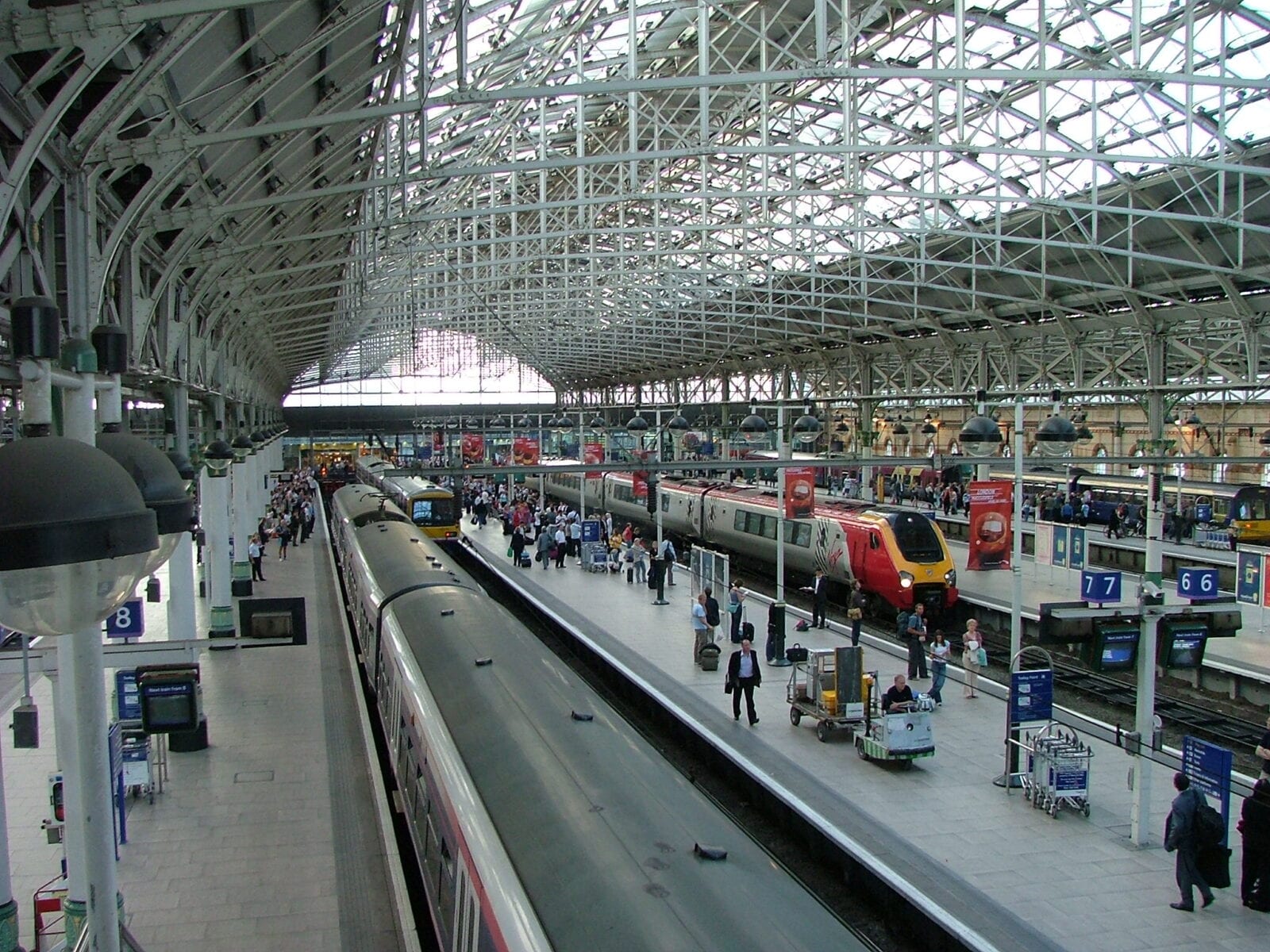
Manchester Piccadilly. Credit: Wikimedia Commons
The majority of Metrolink tram services will run until 1am today to help people get home from New Year’s Eve celebrations.
ADVERTISEMENT
But the Eccles, Ashton and Manchester Airport lines will cease altogether after 5pm.
Metrolink has said it’s ‘due to the impact of Covid-19 on drive staffing levels’.
ADVERTISEMENT
Alex Cropper, interim head of operations at Transport for Greater Manchester, said: “I would like to reassure passengers that we are doing all that we can to maintain as many scheduled Metrolink services as possible – while at the same time dealing with the impact of Covid-19 on tram drivers and staff.
“We do absolutely recognise the impact these changes may have on some people’s journeys and I would like to apologise for any inconvenience they may cause.
Metrolink trams at Manchester Victoria. Credit: Wikimedia Commons
“I would urge people to plan their journeys in advance before they head out for the evening, allow extra time to travel and check the TfGM website for the latest information.”
ADVERTISEMENT
Trams also won’t be running through Victoria between January 1 and 3, with services on the Bury, Rochdale, East Didsbury and Airport lines all terminating early and being replaced by rail replacement buses.
CrossCountry services from Manchester will be disrupted by planned strike action, running a ‘very limited’ service.
The RMT (The National Union of Rail, Maritime and Transport Workers) has instructed its members not to work on New Year’s Eve, following similar strike action on Christmas Eve.
The industrial action has been planned over what RMT says is an attempt to ‘undermine the role of the Senior Conductors and Train Managers by drafting in other staff to do their jobs’.
CrossCountry trains will be disrupted on New Year’s Eve. Credit: Wikimedia Commons
General Secretary Mick Lynch said: “The disruption to services from the New Years Eve strike action is wholly down to these greedy private companies on our railways seeking to squeeze out every penny they can by hammering down on safety, jobs and workplace dignity.
ADVERTISEMENT
“Our members at CrossCountry and Gate Gourmet are standing up for all rail workers in their New Years Eve action as we expect a torrent of attacks on jobs, pay, safety, pensions and working conditions in 2022.
Other trainlines are also warning of last-minute cancellations, delays and changes to services due to Covid-related staff shortages.
Featured image: Unsplash
News
Popular pumpkin patch attraction describes ‘catastrophic’ impact of Storm Boelo
Daisy Jackson
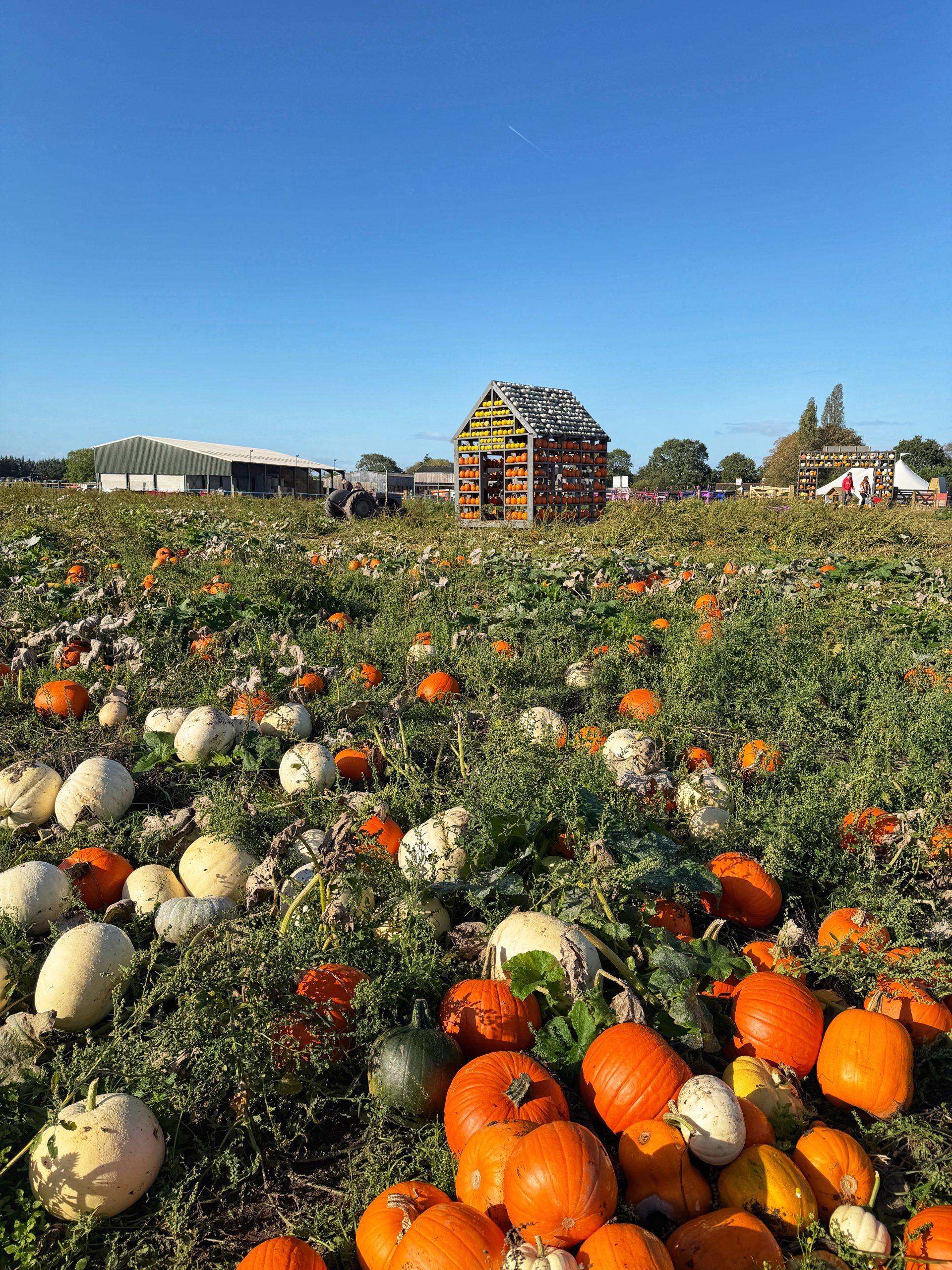
Bates Farm, one of the most popular pumpkin patch attractions in the North West, has shared its heartbreak after Storm Boelo forced its closure on the busiest day of the season.
The Warrington-based family farm said the financial impact has been ‘honestly catastrophic’, after they had to cancel all tickets for Sunday.
Sisters Ali and Fiona Wilshaw, who run the farm, said it was simply not safe to allow members of the public onto the farm in the storm, with ‘crazy’ gusts of wind.
They later shared a video that showed their marquee was badly damaged and many footpaths turned to deep mud.
The sisters said they were ‘heartbroken’ to have to close at such a busy time, but stressed to followers that ‘your safety and our integrity will always come first’.
On Saturday, as Storm Austen and Storm Boelo chased each other across the UK, several people shared videos of themselves getting battered by the weather at Bates Farm.
And it’s pretty clear from that why Ali and Fi decided to cancel all tickets and close for the day on Sunday.
They wrote: “We have put in so much love, energy and investment putting on this event at this scale. The cost to cancel and refund everyone today on our busiest day of the season is honestly catastrophic, but business aside, your safety and our integrity will always come first.
“To think last night we were running round Tesco trying to stock up on milk and now we are in the depths of recovering the site to go again tomorrow. All emails and enquiries are being responded to as quickly as possible and we are doing our best to open up more available slots next week.
“We are being tested like never before, but pulling together in true force. Huge shout out to the whole team and Farmer Fi the absolute queen in any crisis.
“Thank you all for your patience and especially thank you to those who have sent such kind words and support, we are so grateful to have customers like you.
“We will be back tomorrow to enjoy the remaining of this tough season, we are putting in so many provisions with wood chip paths, undercover seating and an indoor barn to make your visit as enjoyable as possible. Ali & Fi.”
Anyone who had tickets to visit Bates Farm on Sunday will be refunded, and can book in for another date.
Bates Farm has safely reopened its autumnal experience and pumpkin patch today.
‘Violent’ Salford man jailed after raping two women he met on dating apps
Emily Sergeant
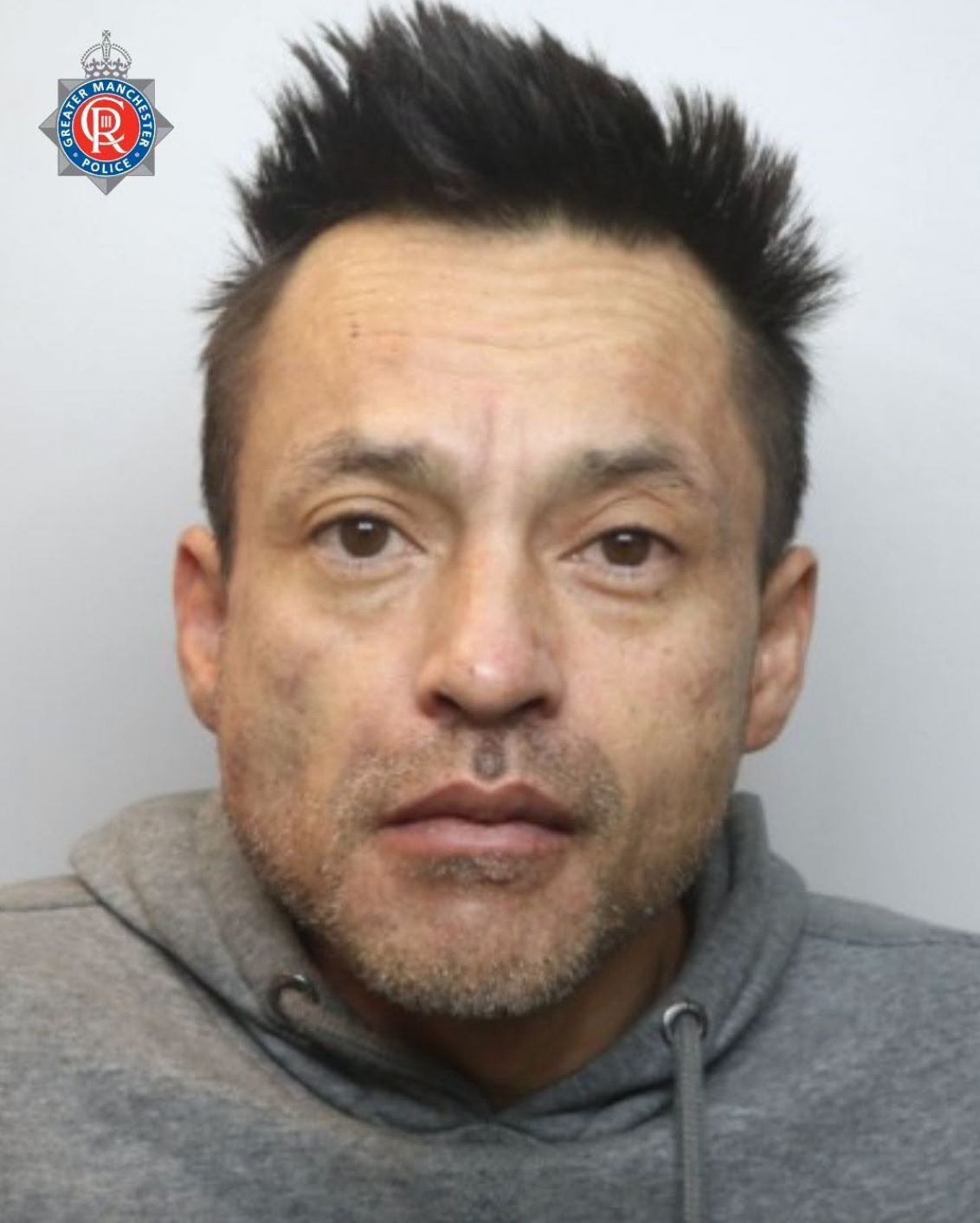
A man from Salford who police describe as ‘violent’ has been jailed after raping two women he met on dating apps.
Kenny Cox appeared at Manchester Crown Court for his sentencing last week (23 October) in relation to the rape of two women – one in November 2021 and one in September 2024.
The 46-year-old was arrested on 8 September 2024, charged and then remanded, before standing trial for both rapes in March 2025.
The trial, however, resulted in a hung jury, so a new trial commenced in August 2026, and Cox was then subsequently found guilty of two counts of rape and one of attempted rape.
It comes after, on 7 November 2021, one of the victims met up with Cox after connecting through a dating app. They went to a property in Salford, and after drinking alcohol together, the victim began to feel hazy and described herself as ‘feeling paralysed’ and ‘unable to move’.
It was during this time she was raped by the suspect.
After she was able to move, she left the property in a taxi and subsequently reported the incident to the police.
Cox was arrested on 14 November 2021 and bailed with stringent bail conditions not to contact the victim. But then, on 4 September 2024, he met up with a second victim, again after connecting through a dating app, and they went to a property in Salford where he raped her before she was able to leave and inform police.
Following the trial, Cox has been sentenced to 14 years in prison, with four years on licence.
He was also given an indefinite restraining order against the victims, and is subject to an indefinite Sexual Harm Prevention Order.
“I would firstly like to commend the strength of the victims in this case,” commented Detective Sergeant James Walsh, of GMP’s Salford Criminal Investigation Department. “They have gone through this trial process twice now and each time have has shown incredible courage to ensure Cox was put behind bars.
“He preyed on these women and is an violent, sexual offender.
“I hope this sentence and the subsequent sexual harm prevention order imposed gives the victims a sense of justice to help them try to move forward from this and put Kenny Cox firmly in their past where he belongs.”

 Daisy Jackson -
31st December 2021
Daisy Jackson -
31st December 2021