Following the passing of the UK’s longest reigning monarch, many will be asking what happens now as they mourn the loss of Queen Elizabeth II.
Her Majesty sadly passed away at her Balmoral Estate on Thursday 8 September, passing her title to her son Charles.
Clarence House confirmed yesterday evening that the new king will henceforth adopt the title of King Charles III as he commences his new duties whilst grieving the loss of his mother.
Naturally, now that we have a new King quite a few other things are likely to change too. Here are a few of the things we can expect to see altered in the coming weeks, reports The Hoot.
The National Anthem
A change that will be implemented immediately is the change in the national anthem. It was ‘God Save the Queen’ but it will now revert to ‘God Save the King’, this was last sang under the Queen’s father and predecessor, King George VI.
ADVERTISEMENT
Stamps
Image: Unsplash
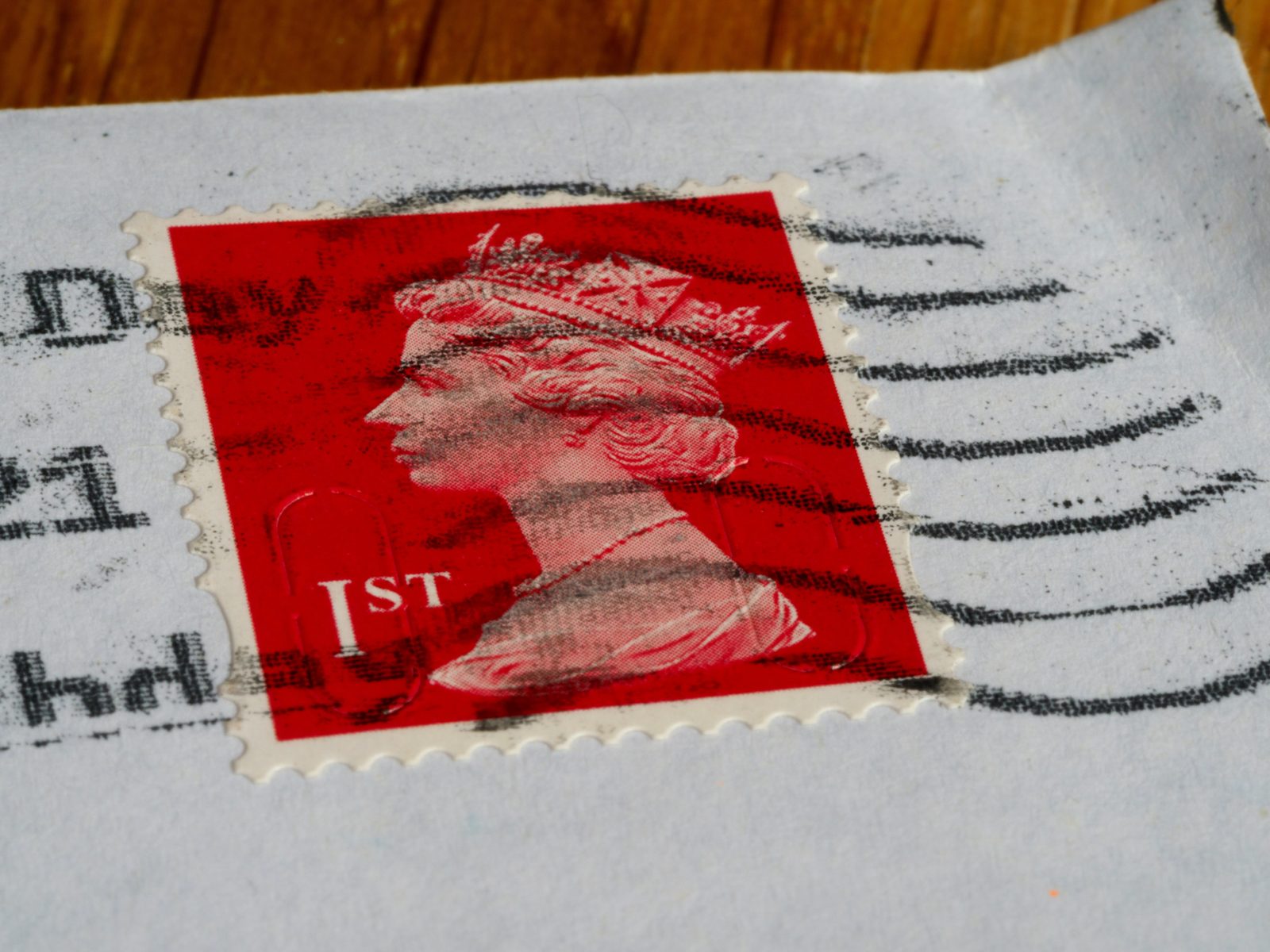
Stamps across the UK will be replaced with new stamps that have the face of King Charles III on them. The old stamps with Queen Elizabeth II on them will slowly be phased out of use.
Money
All notes and coins in the UK carry the image of the Queen on them. From now on, all new money printed or coins minted will contain the image of the new monarch.

ADVERTISEMENT
Image: Unsplash
The old money will be slowly phased out to a point where eventually (and very far in the future), the old money will cease to be legal tender.
Other nations where the Queen is their head of state, such as Canada, Australia and New Zealand will also have to phase out their money.
Passports
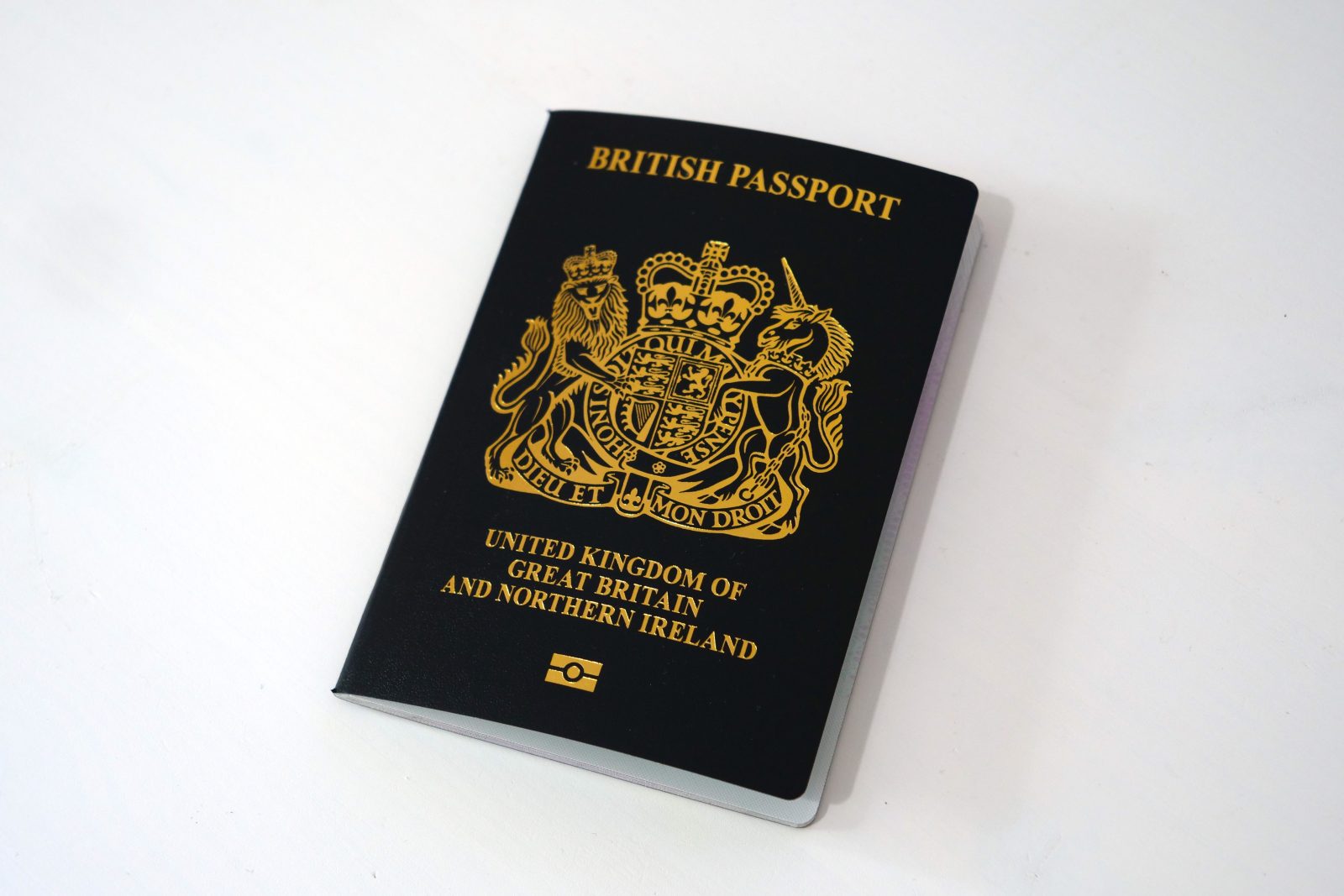
Image: Unsplash
All passports issued in the UK for the past 70 years have contained this message “Her Britannic Majesty’s Secretary of State requests and requires in the name of Her Majesty all those whom it may concern to allow the bearer to pass freely without let or hindrance and to afford the bearer such assistance and protection as may be necessary.”
ADVERTISEMENT
This will now be updated with the King’s pronouns however you will not have to update your passport until it expires.
Postboxes
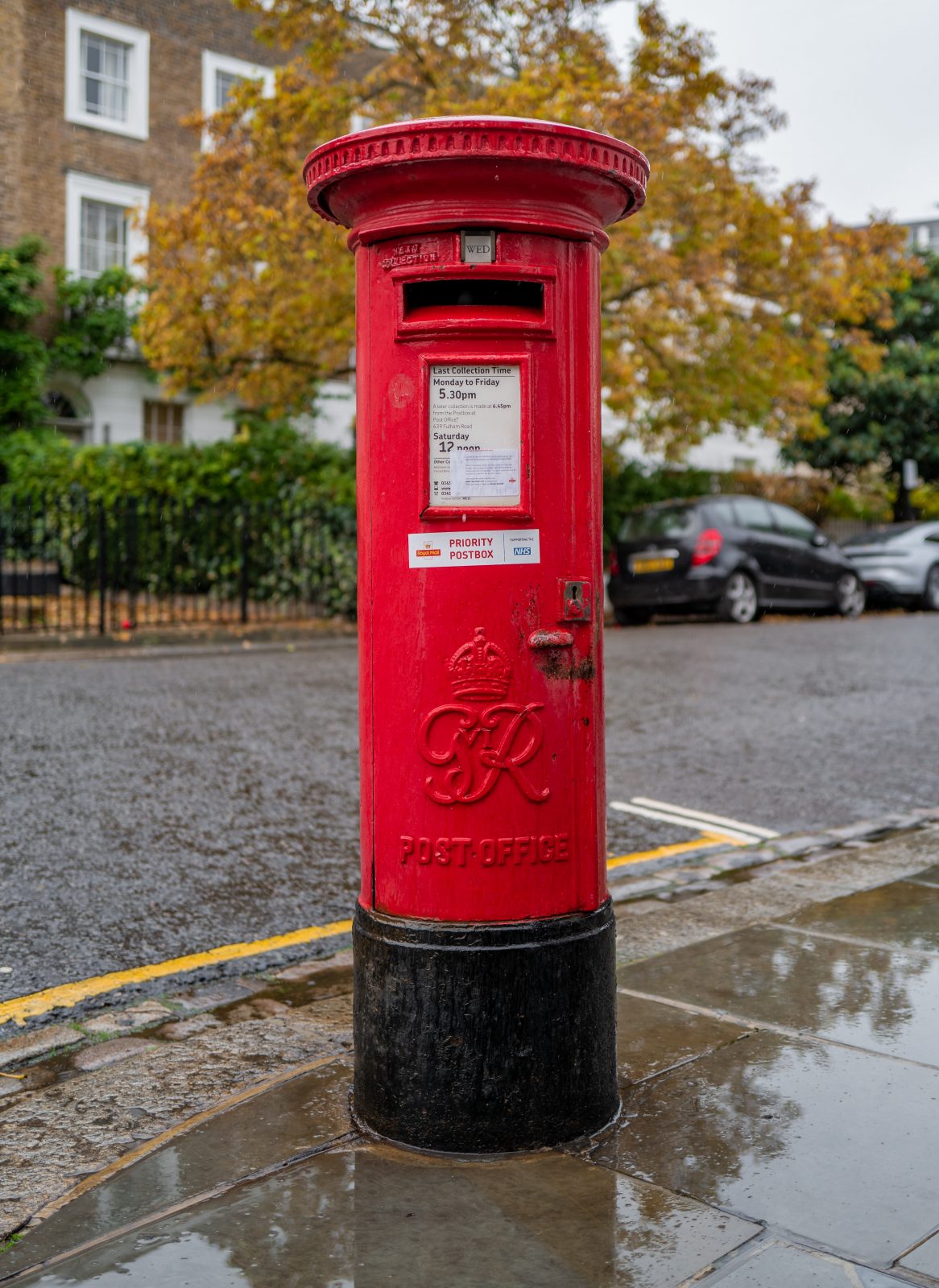
Image: Unsplash
Every postbox in the UK built during the Queen’s reign carries her royal cypher. This is EIIR, or Elizabeth II Regina, which is Latin for Queen.
All postboxes built under King Charles III reign will now carry a new cypher which is yet to be announced.
Uniforms
The Queen’s military cypher is imprinted on lots of uniforms across the UK, including those worn by the armed forces and police.
This will be replaced by the King’s military cypher which is yet to be announced.
Feature image – The Royal Family
News
Andy Burnham announces ‘fundamental’ changes to the UK’s education system
Emily Sergeant
The Prime Minister will unveil a fundamental change to the education system today with the launch of new prestigious technical educational routes.
Andy Burnham says he is ‘determined’ to put technical education on an equal footing with the traditional academic path to ensure there are no so-called ‘dead ends’ for young people coming out of the education system by providing them high-quality alternative routes that are valued and respected by students, parents, and employers alike.
The new pathways will provide 14-year-olds with ‘valuable’ early access to technical skills, work experience, and connections with local employers.
Building on successful local initiatives – such as the MBacc, launched by Andy Burnham here in Greater Manchester when he was Mayor – the new technical routes will mean young people can develop the technical knowledge and skills needed to progress in areas like engineering, healthcare, and digital technology.
It will aim to ‘skill them up’ with the specific knowledge and capabilities that local employers need.
Andy Burnham has announced ‘fundamental’ changes to the UK’s education system / Credit: MChe Lee (via Unsplash) | Wikimedia Commons
So, how will it all work then? Well, when students enter Year 10, they will have the chance to combine core academic subjects – including English, Maths, and Science – with a high-quality technical education that’s linked to the jobs available in their area.
During these courses, students will be able to spend time with employers and gain valuable real-world experience.
Regional mayors, local leaders, schools, colleges, and employers will work together to shape these new technical education pathways, rather than relying on a one-size-fits-all system.
To support this, the Government says it will prioritise funding towards high-quality technical education and practical routes into work, and will also change the way school performance is measured so that inspectors recognise the schools support young people to develop the skills, experience, and confidence employers want.
This way, no matter whether young people choose university, an apprenticeship, further education, or direct entry into a skilled profession, they will able to see a clear route from education into employment.
“For too long in this country, students have been told that you must take the academic path to do well and to be respected,” explained Prime Minister Andy Burnham.
“The whole school system has been built around it and that has let down young people seeking technical qualifications.
“I want an education system based on parity between academic and technical which gives all young people a clear path in life.
“From today, Britain will value the hard hat every bit as much as the graduation cap.”
Featured Image – MChe Lee (via Unsplash)
News
When does the UK’s fourth heatwave of the year hit Greater Manchester?
Danny Jones
Brace yourselves: ANOTHER heatwave is set to hit the UK – the fourth in 2026 so far – and, understandably, Greater Manchester residents are already preparing for the latest blast of hot weather and wondering when it gets here.
Yes, in case you missed the news, more high temperatures are set to spread across Great Britain and Ireland this month and heading into August.
The increase will gradually build throughout this week, with Wednesday tipped to be the hottest day according to various meteorological sources.
Fortunately for us here in the North West, parts of the Midlands and the usual suspects down south are set to hit the highest numbers, but the thermometers are still on course to reach around the mid-20s over the coming days.
Temperatures are set to rise this week across some areas, bringing a return to hotter conditions 🥵
The heat looks to be fairly short-lived, however, with temperatures expected to fall again towards the end of the week 🌡️ pic.twitter.com/IKsunEdwhU
Estimates of 26°C have been predicted for this coming Tuesday, with the levels floating in and around 24/25 on the following Wednesday.
The heat is then due to drop off slowly, with top scores of no higher than 21°C on the cards for Thursday and Friday. Although the weekend forecast is less certain at present, one thing that has been announced is reduced rainfall.
Aside from a few more trickles today (Mon, 27 July), the showers or lack thereof cease rather soon, with some of the driest parts of the country already having various effects; for instance, parched parts of Wales have even revealed lost archaeological sites last Friday (24/7/2026).
It would be remiss if we didn’t mention the obvious moorland fires across our region, which were sadly exacerbated by hot weather earlier this month.
Following on from the hottest June on record, the Dovestone and Tinwhistle areas of Oldham and parts of Derbyshire saw hundreds of hectares turn into a deeply dangerous blaze for several days.
As per the latest statistics, it’s said that the equivalent of 1,250 football pitches were scorched following the alarming wildfire, which also raised concerns for wildlife and surrounding air quality.