Spike in antisemitic incidents reported after Manchester synagogue terror attack
"Jewish people in Britain used to be able to go about their lives without ever thinking about antisemitism, and now it's the topic of conversation around every dinner table."
A new report has revealed that there was a rise in antisemitic incidents reported following the Manchester synagogue terror attack.
In case you need a reminder, the shocking knife and car attack took place on 2 October 2025 on Yom Kippur – the holiest day in the Jewish calendar – at the Heaton Park Hebrew Congregation Synagogue, and during the incident, two men sadly lost their lives during the attack – Adrian Daulby, 53, who was shot dead by Greater Manchester Police (GMP) while trying to stop the attacker from entering the synagogue, and Melvin Cravitz, 66, a worshipper who also helped stop the attacker.
The attacker was named as 35-year-old Jihad al Shamie – a 35-year-old British citizen of Syrian descent who lived in Prestwich – who at the time was on bail for an alleged rape, before being shot dead by police.
In the wake of the attack, the Community Security Trust (CST), which monitors antisemitism in the UK, said 40 antisemitic incidents were reported on 2 October last year, and a further 40 were reported the day after – more than half of which involved direct reactions to the deadly attack.
These were the highest daily totals in 2025.
ADVERTISEMENT
A spike in antisemitic incidents were reported after the Manchester synagogue terror attack / Credit: Google Maps | GMP
Three of the reported incidents on 2 and 3 October involved ‘face-to-face taunting and celebration of the attack to Jewish people’, according to the CST.
39 of the reported incidents were antisemitic social media posts referencing the attack, abusive responses to public condemnations of the attack from Jewish organisations and individuals, or antagonistic emails sent to Jewish people and institutions.
ADVERTISEMENT
The Manchester synagogue attack was the first fatal antisemitic terror attack in the UK since the CST started recording incidents in 1984.
Overall, 3,700 anti-Jewish hate incidents were recorded in 2025 – which is said to be up 4% on the incidents recorded in the year before – and the CST revealed that this the second-highest annual total ever recorded.
There was also a spike in reported anti-Jewish hate incidents following the Bondi Beach killings in Sydney in December of last year too, the CST said.
ADVERTISEMENT
Dave Rich, who is the director of police at CST, told Sky News in a statement: “We need a more robust approach to the kind of extremism that drives antisemitism.
“Jewish people in Britain used to be able to go about their lives without ever thinking about antisemitism, and now it’s the topic of conversation around every dinner table. That’s new.
“It feels for a lot of Jewish people like we’re in a different world now, the atmosphere is different, the climate has changed for Jewish people and the amount of antisemitism is part of that.”
Featured Image – GMP
News
Salford RLFC issue statement as head coach Mike Grady departs after less than three months
Danny Jones
Salford Rugby League Football Club have issued an official statement following the departure of head coach Mike Grady, who has left the role after less than three months in the job.
It has been insisted that this is not a sacking, but rather a joint decision to terminate his contract.
Grady, who took up the mantle at the start of this project following the end of the Salford Red Devils era, was only appointed on 5 January.
He had previously been in charge of the Red Devils’ women’s side over the past couple of years, but moved over to hopefully lead this new era forward.
As you can see, the club confirmed in a statement that they and Grady have “mutually agreed to part ways due to changes in his personal circumstances.”
They go on to write: “We are forever indebted to Mike for his unwavering commitment to the club. We want to thank him for all his hard work since taking on the role as Head Coach in very challenging circumstances in December.”
Also sharing a comment from former player turned CEO, Ryan Brierley, he said: “Mike came in as Coach at a time when the club had just come through one of its toughest times with the double impact of relegation and liquidation.
“He was willing to roll up his sleeves and bring stability to the club on the pitch. The fact we were able to field a team against Oldham in January, after only three weeks, speaks volumes about his commitment and determination. To beat Hunslet at home only four weeks later was a fantastic achievement.
“Mike will always be remembered as the person [who] strived and achieved the objective of sending out the first Salford team of this new era. A team running onto the pitch, after so much hard work, gave us all something to cheer about. We also remember how well he successfully guided our women’s team to third and fourth place finishes in the Championship.”
Sharing his own farewell message, he went on to add: “I want to thank Ryan for the opportunity to represent this great club and fan base. What we created at the start of the year was pretty special, and I’m proud to have built that.
“I’m happy to leave the club in a better place than I found it and wish the club all the best for the future.” Salford RLFC have already assured that they are now recruiting for his replacement.
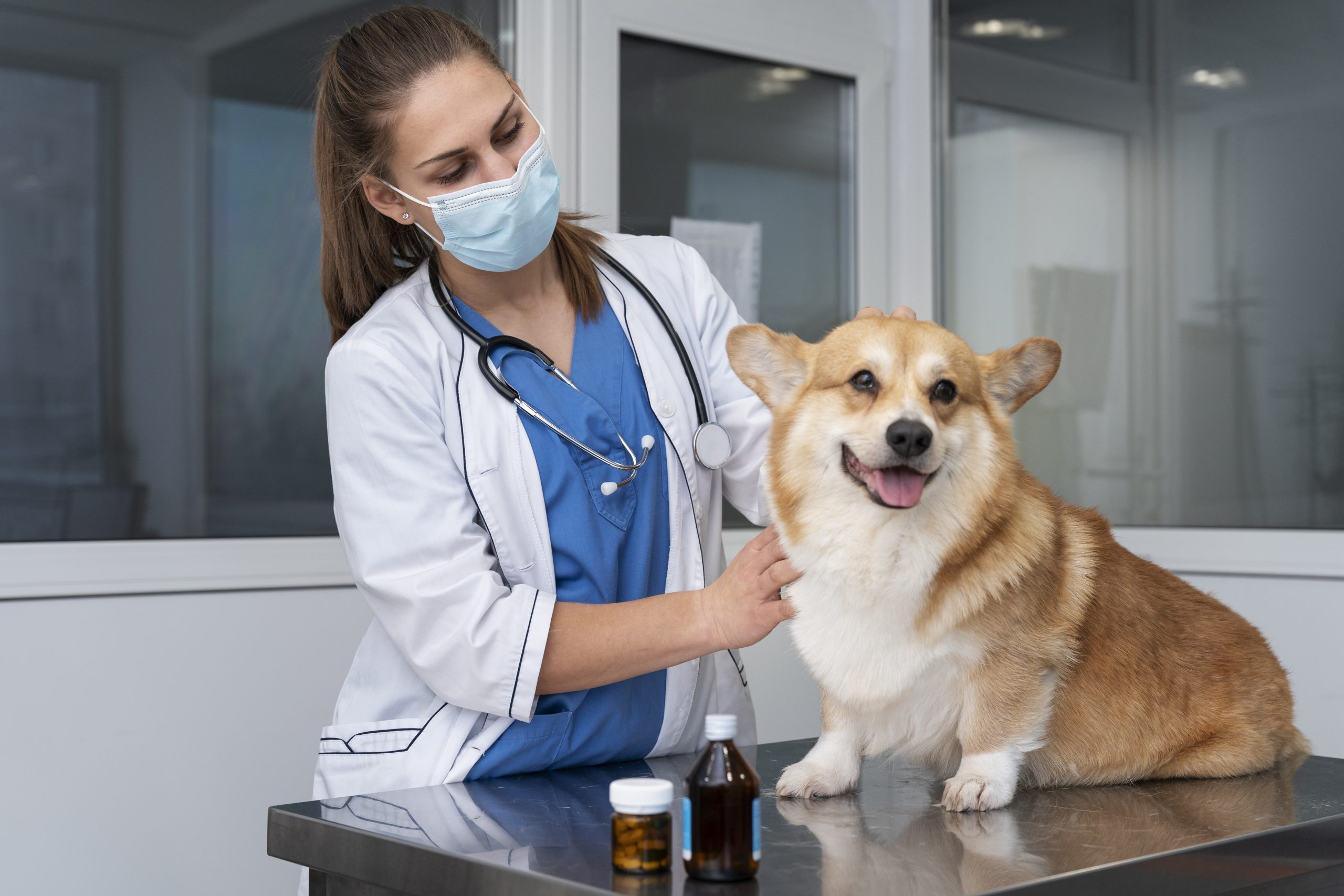
Price caps and standardisations to be introduced for vet care in UK following major investigation
Emily Sergeant
Reforms to the veterinary industry to help pet owners better navigate the vet services market are set to be introduced this year.
After an independent inquiry group recently found that the current system is leaving pet owners ‘in the dark’, with a lack of information to help make informed decisions leading to weak competition and high prices, the Competition and Markets Authority (CMA) has this week concluded its investigation into veterinary services for household pets in the UK.
The final report green-lights a package of measures to make the market more competitive, easier to navigate, and more responsive to pet owners’ needs.
It outlines the final remedies and recommendations, which together, will transform the market.
Remedies and recommendations in the report range from price caps and standardisations, through to upfront cost transparency.
We’ve set out major reforms to the UK’s veterinary sector now our market investigation is complete.
Our reforms will help pet owners better navigate the vet services market and will start coming into force later this year.
— Competition & Markets Authority (@CMAgovUK) March 24, 2026
Practices will soon be required to publish a comprehensive price list for standard services – including consultations, common procedures, diagnostics, written prescriptions and cremation options – so pet owners know up-front how much certain services are expected to cost.
They’ll also have to make it clear whether they are part of a group or an independent business, and provide a written estimate in advance for any treatment expected to cost £500 or more (including aftercare costs), plus an itemised bill.
Written prescription fees are set to be capped at £21 for the first medicine, and then £12.50 for any additional medicines.
Price caps and standardisations are set to be introduced for vet care in UK / Credit: Pxhere
There’s also set to be changes to the complaints process, as practices will now be required to follow a transparent, accessible, in-house complaints process, and engage in mediation where disputes cannot be resolved.
The CMA says an ‘unprecedented’ response from both the public and the sector has helped to shape the final report.
The next step is for the Government to respond to the report formally – with Secretary of State for Environment, Food and Rural Affairs, Emma Reynolds, commenting: “We are grateful for all the work of the Competition and Markets Authority, and we will respond to the report and set out next steps for our proposed reforms in due course.
“This Government is focused on helping families save money on vet services by improving transparency and choice around pricing, so the public can make informed decisions about their pets’ care.”

 Emily Sergeant -
11th February 2026
Emily Sergeant -
11th February 2026