A brewery which has been an icon in Stockport town centre for the last 182 years is to move its operations in a £12 million project.
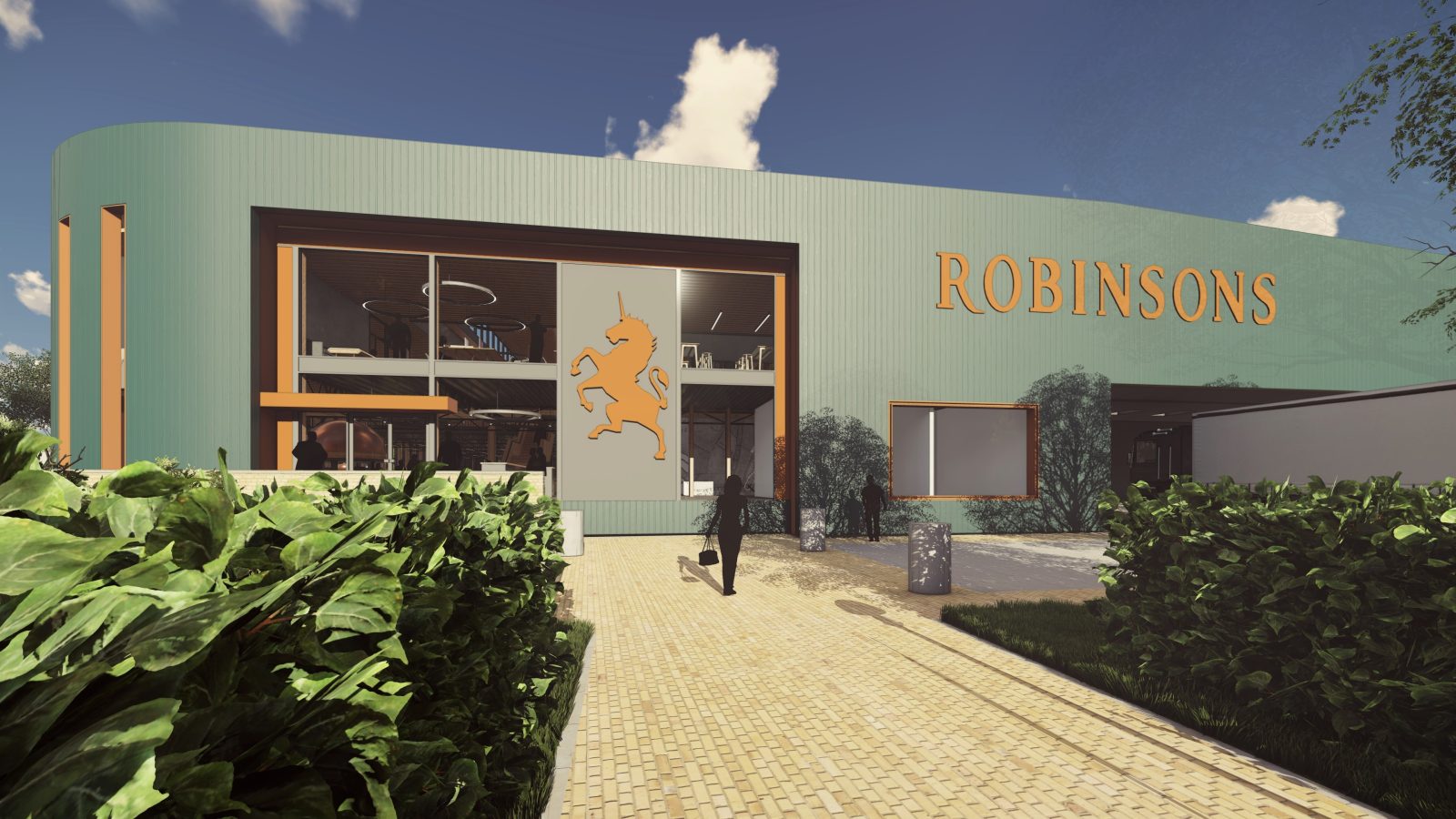
Robinsons Brewery has announced plans to relocate its brewing and head office operations from its well-known central site on Lower Hillgate – also known as the Unicorn Brewery – to its packaging centre in the Stockport suburban area of Bredbury.
The £12 million project – which expected to be completed by 2025 – includes the installation of a new brewhouse, together purpose-built office accommodation.
This move means that everything the company does, from brewing, cask racking, and kegging, to bottling lines, logistics, and more will soon be housed all one site for the first time since 1949, which is said to be fulfilling a long-held ambition of the Robinson family.
The brewery’s directors said it had been a “difficult decision” to relocate all operations, but assured there would be no job losses.
ADVERTISEMENT
We can today announce our plans to relocate our Lower Hillgate brewing & head office operations to our packaging centre in Bredbury. This will see the installation of a new brewhouse, together with up-to-date, purpose-built office accommodation. More info: https://t.co/spIxqPQMAopic.twitter.com/r8E9hJGEb1
In a joint statement issued on the move’s announcement, Directors William and Oliver Robinson said: “It will be a wrench [as] the business has a long history in the town centre and we are very respectful of the company’s role in the Lower Hillgate area.
“But the economic and logistical limitations of the site were impossible to ignore.
ADVERTISEMENT
“Moving everything under one roof gives us the ability to provide a more modern, flexible and greener brewing and packaging operation, while reflecting the company’s heritage.”
An artist’s impression image of the new Robinsons Brewery site in Bredbury due to open in 2025 / Credit: Robinson’s Brewery
Around 50 employees will make the move from Lower Hillgate to Bredbury, and Robinsons’ famous shire horses will also be moving to a new home.
As previously mentioned, there will be no compulsory job losses and Robinsons says the move will support its wider recruitment plans, which are linked to the acquisition of new pubs, and it also plans further investment in its “230-strong tenanted pub estate”.
ADVERTISEMENT
“This announcement demonstrates our commitment to writing a new chapter in our history in Stockport, continuing to brew, deliver and package award-winning cask, keg and bottled beer under 100pc family ownership,” the directors added.
The brewery is currently working on proposals to reopen The Bull’s Head in Stockport’s Market Square later this year.
It is currently liaising with Stockport Council over possible uses for the present brewery site.
Stockport Council leader Elise Wilson said the relocation of Robinsons was “good news for jobs” in Stockport, adding: “We look forward to seeing their future plans for the town centre site as they are developed over the coming months.”
Featured Image – Robinsons Brewery
News
The Premier League is keeping its crucial cap on away game ticket prices – for now
Danny Jones
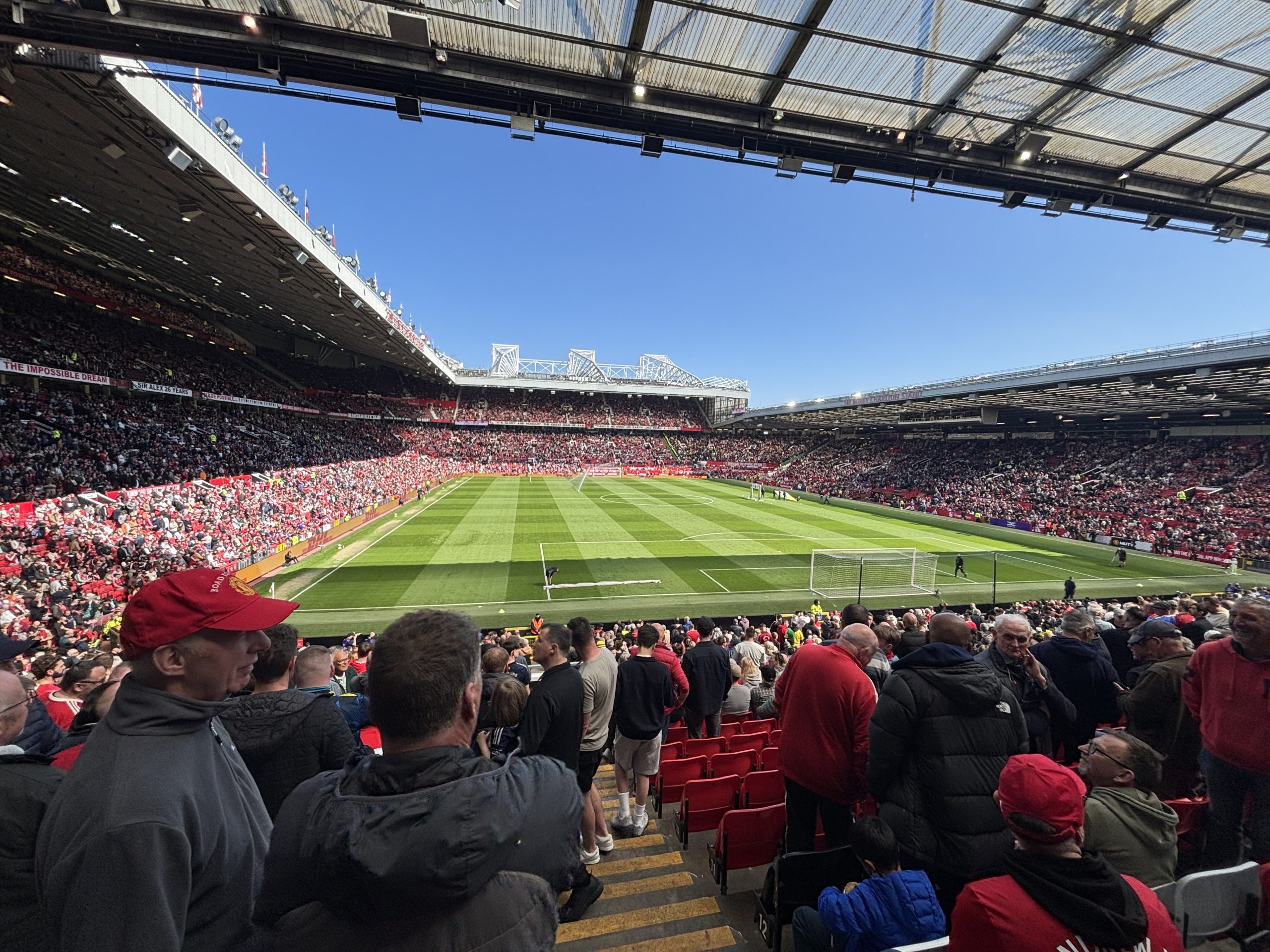
The Premier League has announced it is extending its crucial price cap for away games, as the general cost of match tickets continues to creep up all over the country.
Most season card holders, be they here in Greater Manchester or elsewhere, are likely looking at their annual spending going up simply, so steps like these are key in keeping first division football as affordable as possible.
And that’s just the ongoing cost of living, let alone the clubs that are continuing the trend of charging more each year and, unfortunately, even pricing some supporters out entirely.
With that in mind, the news of England’s top-flight sides voting unanimously to keep the £30 cap intact for at least another two years comes as relief to those who spend most of the year putting their hard-earned cash towards following their team home and away.
BREAKING: The Premier League extend £30 cap on away tickets for another two seasons 🚨 pic.twitter.com/L336aZwmn3
Now confirmed to remain in place until the end of the 2027/28 campaign, travelling fans obviously still spend plenty of money on transport and so on every year, but at least they don’t have to worry about rising general admissions.
At least not for the time being…
Writing in a statement, the Premier League said: “Away fans help create the incredible atmosphere Premier League matches are renowned for. Since the cap’s implementation in 2016, it has contributed to attendance at away games increasing from 82% to 91%.”
They also acknowledged the significant and regular funds that supporters still spend on these trips, with plenty of people online also praising the Football Supporters’ Association (FSA), which helped spearhead the campaign over a decade ago.
With so many other obstacles still getting in the way of fans making it to games either at their usual stadium or on an away day – not least of all the constant and increasingly frustrating rescheduling of fixtures – it’s good to see this isn’t an area the Prem are trying to target.
As always, the multi-billion-pound business can always seek out other, newer money spinners, and we’re absolutley certain they will. For instance, there’s at least one happening over in Spain that we’d happily see carried over here.
Following the news, this now means that fans will ultimately have enjoyed 12 back-to-back seasons of the benefit, and long may it continue.
Nevertheless, the biggest barrier for people to watch the beautiful game at its highest level in the UK remains the cost of standard tickets.
The likes of Manchester United, Arsenal, Leeds and more have already let matchgoers know that their season ticket prices will be going up, and the likes of Man City have already seen backlash for increasing rates amid the expansion of the Etihad Campus.
Greater Manchester’s fire service officially rated ‘outstanding’ following inspection
Emily Sergeant
Greater Manchester’s fire service has officially been rated ‘outstanding’.
His Majesty’s Inspectorate of Constabulary and Fire & Rescue Services (HMICFRS) has awarded published its latest inspection report, and has awarded Greater Manchester Fire and Rescue Service (GMFRS) two ‘Outstanding’ ratings for the first time in the service’s history.
One ‘outstanding’ rating was given for the preventing of fire and emergencies, and one for values and culture.
Some of the areas of strength noted in the report include outstanding prevention work, acknowledging the service’s innovative partnership activity and targeted risk reduction programmes, and a ‘strong, positive, and inclusive’ culture, with strong communication and a clear focus on values, staff voice, and transparent decision making.
The service was also commended for having high levels of operational preparedness, and ‘effective’ governance and scrutiny, with ‘clear’ performance reporting and strategic direction.
In addition to the two ‘Outstanding’ ratings, inspectors also rated GMFRS as ‘Good’ in seven of the eight other inspection categories – including responding to fires and other emergencies, training and developing the right people with the right skills, and ensuring fairness and diversity across the workplace.
Inspectors also acknowledged the ‘significant capacity pressures’ on fire safety regulation across the UK, and the unique challenges posed by Greater Manchester’s complex and fast-changing urban environment.
“Greater Manchester has a fire and rescue service we can be proud of,” commented Mayor Andy Burnham, as the inspection report was published this week.
Greater Manchester’s fire service has officially been rated ‘outstanding’ following its latest inspection / Credit: GMFRS
“I’ve often said that GMFRS is one of the best services not just in this country, but anywhere. The inspectors’ findings reinforce this belief. I’m pleased that this strong inspection report recognises its outstanding prevention work as part of Greater Manchester’s Live Well approach, its outstanding culture and values, and consistently good performance across almost every other area.”
Chief Fire Officer, Dave Russell, added: “I am really pleased that the inspectors have recognised our progress towards this goal, by awarding us ‘Outstanding’ ratings for the first time in our service’s history.
“I am particularly pleased to have been awarded these for our nation-leading work on prevention, helping us to use our resources in the most effective way, and in our service’s culture, which I made my number one priority when joining the service.”

 Emily Sergeant -
21st January 2022
Emily Sergeant -
21st January 2022