Another two major city centre tram stops are to be out of action for nearly two weeks while maintenance work is carried out.
As part of an ongoing programme of works intended to “maintain and improve” the Metrolink system, and ensure tram journeys in Greater Manchester remain “safe, reliable, and accessible”, Transport for Greater Manchester‘s (TfGM) has confirmed that further essential work to improve city centre tram journeys will get under way next week.
Trams will stop running between Piccadilly Gardens and St Peter’s Square, so that tracks can be replaced.
The track replacement work is scheduled to be carried out for a total of 21 days – starting next Tuesday (27 August) up until Tuesday 17 September.
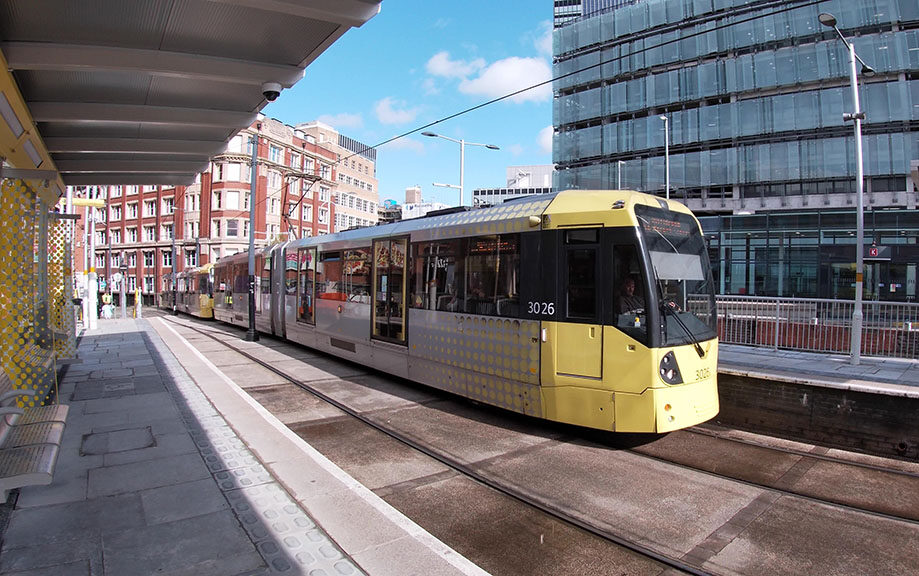
More major Manchester city centre tram stops are to be out of action for ‘essential’ maintenance work / Credit: TfGM
During these engineering works, TfGM has confirmed that trams will continue to operate as usual between Piccadilly and Victoria via Piccadilly Gardens, however they will not travel between Piccadilly Gardens and St Peter’s Square – with some services expected to operate via Exchange Square instead.
ADVERTISEMENT
A replacement bus service will operate between Piccadilly and Deansgate Castlefield as an alternative, as well as signed walking routes for those making their way on foot.
Mosley Street will be closed between New York Street and Piccadilly Gardens, with buses that normally use this route being diverted via Portland Street, and essential vehicle access will be maintained to shops, businesses, and retailers as required.
ADVERTISEMENT
“It’s vitally important we’re always working to keep our passengers safe and Greater Manchester moving,” explained Pete Sommers, who is the Network Director for the Metrolink at TfGM.
Track replacements will take place over 21 days / Credit: TfGM
“Earlier phases of our summer works have been successfully completed, and at Piccadilly Gardens, we will be doing everything we can to keep disruption to a minimum, with staff at key stops to help you, replacement bus services, and signed diversions for pedestrians.
“While this work is ongoing, I would encourage customers to plan ahead by checking our app, website, and social media channels for the latest travel information.”
ADVERTISEMENT
TfGM is also recommending that passengers leave “plenty of time for their journeys”.
Find out more about the planned tram improvement works on the TfGM website here.
Featured Image – TfGM
News
One million UK adults who have never smoked before are now vaping, new stats reveal
Emily Sergeant
More than a million UK adults who claim to have never smoked cigarettes are now vaping.
According to alarming new data from the Office for National Statistics (ONS), relating to people aged 16 and over, around 2.8 million men (11.3%) and 2.1 million women (8.2%) are thought to be smokers in the UK… but more than a million people, who have never smoked before, have now made the decision to start vaping instead.
People in the 25 to 34 age group were found to be the most likely to vape, according to the data, overtaking those aged 16 to 24, as it was the only age group to see a rise in e-cigarette usage.
Daily or occasional vaping is still higher than the proportion of people smoking cigarettes too, the ONS revealed, at 5.4 million, or 9.9%, versus 4.8 million (8.7%).
One million UK adults who have never smoked are now vaping / Credit: Lil Artsy (via Pexels) | Pxhere
“Fewer than one in 10 adults now smoke,” commented David Mais, from the ONS.
“This is the lowest proportion on record and continues the long-term decline in smoking. [But] at the same time, e-cigarette use remains more common than smoking and has followed an overall upward trend since 2020.
“E-cigarette users are also getting older, with those aged 25 to 34 now overtaking 16 to 24-year-olds as the age group most likely to use them.
“This may reflect existing users getting older, growing popularity among this age group, or a combination of both.”
Overall, the prevalence of smoking dropped in all four UK nations between 2024 and 2025.
Featured Image – Elsa Olofsson (via Unsplash)
News
Three Manchester motorways named in UK’s top 10 ‘most challenging’
Emily Sergeant
Three motorways in and around Manchester have been named the ‘most challenging’ in the UK.
As part of MoneySuperMarket’s new Great British Motorway Report, new research has found that one in three UK motorists find motorway driving ‘stressful’ – despite more than 70 billion miles being travelled on Britain’s motorways each year.
From delays and congestion to high traffic levels, there are a number of factors that can contribute to driver stress levels.
But are some motorways more challenging for drivers than others? According to the data, yes. And three of the top 10 worst motorways in the UK are in and around Greater Manchester.
To find out which are the most challenging, MoneySuperMarket analysed everything from collision rates and roadworks, to lane closures and driver feedback in order to reveal the top 10.
Manchester is home to three of the UK’s top 10 most challenging motorways – the M602, M62, and M60, the latter of which took the top spot on the list.
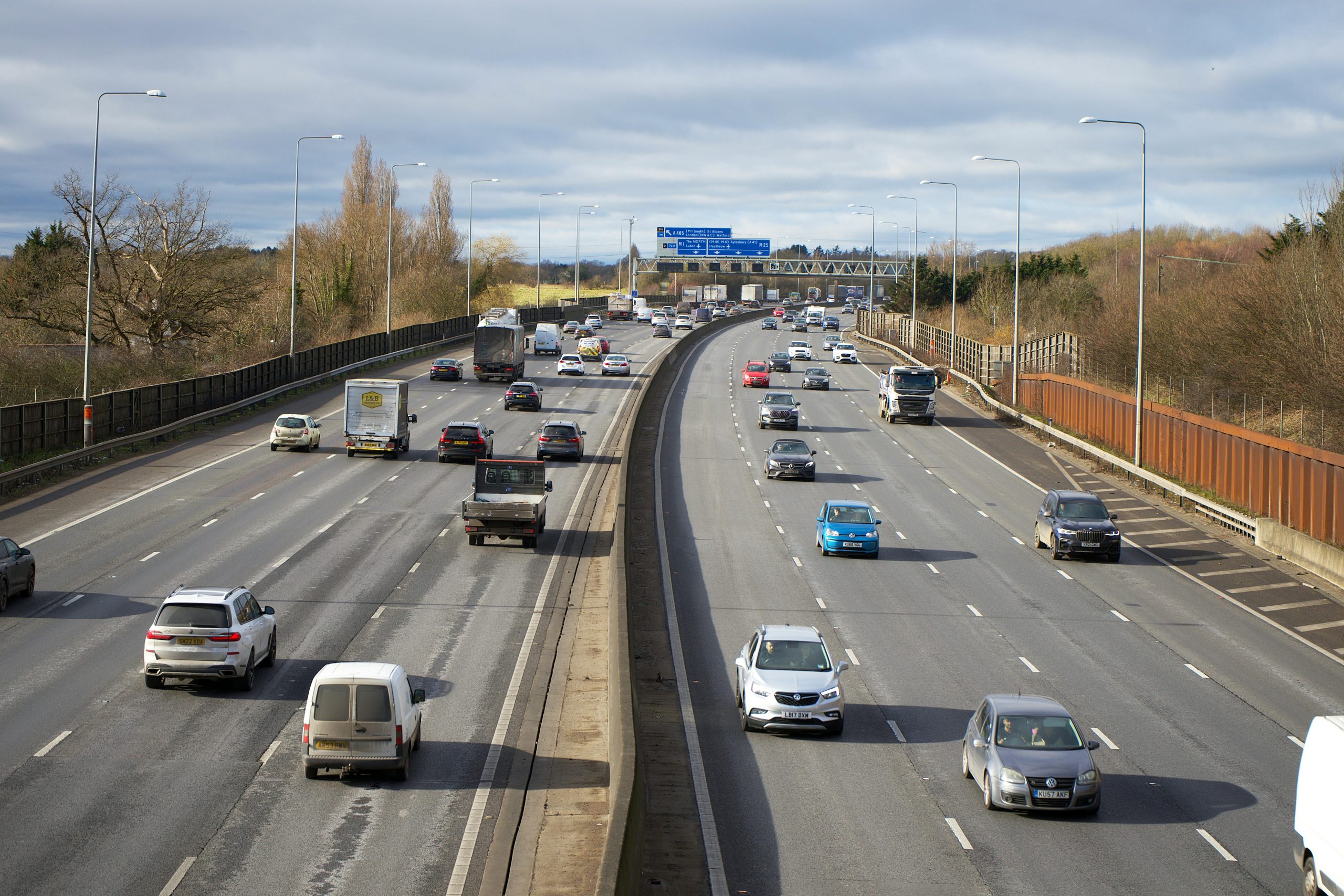
Three Manchester motorways have been named in the UK’s top 10 ‘most challenging’ / Credit: pxfuel
Encircling Greater Manchester and linking many of the region’s motorways, the M60 recorded the lowest overall score in the index.
Despite handling significant volumes of traffic, the M60 experienced some of the highest average delays, at 15.58 seconds per vehicle per mile, and alongside this, it saw 34 collisions in the past year alone. But despite these challenges, the M60 remains an essential route for regional connectivity, and often cannot be bypassed.
“If you’re feeling anxious, allow extra time for your journey so you don’t feel pressured to rush or make last-minute decisions,” commented Alicia Hempsted at MoneySuperMarket.
“Plan your route in advance, including where you’ll stop for breaks, as regular rest stops can help you stay alert and reduce stress on longer trips, and if you’re travelling alone, consider sharing your route with someone you trust if it helps you feel more comfortable.”

 Emily Sergeant -
21st August 2024
Emily Sergeant -
21st August 2024