The £5 million repair of Heaton Hall is now complete – and you can book a tour
"This amazing heritage asset has been painstakingly worked on to protect and preserve its unique architectural features and restore it to its former glory."
The latest phase of £5 million repair works to the historic Heaton Hall have now officially been completed, and tours will begin next month.
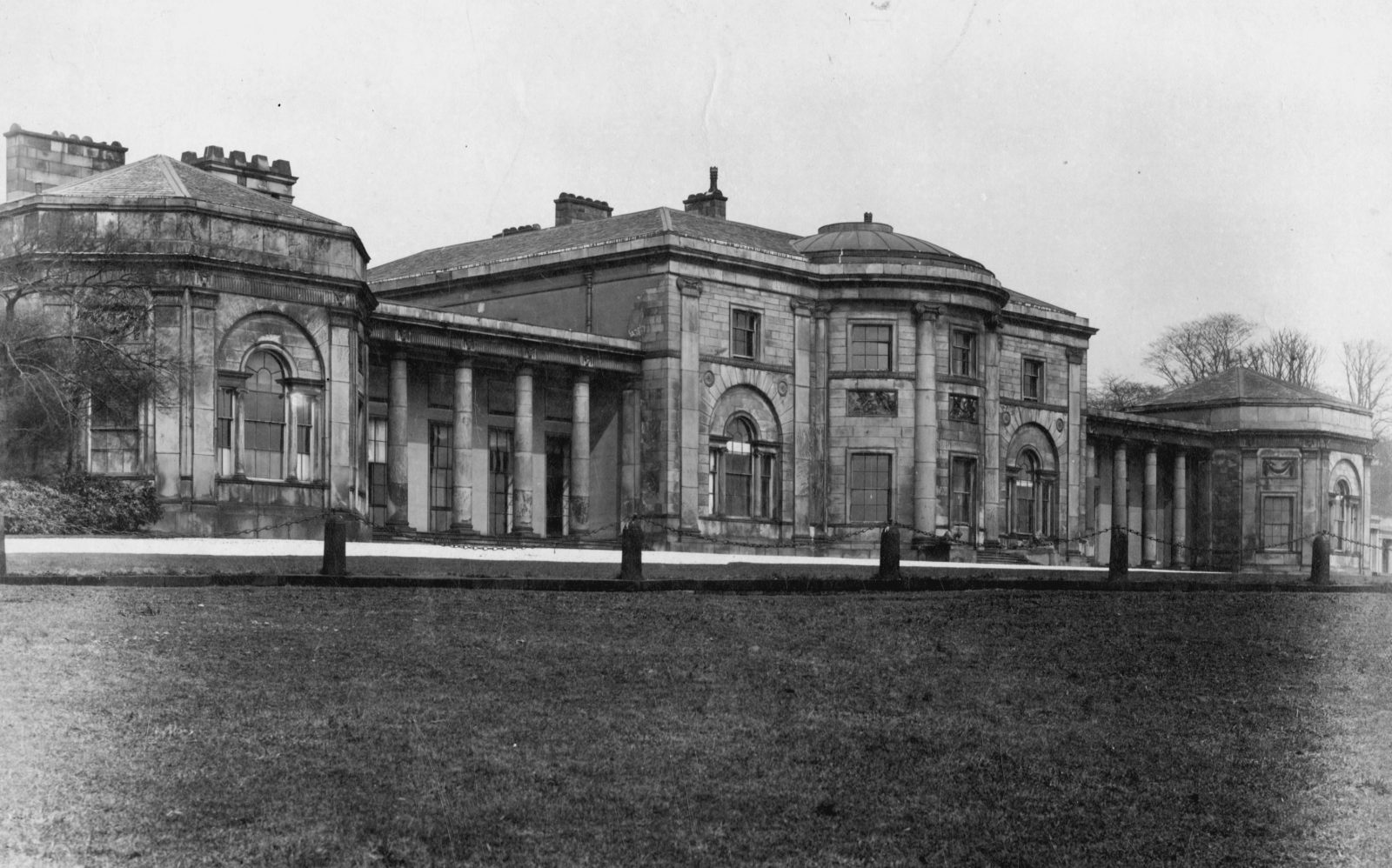
Standing as one of a very few Grade I listed buildings nationally, and designed in 1772 by esteemed architect James Wyatt, Heaton Hall is undoubtedly one of the North West’s most important heritage assets, yet despite this, has remained on Historic England’s ‘At Risk’ list for many years.
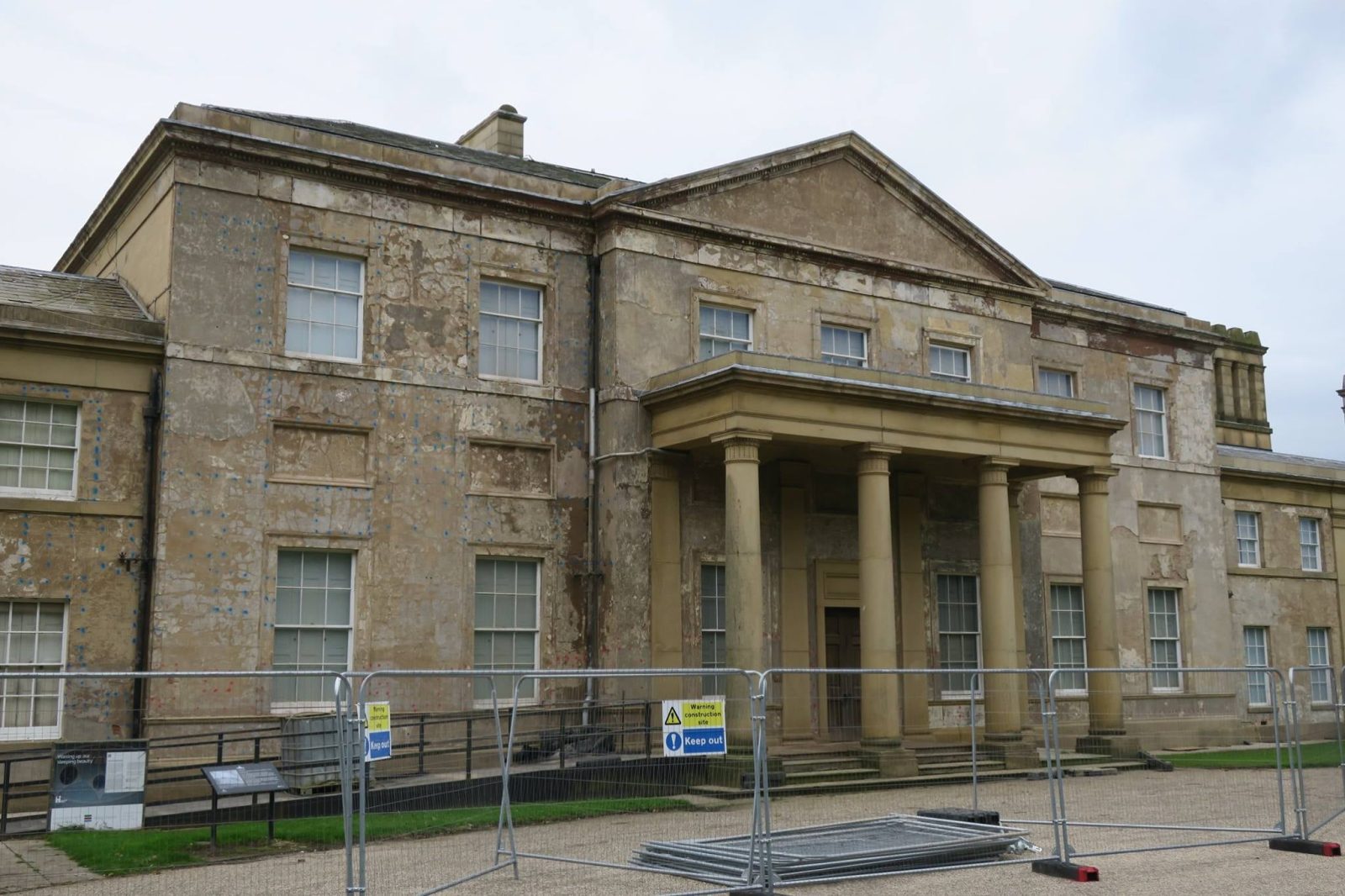
To help preserve the building, Heaton Hall received key funding support from Historic England and Manchester City Council to ensure the building is protected in the future and to complete essential maintenance works.
It has since undergone five phases of essential maintenance works.
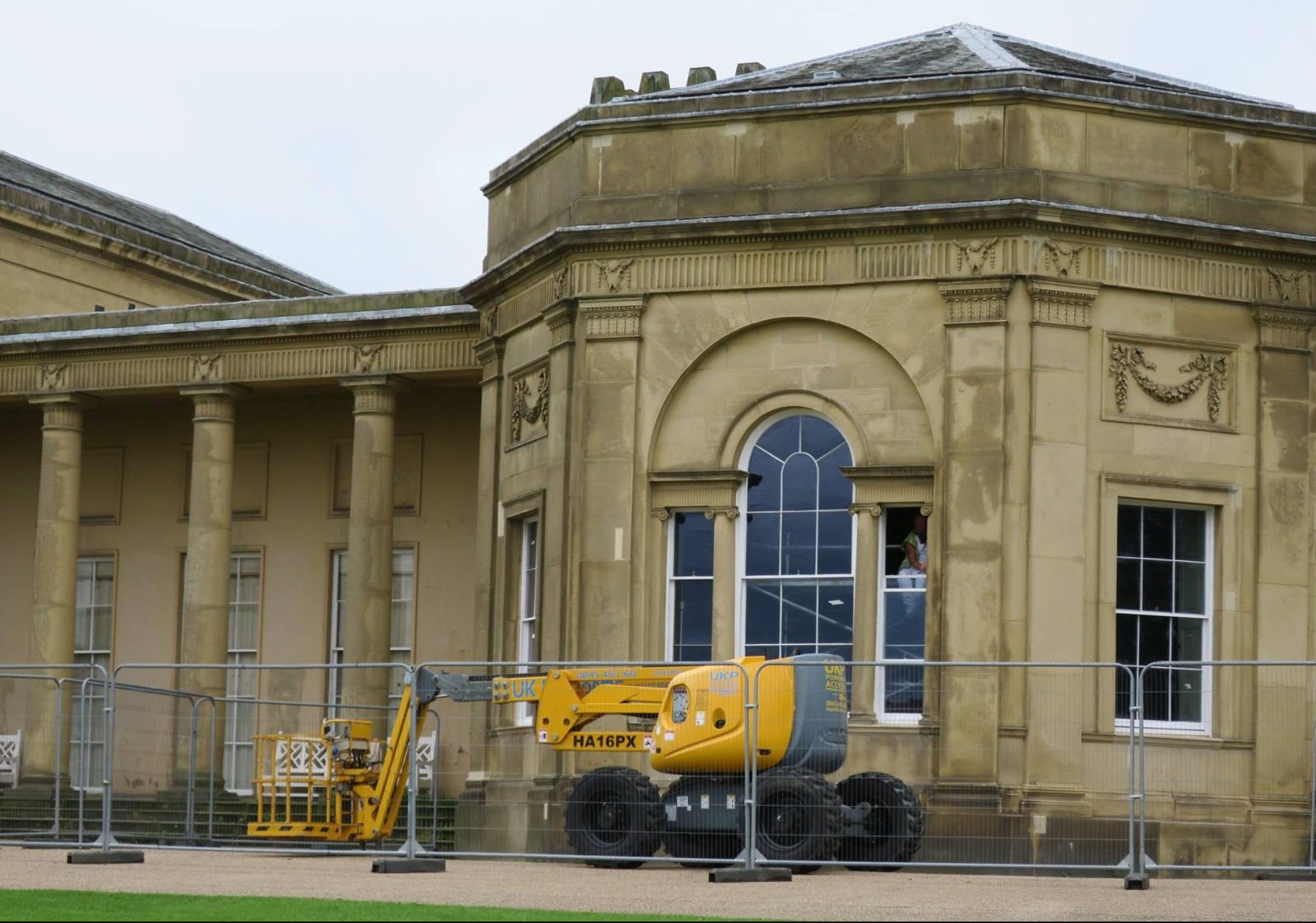
The previous four phases have consisted of work including repairs to the east and west wings, replacement of the windows and shutters, and fixing the roof of the Orangery to protect the Hall, and the most-recent phase has consisted of ongoing maintenance repair works including the replacement of recently-broken windows, rendering repairs, and internal repair work on the first floor.
ADVERTISEMENT
Maintenance and ongoing repairs were started over three years ago, and have now been completed to help protect the architectural gem for future generations, according to Manchester City Council.
The current works are now complete and further maintenance will take place in the future.
ADVERTISEMENT
The Grade I listed Heaton Hall dates back to the 18th century / Credit: Manchester City Council
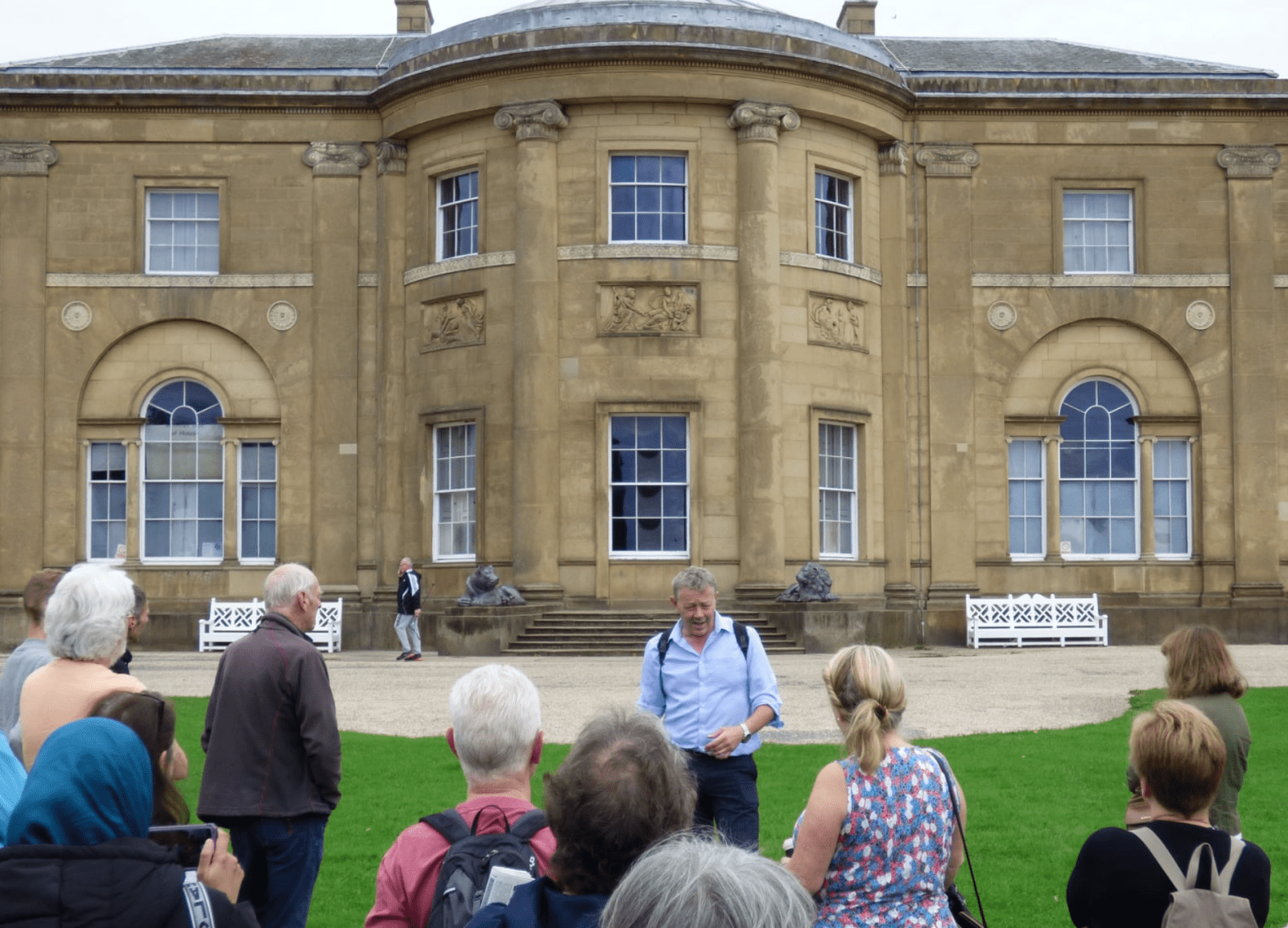
Now that all the maintenance work has been complete for the time being, Manchester City Council has confirmed that the popular walking tours of the building and its impressive grounds will resume, so people can see the repairs in all their glory.
The Friends of Heaton Park will conduct free monthly guided tours for groups to enjoy throughout the year, with the 2022 dates being:
Sunday 10 April
Sunday 8 May
Sunday 19 June
Sunday 10 July
Sunday 14 August
Saturday 10 September
Sunday 11 September
And on top of those tours, there’s also the chance for people to book guided tours around the Hall conducted by the extremely-knowledgable Blue Badge Guide Jonathan Schofield, which take place on every second Sunday.
Heaton Hall isn’t the only thing to have received a bit of TLC either, as according to Manchester City Council, Manchester’s flagship Heaton Park has also benefited from “major improvement works” that will help maintain the much-loved green space and cultural attractions.
Over the past five years, the Council says it has been refashioning aspects of the park in a sustainable way to help ensure accessibility and to further enhance the setting of the Hall and make the Grade I building “a fitting focal point of the wider park landscape.”
Improvements include the planting of trees, the provision of new toilets in the park, creating wider entrances, the resurfacing of main paths, and installing 23 new benches.
Speaking on the £5 million repair works to Heaton Hall, Councillor Rabnawaz Akbar – Executive Member for Neighbourhoods at Manchester City Council – said: “As custodians of Heaton Hall, the Council takes its responsibility to ensure it is properly looked after very seriously, and we can’t wait to give the public the chance to see all the work that has been done inside this remarkable building.”
“This amazing heritage asset has been painstakingly worked on to protect and preserve its unique architectural features and restore it to its former glory,” he added.
“Heaton Hall, and its surrounding park, are really valued by people in Manchester and far beyond and these last couple of years have shown us all how valuable these spaces are to communities,” added Catherine Dewar, North West Regional Director at Historic England.
“The hall is one of a tiny proportion of buildings across England to be listed at Grade I, which is reserved for buildings of the highest significance.
“Working closely with Manchester City Council since 2015, Historic England has provided advice and £758,000 in grants to get to this point, and we’re thrilled that locals and visitors will soon be able to get inside this North Manchester heritage gem once again.”
Opening date finally confirmed for new Uniqlo store at the Trafford Centre
Emily Sergeant
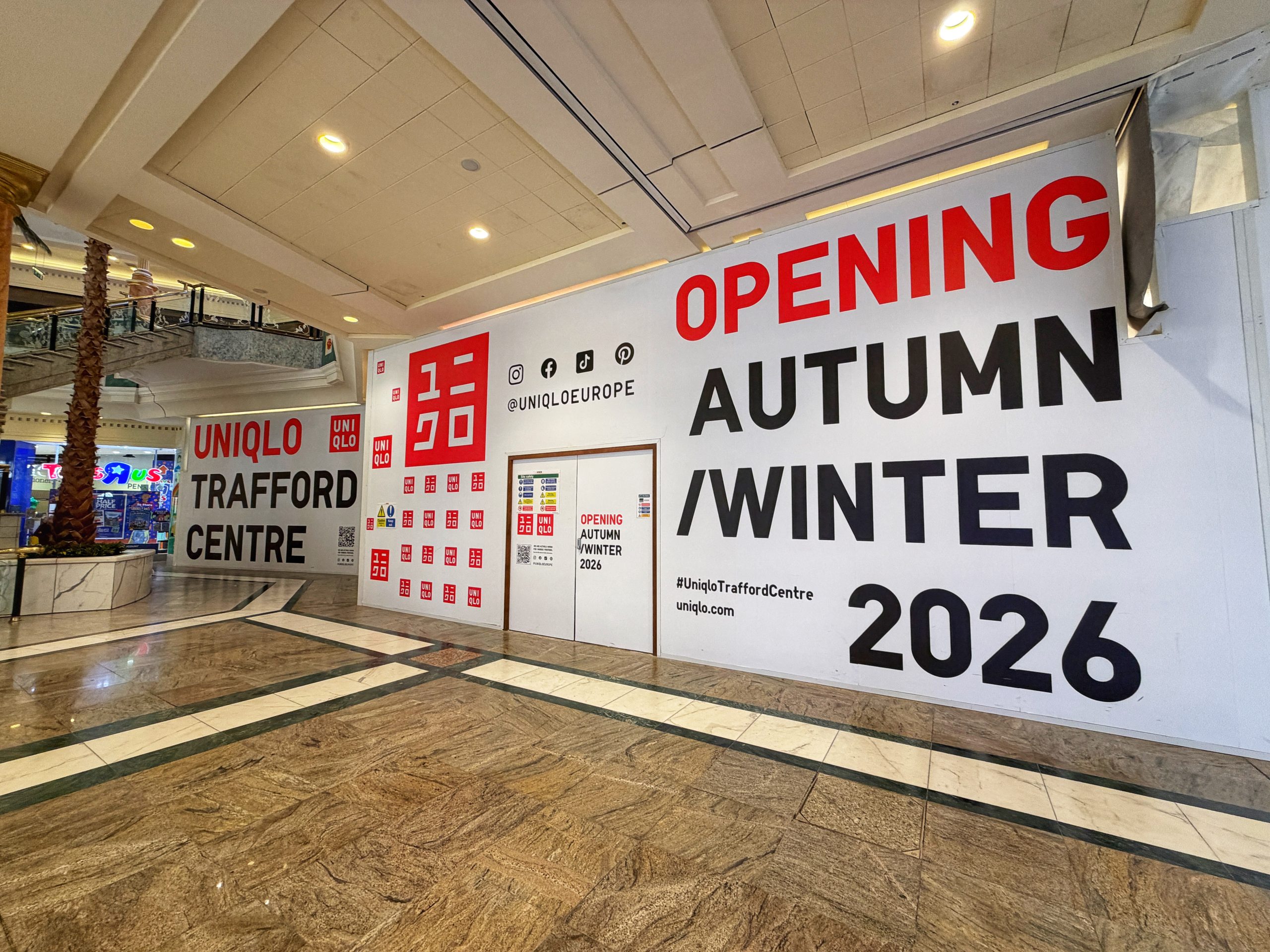
Uniqlo is preparing to open its second store in Greater Manchester, and the official launch date has finally been confirmed.
The popular Japanese high street fashion retailer currently operates 24 stores in the UK, with its first British store having opened its doors all the way back in 2001, and its first European flagship store opening on Oxford Street in London in 2007 – but it was revealed earlier this year in April that Manchester was set to get a second helping.
Uniqlo announced that it would be opening its second Greater Manchester inside the Trafford Centre this autumn, following the huge success of its city centre store opening on Market Street in 2019.
The Trafford Centre store is set to make Manchester the first location outside of London to have two Uniqlo stores.
When news broke that the hoardings had officially gone up inside the shopping centre, elated shoppers raced to the comments to say things like: “No way! I’ve been waiting years for this.”
Uniqlo is preparing to open second its Manchester store inside the Trafford Centre next month / Credit: | The Manc Group
“Uniqlo in Trafford Centre would be a dream come true,” another person said on Instagram, while a third added: “I will never have to step foot on Market Street again,” and plenty others chimed in with comments like ‘finally’ and ‘can’t wait’.
And now, we officially have an opening date to share with you.
Uniqlo will open in the Trafford Centre for the first time on Thursday 15 October, with plenty of events happening across its extended opening weekend.
Traditional Japanese Taiko drumming performances will be happening throughout the day on Thursday 15 and Saturday 17 October, while the first 300 customers to spend over £69.90 in store on the Thursday (15 October) will get a special Uniqlo Manchester goody bag.
Uniqlo’s arrival at the Trafford Centre follows the opening of several other high-profile stores in recent months, like Urban Outfitters, White Company, Stradivarius, and many more.
Featured Image – The Manc Group
News
‘Do not let Britain’s independent businesses disappear on your watch’ – Manchester bakery makes heartbreaking plea to Andy Burnham
Clementine Hall
A beloved Manchester bakery has issued an open letter to Andy Burnham ahead of the Budget begging him for help.
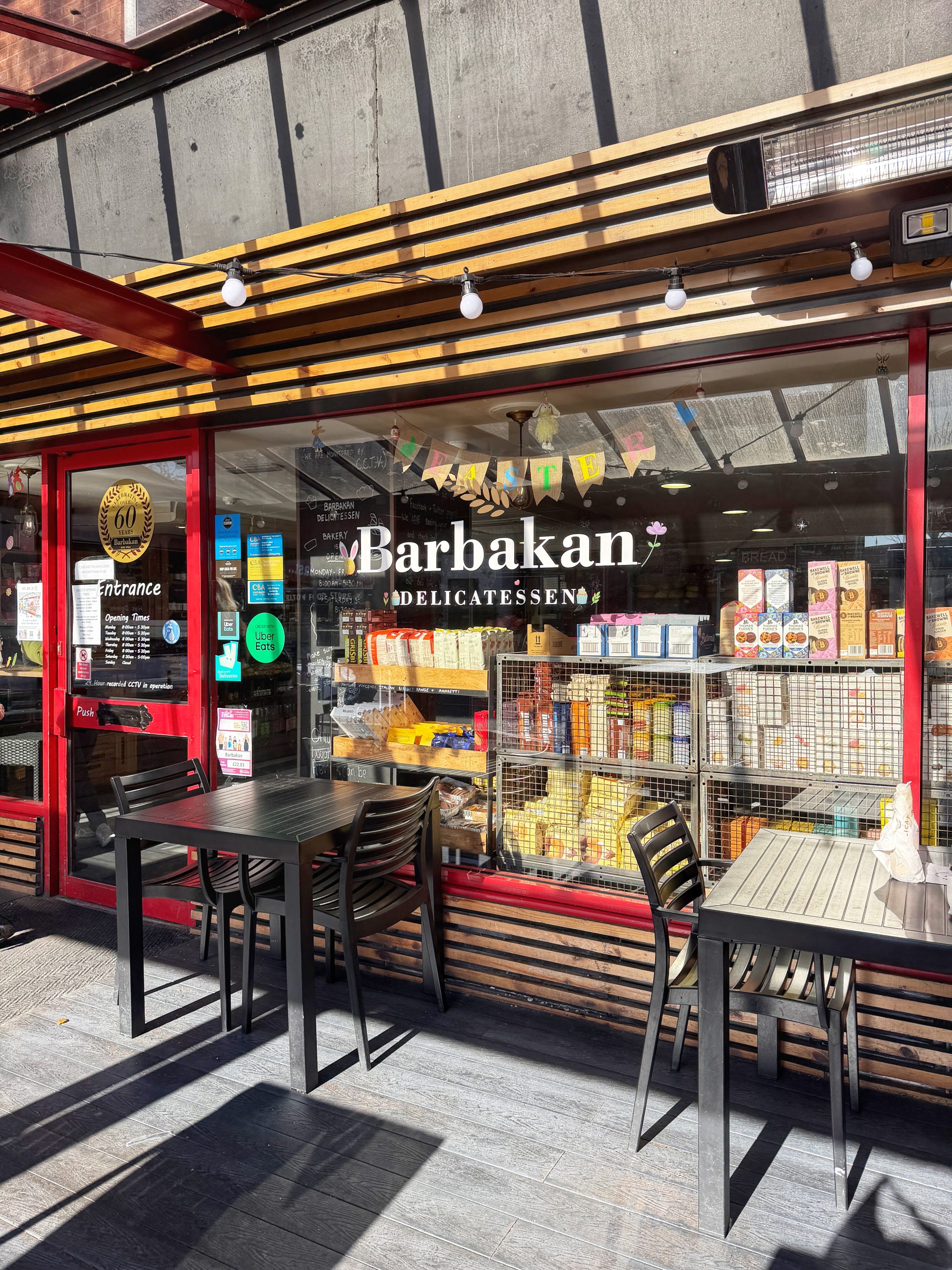
Barbakan Deli in Chorlton is basically an institution at this point.
The legendary bakery and delicatessen has been serving the community for 62 years, famed for its freshly-baked loaves of bread, its handmade sandwiches, and its pastries and cakes inspired by bakes from across Europe.
Posting on Instagram last night on Thursday 18 September, Frankie Dyer the director of Barbakan, issued an open letter addressed to Prime Minister Andy Burnham.
Images: The Manc Group
It read: “Dear Mr Burnham, As an independent business owner in the hospitality sector, I am begging you to please read this.
“Really read it. And seriously consider what businesses like mine are telling you before the upcoming Budget.”
It continued: “In just the last two years, we have self-funded new bakery machinery, new catering kitchens, essential repairs and renovations and opened a second retail site, creating another six local jobs. We have won more than ten national awards for the quality of what we do.
“We have invested. We have grown. We have employed more people. We have worked harder than ever. In short, Prime Minister, we are doing everything you keep asking British businesses to do.
“And our bank balance is finished. That is the reality.”
The letter finished by Dyer inviting Andy Burnham to come visit the bakery and pleading for a ‘fighting chance’ to save the business: “We need action. We need meaningful reductions in the tax burden placed on employers.
“We need Employer National Insurance looked at urgently. We need a business-rates system which allows independent high-street businesses to survive. We need VAT reform for hospitality. We need Corporation Tax to reward businesses which reinvest, employ and grow.
“And we need proper grants and incentives that help established independent businesses invest and expand — not schemes with endless criteria which most ordinary businesses can never access. We need you to do something.
“And we need more than one token gesture in the Budget. A band-aid for a bullet wound. So I am asking you, Prime Minister, to come back to Manchester and see it for yourself. Pop an apron on and stand behind our counter.
Images: The Manc Group
“Come into our bakery in the middle of the night and meet the people making Manchester’s bread while most of the city is asleep. Look at our payroll, our energy bills, our rates, our supplier increases.
“Look at what leaves our bank account every single week simply for the privilege of keeping 50 people employed and our doors open. You said you wanted a government that understood the regions. You now have an opportunity to prove it.
“Independent businesses across this country are not asking for a handout. We are asking for a fighting chance. I sincerely hope your next Budget gives us one”.

 Emily Sergeant -
8th March 2022
Emily Sergeant -
8th March 2022