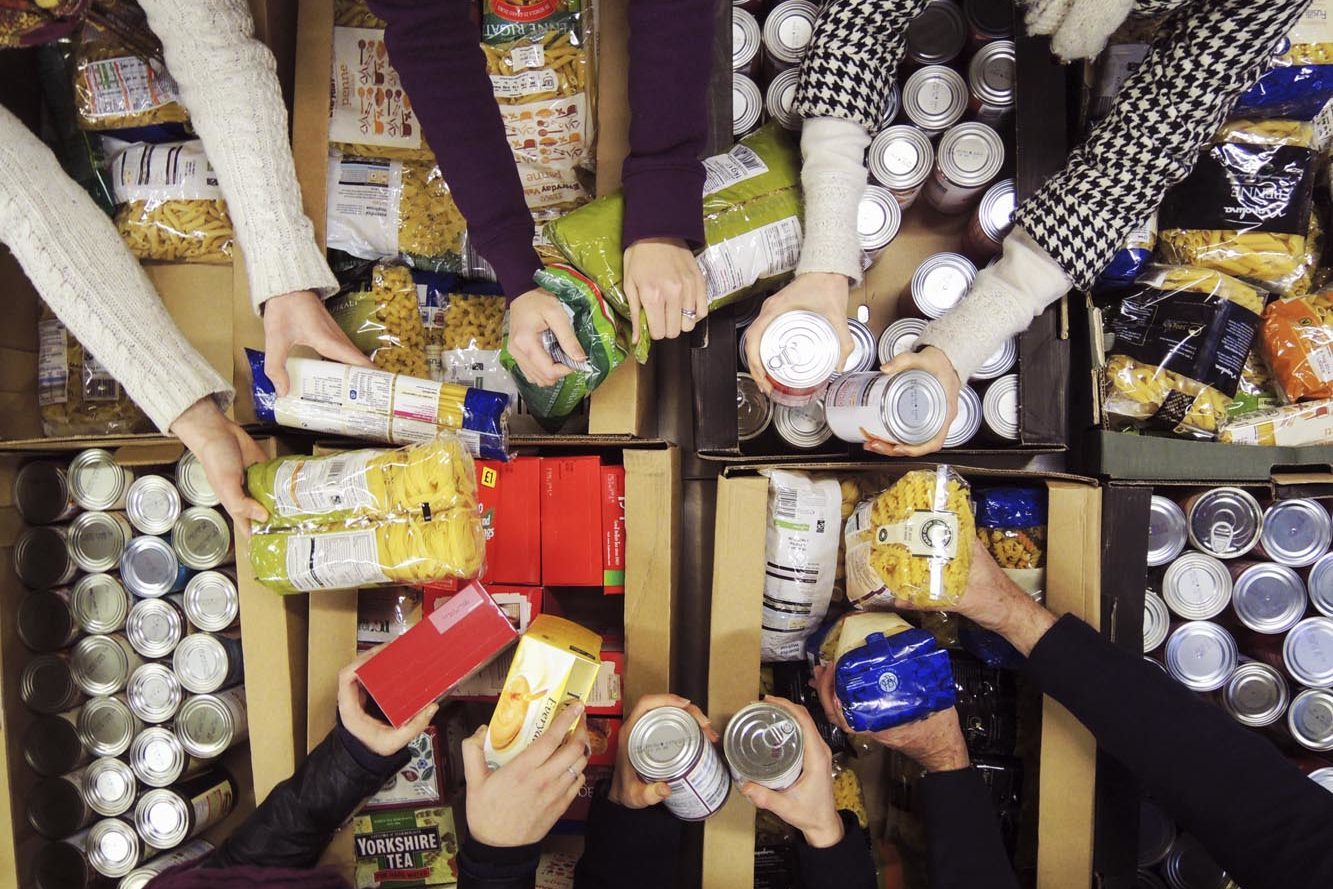
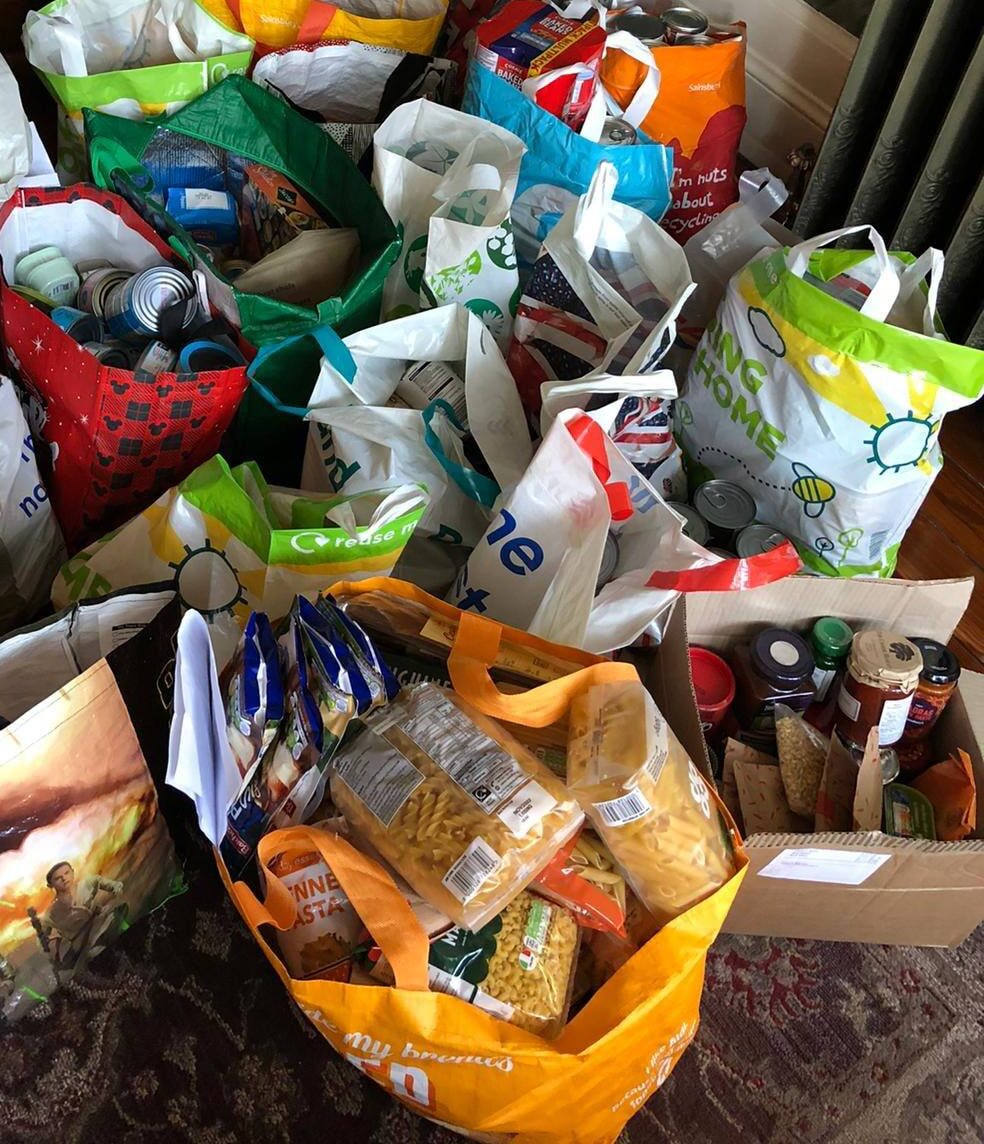
The North West relies on foodbanks more than anywhere else in the UK
Local charities and organisations are now warning that foodbank usage in the region could "spiral out of control" without sufficient government support.
A number of local charities and organisations are warning that foodbank usage in the North West could “spiral out of control” as it’s revealed that the region tops the list for demand.
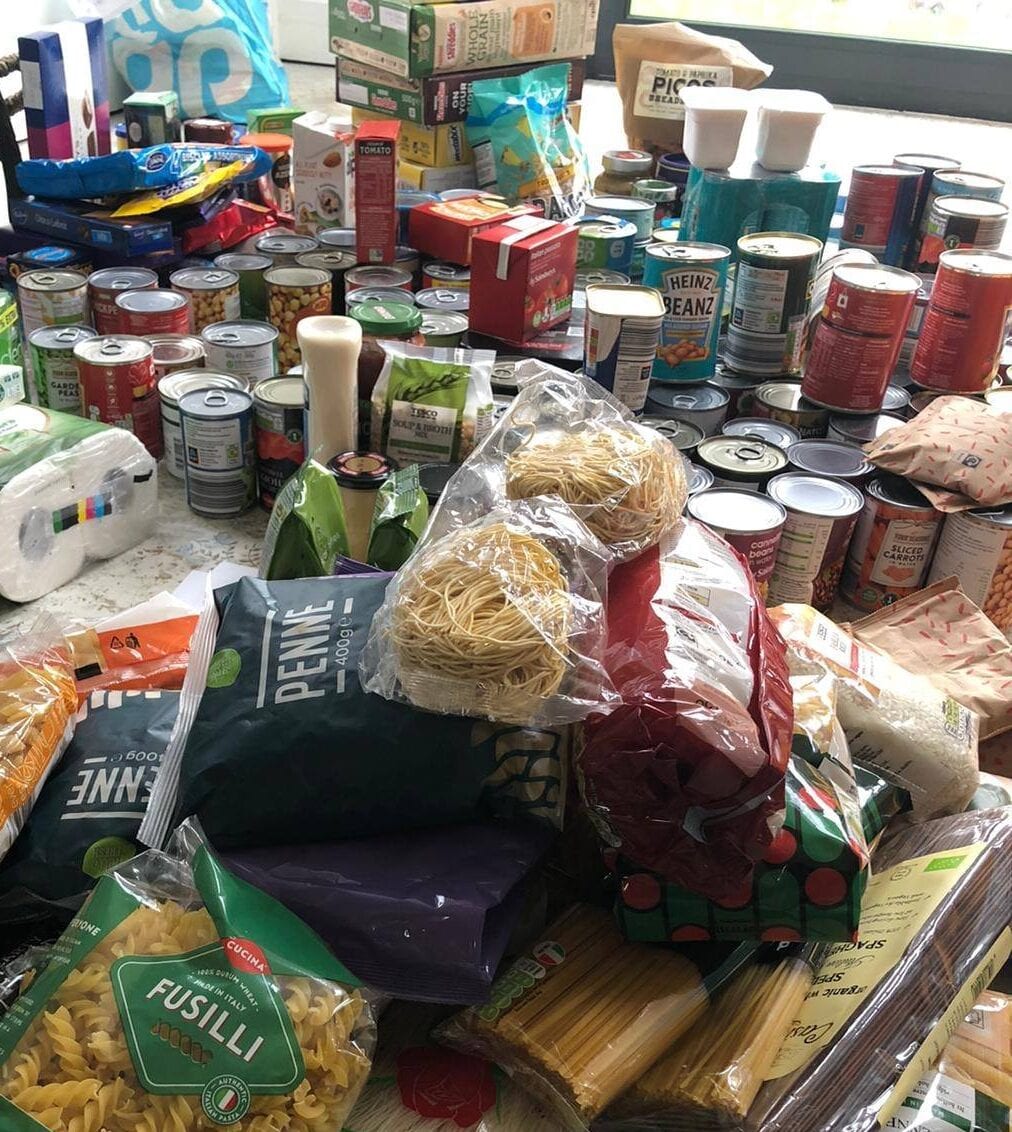
The stark warnings come as the number of families with children needing support from foodbanks continues to rise across the North West – with the region claiming four of the areas with the highest number of children living in poverty – and after statistics released by leading foodbank charity The Trussell Trust revealed that it gave out more food parcels within the region than anywhere else in the UK in 2020.
The warnings also come as predictions claim that more than five million children will be living in deprivation by the end of 2021.
On top of that, according to a report by the Food Foundation, 2.3 million children live in households that have experienced food insecurity in the past sixth months, and 4.7 million adults across the UK now experience food insecurity, which is higher than the levels before the coronavirus (COVID-19) pandemic hit.
Today we launch a report revealing how the pandemic’s effect on household food insecurity remains at crisis levels⚠️
— The Food Foundation (@Food_Foundation) March 1, 2021
As of March 2021, there are currently 105 foodbanks active across the North West.
ADVERTISEMENT
This latter figure does not however include food parcels that are provided by schools, local authorities or other independent providers, which is why more and more Greater Manchester charities and initiatives say they are having to step in to help families in need and are now calling on the government to introduce a National Poverty Strategy to provide support before the situation “spirals out of control”.
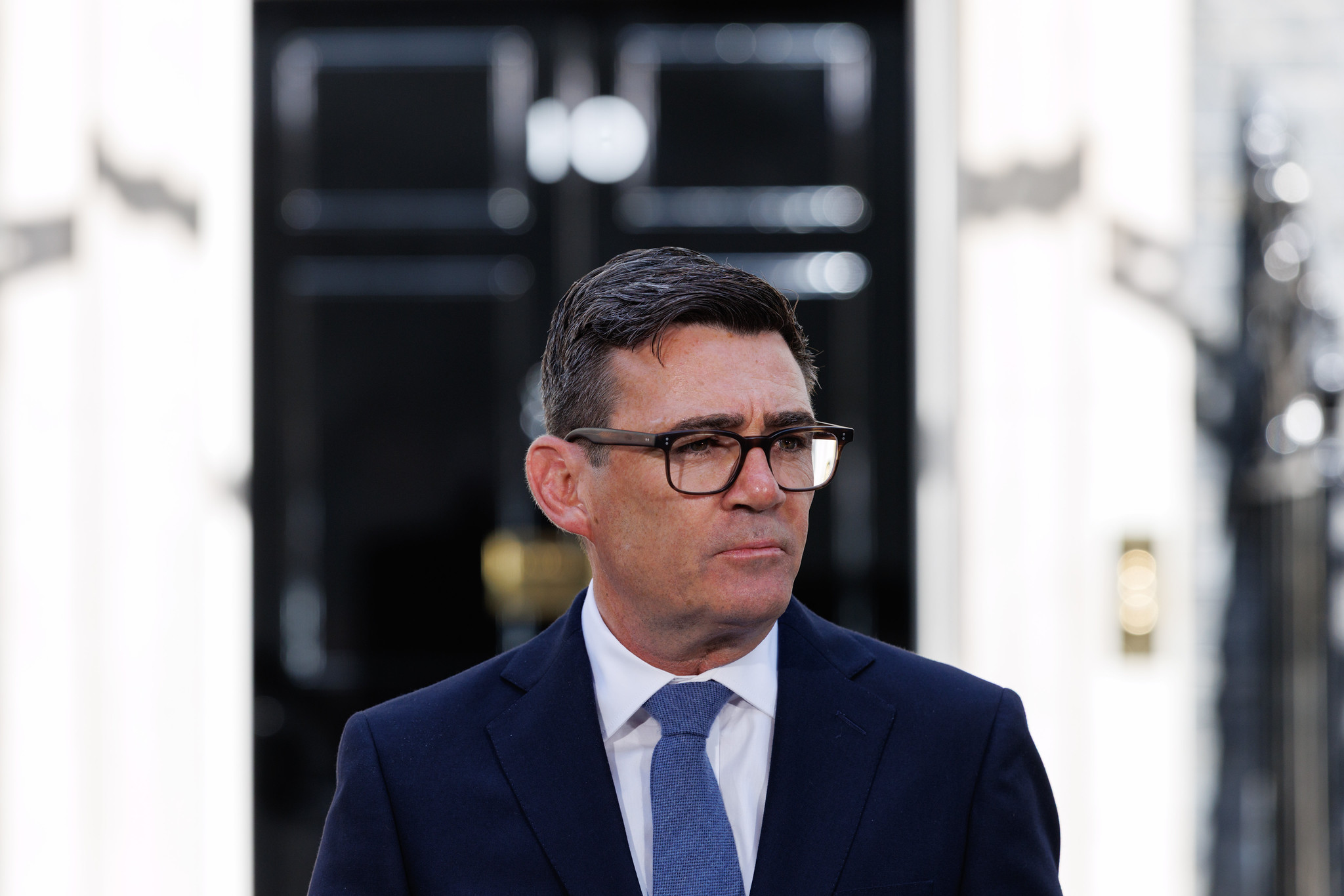
He told ITV Granada: “We urgently need some increases in the support people get through the Benefit System, we’ve got to retain the £20 Universal Credit uplift that was introduced at the start of the pandemic, but that’s just the very first step.
“We need to see increases in Child Benefit and other payments that are targeted at children in families so that all children in this country can live a life that is free from poverty.”
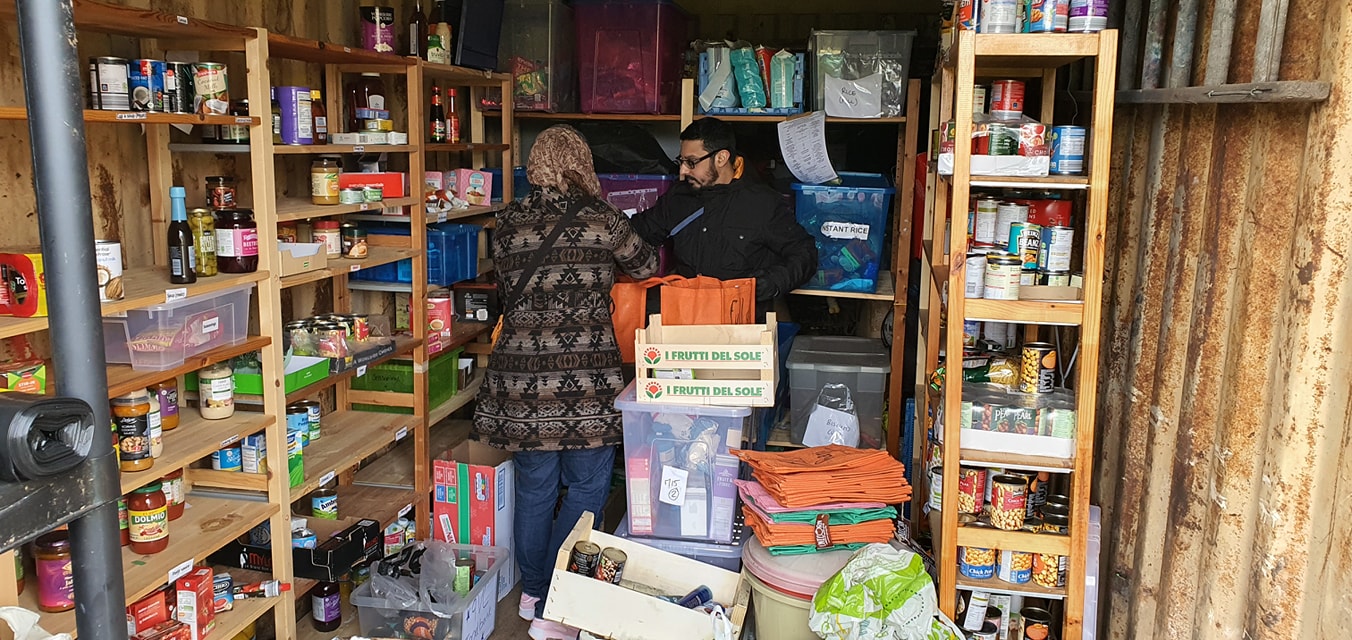
Manzoor Ali – who founded the Chorlton-based foodbank provider Barakah Food Aid over 11 years ago – told ITV Granada of how he has heard tragic stories of young children in the Greater Manchester area having to lick sugar from kitchen tops to stave off hunger.
ADVERTISEMENT
He said: “I could go on for ages, but one that springs to mind is delivering a food parcel and you check in with the kids sometimes ask how are you doing? Is everything ok? And she responded by saying I am really grateful that you came because she saw her younger brother licking sugar off the kitchen tops, it’s stuff like that, I can’t even explain.
“These people in power make out like they care about the country right now the way I look at it, they care more about money than the people.”
Mr Ali’s latter comments particularly hit home when it’s referenced that all the way back in 2001, the then-Labour Government pledged to eradicate child poverty by 2020, but now 20 years later, several charities in the region say things are much worse than they were when the pledge was made.
In response to the rising numbers of families relying on foodbanks across the region and throughout the UK, the government says it has targeted its support to families “most in need” by raising the living wage and boosting welfare support.
It added £23 million has been allocated to North West councils through the COVID Winter Grant Scheme to help pay for food and essential bills.
A government spokesperson said: “We are committed to making sure every child gets the best start in life.
“This is central to our steadfast determination to level up opportunity across the country. That’s why we’ve targeted our support to families most in need by raising the living wage and we have boosted welfare support by billions.
“Additionally, we have launched the COVID Winter Grant Scheme to help children and families stay warm and well fed during the coldest months and £23 million has already been allocated to councils throughout the North West to help pay for food and essential bills.”
___
You can find a list of active foodbanks in the region currently accepting and offering support – as in January 2017 by Greater Manchester Poverty Action (GMPA) – via the Greater Together Manchester website here.
ADVERTISEMENT
Due to the ongoing coronavirus (COVID-19) pandemic GMPA encourages those in need of support to contact food providers direct.
This is regarded as the best way to find out more about the services they are currently offering.
News
Government sets out multi-million-pound plan to move UK away from animal testing in science
Emily Sergeant
A £22m push to ramp up the UK’s move away from animal testing in science is set to bring together cutting-edge tech and research.
The latest figures show there were 2.54 million animal testing procedures in Great Britain in 2025, which is down 3.8% on 2024, but with a further update due to be released later this year, the Government is now moving to ‘capitalise’ on that momentum with funding to shift the nation onto alternative testing options.
A dedicated national research hub and nine new high-tech projects are planned to develop ‘better ways’ to test medicines on human biology rather than animals.
According to the Government, this means treatments for conditions like cancer and inflammatory bowel disease (IBD) could be developed ‘faster’ and ‘more precisely’ to not only help patients but crucially also move science away from traditional animal testing.
At the heart of the plans is a new Pre-clinical Translational Models Hub – based in Cambridge and backed by £20 million in Government funding, which will work to build and share models of human tissue, grown from NHS patients, to test new treatments.
The new hub will accelerate the development of testing on ‘organoids’ – tiny, simplified versions of a human gut, tumour or brain, using cells donated by patients.
From beating heart cells in a dish to AI that can predict how drugs move through the body, exciting alternatives to animal testing are transforming medical research.
We're investing £22m to help scientists develop the next generation of life-saving treatments. pic.twitter.com/1EWRQvwySa
— Dept. for Business, Innovation, Science and Trade (@biztradegovuk) August 12, 2026
Because these ‘organoids’ retain crucial features of a patient’s own biology, they will help researchers learn how a real person may respond to a drug and provide additional insights that can complement information that is currently obtained from animals.
Scientists will then be able to use these cutting-edge techniques in their own labs to work out which medicines are worth pursuing.
Overall, it’s hoped that the move will slash the time it takes to get ‘potentially life-changing’ treatments to market.
Alongside the funding for the new Hub, nine cutting-edge projects aimed at identifying new methods of animal-free scientific testing – from beating heart cells in a dish, to lab-grown human ear models, and AI that predicts how medicines move through the body – are being funded.
Sadly, many of these still rely on testing on dogs and monkeys, as it stands.
“This marks another significant step forward in the UK’s move away from animal testing in science and research,” commented Science Minister Chris McDonald.
“This is all about backing our world-leading researchers and innovators to improve lives, giving them the tools they need to deliver more effective treatments for horrendous diseases like cancer, while also preventing the need for animal testing wherever possible.
“It’s also a boost for our life sciences sector, fuelling opportunities for new investment and new jobs, and ensuring Britain is better off.”
Elbow get behind campaign to save Jodrell Bank from closure
Danny Jones
Manc band Elbow are among the latest to get behind the campaign to save Jodrell Bank Observatory from closing permanently.
The Greater Manchester natives famously played a sold-out gig at the important scientific and cultural landmark for a very special live album recording well over a decade ago, and know all too well the site’s national and, indeed, global heritage.
Choosing the Observatory and the rare chance to perform a show in the shadow of the world-renowned James Lovell Telescope, it probably remains one of their most significant standalone UK date ever.
With that in mind, the local lads have been left just as worried by the news of its impending closure as everyone else, and have therefore issued a fresh appeal to help keep it open.
Posting a timely statement on social media, the group wrote: “Jodrell Bank has long been close to elbow’s heart. In 2012, the band played beneath the Lovell Telescope for one of the most memorable shows in our history.
“The recent news that funding for the e-MERLIN radio telescope network is set to end in 2028 puts the future of the scientific work at Jodrell Bank under serious threat. It is a remarkable place, with an extraordinary history, and one that continues to play an important role in science, culture and education.”
In addition to reliving clips and images from the historic live set all the years later, they also pointed people towards their ‘elbow – Live at Jodrell Bank‘ album documentary, which has now been made available online for the very first time as part of wider efforts to raise awareness around the cause.
Directing people to key online resources shared by the institution and astrophysics centre itself following their unfortunate update late last month, the push to not only find the funding but sustain support for the facility continues to ramp up throughout the world of science, arts and industry.
For anyone who somehow missed the news – 2028 being the current deadline handed down as per budget cuts across the sector – concerned parties here in the North West and all over the country have since started petitioning to save Jodrell Bank Observatory from shutting down for good.
In addition to being described as a “huge blow” to the field by the Royal Astronomical Society (RAS), some have even gone so far as to describe the decision as a form of “vandalism” when it comes to research and British culture as a whole.
Having also served as the host venue for the annual bluedot Festival since 2016, the multi-genre science and arts celebration could soon be forced to find a new home.
The battle is far from over yet, and the community has time to rescue Jodrell Bank Observatory from its fate, but it will take lots of money and more notable public figures to make it happen.
Once again, you can do your bit by signing the petition mentioned above right HERE.