Prisoners convicted of theft, burglary or robbery will be fitted with GPS tags upon their release as new laws are introduced in Britain.
Inmates serving sentences of one year or more will be fitted with a device when they re-enter society – which will monitor their whereabouts 24 hours a day for up to 12 months.
The Government says the tagging scheme was being introduced to combat high reoffending rates among thieves and burglars.
Over half of culprits who convict these types of offences reoffend within a year – and almost 80% of cases result in no suspect being identified.
The technology will see police work with HM Prison and Probation Service staff to investigate whether those on the tags have been in the vicinity of recent burglaries, thefts and robberies.
ADVERTISEMENT
Minister for Crime and Policing Kit Malthouse said: “Being burgled or robbed is devastating and I understand how frustrating it is when the perpetrators can’t be caught, both for the public and the police.
“Tagging these prolific offenders so we know where they are 24 hours a day should be powerful persuasion to change their ways and will help police find and charge them if they don’t.
ADVERTISEMENT
“It’s another tool helping probation staff to cut crime and keep the public safe.”
National Police Chief’s Council Electronic Monitoring Lead, Deputy Chief Constable Jon Stratford added: “Tagging prolific offenders provides a strong deterrent and means officers will be able to quickly arrest and gather evidence against anyone suspected of being involved in a robbery, burglary or other theft.”
According to Government sources, theft, burglary and robber place a “£4.8 billion burden” on the taxpayer every year.
ADVERTISEMENT
The new GPS tag scheme will initially launch on April 12 in nearby region Cheshire, as well as Avon and Somerset, Gloucestershire, Gwent, Humberside and West Midlands.
The scheme will then be rolled out to a further 13 areas in September.
It is estimated 250 offenders will be tagged in the first six months.
News
Major pop star crowns humble rice and three cafe as ‘Jewel of Manchester’ ahead of sold-out gig
Thomas Melia
A beloved city centre takeaway has been given the title of ‘Jewel of Manchester’ by chart-topping UK singer Sam Smith.
Known for hits like ‘Stay With Me’, ‘I’m Not The Only One’ and more recently ‘Unholy’, UK pop-ballad act Sam Smith also likes to drop a food review every once in a while.
Currently on the road with a run of shows in Manchester and London for their ‘To Be Free’ live shows, Sam Smith is stopping off at some of our city’s much-loved spots.
On their food-reviewing account titled ‘Sam Served’, where they adopt the aptly-fitting nickname ‘Ham Smith’, Sam has visited restaurants across the globe – and most recently turned their attention to Manchester’s own This & That.
Smith decided to pop in and grab a cheeky rice and three from long-standing backstreet food business This & That, and it certainly went down a treat.
After sampling their amazing selection of meat, vegetable and vegan curries, the musician crowned this family-run Indian takeaway a ‘Jewel of Manchester’.
The hitmaker described this Northern Quarter Indian eatery as ‘Everything food should be’ and definitely enjoyed all the curries on offer ‘leaving belly and heart full’.
This & That prides itself on affordable and comforting food with its ‘Rice and Three Curries’ starting from just £6 – not bad for a city centre foodie spot.
Sam has racked up an impressive 490k followers via their ‘Sam Served’ profile, with famous faces like Lily Allen, Denise Welch and CMAT all wanting to know the superstar’s foodie thoughts.
After enjoying a curry or three, Sam Smith also made sure to feed their soul to by venturing down to Afflecks and getting lost in the music at Mars Tapes.
Recognised as one of the UK’s only cassette and tape shops, Mars Tapes lets you flick through their crates of physical media and even preview tracks before you buy with its dedicated listening areas.
It’s safe to say that Smith has ‘Latched’ onto Manchester’s independent business scene and we’re here for it.
The London-born artist has just released their latest album Hazel Eyes and is currently amid a UK residency tour with two dates in Manchester’s Albert Hall and eight shows set for London Coliseum.
24-hour bus services are now running across all Greater Manchester boroughs
Emily Sergeant
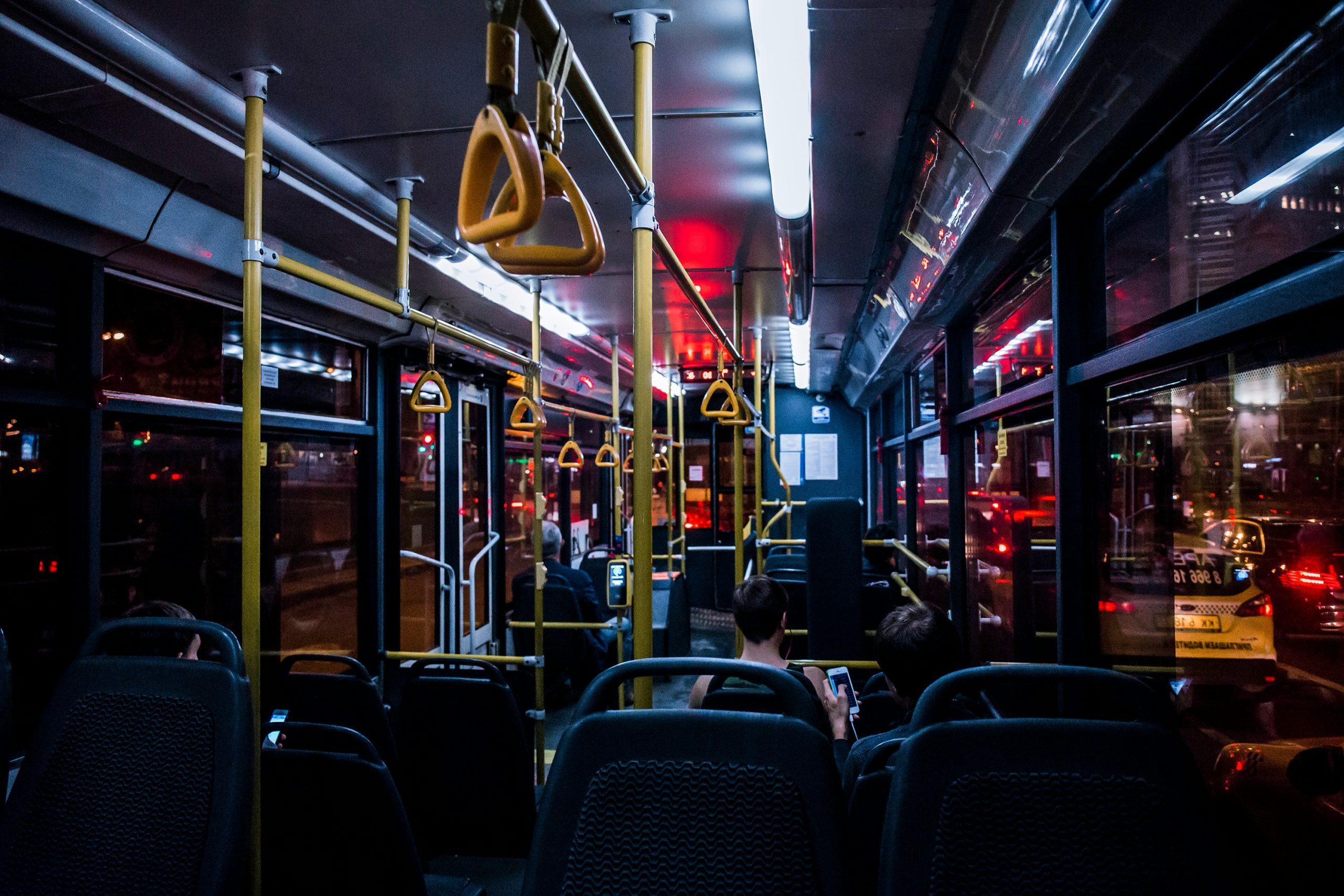
24-hour bus services are now running across all boroughs in Greater Manchester.
You may remember that back in March, it was announced that every borough of Greater Manchester was set to get a night bus service in what is hoped to be a ‘boost’ to the night-time economy… and now it’s official, Transport for Greater Manchester (TfGM) has launched those 24-hour buses this month, along with a series of other measures.
Oldham, Stockport, Tameside, and Trafford now join the rest of Greater Manchester in having 24-hour bus services, meaning every part of the region will have a night bus operating Thursday through to Sunday.
It’s expected that these new services will help around 625,400 people working in the night-time economy across Greater Manchester, as well as those out enjoying the region’s nightlife, TfGM has said.
The routes which will run around the clock from Thursday until Sunday are:
50 (Salford – Manchester)
216 (Tameside – Manchester)
263 (Trafford – Manchester)
192 (Stockport – Manchester)
83 (Oldham – Manchester)
All Greater Manchester boroughs now have 24-hour bus services / Credit: TfGM
They launch alongside the most significant service changes to the Bee Network since the completion of bus franchising last year – including other new bus routes, and more frequent services across Greater Manchester.
“We want everyone to be able to enjoy everything Greater Manchester offers, without the worry of how to get there and get home,” commented Greater Manchester Mayor, Bev Craig.
“By growing the Bee Network, we’re making it easier than ever for people to use the bus, day and night.
“Our night buses are already providing a lifeline to some of the hundreds of thousands of people who are growing our night-time economy and working in essential public services.”
“Whether people are heading home from a night at the theatre or starting the early shift at a hospital, they can now get on board the night bus as a safe and affordable way to travel.”
Further improvements will delivered from January 2027, and a full breakdown by borough can be found on the Bee Network website here.

 The Manc -
17th March 2021
The Manc -
17th March 2021