The government’s new plan for the removal of unsafe cladding has left residents saying they feel ‘betrayed’.
Housing Secretary Robert Jenrick announced £3.5bn of extra funding in the House of Commons on Wednesday (February 10), calling it the “largest ever government investment in building safety”.
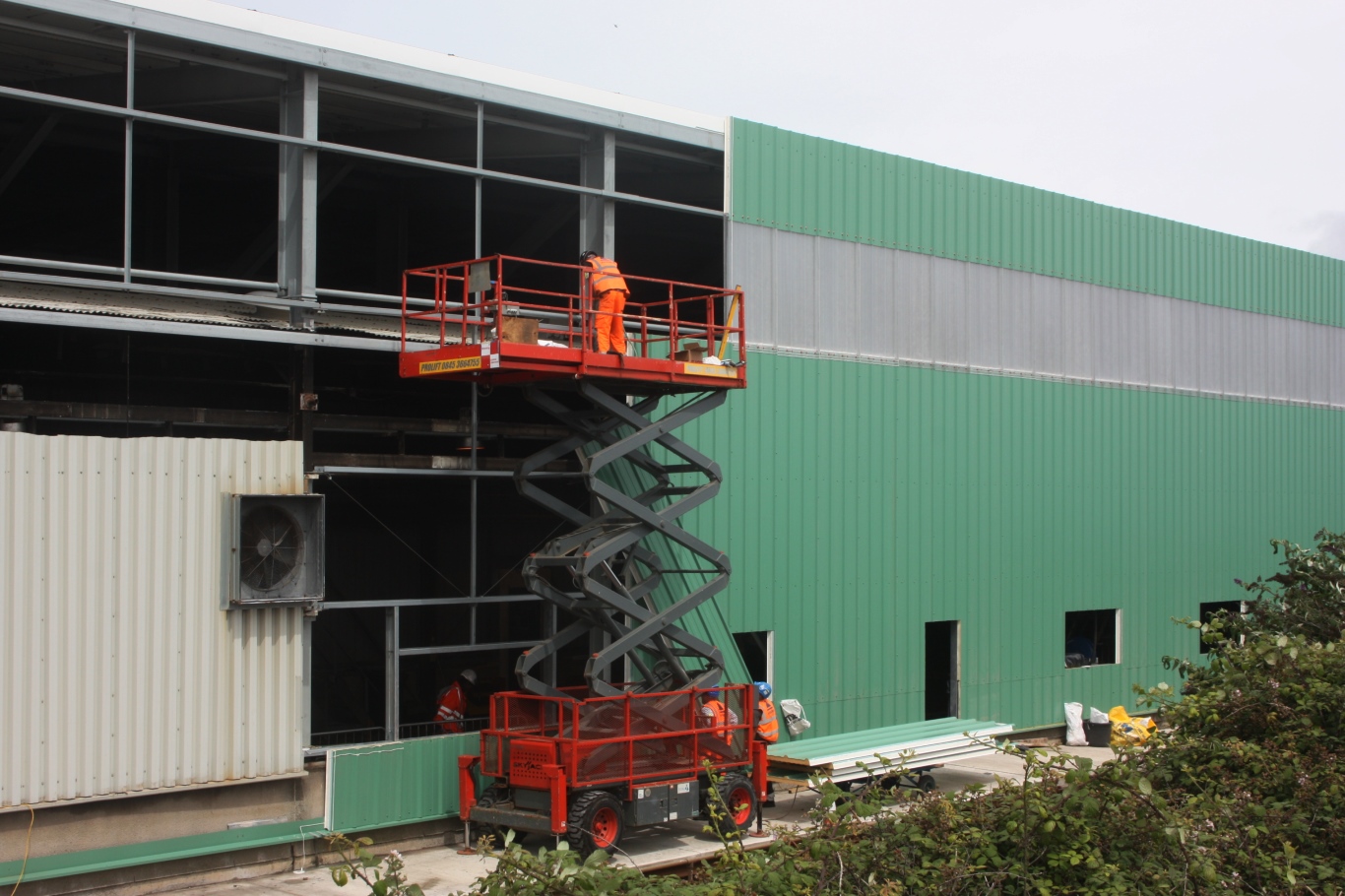
The minister said that grants will be available to people living in high-rises in England over 18 metres tall, or above six storeys. Loans will also be offered to leaseholders in shorter buildings.
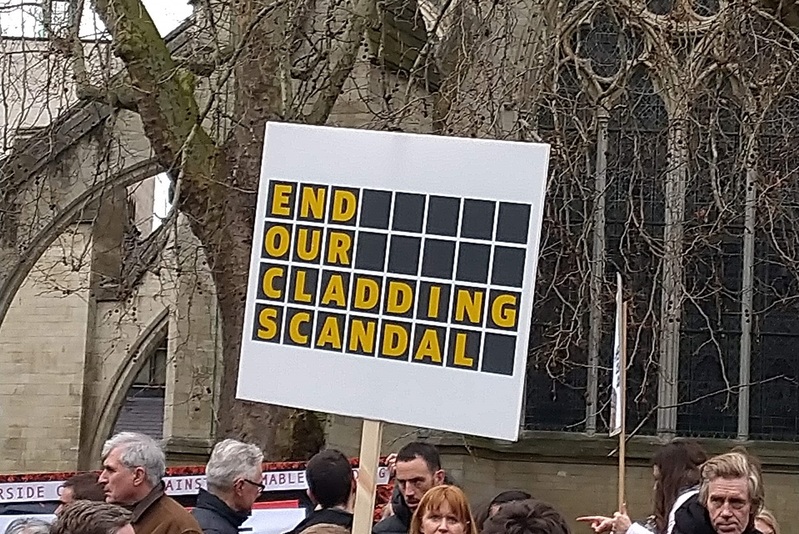
But the End Our Cladding Scandal campaign, which represents residents of flats with unfit cladding, said the government had broken its promise.
“We were hoping for a solution to stop the sleepless nights and for millions living in buildings less than 18m there has been none,” the organisation stated.
ADVERTISEMENT
“Many people living in buildings under 18m will still have to bear the cost – for many above £30,000 – saddled with debt around their necks for thirty years.
“Where is the money for missing fire breaks, alarms or for cladding on buildings under 18m? Leaseholders are the victims of this crisis and have done nothing wrong to deserve this.”
ADVERTISEMENT
Mayor of Greater Manchester Andy Burnham also criticised the funding plan, claiming the campaign for a solution to the crisis “will go on.”
The Mayor asked: “How on earth can the Government justify this unfair and divisive move?”.
“The Cube in Bolton was below 18m but it burnt as quickly as Grenfell. 1000s of people in Greater Manchester will now face a choice of unaffordable loans or living with unsafe cladding.”
ADVERTISEMENT
How on earth can the Government justify this unfair and divisive move?
The Cube in Bolton was below 18m but it burnt as quickly as Grenfell.
1000s of people in Greater Manchester will now face a choice of unaffordable loans or living with unsafe cladding.
New safety legislation was introduced in the wake of the 2017 Grenfell fire – which killed 72 people – to remove all combustible cladding on tower blocks nationwide.
But flat owners have been charged for the necessary safety repairs to their buildings – leaving thousands of people with “life-changing” bills.
According to Inside Housing, one in six leaseholders involved in the cladding crisis are actively exploring bankruptcy options, with 62% facing costs greater than £30k.
In September, survivors of Grenfell campaigned for the government to do more on cladding – warning them the crisis “could happen again at any time“.
The government announced a £1.6bn building safety fund last year which failed to cover the total cost of repairs – with 700,000 people left living in debt in dangerous high rises.
ADVERTISEMENT
Last week it was revealed that Greater Manchester Combined Authority (GMCA) would take charge of distributing a £30 million Waking Watch relief fund – covering the installation of fire alarm systems – to local leaseholders.
But for some residents the fund “came too late”, with many having already paid thousands of pounds for Waking Watch measures (which involve security guards patrolling buildings with air horns).
Leaseholders living at Albion Works building in Ancoats reportedly had to pay £400k for seven months of Waking Watch measures, before having a new fire alarm added which was then deemed unsuitable – leading to the reintroduction of Waking Watch patrols in February.
News
Trafford Centre begins months-long refurb of its iconic The Orient foodhall
Emily Sergeant
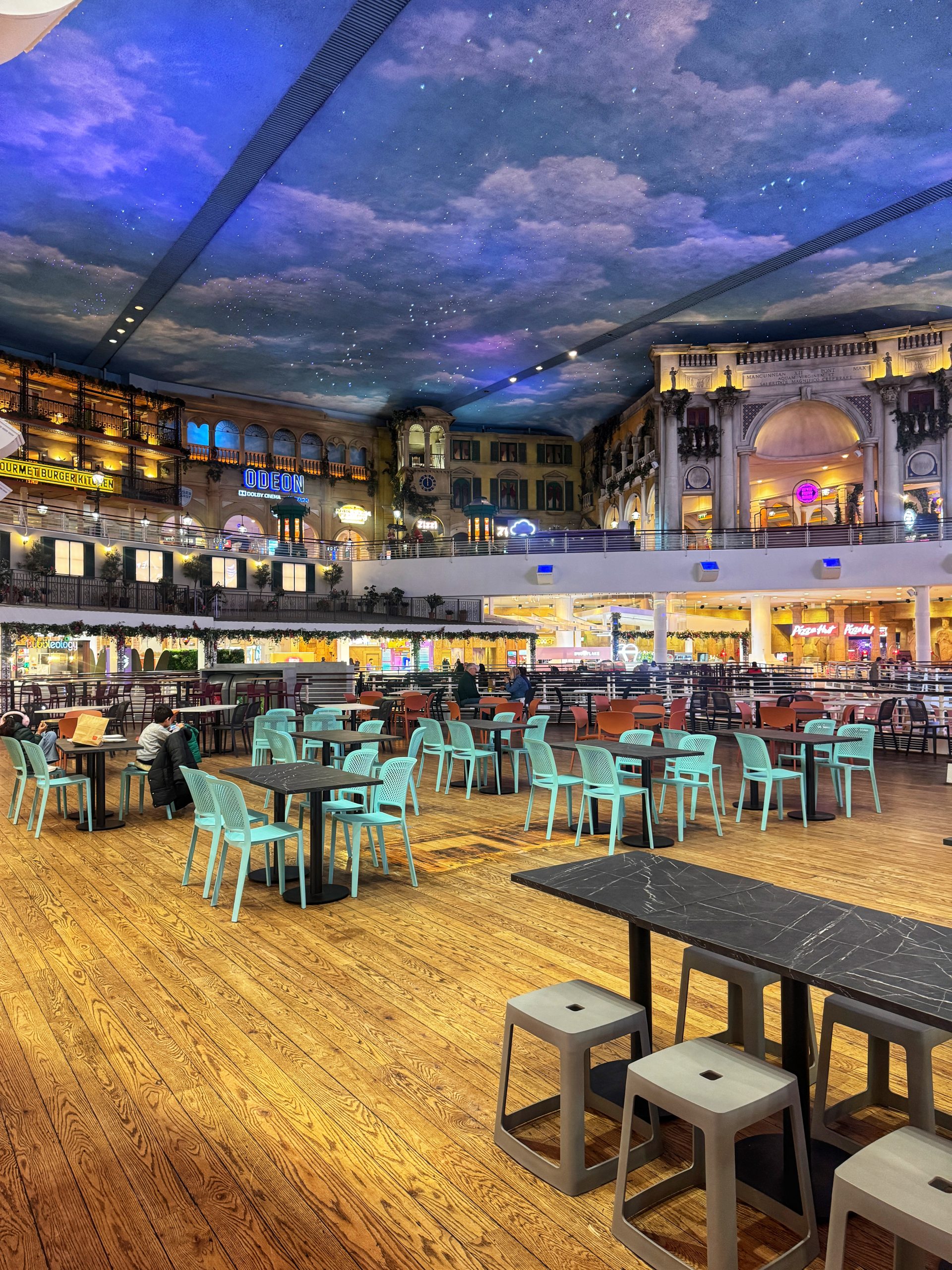
A new era for The Orient is on the horizon, as the Trafford Centre has begun its months-long refresh of its iconic foodhall.
Forming part of its ongoing commitment to ‘enhancing the visitor experience’, the Trafford Centre is investing in a major refresh of seating and customer facilities within The Orient – creating a more vibrant and welcoming environment for guests to eat, meet and relax.
Works are now underway and will be delivered in phases over the coming months.
Improvements are being carried out in phases to minimise disruption to shoppers, while creating a more comfortable and contemporary dining environment at the same time.
The refreshed area will increase seating capacity by more than 60%, introducing a range of new seating styles in the process – including banquettes, family-friendly tables, accessible seating for guests with mobility requirements, and dedicated areas equipped with phone and laptop charging facilities.
The Trafford Centre begins months-long refurb of its iconic The Orient foodhall / Credit: The Manc Group
Inspired by The Orient’s longstanding maritime heritage, the design takes cues from a contemporary cruise liner, and the space will also feature upgraded furniture and enhanced lighting, alongside flexible areas designed to encourage visitors to spend more time in there.
There’ll also be modern furnishings and a ‘refreshed’ colour palette to create a brighter and welcoming environment.
“The Orient is one of the most popular destinations within Trafford Centre, welcoming millions of visitors each year,” a Trafford Centre spokesperson said on the refurb.
“This investment reflects our commitment to continually improving the experience for our guests, creating a more modern, comfortable and social environment where visitors can meet, dine and spend time together.
“The improvements will not only significantly increase seating capacity but also deliver a much more flexible and accessible space for all visitors to enjoy.”
Featured Image – The Manc Group
News
Uber has officially started trialling driverless taxis in Manchester
Emily Sergeant
It’s official… driverless taxis have hit the streets of Manchester.
As the leading transportation company looks to bring robotaxis to other major cities around the UK, it has been confirmed that a trial of autonomous vehicles is now underway in Manchester – with the services being operated using the technology of Uber’s partner firms, Pony and Verne.
Uber said it was ‘excited’ to take this first step toward ‘making this technology accessible’ to people across the UK.
The three companies first collaborated on the deployment of a commercial robotaxi service back in March of this year, combining Pony.ai’s autonomous driving system, Uber’s global mobility platform, and Verne’s service ecosystem and operational framework.
At this time, there has been no official application to launch passenger services in Manchester, according to The Guardian.
However, posts on various social media platforms – such as X, LinkedIn, and Instagram – by each of the companies this week have confirmed that trials are underway in the city.
“New technologies play an increasingly important role in the growth of our city region,” TfGM said. “But they need to be introduced responsibly, safely and with real thought about what it means for our residents.
“Safety will always be our top priority, and we will need strong assurances that no vehicles will operate on our roads that pose any risk to residents.”
Manchester, we’re on our way! Today, we’re announcing that we’re partnering with @Verne_robotaxi and @PonyAI_tech to pilot autonomous vehicles in Manchester. Building on our service together in Zagreb, Gen-7 Robotaxis are now testing in Manchester.
We’re excited to take this first step toward making this technology accessible to people across the UK. 🇬🇧
“By bringing together Pony.ai’s proven autonomous driving technology, Verne’s operational and market expertise, and Uber’s global platform, we’re taking an important step toward making autonomous ride-hailing available to more riders in more places.”

 The Manc -
10th February 2021
The Manc -
10th February 2021