Two pubs ban under 25s for fears that young people are spreading virus
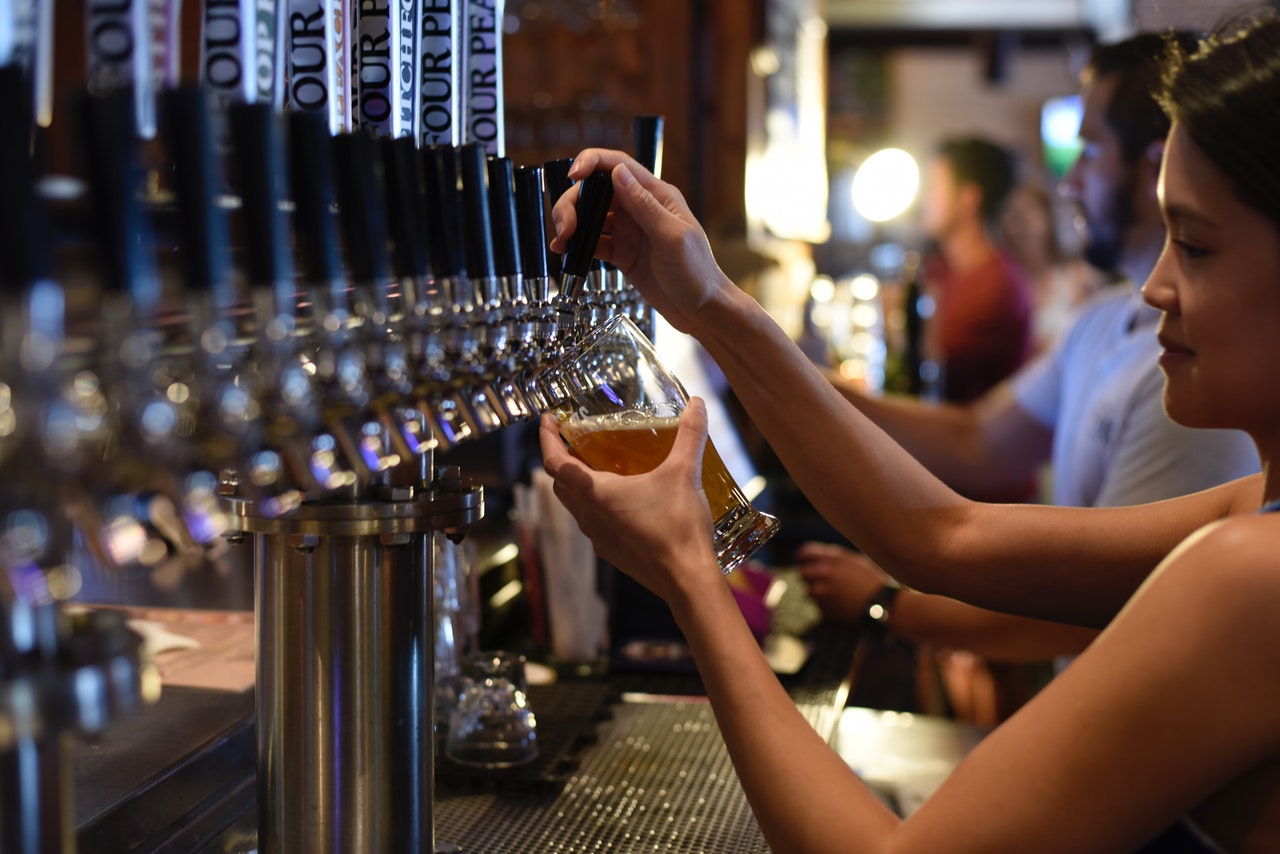
The boozers have taken action following comments from Health Secretary Matt Hancock - who partly blamed recent case surges on "people in their 20s and 30s" going for drinks together.
A pair of northern pubshave banned young patrons due to the government’s suggestion that under 30s are to blame for the country’s increase in coronavirus cases.
The boozers have set a minimum age requirement of 25 after Health Secretary Matt Hancock partly blamed the recent spike on “people in their 20s and 30s” going for drinks together.
Hancock claimed that track and trace data showed the virus was spreading most among this particular demographic.
Now, two pubs in Yorkshire have taken action to refuse access to the younger crowd.
The Oddfellows Arms in Sherburn in Elmet published a post on social media confirming the pub would no longer be “serving anyone in the age bracket 18-25.”
ADVERTISEMENT
The statement has since been removed following a vitriolic response on the web, but the landlady has insisted the pub is just “trying to keep people safe.”
David Sayles, landlord of The Angel Inn in Sheffield, also announced his pub would ban “any under 25s or any children, with immediate effect.”
ADVERTISEMENT
There are concerns that a second wave of the virus may be washing over the UK, with confirmed case rates reaching their highest numbers since May.
Testing centres are struggling to meet demand, and new restrictions on group socialising will enter law next week.
From Monday (14 September), gatherings of more than six people will be illegal in England.
The rule does not apply to schools, workplaces or COVID-secure weddings, funerals and organised team sports.
News
Peter Kay announces four intimate charity shows in Greater Manchester – but only for these postcodes
Emily Sergeant
Peter Kay has just announced four intimate shows to raise money for a very worthy cause… but you can only get tickets if you live in these particular postcodes.
Comedy legend Peter Kay is set to return home to the Bolton Albert Halls for four very special hometown shows in this summer, marking his first performances at the venue more than two decades.
Taking to the very stage where he recorded the UK’s biggest-selling stand-up DVD, it’s set to be a proper nostalgic homecoming for one of Britain’s most beloved comedians.
The summer shows – which are taking place from 9 – 11 July 2026, even including a matinee performance – this is a rare chance for local fans to be part of something incredibly special, with all funds raised going to Bolton Hospice.
But, there’s a bit of a catch… you’ll only be able to get tickets if you live in Bolton (and some parts of Bury), as it’s strictly limited to BL postcodes.
Peter Kay Live at the Bolton Albert Halls – 2026 Dates
Thursday 9 July (Evening)
Friday 10 July (Evening)
Saturday 11 July (Matinee)
Saturday 11 July (Evening)
Tickets officially go on sale Friday 24 April at 10am, and you can get your hands on them here.
Featured Image – Supplied
News
Seven in 10 NHS workers think the health service is ‘poorly prepared’ for another pandemic
Emily Sergeant
A new survey has revealed that seven in 10 NHS workers believe the health service is ‘poorly prepared’ for another pandemic if one should arise.
After the recent meningitis B outbreak in Kent last month raised the conversation of mass contagion once again, of course following the COVID-19 pandemic, a new YouGov survey of more than 1,000 NHS workers has now uncovered how well prepared staff in the health service think it is for another global pandemic.
The results show that 69% of staff surveyed think the health service is ‘poorly prepared’ for another pandemic, and to make matters worse, 26% of those even say it’s ‘very poorly’ prepared.
Only one in five (22%) think the NHS is could properly handle another pandemic, but statistically, YouGov claims none of those surveyed said it’s ‘very well’ prepared.
Seven in 10 NHS workers think the health service is ‘poorly prepared’ for another pandemic / Credit: Pxhere | Rawpixel
When workers were asked how the NHS’s level of preparedness now compares to prior to the COVID-19 pandemic, 41% did concede that they think it is better prepared now than 2020, however 37% admitted they think it’s no better prepared.
16% actively think it’s less well-prepared now than it was prior to 2020.
This marked a new era of ‘transparency’ and ‘accountability’ in the NHS, with the league tables delivering on the Government’s promise to drive up standards, tackle variation in care, and ensure people get the high-quality service they rightly expect.
Every trust in England – from urgent and emergency care, through to elective operations and mental health services – will now be ranked quarterly against ‘clear and consistent’ standards.