The UK government’s official legislation to legally enforce the new lockdown restrictions across Greater Manchester and other parts of Northern England comes into force today.
It comes over five days after Health Secretary Matt Hancock made the sudden announcement on the evening of Thursday 30th July that people in certain areas of Northern England – crucially including all 10 boroughs of Greater Manchester – would no long be permitted to congregate privately with others outside their household or support bubble.
This is due to a rise in coronavirus (COVID-19) cases across these regions.
It was confirmed that “the police will be able to take action against those that break these rules, including asking people to disperse and issuing fixed penalty notices”.
ADVERTISEMENT
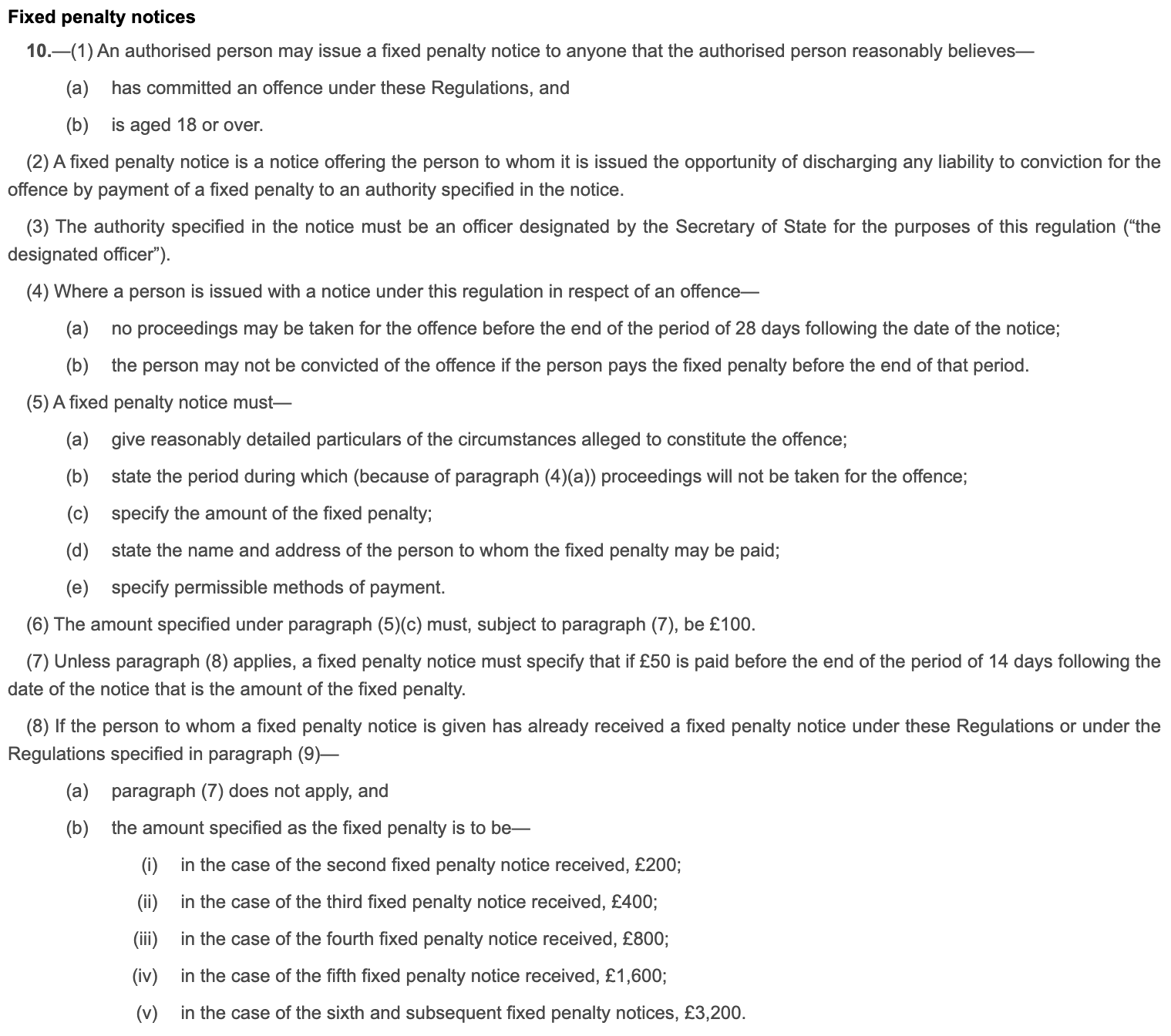
These fixed penalty notices will start at £100 (halving to £50 if paid in the first 14 days) and will double for subsequent offences, meaning that the fines could rise to a total of £3,200 in the the case of the sixth and subsequent fixed penalty notices.
What exactly would see you handed a £100 fine in Greater Manchester under this new legislation though?
ADVERTISEMENT
According to the new guidance and legislation, the government has stated that in order to help prevent the spread of coronavirus, anyone who lives in Greater Manchester “should follow these rules when meeting people who you do not live with”.
You should not:
“Meet people you do not live with inside a private home or garden, except where you have formed a support bubble (or for other limited exemptions to be specified in law).
Visit someone else’s home or garden even if they live outside of the affected areas.
Socialise with people you do not live with in other indoor public venues – such as pubs, restaurants, cafes, shops, places of worship, community centres, leisure and entertainment venues, or visitor attractions. You may attend these venues with people you live with (or are in a support bubble with), but should avoid interaction with others. If you run such a business, you should take steps to ensure people do not interact with people they do not live with, in line with COVID-19 secure guidance.”
As well as inside of a property, gatherings of more two or more different households in private dwellings also includes a garden, yard, passage, stair or outhouse.
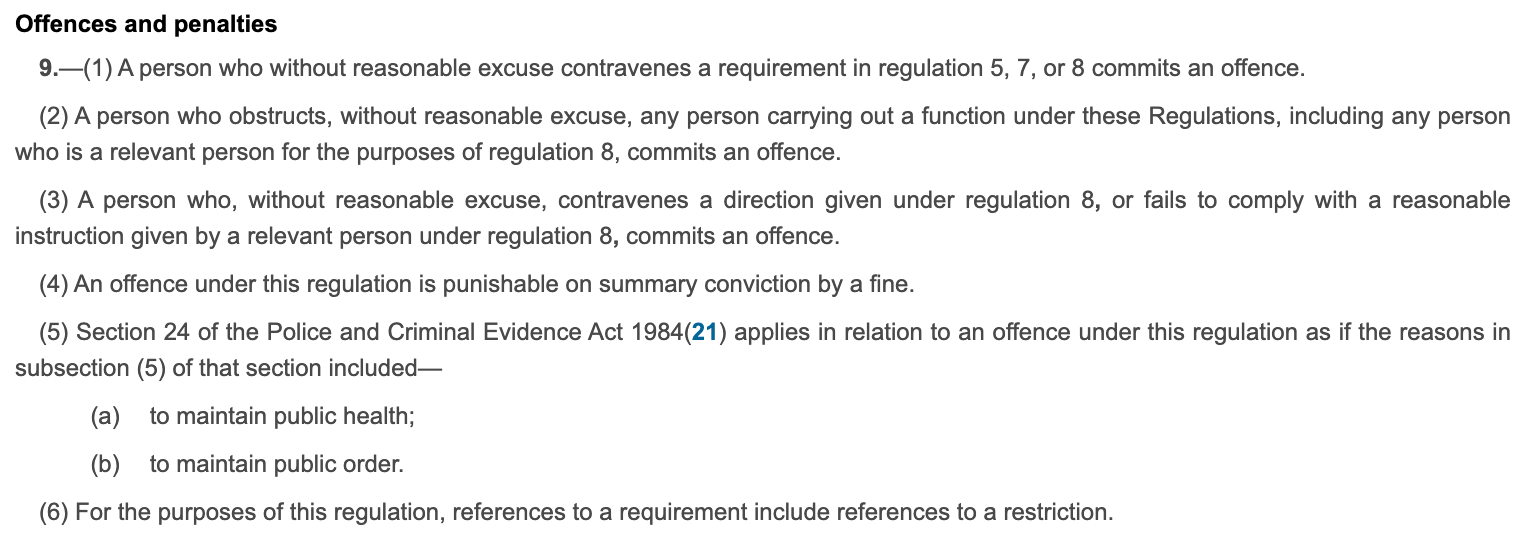
As stated in the legislation, a person in Greater Manchester who goes against the new rules “without a reasonable excuse” is thus committing an offence and therefore can be fined. An authorised person may issue a fixed penalty notice to anyone that the authorised person reasonably believes has committed an offence under these regulations, and is aged 18 or over.
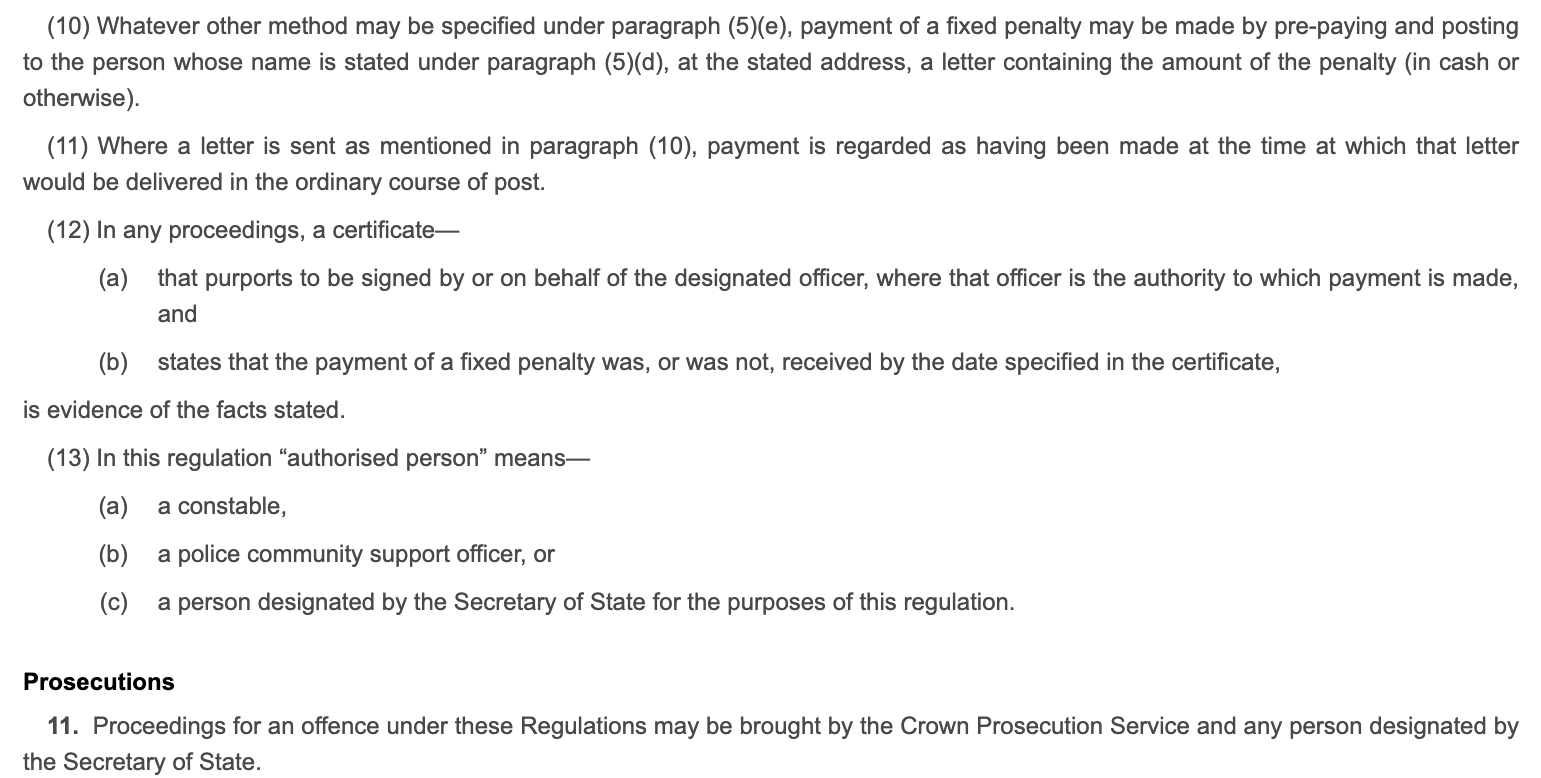
Fines can be handed out by either a police officer, a police community support officer (PCSO), or “a person designated by the Secretary of State for the purposes of this regulation”.
The initial offence fine of £100 is halved to £50 if paid within 14 days of receipt, but failure to pay will see the amount specified as the fixed penalty to be:
£200 – in the case of the second fixed penalty notice received.
£400 – in the case of the third fixed penalty notice received.
£800 – in the case of the fourth fixed penalty notice received.
£1,600 – in the case of the fifth fixed penalty notice received.
£3,200 – in the case of the sixth and subsequent fixed penalty notices.
Proceedings for an offence under this above mentioned regulations may also be brought by the Crown Prosecution Service.
Under the new legislation, the Secretary of State is required to review these restrictions at least once a fortnight, starting on 19th August, but the restrictions can be scrapped “as soon as” the Secretary of State considers they are “no longer necessary” to prevent the spread of the virus, or to protect the public against it.
ADVERTISEMENT
You can read the full legislation document via the legislation.gov.uk website here.
For further information and guidance amid the coronavirus (COVID-19) pandemic, do refer to official sources via gov.uk/coronavirus.
#StaySafeSaveLives
News
Exciting new CGIs released of £500m Therme Manchester wellness resort as construction continues
Emily Sergeant
As construction continues on Manchester’s massive wellness resort, some new CGIs have now been released.
In case you need bringing up to speed, construction of the £500 million Therme Manchester wellness resort officially began last September after several years of planning, and now developers have released some exciting new CGIs – with an update on how construction is going, as a new milestone has been reached this week.
Set to open to the public in 2029, Therme Manchester will become one of the largest urban wellbeing resorts in the world.
Visitors can expect to make the most of a 10 pools – both lagoon and wave pools included – thermal bathing, multi-sensory sauna rituals, steam rooms, 18 water slides, affordably-priced luxury spa therapies, and health and fitness experiences.
Exciting new CGIs released of Therme Manchester have been released / Credit: Supplied
At the heart of Therme Manchester will be three distinct zones, each offering a different way to spend time at the resort.
Play will bring together water-based fun and attractions for families and visitors of all ages, and Restore will focus on thermal bathing and restorative experiences designed to help visitors unwind, while Relax will offer spaces for relaxation and wellbeing.
The latest CGIs showcase the design as it develops – including the resort’s extensive indoor and outdoor spaces, and its 53,000sq ft wellbeing garden.
Construction is still underway on the £500m wellness resort / Credit: Supplied
The plans also feature a new public plaza designed to strengthen connections between the resort and the Bridgewater Canal.
Professor David Russell, CEO of Therme UK, said: “We have taken the opportunity to refine the design, improve how traffic and parking are managed and create a more welcoming environment for everyone arriving at the resort.
“We are creating an even better experience for visitors while supporting more efficient and sustainable operations.”
Therme Manchester was initially touted as a £250m project that would complete in 2025, but it’s now up to £500m and is scheduled to complete it 2029.
It marks one of the most significant building developments to ever take place in the North.
Featured Image – Supplied
News
All students in England to be offered the chance to do a new Ukrainian GCSE
Emily Sergeant
All students in England are soon to be offered the chance to do a new Ukrainian GCSE.
Said to be part of the UK’s ‘enduring support’ for the Ukrainian community and continued commitment to stand with Ukraine and its people, young people in England, Wales, and Northern Ireland will now have the opportunity to study for a new Ukrainian GCSE, the Government has announced.
While the qualification will be open to all students, it marks a ‘particularly significant’ milestone for Ukrainian children and young people living in the UK.
It’s hoped that the introduction of the new GCSE will help Ukrainians to preserve a vital connection to their language, culture, and identity.
It’s also hoped that it’ll open pathways to future education and employment for all pupils.
In line with the other modern foreign language GCSEs that are currently on offer, the qualification will assess listening, speaking, reading, and writing skills, while also recognising the cultural and historical contexts that shape the Ukrainian language.
Examination board AQA will now begin the next phase of development, bringing together language and subject experts to design what will be a ‘high-quality’ qualification reflecting the richness of Ukrainian language and culture.
Education Secretary, Lucy Powell, commented: “As they build their lives here in the UK, it is right that Ukrainians and their children should have every opportunity to maintain that connection to their heritage and to be proud of who they are.
“This new qualification is available to all pupils and will give them the chance to develop their language skills and celebrate Ukraine’s rich culture and history, while also opening pathways to future study and employment and strengthening our partnership with Ukraine.
“Through that enduring partnership, we are building the lasting ties between our countries that will see the young minds of the future move forward together, and foster connections that transcend borders.”
The Ukrainian GCSE is expected to be available for first teaching from September 2028 – with first assessments taking place in 2029.

 The Manc -
5th August 2020