Where can you travel without quarantining upon return? Latest updates here.
The quarantine rules are changing all the time as different countries battle to bring down cases. But the current restrictions in place are listed here.
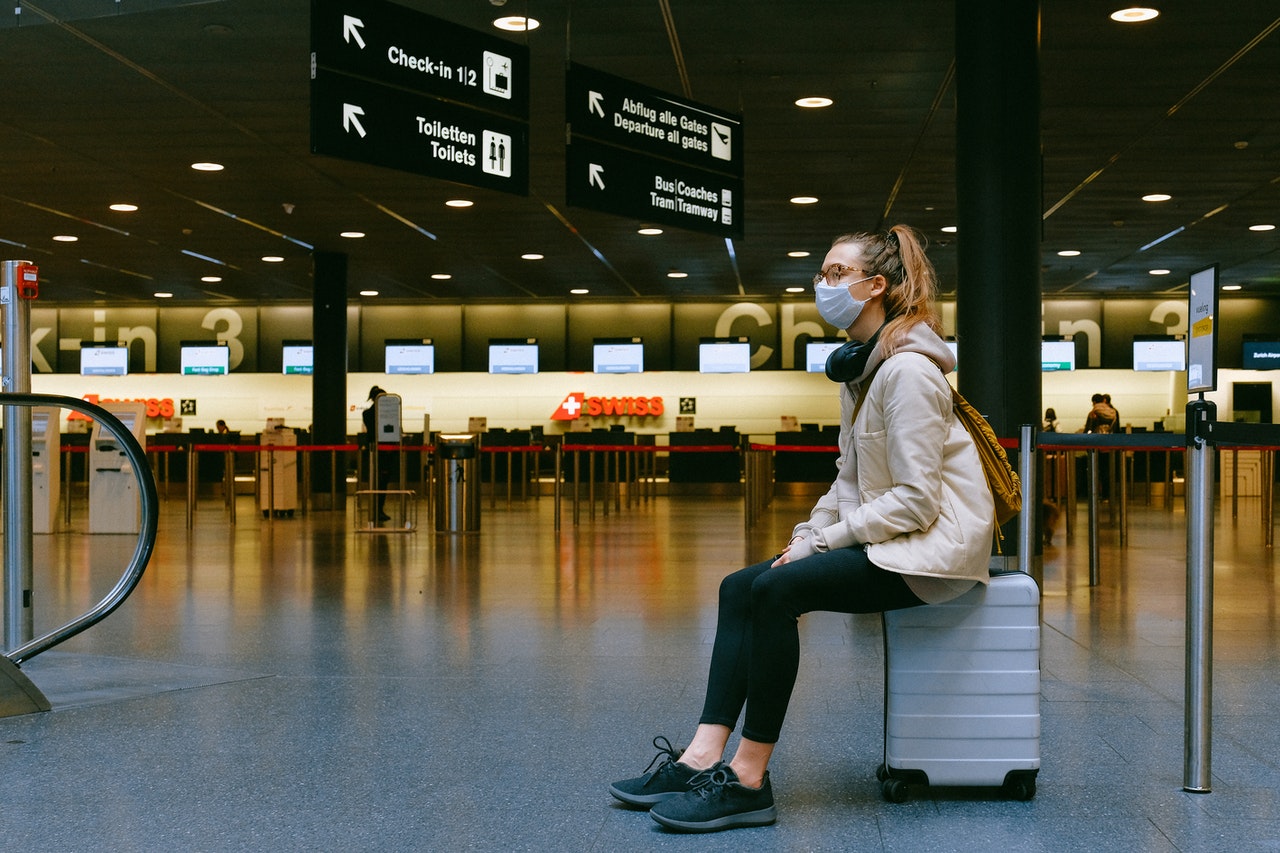
As we head into the final few weeks of summer, people all over the UK are hoping to squeeze in a cheeky summer holiday and travel to a new part of the world before autumn begins.
However, after initially getting cases under control, many nations are experiencing a resurgence of coronavirus – forcing the British government to bring in quarantine restrictions surrounding travel.
Simply put – any passengers arriving from a nation that is not on the UK’s ‘travel corridor’ list will have to isolate for two weeks when they get home.
The quarantine rules are changing all the time as different countries battle to bring down cases. But the current restrictions in place are listed below.
Which countries require a quarantine upon return to the UK?
A number of nations have had to be added to the ‘red’ list in recent weeks due to a rise in coronavirus infection rates.
ADVERTISEMENT
The Government is advising against all but essential travel to these countries.
Passengers touching back down in the UK from nations on the red list must self-isolate for a period of 14 days.
ADVERTISEMENT
Those who do not run the risk of being fined up to £1,000 in England.
Andorra
The Bahamas
Belgium
Canada
Luxembourg
Portugal
Spain
The United States
Anyone returning from most parts of Central and South America will be required to isolate upon arrival in the UK, with several nations in this part of the world closing borders to visitors.
Many countries in Africa, the Middle East and Asia are also on the red list. Exemptions are listed later down the article.
ADVERTISEMENT
Which countries are considered ‘at risk’ of being added to the red list?

Some nations are teetering on the brink of the UK’s red list, with pockets of COVID-19 creeping up over the past few days.
France is currently at risk of having travel quarantine restrictions imposed, and anyone planning to visit should be aware that new rules could be introduced soon.
Croatia, Greece and Norway have also seen a rise in cases.
The nations listed below are currently on the ‘travel corridor’ list, meaning you will not need to self-isolate when you get back to the UK upon your return.
ADVERTISEMENT
However, it is important to note that many of these countries do have restrictions of their own in place – which may require you to self-isolate when you arrive.
Remember to check the Government website for the latest updates before you book and travel.
Antigua and Barbuda
Aruba
Australia
Austria
Barbados
Bonaire, Sint Eustatius and Saba
Curaçao
Cyprus
Czech Republic
Denmark
Dominica
Estonia
Faroe Islands
Fiji
Finland
French Polynesia
Germany
Greece
Greenland
Grenada
Guadeloupe
Hong Kong
Hungary
Iceland
Italy
Jamaica
Japan
Latvia
Liechtenstein
Lithuania
Macau
Malta
Mauritius
Monaco
Netherlands
New Caledonia
New Zealand
Norway
Poland
Réunion
San Marino
Serbia
Seychelles
Slovakia
Slovenia
South Korea
St Barthélemy
St Kitts and Nevis
St Lucia
St Pierre and Miquelon
St Vincent and the Grenadines
Switzerland
Taiwan
Trinidad and Tobago
Turkey
Vatican City
Vietnam
You can also learn more about travelling to different parts of the world – and the restrictions in place for these countries – online.
Visit the Government foreign travel advice page and click on a particular country to find out about the current guidelines and recommendations.
News
Police appeal after Salford woman, 95, threatened by window cleaner in her own home
Emily Sergeant
Police are appealing for information after an elderly woman was threatened inside her own home during an attempted robbery.
Around 11am yesterday morning (27 January), officers from Greater Manchester Police‘s (GMP) Salford division responded to reports that a woman had cash demanded from her at an address on Belcroft Drive in Little Hulton.
It is believed that a man entered the property after offering to clean the woman’s – who police have confirmed is 95-years-old – windows, before tying her hands together, and then demanding her cash and purse.
The man’s efforts were disrupted when another woman who knew the victim arrived at the house, and thankfully because of this, no injuries were reported and the victim is being supported by officers.
The man fled the scene, and no arrests have been made at this time.
This is why police are now appealing to the public for any information that they may have that could help with their investigation while extensive enquires are ongoing – including any CCTV, dashcam, or doorbell footage from around the area at the time.
Investigators attended the scene and gathered evidence, which is currently being assessed and acted upon, but are also keen to speak to anyone who saw anything ‘suspicious’.
The man who committed the offence was described as white male, approximately in his late 60s or early 70s, with short mousy brown hair combed back, no facial hair, glasses, appeared well-kempt, and was wearing a dark raincoat jacket, jeans, and dark-coloured shoes.
“This was a vile incident in which a woman was tied up and threatened, and we are determined to locate the man responsible,” commented Detective Inspector Paul Davies, from GMP’s Salford district.
“Thankfully, this was not a more serious situation and we commend the brave actions of the lady’s friend who confronted the man and called officers. As we progress this investigation, we are appealing for anyone with any information to please come forward.”
Can you help? Anyone with information is asked to contact police via 101 or the Live Chat service at gmp.police.uk, quoting log 1082 of 27/01/26, or alternatively, you can contact Crimestoppers, anonymously, on 0800 555 111.
Featured Image – GMP
News
NHS launches new AI and robot cancer detection pilot offering ‘glimpse into future’
Emily Sergeant
The NHS has launched a ‘trailblazing’ new AI and robot pilot to help spot cancers sooner.
Patients who are facing suspected lung cancer could get answers sooner under the new pilot that makes use of artificial intelligence (AI) and robotic technology to help doctors reach hard-to-detect cancers earlier, and all without with fewer tests too.
At the moment, patients are faced with weeks of repeat scans and procedures to come to a diagnosis.
But this could soon be replaced with a single, half-hour cancer biopsy – reducing prolonged uncertainty, and avoiding more invasive surgery.
According to the NHS, the new approach uses AI software to rapidly analyse lung scans and flag small lumps that are most likely to be cancerous, before a robotic camera is then used to guide biopsy tools through the airways with much greater precision than standard techniques.
A new NHS pilot using AI and robotic technology will help doctors reach hard-to-detect lung cancers earlier.
Weeks of scans and procedures could be replaced with a single biopsy, reducing uncertainty and avoiding more invasive surgery.
The robot can reach nodules as small as 6mm – which is around the size of a grain of rice – that are hidden deep in the lung and are often deemed too risky or difficult to access using existing methods, and once AI has highlighted higher-risk areas, doctors can then take a precise tissue sample, which is sent to specialist laboratories and reviewed by expert cancer teams to confirm or rule out cancer.
The NHS’s top cancer doctor hailed the pilot – which is currently being carried out at Guy’s and St Thomas’ NHS Foundation Trust – as ‘a glimpse of the future of cancer detection’.
“Waiting to find out if you might have cancer is incredibly stressful for patients and their families,” admitted Professor Peter Johnson, who is NHS England’s National Clinical Director for Cancer.
The NHS has launched a new AI and robot cancer detection pilot that’s offering a ‘glimpse into future’ / Credit: rawpixel
“Our lung cancer screening programme means that we are picking up more cancers at an early stage than ever, and by bringing AI and robotics together in this trailblazing NHS pilot, we’re bringing in the very latest technology to give clinicians a clearer look inside the lungs and support faster, more accurate biopsies.
“This is a glimpse of the future of cancer detection.
“Innovation like this is exactly how we can help diagnose more cancers faster, so treatment can be most effective, and why the NHS continues to lead the way in bringing new technology safely into frontline care.”