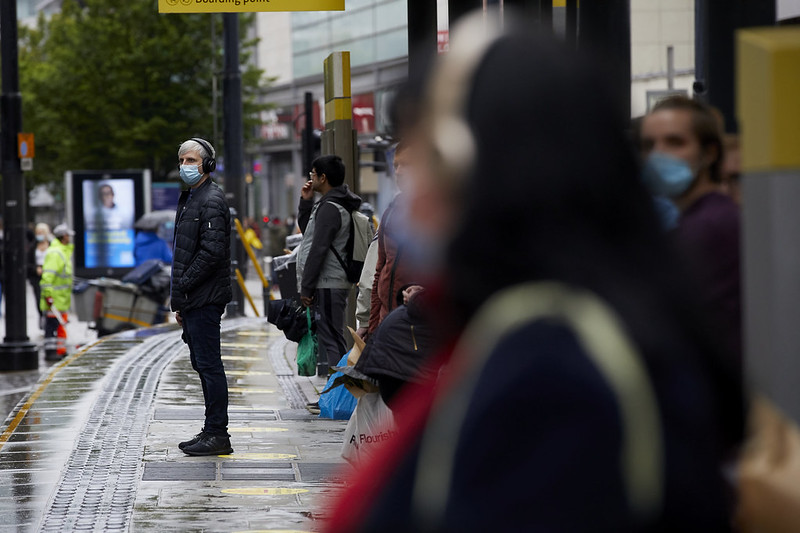
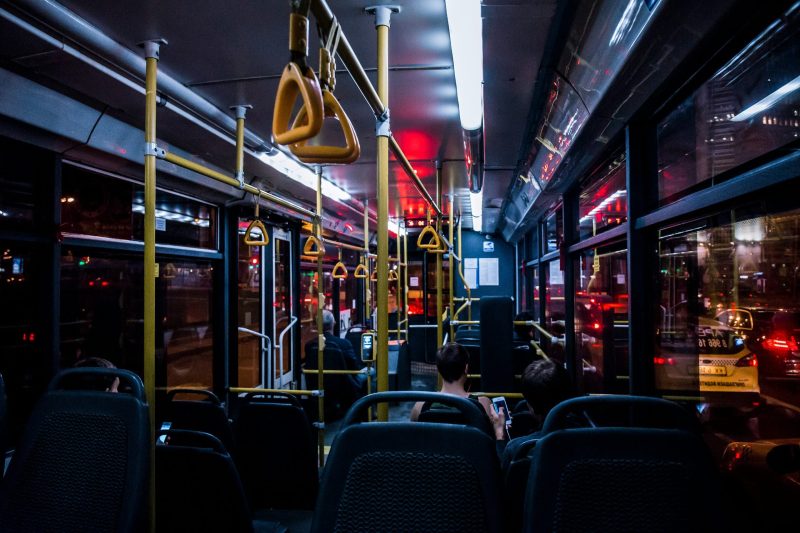
The World Health Organisation (WHO) has claimed that the end of the coronavirus pandemic is now “in sight”.
Since news of the first variant of COVID-19 began emerging at the end of 2019, and the UK was subsequently placed into a nationwide on 23 March 2020, with a turbulent two years to follow and life as we once knew it flipped on its head, the WHO has now revealed that weekly deaths from the virus around the world are at their lowest since the pandemic began
UK infections have also dropped to their lowest level for nearly 11 months.
This had led medical experts at the organisation to claim that “we have never been in a better position to end the pandemic.”
Speaking on the latest figures and what they mean for the future, Dr Tedros Adhanom Ghebreyesus – Director General at the WHO – explained: “We are not there yet, but the end is in sight. A marathon runner does not stop when the finish line comes into view, she runs harder, with all the energy she has left, so must we.
ADVERTISEMENT
“We can see the finish line, we’re in a winning position – but now is the worst time to stop running.”
World Health Organisation says end of COVID-19 pandemic is ‘in sight’ / Credit: Claudio Schwarz (via Unsplash) | Flickr
Continuing with the metaphor, Dr Ghebreyesus said now is the time to “run harder”.
ADVERTISEMENT
He added: “If we don’t take this opportunity now, we run the risk of more variants, more deaths, more disruption and more uncertainty, so let’s seize this opportunity.”
With 12 billion does of COVID-19 vaccines having now been administered, the WHO said in its latest figures that an estimated 19.8 million deaths were prevented in 2021 as a whole thanks to vaccine rollouts nationwide – but it warned that the virus still poses an “acute global emergency”.
ADVERTISEMENT
The WHO pointed to the fact that more than a million people died from COVID-19 during the first eight months of 2022.
WHO created policy briefs on 🔑 elements needed to end the #COVID19 emergency, incl.: 🔸vaccinating highest risk groups 🔸maintaining surveillance 🔸testing & sequencing 🔸clinical care 🔸public health measures 🔸engaging communities 🔸tackling infodemic 📌https://t.co/JCf1bY51yzpic.twitter.com/yLE1K0PD36
Dr Ghebreyesus has called on the world to “end this pandemic together”.
The WHO has announced it is releasing six policy briefs to outline the actions that governments across the world must now take to achieve this.
The policy briefs include guidance on testing, vaccination, best practice for the managing of the disease, maintaining infection control measures in health facilities, preventing the spread of misinformation, and community engagement.
Referees admit Manchester City’s derby-winning goal over Manchester United was a VAR ‘error’
Emily Sergeant
Referees have admitted that Manchester City’s winning goal during yesterday’s Manchester derby was a VAR ‘error’.
In case you didn’t tune into the Manchester derby yesterday – which was held at Manchester United’s home ground, Old Trafford – star striker Erling Haaland’s goal handed Manchester City a 1-0 victory – in the end, even after fellow City player Phil Foden was given a straight red card and sent off in the twenty third minute.
Haaland‘s goal was initially deemed offside on the pitch, before VAR overruled the decision.
New City signing Enzo Fernandez was in an offside position as he attempted to play the ball before Haaland scored.
Fernandez appeared to impact the defending of Manchester United‘s Lisandro Martinez by attempting a diving header, despite not touching the ball.
Erling Haaland has put Manchester City ahead in the derby after a VAR check ⚽️ pic.twitter.com/V0DCwryhFy
Following the full-time whistle, United’s manager Michael Carrick said it was ‘worrying’ that the goal was allowed to stand, claiming that there was no ‘grey area’ when it came to determining whether Fernandez had interfered with play.
“It’s worrying if that’s how the game is seen by those who are officiating it,” he commented.
Pundit and former Manchester United star, Gary Neville, also expressed confusion at the decision, declaring on Sky Sports after the game: “I’m going to need the offside law explaining to me, because that has lost me, I have to say. I do think when they look back on this, they will recognise they got it wrong.”
Neville said he thinks that referee Michael Oliver will be ‘nervous’ about the goal yesterday, as will the rest of the officials.
Pro Ref has admitted an 'error of judgement' in awarding Manchester City's winner at Manchester United in their 1-0 victory at Old Trafford.
Erling Haaland's goal was initially disallowed for offside on the pitch before VAR overturned the decision. pic.twitter.com/ZF76Qwz4Ib
And now, less than 24 hours after the match ended, refereeing body Pro Ref has since made what Sky Sports is calling an ‘unusual intervention by confirming that a review of the goal will take place.
A spokesperson for Pro Ref said in a statement: “It was established that Enzo Fernandez did not play the ball and therefore that makes any offside offence subjective, however, on this occasion, the VAR did not recognise the likely impact of his position and should have recommended an on-field review.
“Contact has been made with Manchester United to acknowledge what we deem is an error of judgement.
Charli XCX announces massive Manchester arena gig as part of long-awaited UK and European tour
Emily Sergeant
Charli XCX has finally given UK fans the news they’ve been waiting for.
After the genre-bending popstar announced back in June a series of US gigs this autumn to support and celebrate the release of her eighth studio albumMusic, Fashion, Film – which was met with critical acclaim following its release in late July – fans in her home country were wondering when she would announce UK dates to accompany these.
The 34-year-old been had hinting at a UK and European leg of the Music, Fashion, Film Tour on social media over the past couple of months, but nothing was set in stone as of yet.
Then last night, Charli took to Twitter to announce that she ‘finally’ had some information coming today (11 September), and then followed it up with a teaser video – sending fans into a frenzy.
And now, it has been announced this morning that Charli XCX will be taking to the Co-op Live stage early next year.
Support on the UK and European leg of the Music, Fashion, Film Tour will come from US popstar Audrey Hobert.
Hobert has been having somewhat of a star-making year herself in 2026 following the release of her own critically acclaimed debut album, Who’s The Clown?, last year – with her streams racking up daily and drawing in massive crowds on the festival circuit this summer.
Charli XCX – Music, Fashion, Film Tour UK & EU Dates 2027
13 February – 3Arena, Dublin
15 February – OVO Hydro, Glasgow
17 February – Co-op Live, Manchester
19 February – The O2, London
22 February – Ziggo Dome, Amsterdam
24 February – Accor Arena, Paris
Upon release back in July, Music, Fashion, Film the album received acclaim from music critics, who praised its lyrical honesty and experimental production, as Charli took a sonic journey away from the undeniable mega hit that was her 2024 album BRAT, and into ‘Rock Music’ territory.
Music, Fashion, Film topped the charts in the UK and Australia, as well as in Belgium, Hungary, and New Zealand, while reaching the top 10 in countless other countries – including the US.
Charli XCX will be bringing the Music, Fashion, Film Tour to Manchester‘s Co-op Live on Wednesday 17 February 2027, and tickets will go on sale next week.

 Emily Sergeant -
15th September 2022
Emily Sergeant -
15th September 2022