News
You can now get a homemade colour changing gin kit
 The Manc -
24th February 2020
The Manc -
24th February 2020 
News
The Manc -
24th February 2020 News
 Emily Sergeant
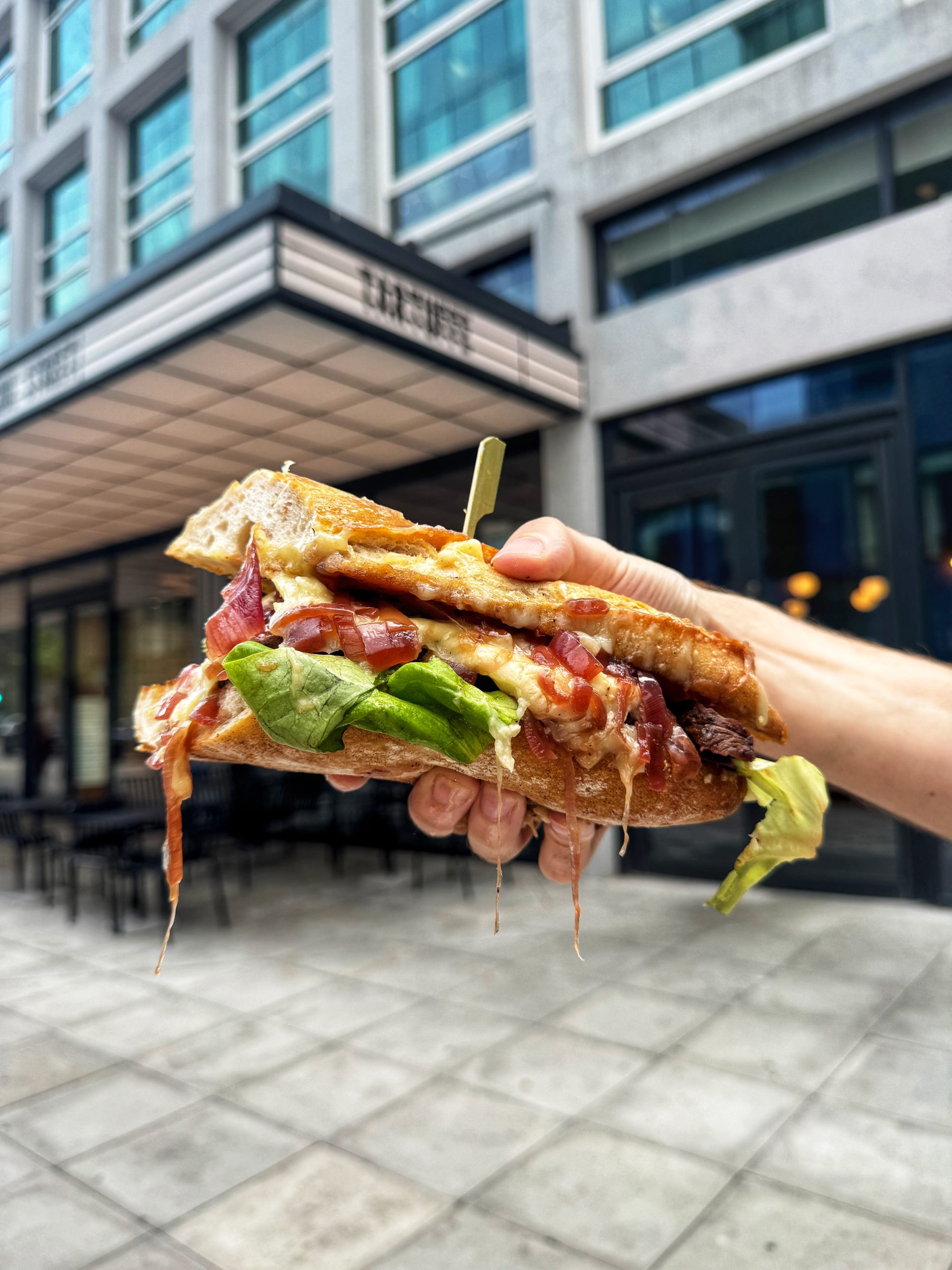
Rotisserie chicken bistro Tartuffe has called final orders on its time at popular city centre hangout, Side Street.
Serving some of the best rotisserie chicken in Manchester – ‘sexy chicken’, if you will – Tartuffe first landed at Side Street inside the ABC Building back in the later summer of 2024, and quickly became known and loved by critics and customers alike for not just their rotisserie options, but also their stylish bar snacks and standout sides.
Hungry folk can expect seasonal menus, bistro-style dining, and, in the opinion of our legendary former Takeaway Champion Dean, some of the best sandwiches in Manchester.
But despite being a roaring success these past two years, Tartuffe took to social media this week to announce the end of the ‘longest pop-up ever’, with its final service being tomorrow (25 September).


Announcing its closure on Instagram, Tartuffe wrote: “That’s right, our time at Side Street has come to an end and our final service here is this Friday.
“Sorry for the short notice, we only found out recently. Unfortunately, as we didn’t want to license our brand to a huge corporate company and sack all of our chefs, we’ve been served our notice.
“It’s been an incredible two and a half years cooking for the wonderful people of Manchester and we’re hugely thankful to everyone who’s been to see us whilst we’ve been here.
“Another big thanks to the staff at Side Street who we’ve loved working with. We’ve made some great friends and worked with some absolutely brilliant people.
“We’re going to be having a little bit of a break whilst we plan for Tartuffe part 2. It’s not a goodbye, it’s a see you soon.”
The statement then closed out with an emotional plea to the people of Manchester.
“And remember to support the GENUINE independents out there, or else there won’t be any left,” Tartuffe concluded.
The closure of Tartuffe was announced on the same day as Deansgate Mews’ award-winning casual dining restaurant, Another Hand, which fell victim to the difficult and ever-changing economic climate.
Featured Image – The Manc Group
News
 Clementine Hall
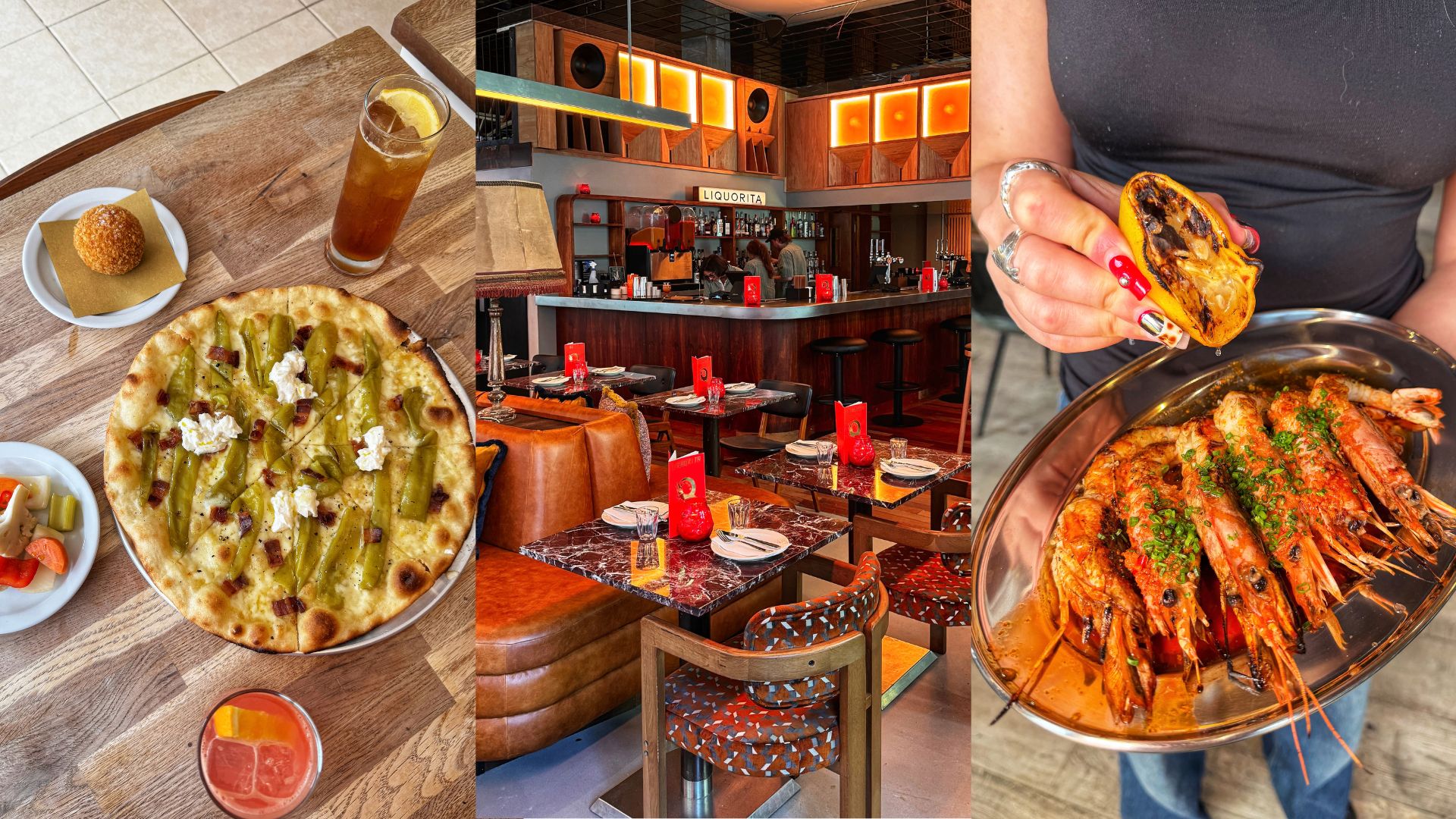
Manchester has welcomed a whole host of new places to eat and drink over the past couple of months – and there’s a LOT to be excited about.
It’s fair to say we all love our food, and here at The Manc, we certainly love writing about it.
So, allow us to indulge as we take you through some of our favourite new openings to have landed across Greater Manchester recently.
From a Latin BBQ restaurant making a splash in the Northern Quarter to a humble Vietnamese sandwich shop turning heads over in Didsbury, there’s been plenty to get excited about.
But consider this your warning: reading on may cause extreme hunger…
11 Portland Street, M1 3HU


Kickback Coffee is the latest trader to open on bustling Portland Street, serving up flat whites, long blacks and iced drinks aplenty.
With their roastery hub based in Cheshire, this independent business puts their love of coffee at the forefront. If you’re looking for a really quality coffee, then this is your next stop.
Arch 121 Woollam Pl, Manchester M3 4JJ


Sandy’s Smokeshed has just opened in Castlefield, where Sam – and his smoker, Angela – are serving up serious Texas-style BBQ, with queues already stretching out the door.
The idea is simple: take great cuts of meat, cover them generously in seasoning, put them in the smoker and give them all the time they need.
Think eight-hour smoked beef chuck, brisket, short ribs, chicken and stellar sides.
Blackfriars St, Manchester M3 2EQ


Say hello to Sister Moon, a beautiful new restaurant bringing a taste of Southeast Asia to the city centre and the latest addition to Manchester’s Treehouse Hotel.
Here, all the dishes are cooked on open fire, including dishes like the fried pork skewers with banana ketchup and the grilled prawns with crispy chilli and garlic. Elsewhere on the menu you’ll find stars like the crispy pork belly and pomelo salad as well as the slow cooked lamb jungle curry (warning, this one’s got a kick).
Sister Moon is the new project from acclaimed chef Sam Grainger who you’ll know from Madre, and it’s just as good as you’d expect.
Read more: A new Southeast Asian BBQ restaurant has opened on a Manchester rooftop with jaw-dropping city views
241 Deansgate, M3 4EN


If you need a break from all that indulgent food and drink, then this new spot on Deansgate should be at the top of your list.
Clean Greens is bringing health in the form of fresh salads, cold-pressed juices, matchas, coffee, and more. Their menu focuses on using clean ingredients without all the faff, and all served in a gorgeous setting – what more could you want?
55 King St, Manchester M2 4LQ


Sometimes only a steaming hot bowl of homemade pasta will do, and you’ll find it at the new Pranzo Italian on King Street.
Here they’re using 70-year-old Calabrian recipes passed down from owner Marco’s Nonna, so it’s about as authentic as it gets. The pasta comes al dente, and they’re not scrimping on the portions or the flavour.
Read more: Inside Manchester’s newest Italian restaurant serving 70-year-old Calabrian recipes
Unit 1+2, The Hive, 47 Lever Street, M1 1FN


Dahlia Stereo has landed in the Northern Quarter, bringing Latin-inspired open-fire cooking, tequila and mezcal-led drinks, and a seriously impressive sound system under one roof.
Expect everything from achiote chicken and 400g churrasco steak to fresh tortillas, smoky sides, and house-made cocktails, with DJs keeping the vibe going late into the night.
If you love great food, good music, and a proper Manchester night out, this one looks well worth checking out.
782 Wilmslow Rd, Didsbury, Manchester M20 2DR


This unassuming spot has been turning heads in Didsbury for its authentic, stacked Banh Mi sandwiches.
Everything is made fresh to order, with fillings like crispy pork belly, lemongrass crispy chicken, roast duck, ham, grilled beef, and tofu, plus traditional Vietnamese coffee with condensed milk.
9 Woodford Road, Bramhall, Stockport SK7 1JN


There’s a new taqueria spot in Stockport that prides itself on using only the best of the best ingredients imported all the way from Mexico.
Casa Papi is serving up tacos, rice bowls and plenty with your choice of slow-cooked birria beef, roasted chicken or sweet potato for the veggies. They’ve even got traditional blue-corn taco shells as an option too which are 100% gluten free and just as tasty as their flour-based cousins.
1C School Lane, Didsbury, M20 6RD


Beloved neighbourhood restaurant Hispi may have closed its doors, but its shoes have been filled pretty quickly with the delightful Arcadian stepping into its place.
A new-to-Manchester open-fire restaurant, with dishes cooked over wood, charcoal and open flame. The new concept sees the chefs themselves serving you your dinner, with plates like coal-seared beef tartare, grilled monkfish, and a Basque cheesecake with black cherries.
71 Great Underbank, Stockport SK1 1PE


Stockport has bid farewell to its only Michelin Bib Gourmand restaurant, with the team behind the acclaimed Cantaloupe pivoting to a totally new concept – and it’s a good’un.
Bar Caput has stepped into the unit, where it’s all about bringing the Roman culture of drinking and aperitivi to Great Underbank. That means crisp-based Roman-style pizzas, plus fritti, small plates, great wine, and bright cocktails.
Read more: Roman kitchen Bar Caput replaces Stockport’s only Michelin Bib Gourmand restaurant
Featured images – The Manc Group
Audio
Eats


