In what is sure to be music to the ears of those sick of having irrelevant memes sent to them every 30 seconds by people you barely know, you’ll soon be able to leave WhatsApp group chats without anyone finding out.
Whether it’s a group made up of extended family members you see only see twice a year, colleagues at work, mutual friends you’re not really that keen on, or people you only met one time because you were at the same pre-drinks together before a night out, most of us are part of a WhatsApp group chat we’d rather not be.
The type of group chat you’re not really sure how you became a part of, and the type of chat you’ve got no clue how to politely leave.
And a big part of the reason most of us can’t bring ourselves to leave those groups is because, the second you do, a little notification pops-up at the bottom of the chat to notify everyone else that you have “left” – which can, understandably, be pretty awkward and embarrassing.
Luckily though, WhatsApp and Mark Zuckerberg – who is chief executive of the messaging service’s parent company, Meta – is soon to introduce a handful of new changes designed with the aim of making written messages as “secure as face-to-face conversations”, and one of those changes is allowing people to leave group chats without other members in the group finding out.
ADVERTISEMENT
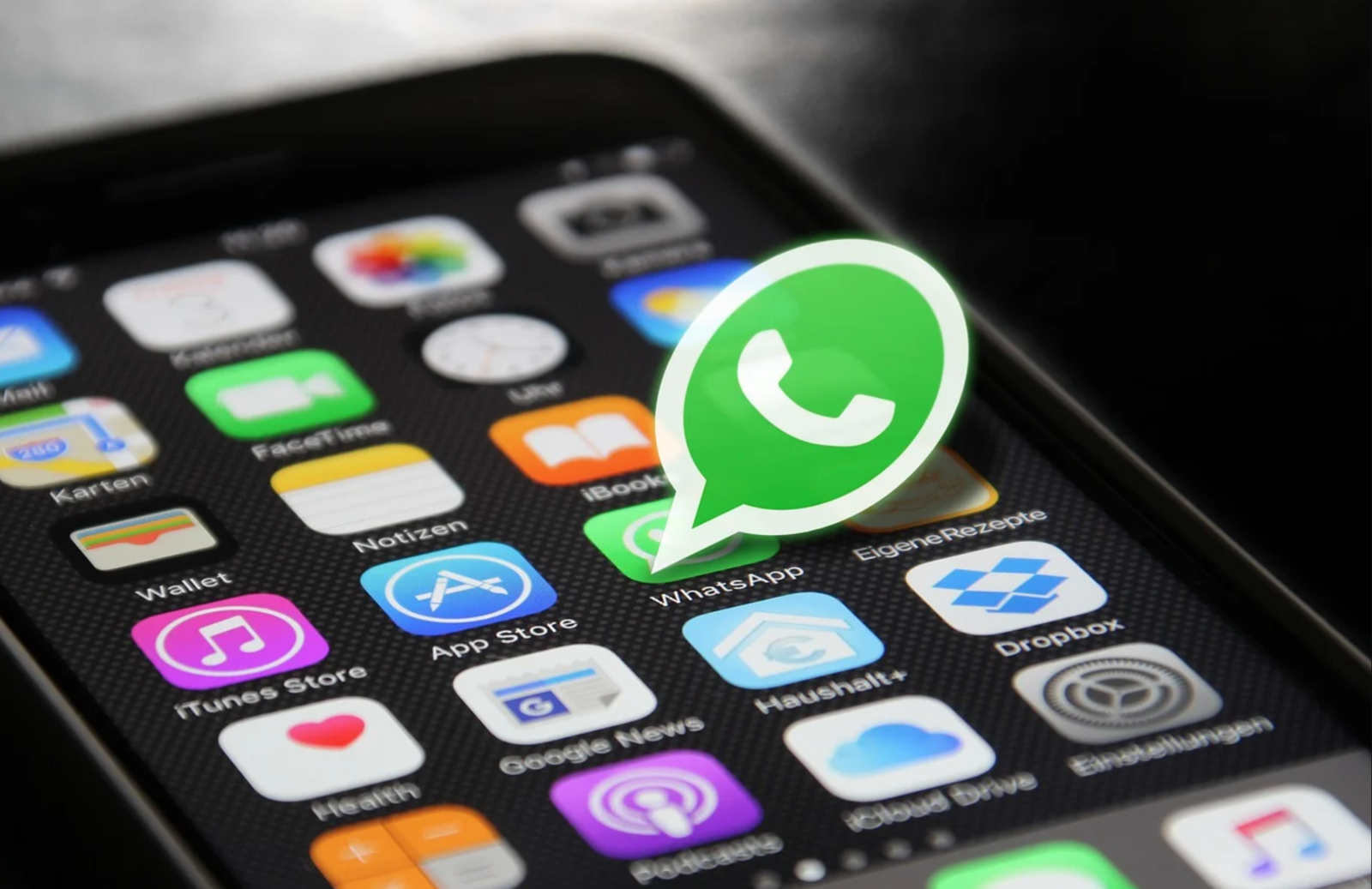
You’ll soon be able to leave WhatsApp group chats without anyone finding out / Credit: Pixabay
The company says that now only administrators of the group will receive a notification to inform them a member has exited the chat.
On top of that somewhat life-saving change, the other changes being introduced will allow people to control who can see when they are online, and also prevent screenshots being taken by other users of auto-deleting ‘View Once’ messages.
ADVERTISEMENT
At present, the messaging service broadcasts to all contacts of a user when they are online and have the app open, but now, this is something that users will be able to choose to share with others.
WhatsApp had also previously-warned users to “only send photos or videos with ‘View Once’ media enabled to trusted individuals”, as it was possible to take a screenshot or screen recording of the message before it disappeared – but now, the act of taking screenshots will be prohibited.
In his post announcing the new WhatsApp updates, Mr Zuckerberg explained that the company will “keep building new ways to protect your messages and keep them as private and secure as face-to-face conversations.”

ADVERTISEMENT
It’s part of a number of new changes aimed at making messages as “secure as face-to-face conversations” / Credit: Eyestetix Studio (via Unsplash)
Meta has stated on a number of occasions that it believes end-to-end encryption is the only way to ensure users are able to message each other without a third party eavesdropping on them.
Mr Zuckerberg announced his plans to transform privacy on WhatsApp in the wake of the Cambridge Analytica scandal back in 2019, and made it impossible for Meta itself to read the content of messages that users share, which is similar to how it cannot access the content of WhatsApp messages.
However, these changes have not yet been implemented across Meta’s other platforms.
“We believe WhatsApp is the most secure place to have a private conversation,” added Ami Vora – Head of Product at WhatsApp.
ADVERTISEMENT
“And to spread the word about these new features, we’re also kicking off a global campaign, starting with the UK and India, to educate people about how we work to protect their private conversations on WhatsApp.”
Firefighters to now wear cameras after Manchester Arena Inquiry recommendations
Emily Sergeant
Firefighters in Greater Manchester are to now start using body-worn cameras following recommendations from the Manchester Arena Inquiry.
Greater Manchester Fire and Rescue Service (GMFRS) has says the Inquiry ‘highlighted the importance’ of capturing clear information and recording decision-making during major incidents, particularly when multiple emergency services are required to respond to ‘complex and fast-moving’ situations, as was, of course, the case with the Manchester Arena attack back in 2017.
The introduction of body-worn cameras will support this by providing a real-time record of what crews see, hear, and communicate while attending incidents.
A total of 233 cameras will be rolled out across the service, giving firefighters the ability to record high-definition video and audio while attending incidents.
We’re rolling out body‑worn video cameras across our Service following Manchester Arena Inquiry recommendations.
The technology will support operational learning, transparency and real‑time decision‑making – helping our firefighters and officers provide the best possible… pic.twitter.com/aoHezIXWEv
— Greater Manchester Fire and Rescue Service (@manchesterfire) April 11, 2026
The devices can also livestream footage in real time, so that senior officers can view incidents as they unfold and provide additional support when it’s needed most.
Frontline officers who attend incidents will be the first to receive the cameras, followed by prevention and protection teams, and then the incident command academy as the rollout continues.
Following a successful pilot trial back in May 2025, when the cameras were tested in real incident conditions, the cameras will now be used at a wide range of incidents – from house fires and road traffic collisions, to larger and more complex emergencies.
Firefighters to now wear cameras after Manchester Arena Inquiry recommendations / Credit: GMFRS
Footage will help crews to review how incidents were handled, improve training, and strengthen safety for both firefighters and the public.
“Introducing body worn cameras is a significant step forward for our service,” commented Deputy Chief Fire Officer, Carlos Meakin. “It’s about giving firefighters the tools they need to work safely and effectively at complex or fast-moving incidents, while also helping to protect our crews by providing a clear record of the challenges they face on the frontline.
“The ability to livestream footage and review it afterwards will strengthen how we support crews on the ground, improve training, and enhance how we respond to major emergencies.
“This investment reflects our commitment to learning from the Manchester Arena Inquiry and continuing to strengthen how we respond to incidents across Greater Manchester.”
Featured Image – GMFRS
News
Endangered baby giant otter triplets have been born at Chester Zoo
Emily Sergeant
This calls for celebration, as Chester Zoo has welcomed baby giant otter triplets in what is huge news for the endangered species.
It’s been a really exciting start to 2026 at Chester Zoo, as it was only a couple of days ago we got to see Dotty the baby Kirk’s dik-dik – which is one of the smallest antelopes in the world – take her first steps, and now it’s time to say hello to three new arrivals in the form of giant otter pups.
The trio are the first of their kind to be born at the zoo in several years, and arrive as part of an international conservation effort to boost numbers.
Arriving to first-time parents Bonita and Manu, up until now, the three giant otter pups have remained tucked away in their cosy holt with mum feeding them regularly until they more than tripled in size – but now, they’ve officially entered into the big wide world.
Following their first health check-up with the zoo’s veterinary team, conservationists have revealed the sex of the pups to be two males and a female
Their names are yet to be chosen, so keep your eyes peeled.
Endangered baby giant otter triplets have been born at Chester Zoo / Credit: Chester Zoo
Chester Zoo has described this triple birth as a ‘rare boost’ for one of the world’s most endangered species, as there are thought to be fewer than 5,000 giant otters surviving in the wild right now.
Giant otters are the world’s largest species of otter, with a powerful build, sharp teeth, and a highly social nature. As one of the apex predators in the waterways where they live, they play a crucial role in maintaining the health and balance of freshwater ecosystems.
But sadly, experts say the species faces ‘an uncertain future’, with their decline largely driven by deforestation, water pollution, and illegal hunting, leading them to be listed as endangered by the International Union for the Conservation of Nature (IUCN), meaning they face a very-high risk of extinction without urgent conservation action.
“The arrival of these three giant otter pups is a hugely special moment and marks the first time the species has been born here in seven years,” explained Rachael Boatwright, who is the Assistant Team Manager of carnivores at Chester Zoo.
“The pups recently had their very first health check-up at eight weeks old, where they were weighed and had their heart, teeth and overall condition assessed by the zoo’s vets. We’re delighted to confirm that all three are healthy and thriving – and that we have two males and one female pup.
“At eight weeks old, the pups will now start to venture outside alongside parents Bonita and Manu, who will start introducing them to the water and all of the essential skills they’ll need as they grow.”