A former toilet block in on of Ancoats’ many mill buildings has been transformed into an ultra-luxury apartment inspired by Santorini.
With architectural arches, wooden furniture and soft whites everywhere, it will transport you straight to the Aegean sea.
The beautiful luxury serviced accommodation comes from The Jacksonheim Boutique, which is also behind several other destination-inspired apartments around the city.
There are flats themed around neighbourhoods like Williamsburg, Brooklyn and Manhattan in New York, as well as Scandi, Japanese and Chicago-influenced homes.
This latest property, known as Santorini Boutique, has taken shape in an old factory mill’s toilet block.
ADVERTISEMENT
It’s now a two-bedroom apartment that reflects the aesthetics of the Greek island.
Inside, there’s a purpose-built mezzanine level forming a sleeping nook, bespoke furniture, and stunning curved ceilings much like those found in Santorini itself.
ADVERTISEMENT
The Santorini Boutique apartment in Ancoats, Manchester. Credit: Jacksonheim Boutique
Jacksonheim Boutique says they want the home to be ‘a Mediterranean escape’ in the midst of Manchester’s gritty charm.
Amenities included when you rent the property include high-speed WiFi, Smart TV with Netflix and Prime, a full kitchen, and luxury toiletries.
Jacksonheim Boutique say: “At the heart of our design philosophy is drawing inspiration from our team’s travels and experiences.
ADVERTISEMENT
“After a colleague’s journey to Greece, we couldn’t resist incorporating elements that evoke the enchanting allure of the Mediterranean. Inspired by the sun-kissed landscapes of Santorini, we infused this urban oasis with a touch of Greek elegance, creating a harmonious fusion of cultures within these walls.”
The Santorini Boutique apartment in Ancoats is priced from around £166 per night and sleeps six guests.
UK Government announces £100 fines for ‘antisocial behaviour’ on public transport
Emily Sergeant
The Government has today announced plans to tackle antisocial behaviour on public transport.
In a bid to crackdown on loud music, littering, vaping, and other threatening behaviour on buses and trains, guidance was issued by the Government today for local authorities to prosecute and even issue fines of up to £100.
For many, playing audio out loud on public transport – also known as ‘loudcasting’ – has become one of modern life’s most irritating parts of the daily commute, but now, a new national campaign is aiming to encourage rail passengers, in particular, to ‘share the carriage, not the noise’ to improve the journey experience for all.
This will include reminders of the rules in place on the rail network and, if a passenger refuses to stop when asked by authorised rail staff, they can be removed from the train at the next station or face fines up to £1,000.
On buses, however, the powers for authorities were already made possible by the Bus Services Act 2025, meaning all local transport authorities in England are able to set and enforce their own rules.
Authorised officers – including transport safety officers and the police – will be responsible for enforcement, rather than bus drivers themselves, and they will be tasked with a three-step approach to deal with incidents. They will need to:
Engage with the person
Explain the rules and their impact on other passengers
Take enforcement action if they refuse to comply
“We’ve all been on the train when someone starts blasting music or videos from their phone,” commented Prime Minister Andy Burnham.
“It gets on your nerves and can quickly spoil the journey, so we’re launching a nationwide campaign reminding passengers to use headphones on trains. On top of that, we’re giving local leaders new powers to tackle loud music, vaping and littering on buses.
“It’s a simple thing, but one that will make journeys that little bit better for all of us.”
Ben Plowden, Chief Executive at the Campaign for Better Transport, added: “Antisocial behaviour is not just irritating, it can be a real deterrent to people using public transport – especially people with different accessibility requirements.
“If these new powers are properly and visibly enforced, they should help everyone feel safe and comfortable on public transport and enjoy the ride.”
Featured Image – Northern
Travel & Tourism
A spectacular Chinese garden has opened at RHS Bridgewater, and it’s a must-visit
Daisy Jackson
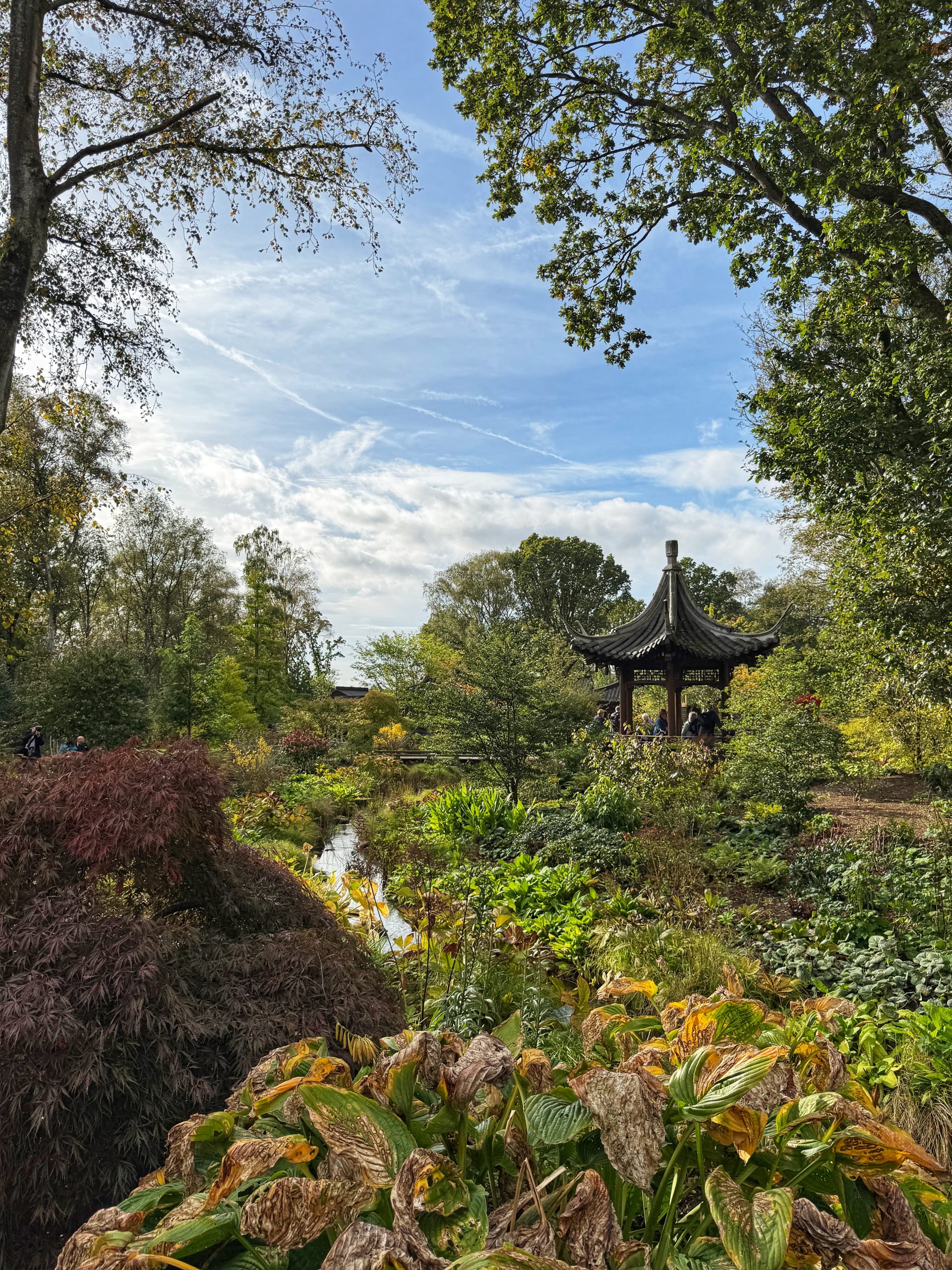
RHS Bridgewater has opened the Yangzhou Scholars’ Garden, the centrepiece of a spectacular Chinese garden.
At seven acres, the Chinese Streamside Garden is the largest, most comprehensive, and most authentic classical Chinese garden in all of Europe.
It’s taken more than eight years to complete, and has utilised landscape architects and specialist craftspeople from China, using traditional techniques rarely seen outside the country.
This has been combined with the contemporary British garden setting of RHS Bridgewater to create a new must-visit attraction in Greater Manchester.
It’s also be designed to be as beautiful in each season as the last, with spring magnolias and cherry blossom, all the way through to dazzling autumn colours from acers and gingkos.
The Chinese garden is the result of an ambitious international collaboration of fundraising, design and craftsmanship between Yangzhou City, China Flower Association, Yangzhou Classical Garden Construction Company*, the City of Salford, Greater Manchester’s Chinese community and the RHS.
Inspiration comes from the historic scholars’ gardens of Yangzhou in Jiangsu province in East China, embodying the classical Chinese principle that gardens are places of philosophy, learning, reflection and seasonal observation.
The landscape features rock, water, planting, and timber structures, with each step revealing new views and perspectives.
There are four interconnected pavilions surrounding a courtyard and pond, each dedicated to one of the four traditional scholarly arts – chess, music, calligraphy and painting.
Pavilions are dedicated to traditional scholarly arts – like chessTimber structures and water feature heavilyEvery step reveals a new viewFootpaths weave through the Chinese garden at RHS BridgewaterThe space has taken almost eight years to completePlants have been chosen for their year-round beautyCredit: The Manc Group
Key features include traditional hand-crafted mortise-and-tenon joinery, Chinese Fir timber sourced from FSC-certified forests, kiln-fired tiles and handmade brickwork from China, intricate stone carvings, and detailed stone mosaic and poetic inscriptions.
More than 200 trees and shrubs representing 56 species and cultivars have been selected for their seasonal beauty and cultural significance, with planting conveying traditional messages of good luck, health, happiness and love.
Marcus Chilton-Jones, Head of RHS Garden Bridgewater explained: “The opening of the Yangzhou Scholars’ Garden is a landmark moment for RHS Garden Bridgewater, for Greater Manchester and the UK.
“This remarkable international collaboration has created not only a beautiful garden, but a lasting symbol of friendship, cultural exchange and shared learning.”
Tracy Snell, Curator at RHS Garden Bridgewater said: “It’s a garden full of meaning and intricacies.
“Importantly, it can be enjoyed throughout the seasons – from spring magnolias and cherry blossom to restful summer greens and the vibrant autumn colour of acers, ginkgos and euonymus.
“Chinese scholars’ gardens were created as places to slow down, reflect and reconnect with nature.
“Visitors will discover something new around every corner, and I can’t wait for people to experience the sense of calm and wonder the garden creates.”
Mr Gerry Yeung, Chinese Streamside Garden Founding Committee member added: “The opening of the Yangzhou Scholars’ Garden is a proud and historic moment for everyone who has helped bring this vision to life and the result of many years of dedication, generosity and shared ambition from people in both China and Greater Manchester.
“We hope visitors will enjoy discovering this special place and, through it, gain a deeper appreciation of the rich traditions, artistry and values that have inspired Chinese gardens for centuries.”