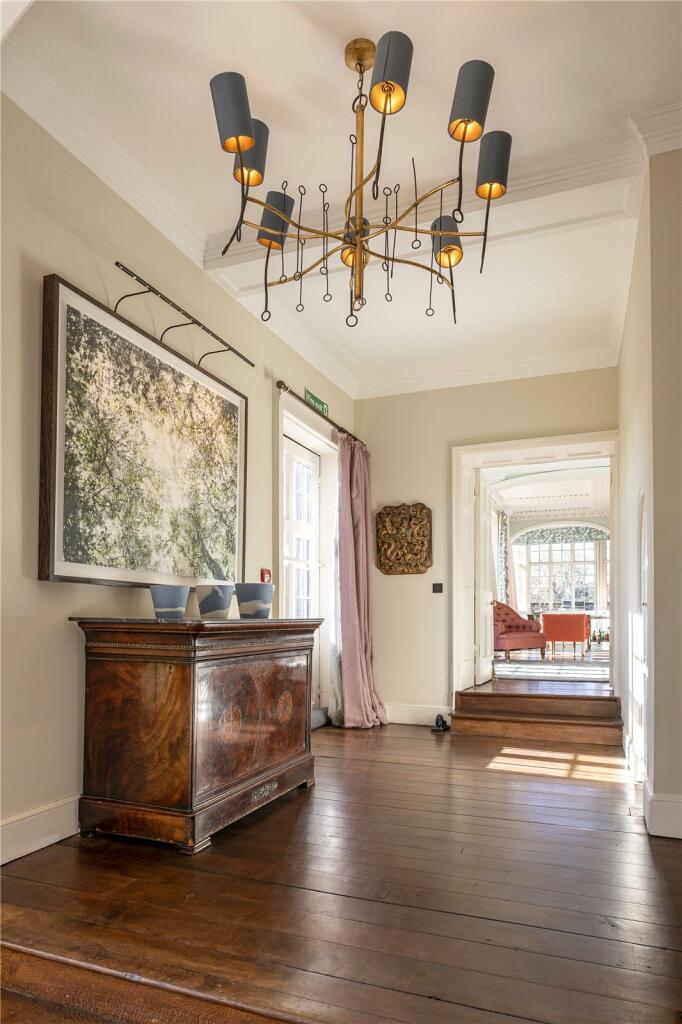
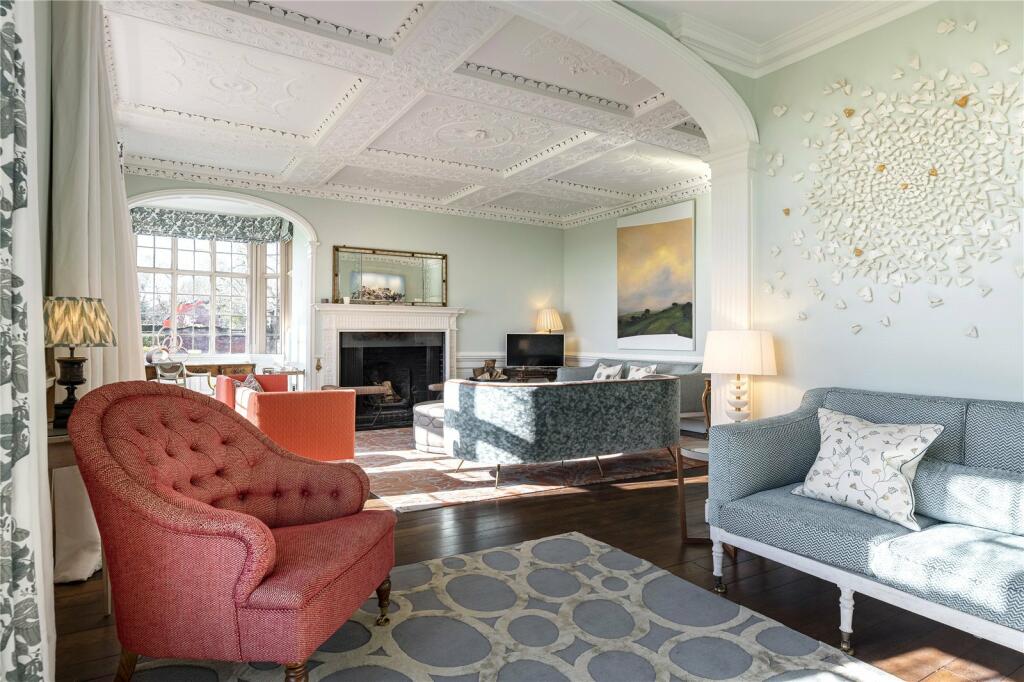
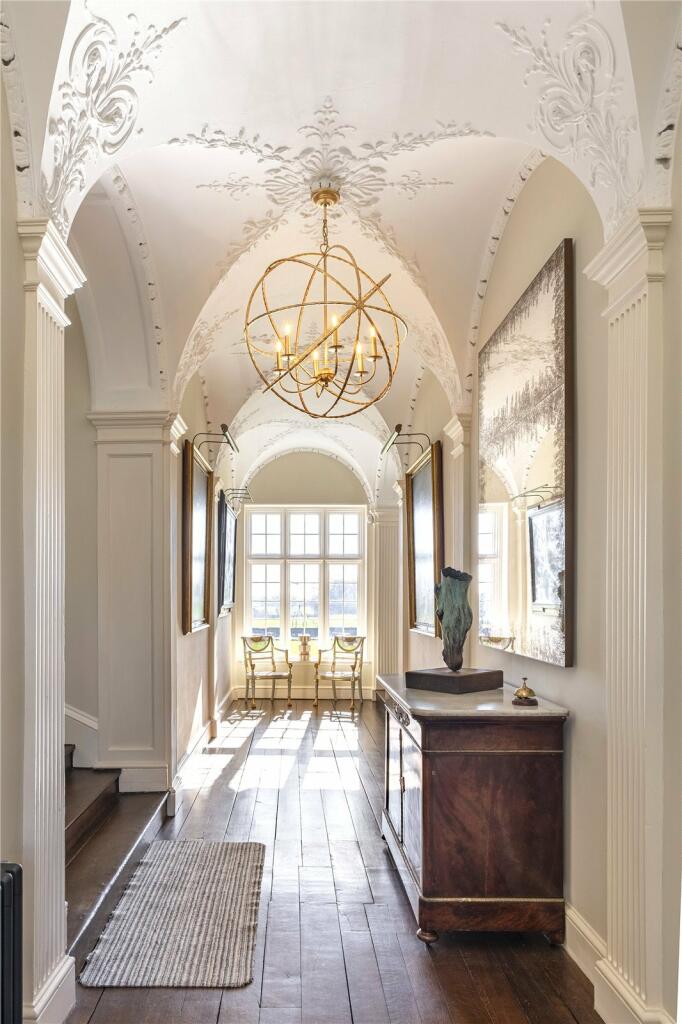
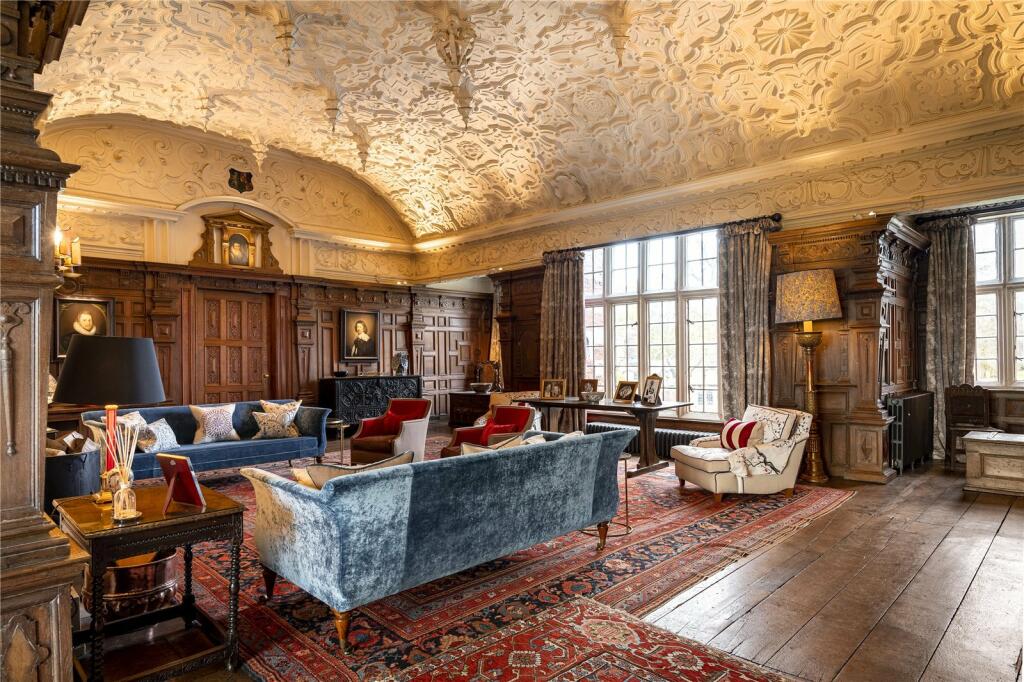
A Grade-I listed manor house has gone on the market over in Cheshire, and to say it’s absolutely stunning is a serious understatement.
Oh… but you will need a spare £11.4 million to fork out on it though.
Of course, it goes without saying that the vast majority of people reading this article right now won’t see a sum of £11.4 million ever in their lifetimes, and properties of this size and stature are not the kind we’ll ever get to call home, so the next best thing we can do is just snoop around on good old Rightmove and have a nosey at all the jaw-dropping pictures instead.
Like us, if you’ve got no shame in admitting that one of your favourite internet pastimes is looking up houses you can’t afford in places you’ll probably never visit, then allow us to introduce you to this absolute beast of a mansion in Cheshire.
We’re talking a Grade I-listed, 10-bedroom, has its own library, lake, tennis courts, self-contained lodges, a venue for hosting weddings and corporate events, and is sat in extensive farmland kind of ‘beast’.
ADVERTISEMENT
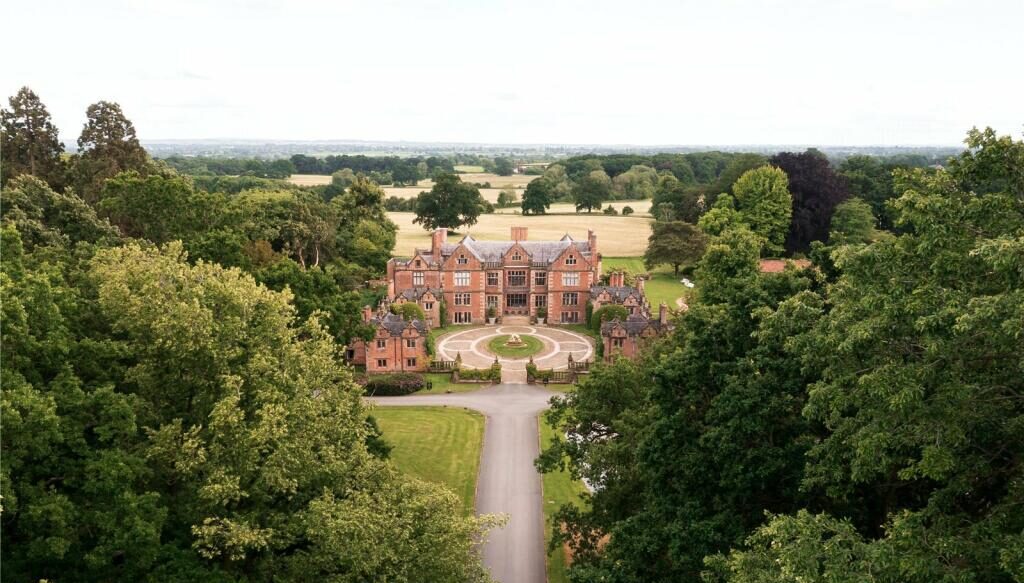
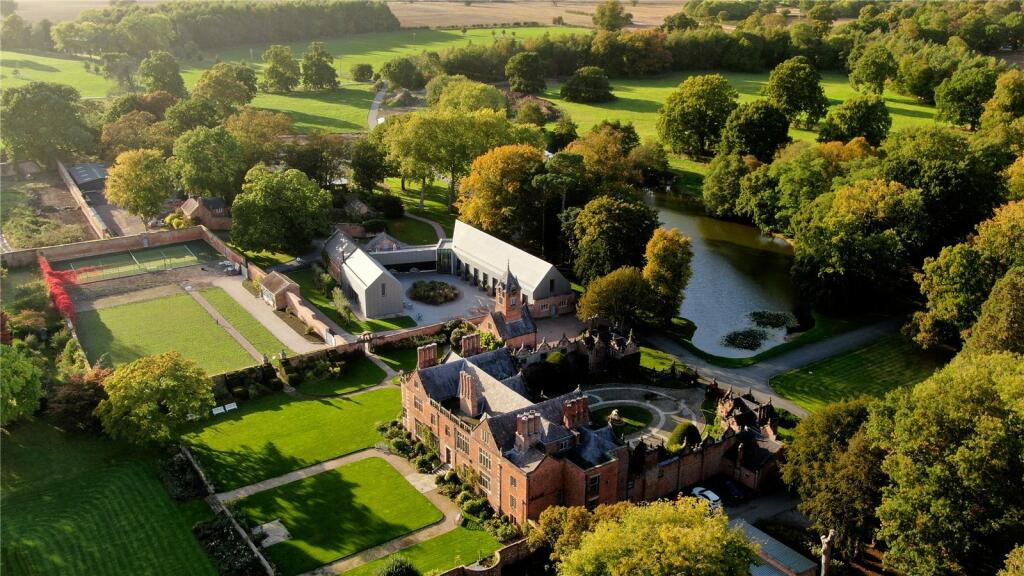
This is Dorford Hall, in the Nantwich area of south Cheshire / Credit: Savills
This is Dorford Hall.
Nestled in a secluded, yet still very easily-accessible corner of Nantwich in south Cheshire, the expansive Dorfold Hall Estate boasts a seriously-stunning Grade I-listed Jacobean manor house surrounded by breathtaking Victorian gardens that’s been immaculately-restored and renovated by the current owners over several years to now offer accommodation for modern living within a historic setting.
ADVERTISEMENT
While the estate may now serve the dual purpose of being a cherished family home, and a picturesque venue for weddings and corporate events, that’s now how it started life in the 17th century.
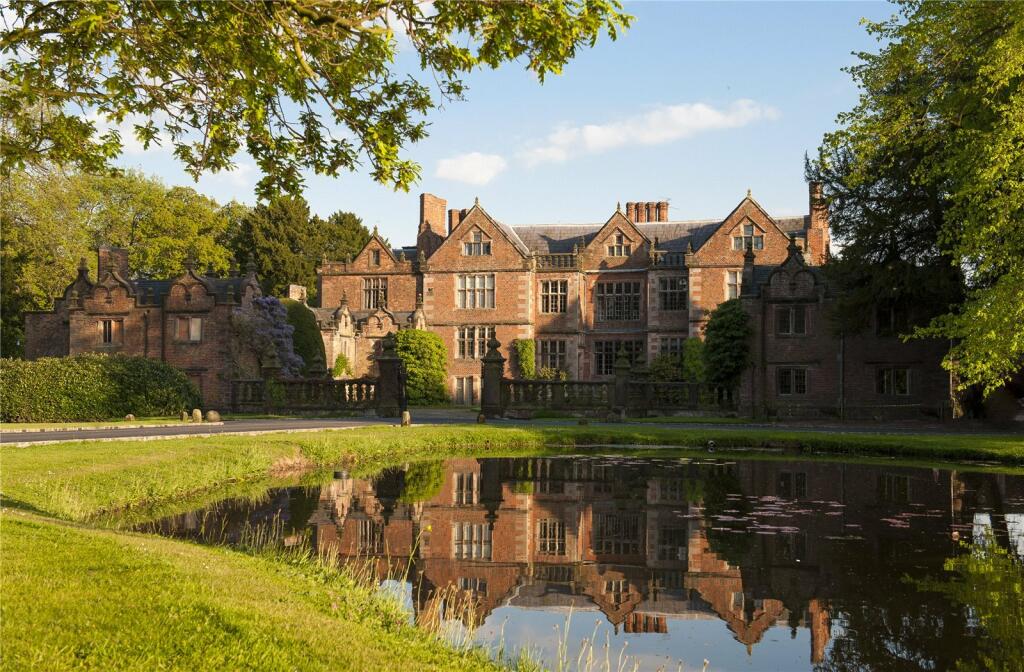
Built in 1616 and designed in the characteristic Jacobean style, the Grade I-listed Hall is steeped in local historical and architectural significance – with rumours claiming its construction was even expedited to host King James I during a royal visit.
It’s a Grade I-listed manor estate rumoured to have been built for King James I to stay in during the 17th century / Credit: Savills
Now, estate agents Savills call it a “fine example of Jacobean architecture”, all thanks to its symmetrical design, red and blue brick diapering, stone detailing, slate roofing, large mullioned windows, ornate chimneys, and gables.
ADVERTISEMENT
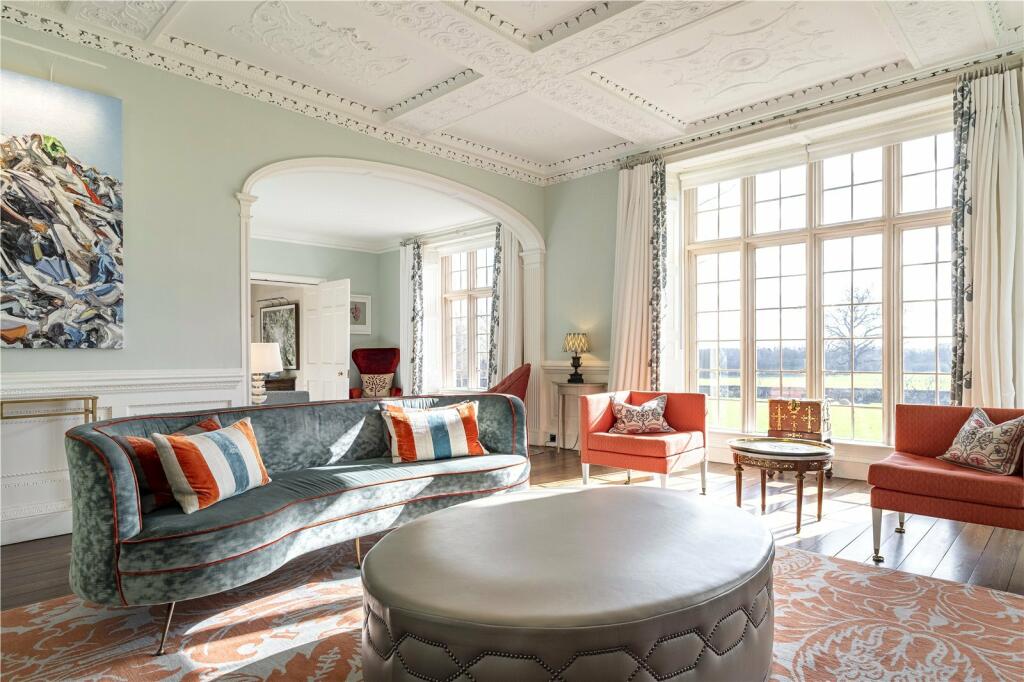
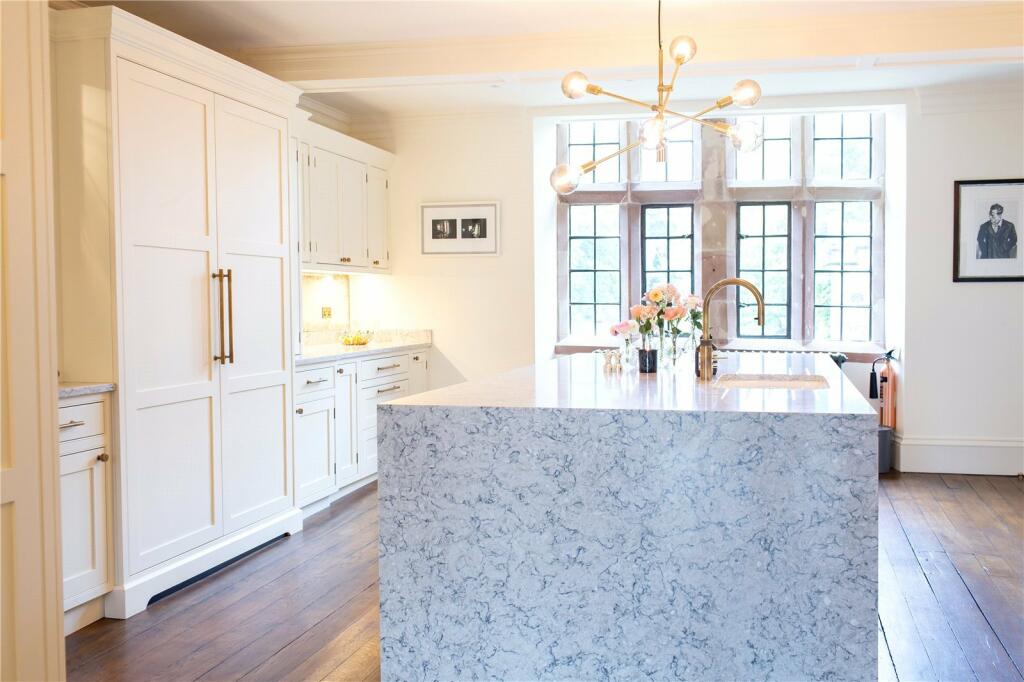
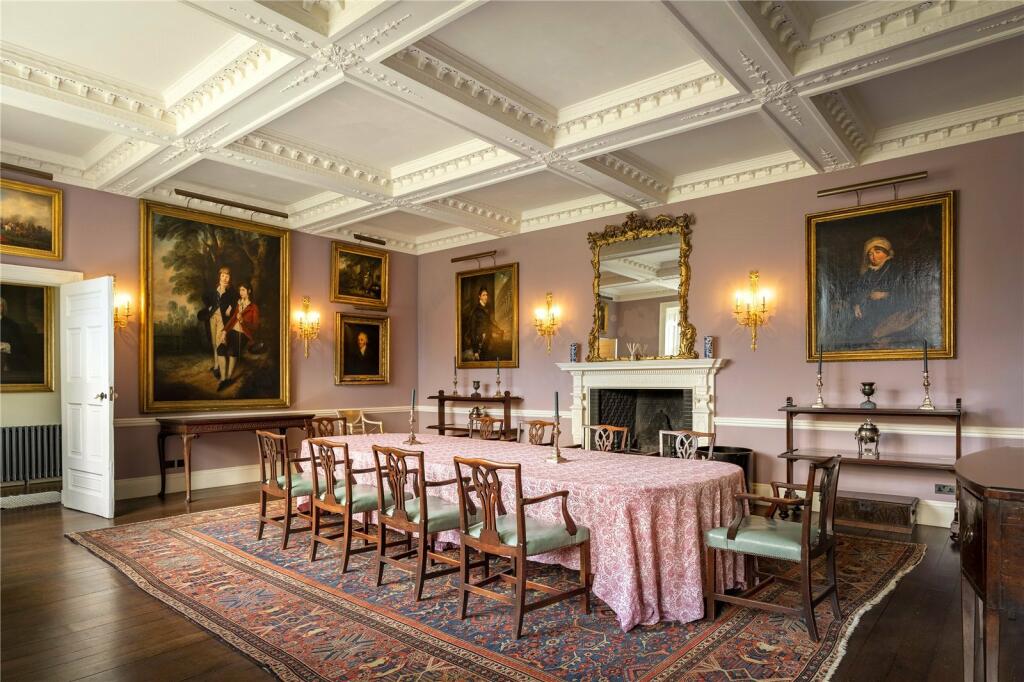
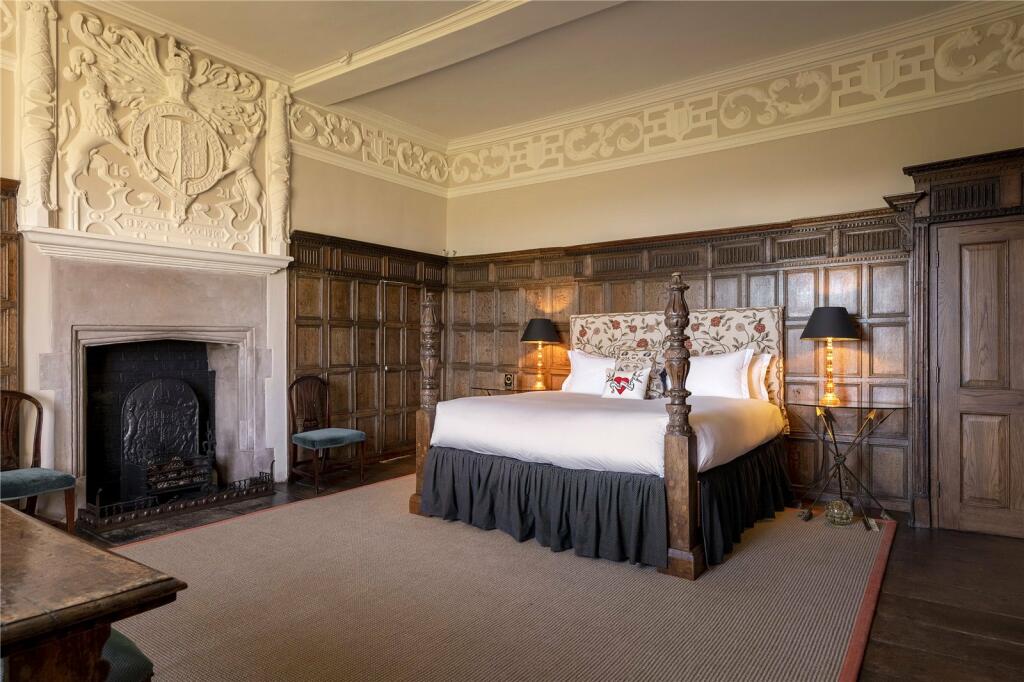
Accommodation is arranged over three floors, with the spacious reception rooms, bespoke kitchen and dining room, library, billiards room, and the separate lodges, cottages, and apartments for housekeepers, being just a few of the stand-out features it has to offer.
And the wow-factor doesn’t stop with indoors either, as the outside is arguably even more impressive.
It’s currently on the market for £11.4 million / Credit: Savills
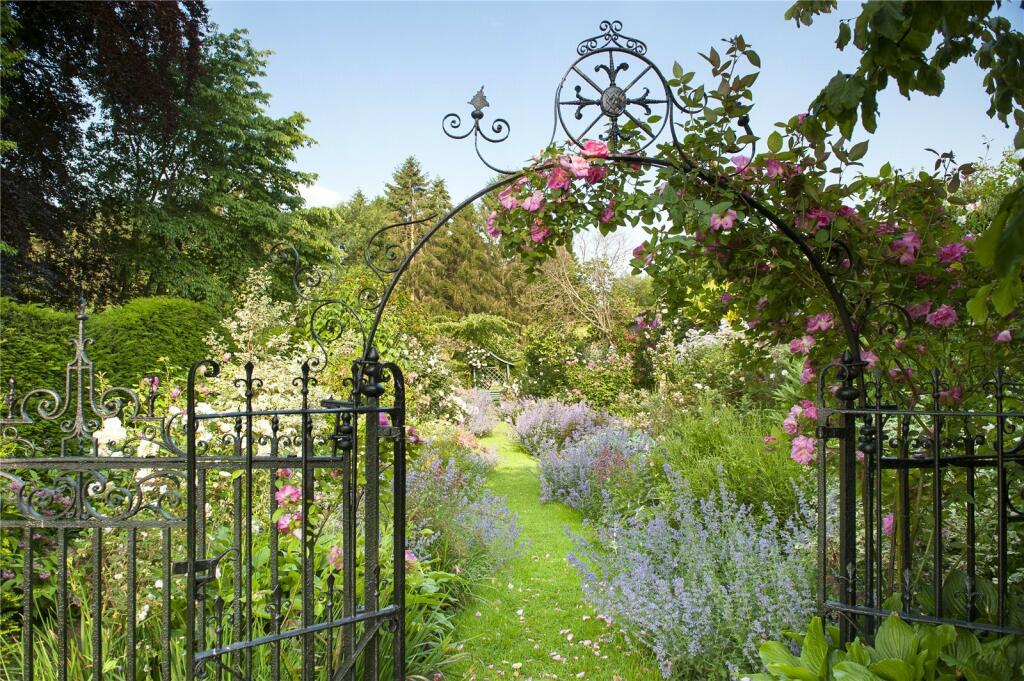
Once you’ve entered the estates grounds through the electric gates and make your way down the impressive tree-lined drive, you’ll find acres of mature and historic gardens, new lawn and garden irrigation systems, several outbuildings, and even an enviably-beautiful walled garden with its very-own wildflower meadow, lake.
As mentioned there’s even tennis court within the grounds too, as well as a restored Clock Tower, and the small matter of a RIBA award-winning avant-garde event space and Coach House that’s licensed to hold civil ceremonies.
We know we’ve used the word ‘impressive’ quite a few times throughout this, but what’s one more… it’s all pretty impressive, right?
Dorford Hall is currently on the market with Savills for a whopping £11.4 million, and if you fancy taking a closer look, then you can contact the property company to arrange a viewing.
Or take the cheaper route instead and just have a nosey at the Rightmove link here.
Featured Image – Savills
Property
Molly-Mae Hague revisits first Manchester flat, now on the market for £185k
Daisy Jackson
Molly-Mae Hague’s first Manchester flat is now on the market for £185k – and the star herself has paid a visit to her old digs.
Those who have been following Molly-Mae since before she shot to serious fame on Love Island will have recognised the backdrop of her recent TikTok video.
The 27-year-old reality TV star and businesswoman posed around the one-bedroom flat, dancing to Sabrina Carpenter’s ‘House Tour’.
The apartment is where she lived just before entering Love Island, and where she and now-fiance Tommy Fury lived briefly when they left the show.
And now that exact flat where she really launched her social media career has been listed for sale, at £185,000.
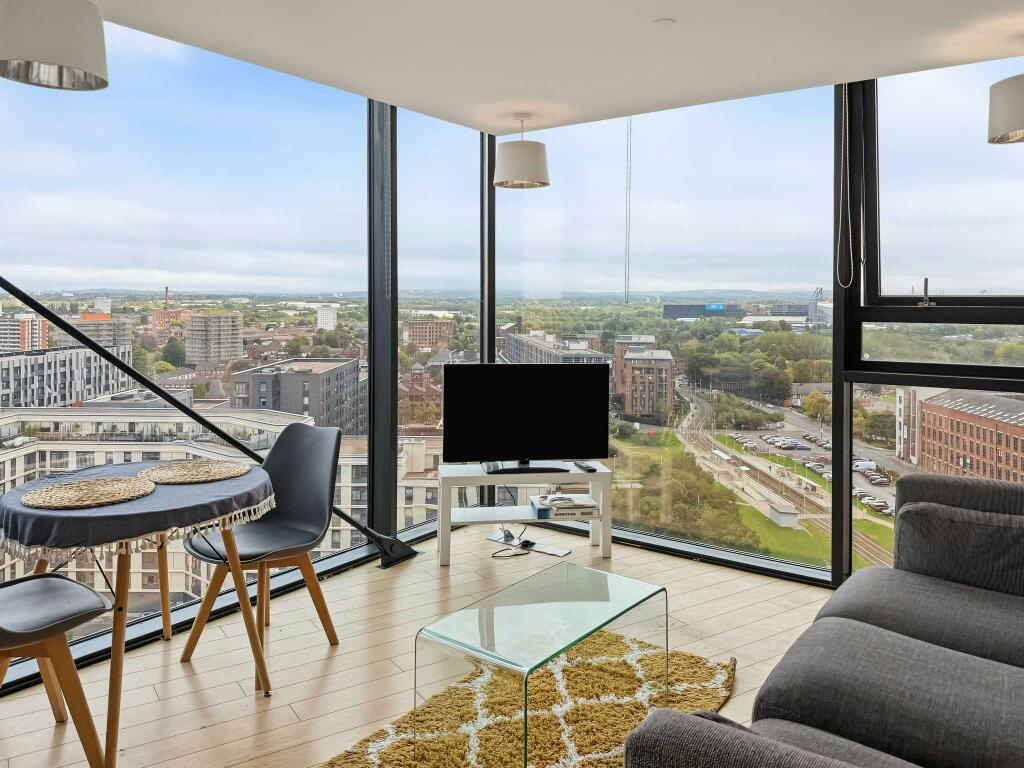
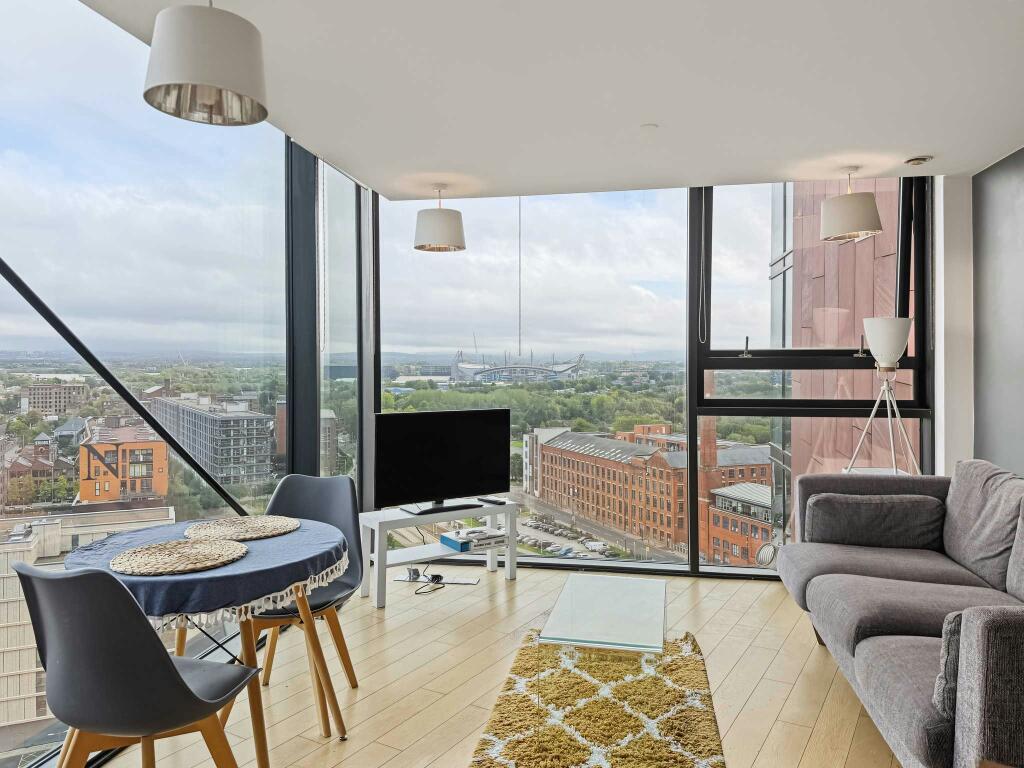
The corner apartment stands on the 17th floor of Islington Wharf, overlooking New Islington tram stop and right on the doorstep of Ancoats.
Her former landlord, who arranged for Molly-Mae to have one look around her old flat before it’s sold, said that she was a ‘lovely, polite and down-to-earth young woman, and an excellent tenant who looked after the apartment extremely well.’
The one bedroom apartment has double-aspect floor-to-ceiling windows which look across Manchester on one side, and out towards the Pennines on the other.
It’s listed for sale with no chain and the option to include existing furnishings (which seems to include the same couch Molly-Mae had at the time).
The flat also has a kitchen/living space, a communal garden, superfast broadband, and is within walking distance of Manchester Piccadilly.
New measures announced to tackle ‘rogue’ landlords across Greater Manchester
Emily Sergeant
A cohort of trained enforcement officers are set to hit the streets in all 10 boroughs to help improve the lives of the region’s renters.
Forming part of Greater Manchester‘s commitment to the highest-quality housing standards alongside the Good Landlord Charter, the newly trained enforcement officers will be tasked with protecting tenants, joining Council teams in checking rental properties, bringing enforcement action against bad landlords, and cracking down on illegal practices.
The introduction of the new enforcement officers comes after what has been ‘years of sustained pressure’ on local budgets.
Greater Manchester Combined Authority (GMCA) says it is working with the 10 councils across the region to strengthen local teams, rebuild in-house skills and expertise, and ensure that powers can be applied with consistency in all boroughs.
As mentioned, this is happening alongside the Good Landlord Charter – which is GMCA’s ‘bold approach’ to drive up standards for renters across the region.
Landlords of more than half of rented properties in Greater Manchester have now signed up as supporters of the Charter, and as supporters, they have committed to going above and beyond legal minimums to improve the renting experience for hundreds of thousands of people.
“A safe place to call home is the cornerstone of a happy, healthy life,” explained Mayor Bev Craig. “But for years, people have felt trapped in poor-quality housing, and cash-strapped councils were unable to step in to help. I’m putting an end to that.
“We know there are plenty of good landlords in Greater Manchester, and many of them have already signed up to our Good Landlord Charter, but too many are just not good enough.
“That’s why we’re deploying a new generation of expert housing officers onto the streets of our towns and cities.”
Mayor Bev Craig declared that she ‘won’t stand by and let rogue landlords take advantage of people’.
She continued: “By empowering renters, working with responsible landlords, and using our powers to crack down on the bad ones, I will make sure everyone in Greater Manchester has the foundation for a good life.”

 Emily Sergeant -
23rd April 2024
Emily Sergeant -
23rd April 2024