The weather is FINALLY warming up a little and it’s beginning to feel like we might finally have made it through winter – it’s time for a walk.
There’s nothing quite like the arrival of spring to (so sorry) put a spring in your step, especially after such a dreary few months post-Christmas.
Some of the green spaces that wrap around Greater Manchester are in their prime right now, and that’s saying something, as they’re pretty spectacular all year round – perfect for a spring walk.
We’re talking fields full of daffodils and bluebells and trees dripping with blossom.
Here are some of the prettiest walks to tackle this season around Greater Manchester to make the most of the north west in spring.
It may be a bit of a schlep up the road, but Manchester’s relative proximity to the Lake District is something we should all be taking advantage of.
Although Cumbria is known for its big hills, you don’t have to climb high to get the best spring experiences at Loughrigg Fell.
ADVERTISEMENT
The lower slopes are often ablaze with beautiful bluebells at this time of year.
Countryfile has pulled together a lovely walking route here.
Salthill Quarry, Clitheroe
This spot in Lancashire actually once lay at the bottom of the ocean, but it’s now a shining example of a northern nature reserve.
ADVERTISEMENT
It’s home to an incredible array of wildlife and plant life, including masses of wildflowers in the spring and summer that makes for a dream walk for nature lovers.
All those blooms bring loads of birds and butterflies to the area too.
The Geology Trail is a circular walk that will show you all the best bits, with QR codes to scan for extra information on your way round.
Monsal Dale, Peak District
Monsal Dale is beautiful spring walk. Credit: Unsplash, Rob Bates
Surrounded by dales scenery, hiring a few bikes to cycle the Monsal Trail is an absolute Peak District must-do.
But for wildflower lovers, you want to duck off the former railway line and explore Monsal Dale instead.
ADVERTISEMENT
This handy walking route from Countryfile includes viaduct views as well as encounters with all the new-season blooms.
Brockholes Nature Reserve, Preston
Credit: Facebook, Brockholes
The Brockholes Nature Reserve spans a massive 250 acres and actually only opened around 10 years ago.
It’s drawn in more than one million human visitors and even more feathered and furry ones, including different species of deer, badgers, hares, osprey and red kites.
Tegg’s Nose Country Park really comes into its own in spring, when clambering around the rocky landscape isn’t such sweaty (or slippery) work.
ADVERTISEMENT
From May, the meadows around this corner of Cheshire will be a blanket of yellow when the pansies bloom.
It’s not too far to travel from Greater Manchester either, so makes for a great spring walk.
This AllTrails loop around Tegg’s Nose and Macclesfield Forest is a real winner.
Quarry Bank, Cheshire
Ahead of the National Trust’s annual BlossomWatch event, the charity has pulled together a list of where to see the best blossom trees across the country.
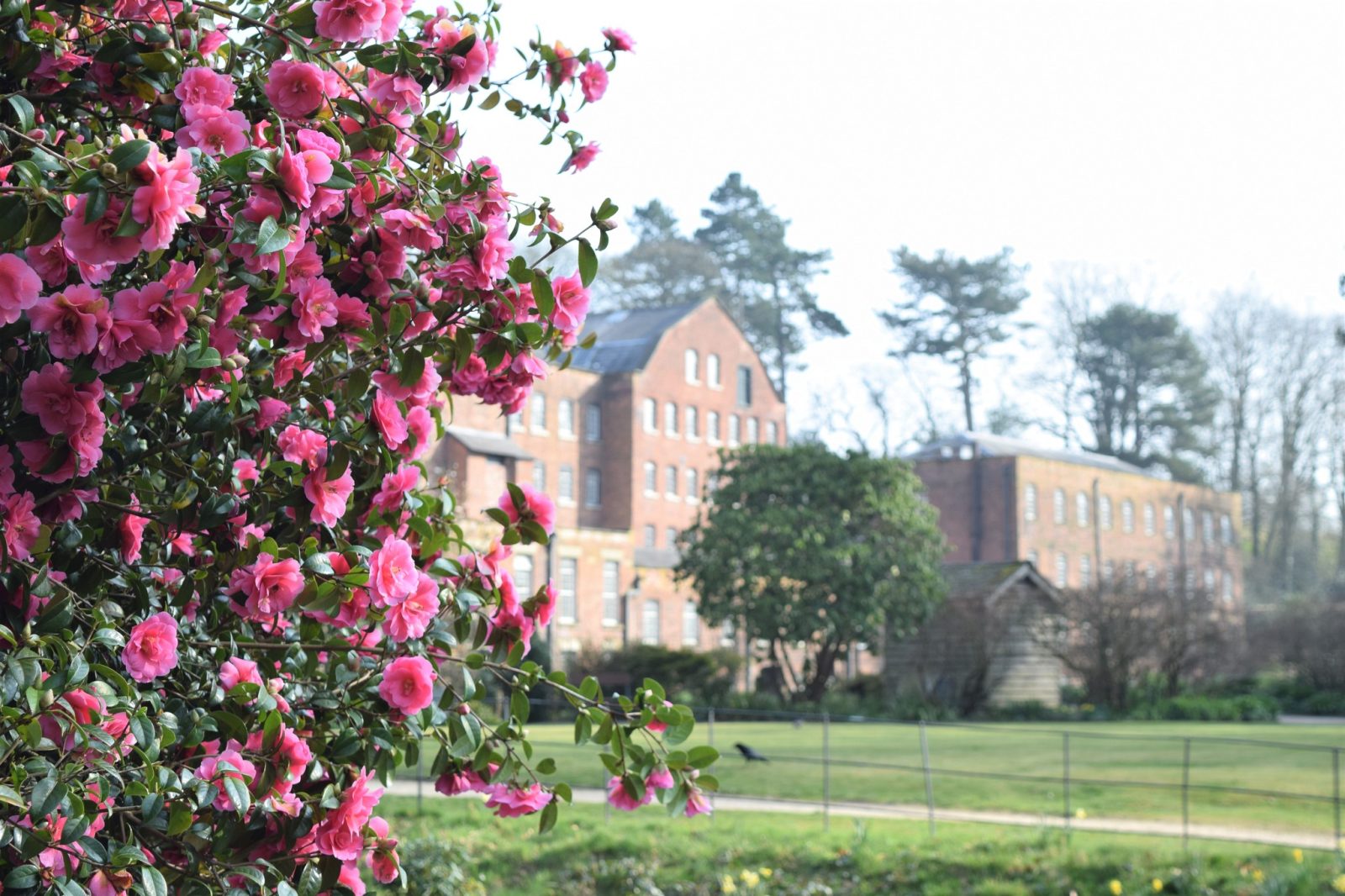
In the north west it’s Dunham Massey, Speke Hall, Rufford Old Hall and Little Moreton Hall, as well as the grounds around the old mill at Quarry Bank.
ADVERTISEMENT
The National Trust says: “The walled garden bursts into life in April with the blooming of the apricot tree, followed by the arrival of apple, pear, nectarine and peach blossom. The Apprentice House Garden is home to apple, plum and pears trees, making it the perfect place to enjoy a picnic under a canopy of blossom.”
Bloomtown Blossom Trail, Manchester city centre
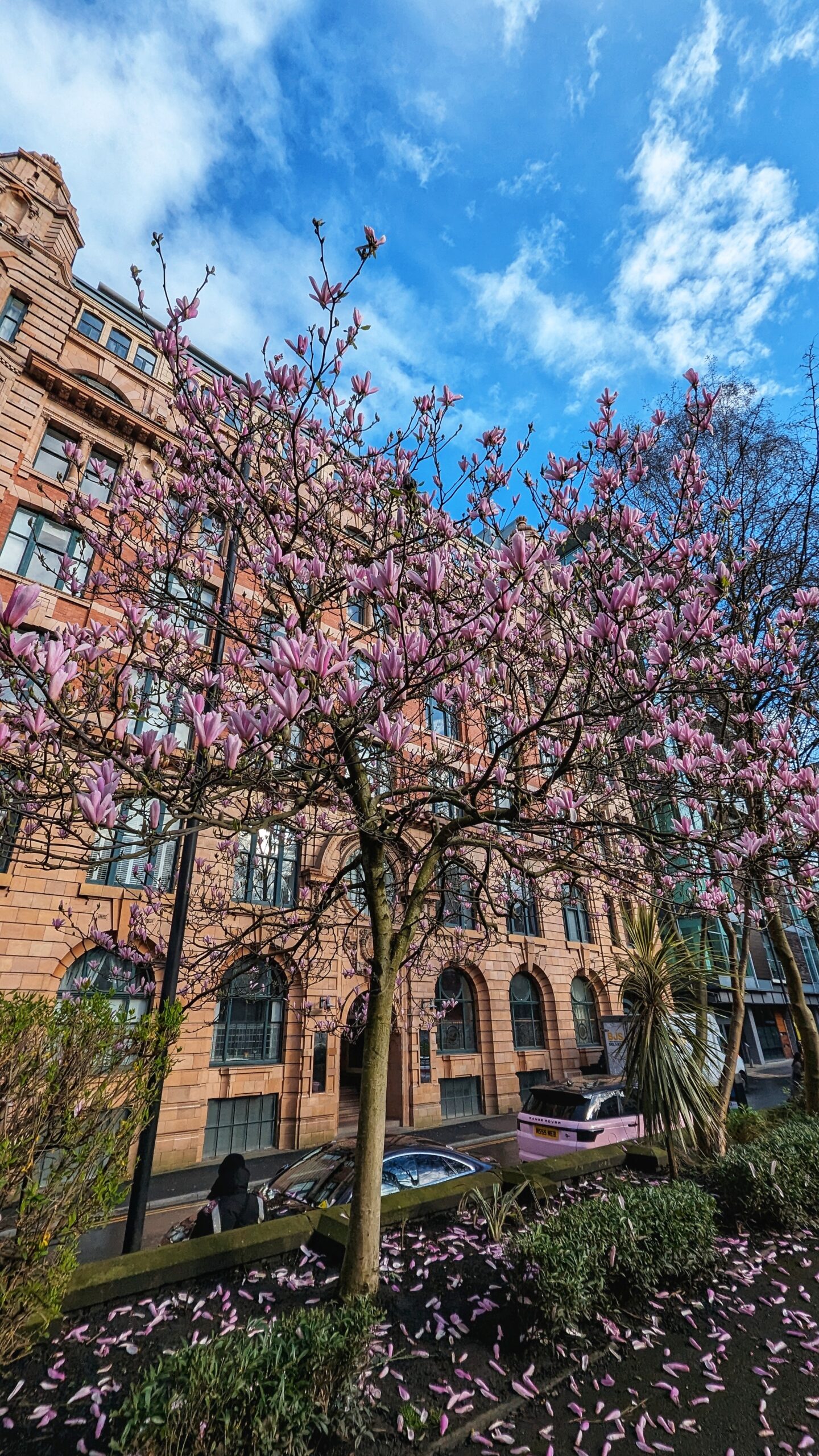
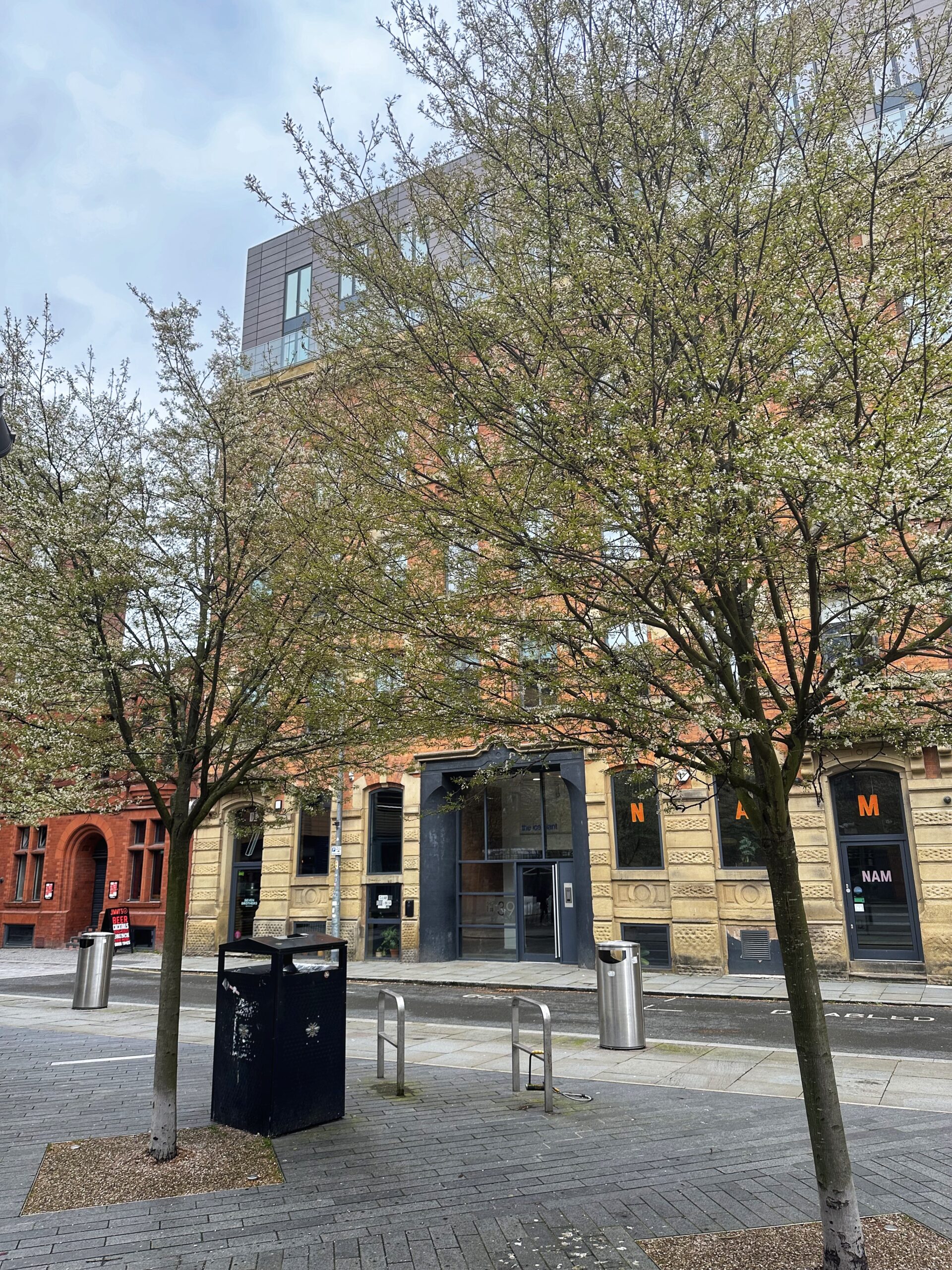
Stunning pink blossom at Parsonage GardensBlossom trees in Ancoats
Manchester never looks better than it does in the spring, so if you don’t fancy heading out in the countryside, there’s plenty of nature to admire with a walk in town itself.
The National Trust and Castlefield Viaduct have created a walking trail around Manchester that’s all about celebrating the blossom.
It loops from the Viaduct down Canal Street, through Ancoats, and back again, taking in landmarks like the Central Library, Parsonage Gardens, and the Rochdale Canal.
Pussycat Dolls at Co-op Live – tickets, times and more for UK tour
Thomas Melia
American girl group Pussycat Dolls have reunited for a UK tour, stopping off at Co-op Live in Manchester with their powerhouse pop anthems.
Releasing their first LP in 2005, this pop girl group have a variety of radio hits to their name like ‘Don’t Cha’, ‘When I Grow Up’ and ‘Buttons’.
Over the years, the Pussycat Dolls lineup has gone through significant changes with this latest reunion comprised of Nicole Scherzinger, Kimberley Wyatt and Ashley Roberts.
The trio even released some brand-new material to coincide with the announcement of their UK and EU tour titled ‘Club Song’.
Now the girls are about to put their Doll Domination to the test as they bring their PCD Forever Tour in arenas across the nation.
Gig guide – Pussycat Dolls at Co-op Live, Manchester
Doors for Pussycat Dolls at Co-op Live open from 6pm with a start time listed of 7pm with Lil’ Kim and rising girl group Deja Vu kicking things off.
Co-op Live has a strict curfew of 11pm, meaning you can get home and loosen your ‘Buttons’, hopefully before the clock strikes twelve.
How to get to Co-op Live
Tram
For those of you heading to Co-op Live, you’ll be glad to know it’s right next door to a rather famous big blue stadium and its integrated Metrolink stop.
Head along the light blue or orange lines directly to the Etihad Campus or Ashton-under-Lyne, and you can get off the tram literally spitting distance from the arena. You can find the full map HERE.
Trams run frequently on the Ashton-Eccles line to the Etihad stop, with services leaving every six minutes from the city centre and until 1am on Fridays and Saturdays.
Bus
You can find the full list of bus routes HERE, with the one in closest proximity to the venue being the 53 bus, which runs from Cheetham Hill through to Higher Crumpsall, Old Trafford and Pendleton, leaving just a two-minute walk to Co-op Live.
Getting there by car and parking
If you’re driving, there is limited parking available at the venue, but this must be pre-booked ahead of time, and there are designated drop-off areas.
The postcode is M11 3DU, and you can follow the signs towards the wider Etihad Campus as you get closer; directions to the adjacent drop-off points will also be signposted.
Keep in mind that congestion on the roads close to the stadium is expected to gather around two hours prior to any event, so if you are travelling on the road, these are the suggested times they provide on event day, though estimates will obviously vary:
Alan Turing Way (both directions): plan an additional 20 minutes into any journey by road.
Hyde Road (eastbound): expect an additional 15 minutes to be added to your journey.
Mancunian Way (westbound): plan for an extra 10 minutes of travel time.
There are also three park-and-ride facilities near Co-op Live, but be advised that the Velopark and Holt Town stops will be closed post-event to help safely manage crowds:
Ashton West (Ashton line) – 184 spaces and 11 disabled spaces
Ladywell (Ashton-Eccles line) – 332 spaces and 22 disabled spaces
Walk/cycle
Lastly, Co-op Live is only a half-hour stroll from Manchester Piccadilly, and you could even walk along the canal all the way to the front door if you fancy taking the scenic route.
Greater Manchester now also offers the option to hire bikes on the Beryl app, with riders able to locate, unlock, get to their destination and then safely lock up the bike all through an easy-to-use app. There are hire points just near the south-west corner of the Etihad Stadium on Ashton New Road.
For more information on all travel options, you can check out the enhanced journey planner.
Queer Up North launches digital archive full of visual art and more from legendary Manchester festival
Lydia Mastrolonardo
A new digital archive documenting the legendary Queer Up North festival has launched this month.
Running for an illustrious decade from 1992 to 2002, Queer Up North was the first multi-artform LGBTQ+ festival in Europe, but its significance has extended far beyond the arts as a beacon for queer culture, and is largely described as being one of the most pioneering and influential festivals ever.
From the very start, Queer Up North had an international standpoint – gaining support and recognition from much further afield as well as here in Manchester.
The festival emerged during a period where Manchester’s queer communities were navigating new ways to gain visibility and to create culture on their own terms.
It played a central role in uniting artists, performers, audiences, and venues – helping to establish Manchester as an international destination for LGBTQ+ arts and culture.
The newly launched digital archive shares materials from the iconic festival’s history, making them easily accessible to the public online for the first time, and for free.
The curated collection features 1420 images, 275 artefacts, and 29 oral histories revealing amazing stories about the people, performances, art, club nights, cabaret, and comedy that all helped to shape culture in Manchester during the 90s.
It offers a chance to explore a pivotal decade of Manchester’s history and understand how a generation of artists, performers, and audiences created a whole host of new opportunities for the Mancunian queer community.
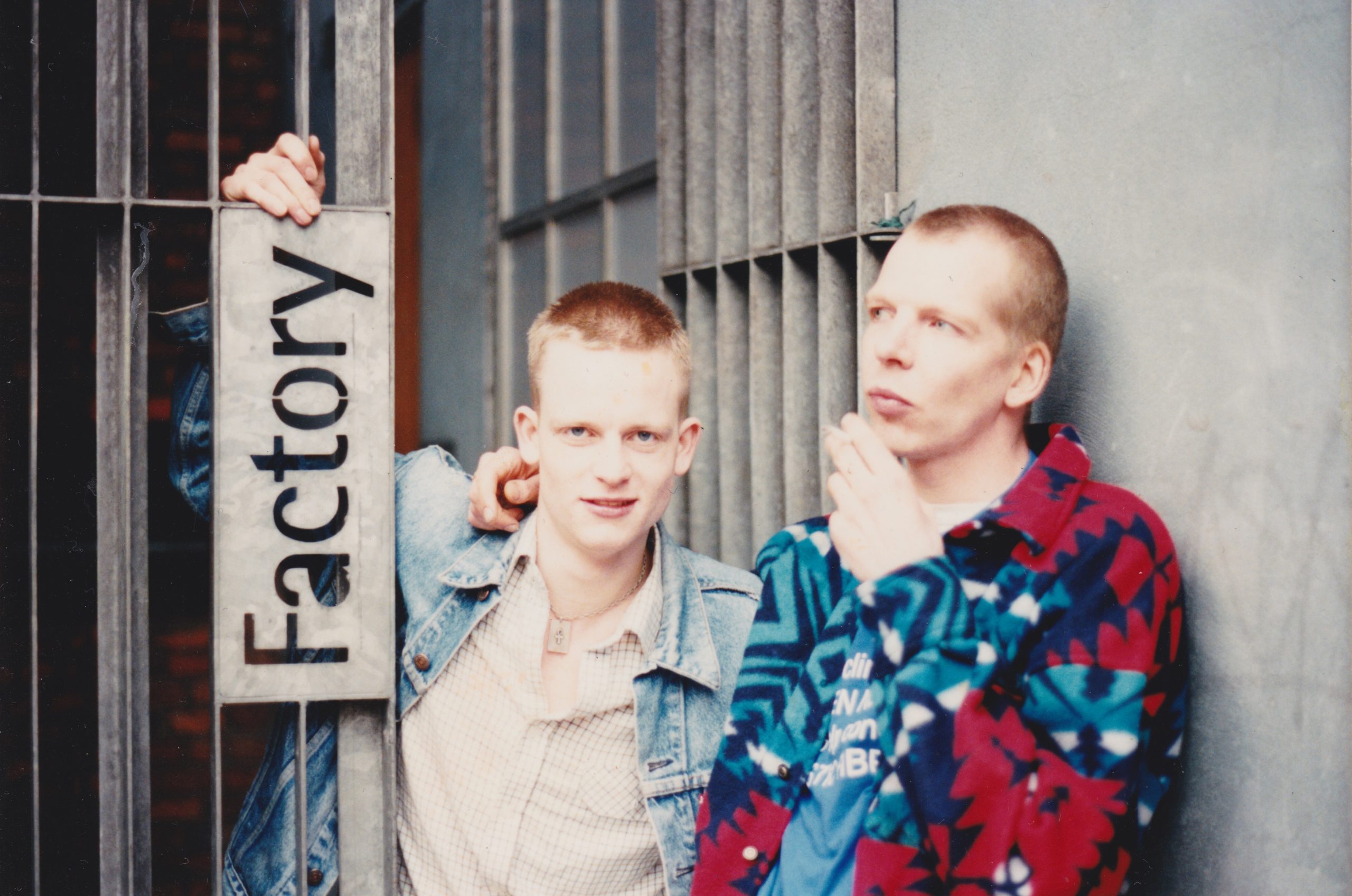
Queer Up North launches digital archive full of visual art and more from legendary Manchester festival / Credit: Jonathan Keenan (Supplied)
It also facilitates a platform for new work, inspired by the legacy of Queer Up North, with founders emphasising that its purpose is as much about the future, as it is the past.
Tanja Farman and Gavin Barlow, founder-directors of Queer Up North shared: “The festival set out to be pioneering, innovative, international and inspirational, and looking back 34 years later, is it incredibly exciting to see that history preserved and celebrated.
“The Queer Up North Archive ensures that the creativity and contributions of LGBTQ+ artists and communities are remembered, while opening up their work and stories to a new generation.

 Daisy Jackson -
28th March 2024
Daisy Jackson -
28th March 2024