Balmoral Castle will open its doors to the public for the very first time this summer – but despite charging a hefty £100 per head, demand has tipped the landmark’s website over the edge.
Those hoping to book a guided tour of the Royal Family’s Highland retreat have found themselves stuck in virtual queues as people rushed to buy tickets.
The incredible castle has long allowed visitors to walk its grounds and huge estate, but visitors have never been able to see inside its beautiful rooms.
For the first time since it was completed in 1855, experienced guides will be leading private tours through Balmoral Castle’s historic halls and rooms.
The tour includes access to the ballroom, where a collection of King Charles’s watercolours are displayed, capturing Balmoral, Highgrove and Sandringham.
ADVERTISEMENT
There also outfits worn by Charles, Camilla, the late Queen Elizabeth II (who passed away at Balmoral in 2022) and the Queen Mother.
The tours will teach people about the origins of the castle, from the purchase of it by Queen Victoria and Prince Albert all the way through to the present day, and how the rooms are used by members of the Royal Family.
ADVERTISEMENT
But Balmoral Castle is a historically important and therefore expensive estate to maintain, and the ticket prices reflect that – much to many people’s horror.
Balmoral Castle’s website crashed after releasing £100 tickets to go on a tour of the building. Credit: Unsplash, Martin Bennie
Prices for the tours start from £100, or go up to £150 if you want to chuck in afternoon tea.
Despite the pricey admission fee, tickets for Balmoral Castle tours appear to have already sold out.
ADVERTISEMENT
There were a limited number put on sale today – only 40 issued each day for tours between a trial period of 1 July to 4 August.
Balmoral Castle announced the limited run of dates to test how the building copes with increased footfall.
And then the doors will close again ahead of King Charles’ annual break to the Scottish estate in the summer.
10 destinations from Manchester Airport where you can enjoy 30ºC temperatures from £46pp in October
Lydia Mastrolonardo
Need one last dose of sunshine, to top up the tan, before accepting that autumn is here? Look no further.
Now it’s getting darker in the evenings and there’s that familiar chill back in the air, it’s got us all feeling a bit nostalgic of the warmer days.
I remember a time this summer where we were practically begging for a slightly cooler climate, well now it’s here, this isn’t quite what we had in mind. Bring back the sweltering heat and suncream, I say.
With that said, it’s not too late to catch the last bits of sunshine.
Lucky for you we’ve got just the remedy – Manchester Airport has just released a list of destinations to make a last minute trip, with returns from £46 per person, this October.
With their route network of over 200 destinations and over 50 airlines to choose from, there’s plenty of options for a ‘shoulder season’ holiday.
Think about it – early to mid October would be perfect for those of you wanting the same famous cities, beaches and balmy temperatures but with fewer crowds – a quieter getaway for cheaper – it’s a no brainer really.
Then late October would be fabulous for families on half-term, needing a cheap little break, before the cold winter months set in.
If you’ve not had a chance to get away this year but find the process of planning a holiday a little daunting – fear not. We’ve carefully compiled this list of the best ten deals below for you to browse:
Malta
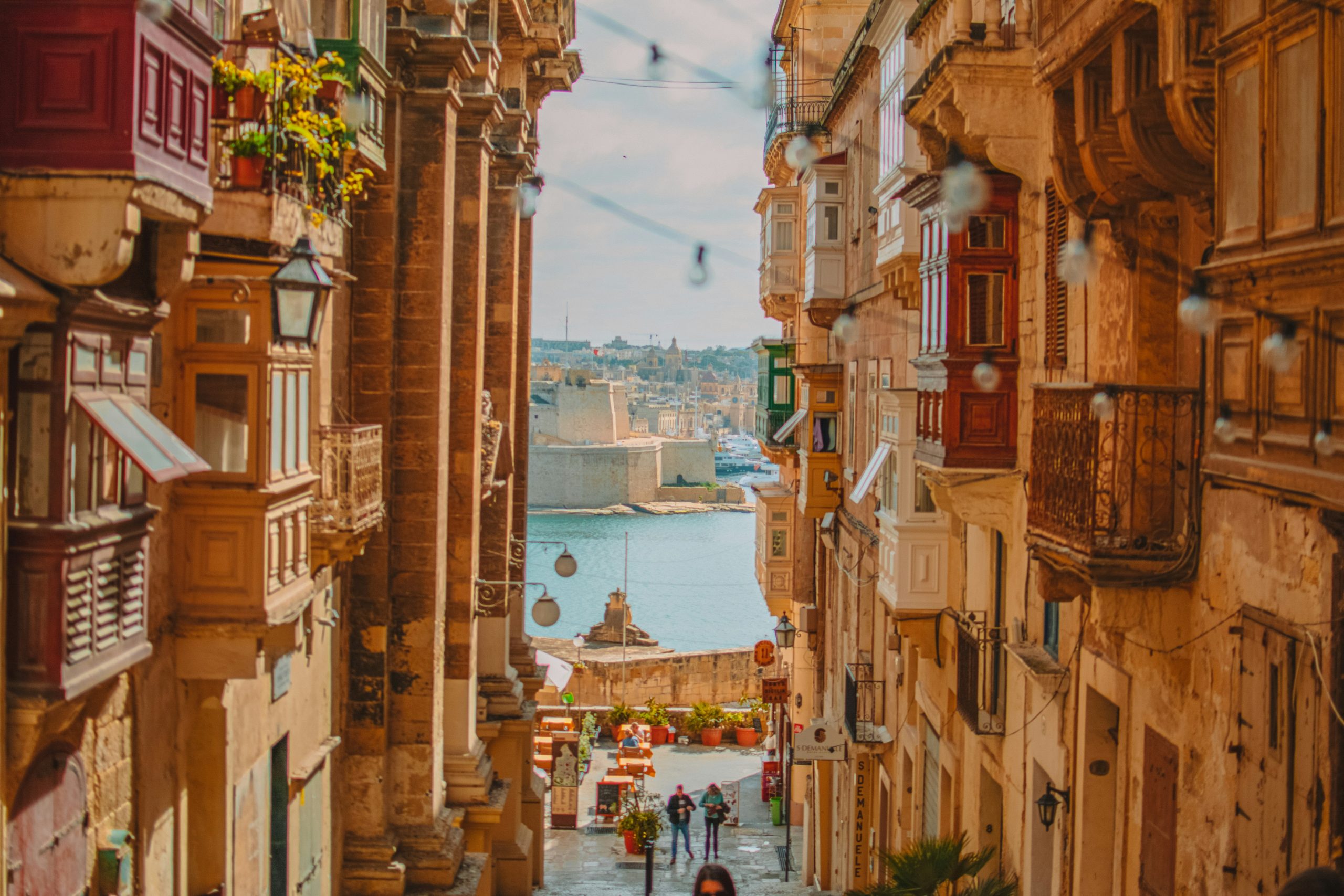
You can fly to Malta from Manchester this October. Credit: Unsplash, Calin Stan
During the summer months Malta’s stunning beaches – including its famous Blue Lagoon – are swarmed with holiday-goers, but leaving it a little later could actually be the move.
With October retaining the same high temperatures of up to 25ºC, it’s perfect for beach days, but with less tourists.
Fly direct from Manchester to Malta with Ryanair from £46pp return.
Tenerife
Tenerife offers a sunny holiday in October from Manchester. Credit: Unsplash, @the_bracketeer
Tenerife is always in Manchester’s top five destinations by passenger numbers, and we can see why. Especially since temperatures are reliably in the mid-twenties well into autumn.
From the peaceful mountain retreats in the island’s north to the family beach resorts in Costa Adeje and the nightlife scene around Playa de las Americas, there really is something for everyone.
Average daytime high temperatures remain at 25ºC in October.
Fly direct from Manchester to Tenerife with Ryanair from £58pp return.
Madeira
Madeira is still warm in autumn. Credit: Unsplash, @mickkirch
Another amazing option is Madeira, in the North Atlantic, unique with its volcanic landscapes and dramatic black sand beaches, offering a slightly different kind of beach holiday.
This stunning Portuguese island offers some incredible food and mild temperatures during the autumn – think t-shirts and shorts during the day and a light layer for the evenings.
Fly direct from Manchester to Madeira with Ryanair from £70pp return.
October is arguably the best time to visit, avoiding the blistering heat of midsummer, allowing you to explore cultural sites like the ancient ruins of Kition, whilst still being hot enough to enjoy its blue flag beaches.
Fly direct from Manchester to Larnaca with TUI from £134pp return.
Heraklion, Crete
Beautiful Crete offers October sunshine from Manchester, Credit: Unsplash, Elena Dimaki
Why not try out Heraklion in Crete, Greece’s largest island.
October is perfect for exploring the Old Town and storied Venetian fortress.
It is also conveniently peak grape harvesting season at many of the region’s wineries, which often host festivals, with tours and stays available – the perfect couples get away if you ask me.
ADVERTISEMENT
Fly direct from Manchester to Heraklion with TUI from £113pp return.
Along the North African coast temperatures remain high well into autumn – which means weather reminiscent of Europe in summer, but without the flocks of tourists.
Away from the seafront, visitors to the Moroccan city of Agadir enjoy exploring its gardens, art museums, and shopping for handmade souvenirs at the Souk El Had market.
Fly direct from Manchester to Agadir with Ryanair from £61pp return.
Fuerteventura
Fuerteventura is a popular destination for an October holiday from Manchester. Credit: Unsplash, Paul Treubrodt
Fuerteventura is the least-visited of the four major Canary Islands but by no means falling short in any way.
ADVERTISEMENT
This island has endless white sand beaches, warm year-round sunshine and conditions perfect for water sports, like windsurfing and kitesurfing.
Not to mention, it will be even quieter during shoulder season.
Fly direct from Manchester to Fuerteventura with Ryanair from £58pp return.
Fancy a city break on Turkey’s Turquoise Coast? Well, now you can for £111.
Here, you will find more than 600 miles of coastline with sandy beaches, ancient historical sites like the ruins of Side, and rugged mountainous terrain.
ADVERTISEMENT
Antalya’s natural beauty can be better enjoyed during the cooler climate of autumn, including more comfortable exploration along the Lycian Way hiking trail.
Fly direct from Manchester to Antalya with Sunexpress from £111pp return.
Palermo, Sicily
You can fly direct to Palermo in Sicily from Manchester. Credit: Unsplash, Michele Bitetto
Palermo is one of Italy’s and Europe’s oldest continuously inhabited cities.
Its history greets you at every winding turn, from its centuries-old Cathedral and Norman Palace to its harbour, museums and galleries.
A short drive down the coast in either direction, will reveal some of Sicily’s best beaches, with crystal clear water and breathtaking views.
ADVERTISEMENT
Fly direct from Manchester to Palermo with Jet2.com from £110pp return.
Cape Verde
Cape Verde offers great out-of-season weather. Credit: Unsplash, Martin Widenka
The West African island nation of Cape Verde is the place to be following its national team’s huge achievements at this summer’s World Cup.
Sal is one of its most popular tourist spots, with straw umbrellas, beach bars serving up local beer, caipirinhas and fresh grilled seafood.
It also has a lovely relaxed feel to its cobbled streets and markets, perfect for a peaceful getaway somewhere new.
Fly direct from Manchester to Sal with easyJet from £172pp return.
Manchester has been named one of the most ‘affordable’ cities in the UK – this is why
Emily Sergeant
A list of the top 10 most affordable cities in the UK has been revealed, and Manchester has made the cut for one very specific reason.
On a bit of a budget? Aren’t we all.
The cost of living crisis has been raging on for quite a few years now, and unfortunately, despite how much we all wish for it to, it doesn’t appear to be slowing down – with prices for everyday items, especially typical fridge and cupboard stables, shooting up by the day, even though supermarkets are showing efforts to prevent it.
And it’s the noticeable price increases in groceries that led delivery insurance provider, Street Cover, to uncover which UK cities don’t strain your food shopping budgets too much just yet.
As it was found that food and non-alcoholic drinks inflation reached 1.3% this past summer, a new study has revealed that Sheffield is officially the most affordable city in the UK, with several other northern locations on the list.
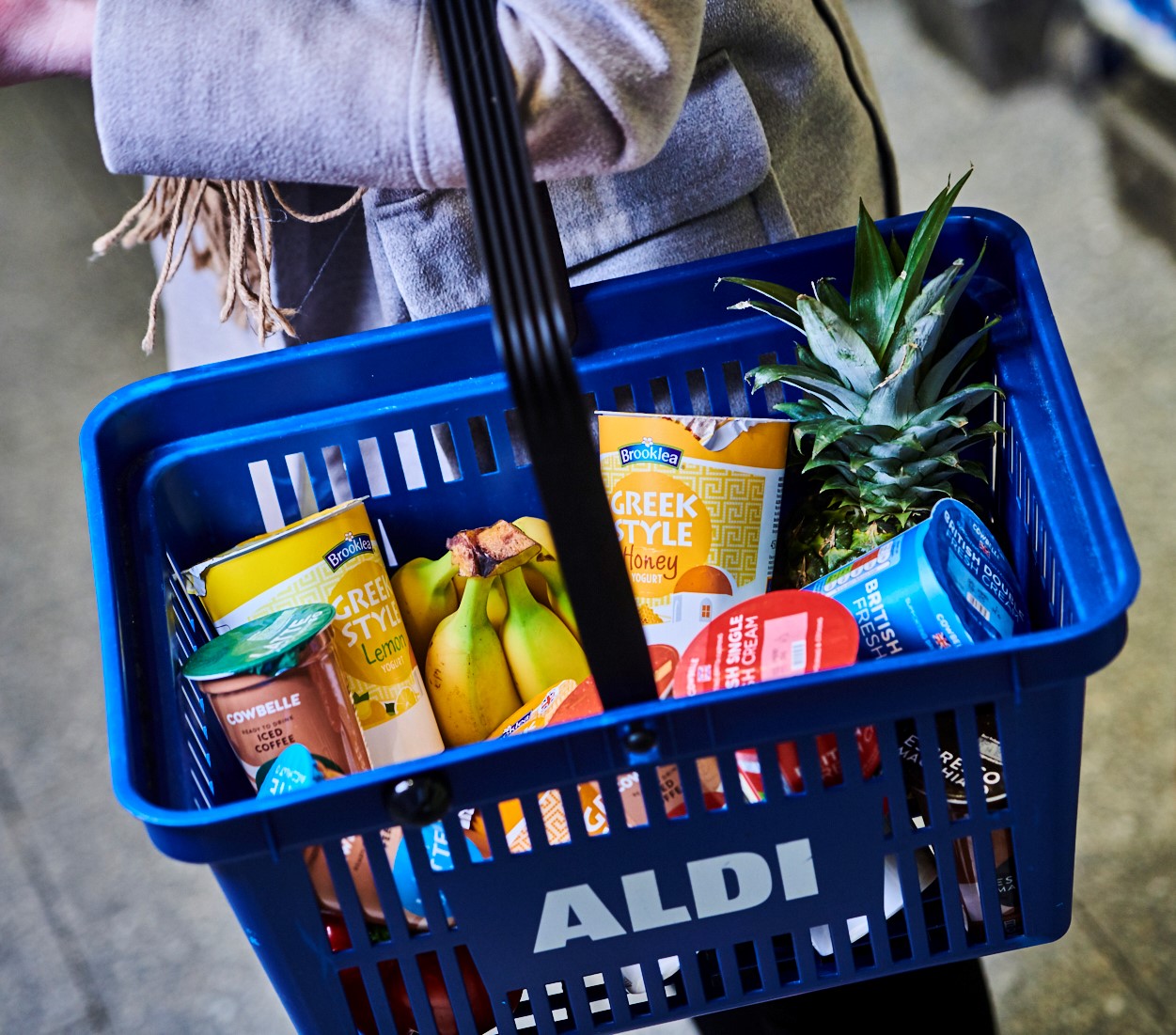
Manchester has been named one of the most ‘affordable’ cities in the UK / Credit: MCC | Aldi
The study compared the 2026 Grocery Index for the largest UK cities with the UK average, as well as available 2025 Grocery Indices, to track the changes in food affordability.
The cities are ranked by the index difference from the national average – which is 67.3 – but the report also uses direct monetary values for a grocery basket to provide some additional context too.
Manchester took sixth place on the list, with an average grocery basket price of £23.08, while some of the other northern cities in the top 10, besides Sheffield at number one, include Liverpool, Leeds, and Newcastle.
Top 10 Most Affordable UK Cities For Groceries
Sheffield
Milton Keynes
Liverpool
Reading
Newcastle
Manchester
Leeds
Bristol
Cardiff
Southampton
As the only other North West city in the top 10, Liverpool may have come in third place overall, but the study found that the grocery bill here is the smallest in terms of actual monetary numbers – with it setting shoppers back £22.08 for a regular supermarket basket, which is a whole £1 cheaper than in Manchester.
“Data shows households in the North East of England have the lowest average food spend in the country, around 11% below the UK average, while Yorkshire sits 6.6% below,” Al Taylor, who is the Head of Street Cover, commented on the study’s findings.
“Sheffield’s position at the top reflects lower property costs for retailers, less competition from premium chains, and a supermarket landscape dominated by value-led options.
“The practical implication for household budgets is significant – the difference between budget and premium shopping can easily be £1,000 or more per year for a family, which can be spent on other things or saved for future plans.”

 Daisy Jackson -
3rd April 2024
Daisy Jackson -
3rd April 2024