The National Trust is readying to reopen Manchester’s sky park Castlefield Viaduct this weekend.
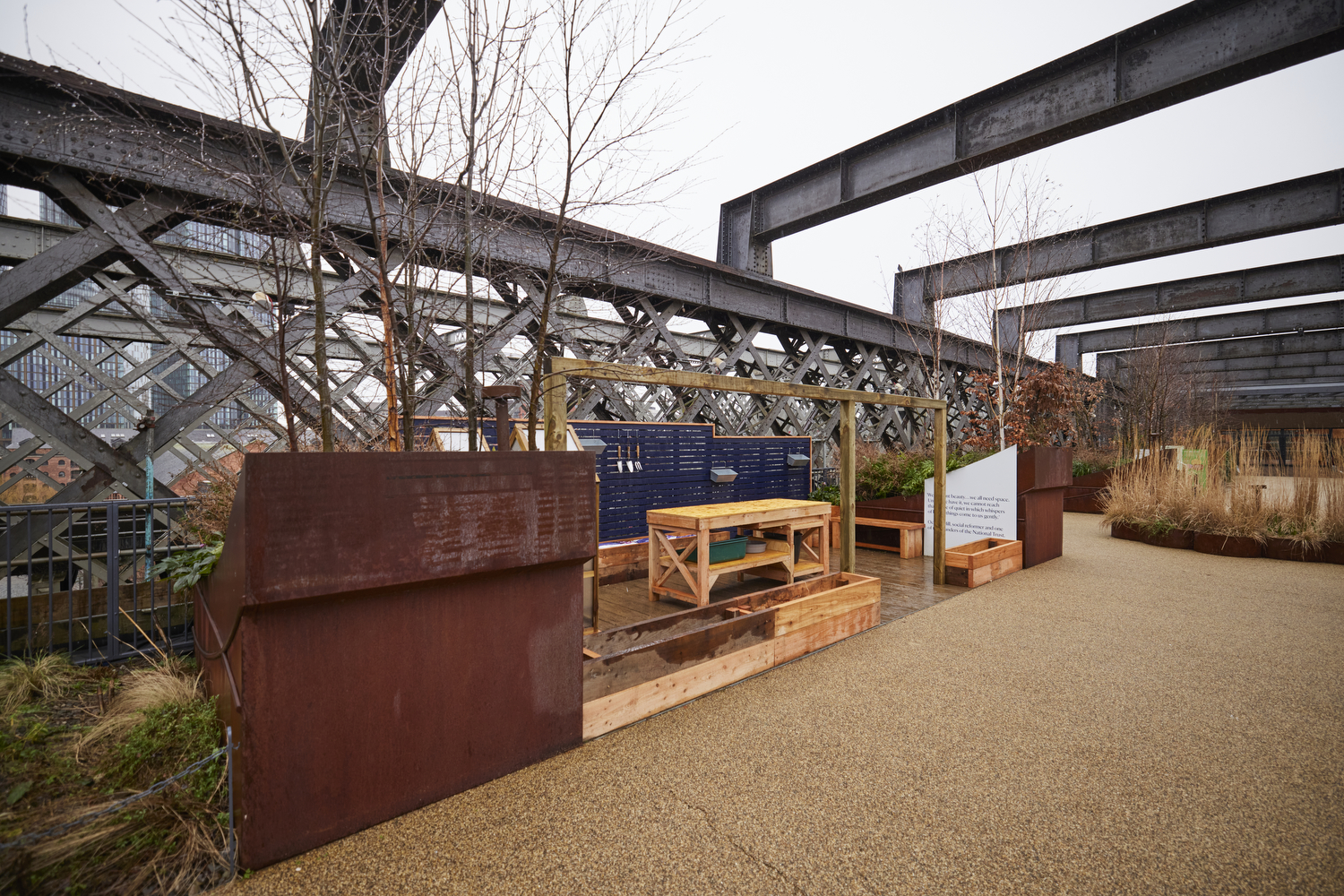
The beautiful green space, built on top of the Grade II-listed viaduct with staggering views across Manchester city centre, has been closed for a short time while a new community workshop space was built.
The 330m steel Victoria viaduct is now readying to welcome back visitors from Saturday 10 February.
The elevated sky park has been open since July 2022 as a temporary pilot project, though the National Trust is hoping to make the project a permanent attraction for Manchester.
Since its launch, it’s welcomed more than 85,000 visitors, some through community activities in and around the city.
ADVERTISEMENT
The charity has worked on transforming the previously-abandoned Castlefield Viaduct to increase access for all to nature, history and beauty in urban areas.
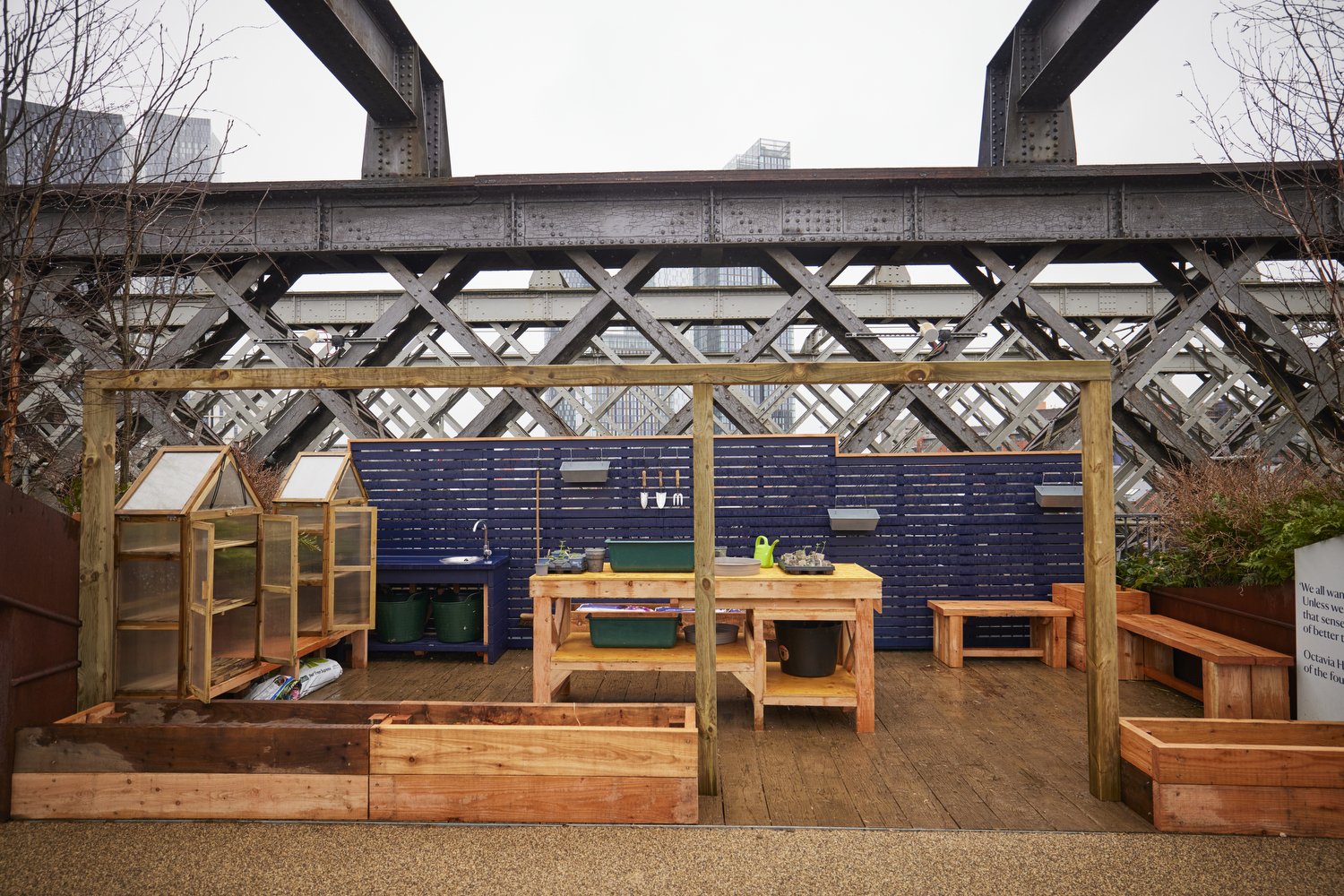
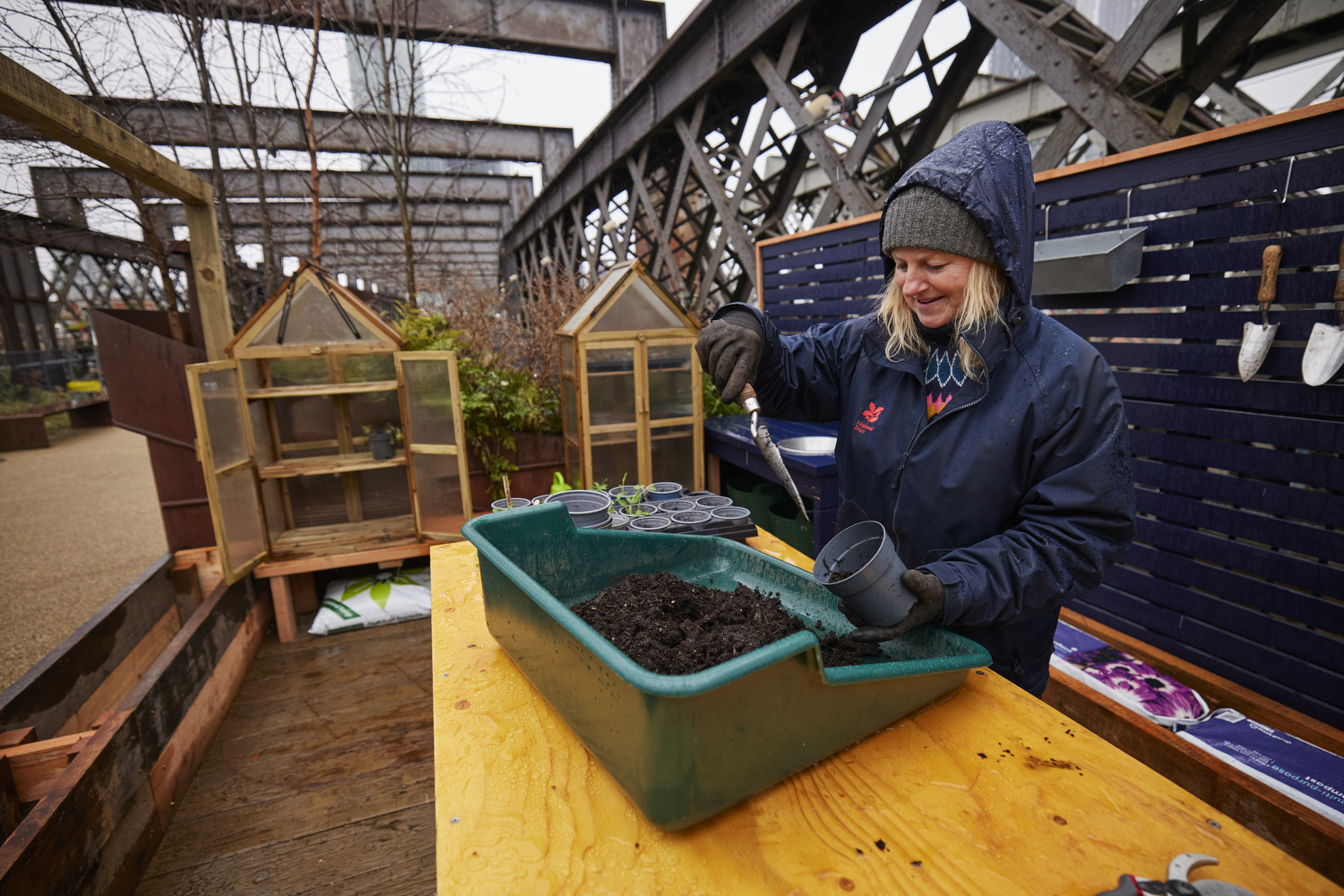
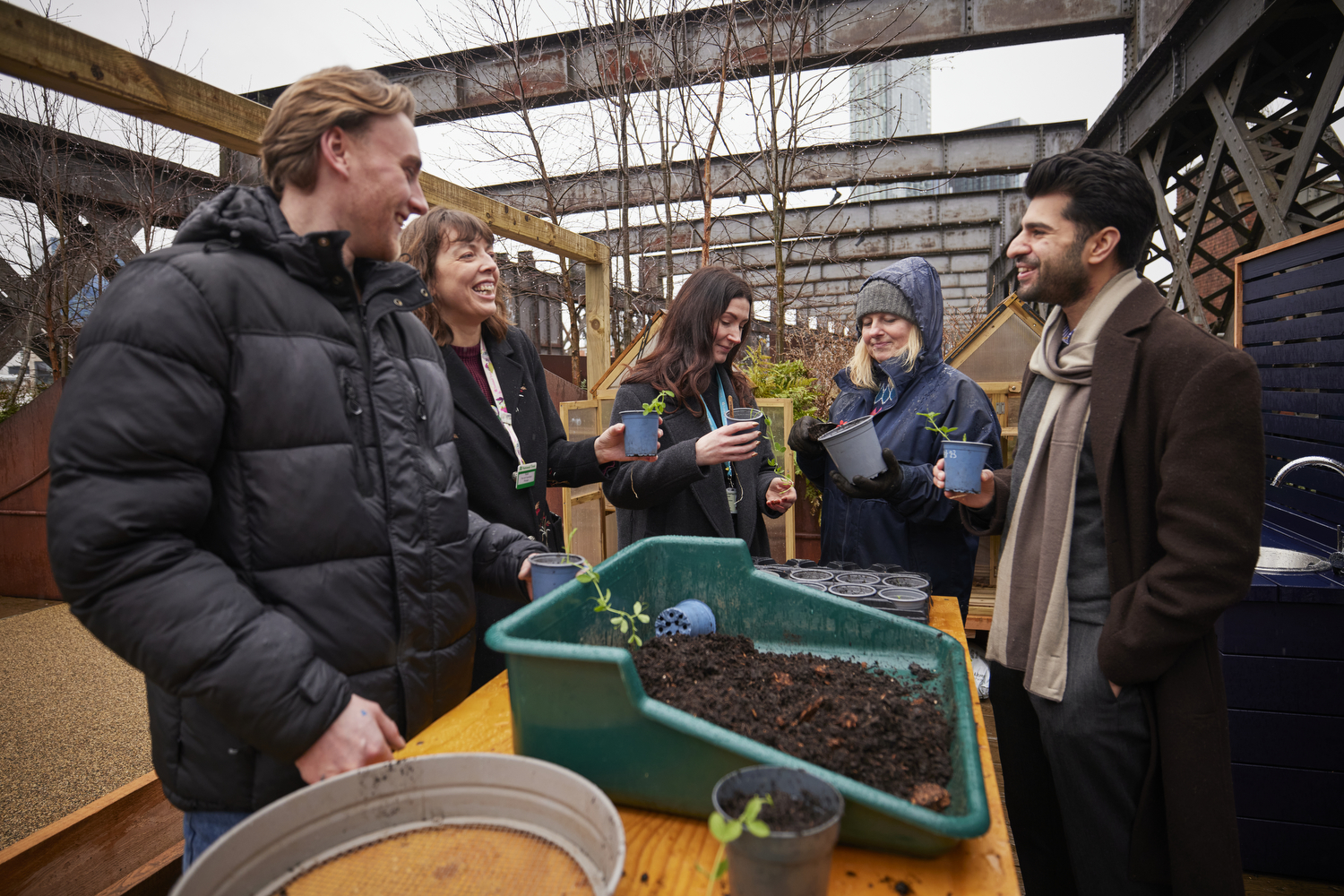
With its new workshop space, created with Sow the City, members of the public will be able to have a go at green-thumbed activities and learn horticultural skills like seed sowing and propogation.
ADVERTISEMENT
The workshop has a huge workbench that can be modified for wheelchair users, mini greenhouses, soil, water and power.
Manchester’s Castlefield Viaduct sets to re-open after the winter months. Credit: Mark Waugh
Nancy Scheerhout, National Trust Head Gardener for Castlefield Viaduct, says: “We’re delighted to have worked with our partners, Sow the City, to bring this new workshop space to the viaduct.
“It will provide us and our community partners with a dedicated area to get more people involved in, and benefitting from, green activities. We’ve made the space as sociable and hands-on as possible, and we have plans to add interactive compost that people can see and hear!
ADVERTISEMENT
“As a conservation charity dedicated to connecting more people with nature, we know the importance of increasing simple and everyday interactions with nature to enrich lives. Offering ‘green workshops’ and activities in the space, alongside our partners and friends, we can encourage small space growing in the city.
“It’s a great opportunity to grow people’s confidence and skills in creating their own greenspace, improving the environment, their wellbeing, and their skillset in the process.”
National Trust head gardener Nancy Scheerhout at Castlefield Viaduct. Credit: Mark Waugh
Jon Ross, Chief Executive of Sow the City, says: “We’re passionate about enabling more people to get involved with growing, engaging with urban nature and learning new skills and this space will support the communities we work with to do just that.
“This is the second space on the viaduct we’ve been involved with designing and installing, and we can’t wait to see people using the space and have a go ourselves!”
The rest of Castlefield Viaduct features four ‘partner plots’ operated by Hulme Community Garden Centre, City of Trees, Castlefield Forum and Sow the City.
ADVERTISEMENT
The gardens have been planted to created year-round flora displays, and upcoming events will include the return of the city-wide ‘Bloomtown’ blossom trail this spring.
National Trust head gardener nancy and Kate Picker visitor operations and experience manager Manchester’s Castlefield Viaduct sets to re-open after the winter months.
Nancy continues: “As we head into our second spring on the viaduct, we’ve learned so much from this unique urban site and have developed our planting schemes for 2024 with those in mind. Planting at height, in the middle of a city centre, and in steel containers, means the team and I keep a close check on how things are bedding in and how life on the viaduct is evolving.
“We’re excited to welcome the public back and showcase great horticulture. For me, a garden only truly comes to life with people in it and engaging with nature. We’re looking forward to the many joys of spring.”
Entry onto Castlefield Viaduct will remain free when it reopens to the public this weekend. Members of the public can visit, without booking, every afternoon from 12.30pm and all day on Wednesday, Saturday and Sunday.
There’s space for up to 10 people in the new community workshop, and local groups and communities are invited to reach out by emailing [email protected] to book their spot.
A spectacular Chinese garden has opened at RHS Bridgewater, and it’s a must-visit
Daisy Jackson
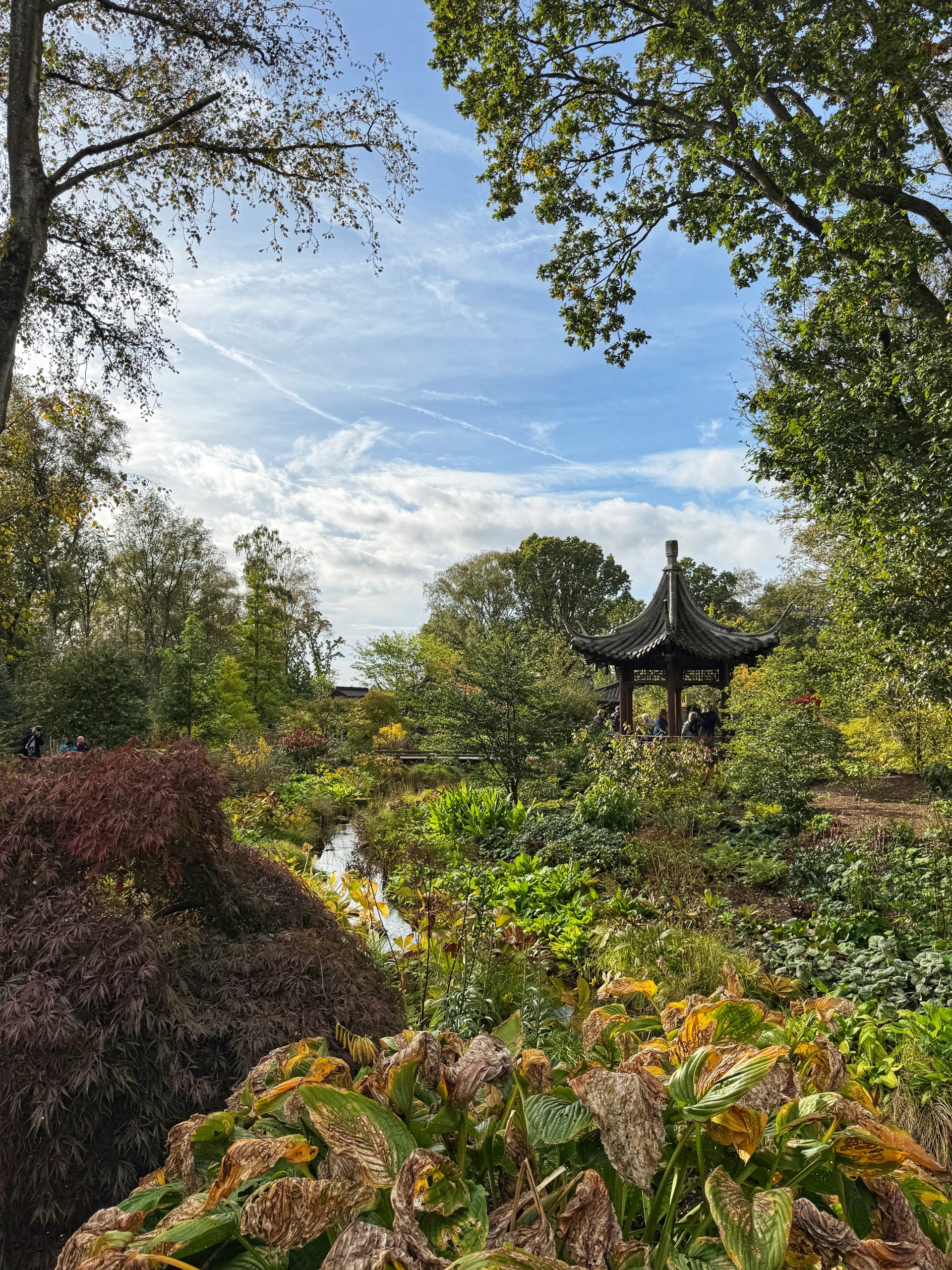
RHS Bridgewater has opened the Yangzhou Scholars’ Garden, the centrepiece of a spectacular Chinese garden.
At seven acres, the Chinese Streamside Garden is the largest, most comprehensive, and most authentic classical Chinese garden in all of Europe.
It’s taken more than eight years to complete, and has utilised landscape architects and specialist craftspeople from China, using traditional techniques rarely seen outside the country.
This has been combined with the contemporary British garden setting of RHS Bridgewater to create a new must-visit attraction in Greater Manchester.
It’s also be designed to be as beautiful in each season as the last, with spring magnolias and cherry blossom, all the way through to dazzling autumn colours from acers and gingkos.
The Chinese garden is the result of an ambitious international collaboration of fundraising, design and craftsmanship between Yangzhou City, China Flower Association, Yangzhou Classical Garden Construction Company*, the City of Salford, Greater Manchester’s Chinese community and the RHS.
Inspiration comes from the historic scholars’ gardens of Yangzhou in Jiangsu province in East China, embodying the classical Chinese principle that gardens are places of philosophy, learning, reflection and seasonal observation.
The landscape features rock, water, planting, and timber structures, with each step revealing new views and perspectives.
There are four interconnected pavilions surrounding a courtyard and pond, each dedicated to one of the four traditional scholarly arts – chess, music, calligraphy and painting.
Pavilions are dedicated to traditional scholarly arts – like chessTimber structures and water feature heavilyEvery step reveals a new viewFootpaths weave through the Chinese garden at RHS BridgewaterThe space has taken almost eight years to completePlants have been chosen for their year-round beautyCredit: The Manc Group
Key features include traditional hand-crafted mortise-and-tenon joinery, Chinese Fir timber sourced from FSC-certified forests, kiln-fired tiles and handmade brickwork from China, intricate stone carvings, and detailed stone mosaic and poetic inscriptions.
More than 200 trees and shrubs representing 56 species and cultivars have been selected for their seasonal beauty and cultural significance, with planting conveying traditional messages of good luck, health, happiness and love.
Marcus Chilton-Jones, Head of RHS Garden Bridgewater explained: “The opening of the Yangzhou Scholars’ Garden is a landmark moment for RHS Garden Bridgewater, for Greater Manchester and the UK.
“This remarkable international collaboration has created not only a beautiful garden, but a lasting symbol of friendship, cultural exchange and shared learning.”
Tracy Snell, Curator at RHS Garden Bridgewater said: “It’s a garden full of meaning and intricacies.
“Importantly, it can be enjoyed throughout the seasons – from spring magnolias and cherry blossom to restful summer greens and the vibrant autumn colour of acers, ginkgos and euonymus.
“Chinese scholars’ gardens were created as places to slow down, reflect and reconnect with nature.
“Visitors will discover something new around every corner, and I can’t wait for people to experience the sense of calm and wonder the garden creates.”
Mr Gerry Yeung, Chinese Streamside Garden Founding Committee member added: “The opening of the Yangzhou Scholars’ Garden is a proud and historic moment for everyone who has helped bring this vision to life and the result of many years of dedication, generosity and shared ambition from people in both China and Greater Manchester.
“We hope visitors will enjoy discovering this special place and, through it, gain a deeper appreciation of the rich traditions, artistry and values that have inspired Chinese gardens for centuries.”
The Peak District stroll named one of the UK’s most beautiful autumn walks
Daisy Jackson
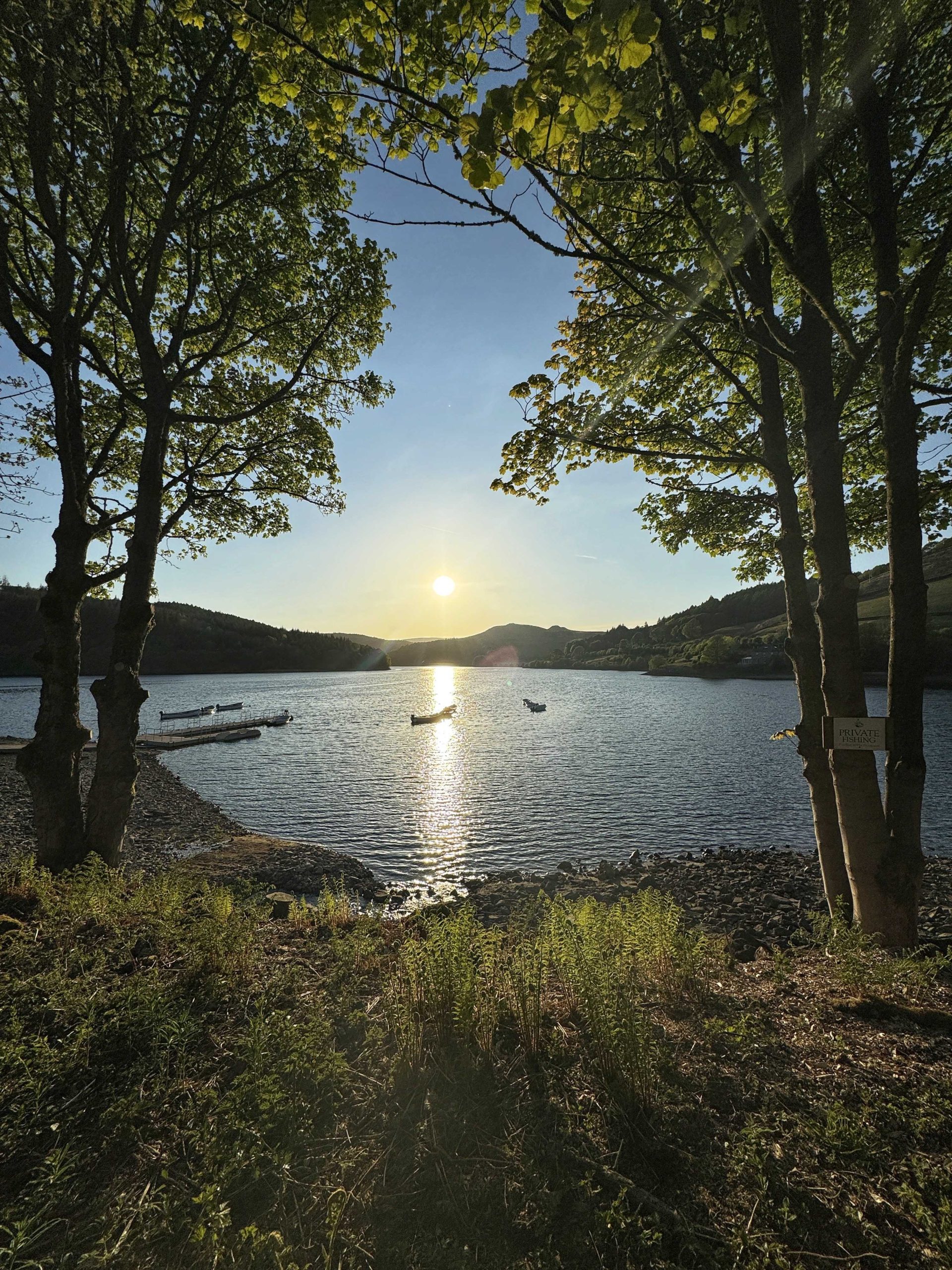
A Peak District walk taking in dramatic reservoirs, rolling fields and rugged moorland has been named one of the UK’s most beautiful autumn walks by The Times.
The circular route, which starts and finishes at Fairholmes car park near Derwent Dam, offers walkers the chance to experience the national park at one of the most colourful times of the year.
As autumn arrives, the surrounding fells turn shades of copper and bronze, while the changing season brings opportunities to spot some of the area’s wildlife.
The Times has listed some of the finest spots in the country to get out for a stroll as the seasons change, which includes a walk not too far from Manchester.
They’ve highlighted the Derwent Valley because of the chance to see ring ouzels gathering to feed before beginning their migration to Africa, alongside mountain hares starting to change from their brown summer coats into snowy white winter fur.
The walk begins at the distinctive, turreted Derwent Dam, before heading right alongside Ladybower Reservoir. Walkers then pick up a footpath veering left past Lanehead Cottage, crossing fields and open moorland as the route climbs towards the higher ground.
The scenery becomes increasingly dramatic along the way, with steep-sided cloughs and sweeping views across the Derwent moors offering plenty to take in.
Derwent Dam. Credit: Unsplash, Carl Beech
After reaching the moorland, the route bears left before following a downhill path near the ruins of Bamford House. From there, walkers loop back alongside Derwent Reservoir to return to Fairholmes car park.
The combination of waterside paths, open countryside and more challenging climbs makes the route a varied way to explore the Peak District, particularly as the landscape takes on its autumn colours.
And for anyone wanting to round off the walk with a meal, The Times recommends a visit to The Anglers Rest.
The 17th-century coaching inn serves traditional pub dishes alongside modern classics, offering walkers a welcoming place to refuel after a day exploring the countryside.

 Daisy Jackson -
8th February 2024
Daisy Jackson -
8th February 2024