A new supermarket chain is set to open in the UK, and it’s already proving to be a rival to leading budget retailers Aldi and Lidl.
MERE Retail – which is affectionately known by some as “the Russian Lidl” – was founded in 2009 as Svetofor in Siberia, and has since gone on to become one of the largest Russian retail operators in the discounter segment, with more than 2,500 stores in Europe and a reported total of 3,200 stores worldwide.
Although fellow European budget supermarket retailers Aldi and Lidl are likely to be the easiest comparison for Brits, MERE compares itself to Costco.
What makes it different to Costco is that there is no membership fee and no in-store service.
MERE branches are currently set to open doors over the coming months in Castleford, Mold, Caldicot and the nearby Lancashire city of Preston – which is expected to open in mid-July – but the retailer is yet to put down routes in Greater Manchester.
ADVERTISEMENT
Now though, it’s reported in The Grocer that plans to step up store openings elsewhere in the UK are beginning to take shape.
Speaking to The Grocer earlier this month, Pavels Antonovs – Head of UK Buying at MERE – claimed that the supermarket would be 30% cheaper than rivals, adding that: “We are the gap in the market [and] we don’t have any competitors.
ADVERTISEMENT
“Our model is no service and no marketing.”
Each UK store will reportedly be about 10,000 square feet, and have just eight workers.
Another thing that makes MERE different to other retailers is that items are typically sold directly from the pallets they’re delivered on, and the supermarket buys stock from suppliers on a “sale or return basis” – which means it’ll return any unsold goods back to the seller.
ADVERTISEMENT
The shops are also said to include a walk-in chiller room and freezer.
MERE Retail has set out ambitious plans to open over 300 stores in the UK within the next eight to 10 years.
Featured Image – MERE Retail
Trending
You can now have a private sleepover amongst all the history inside Manchester Museum
Emily Sergeant
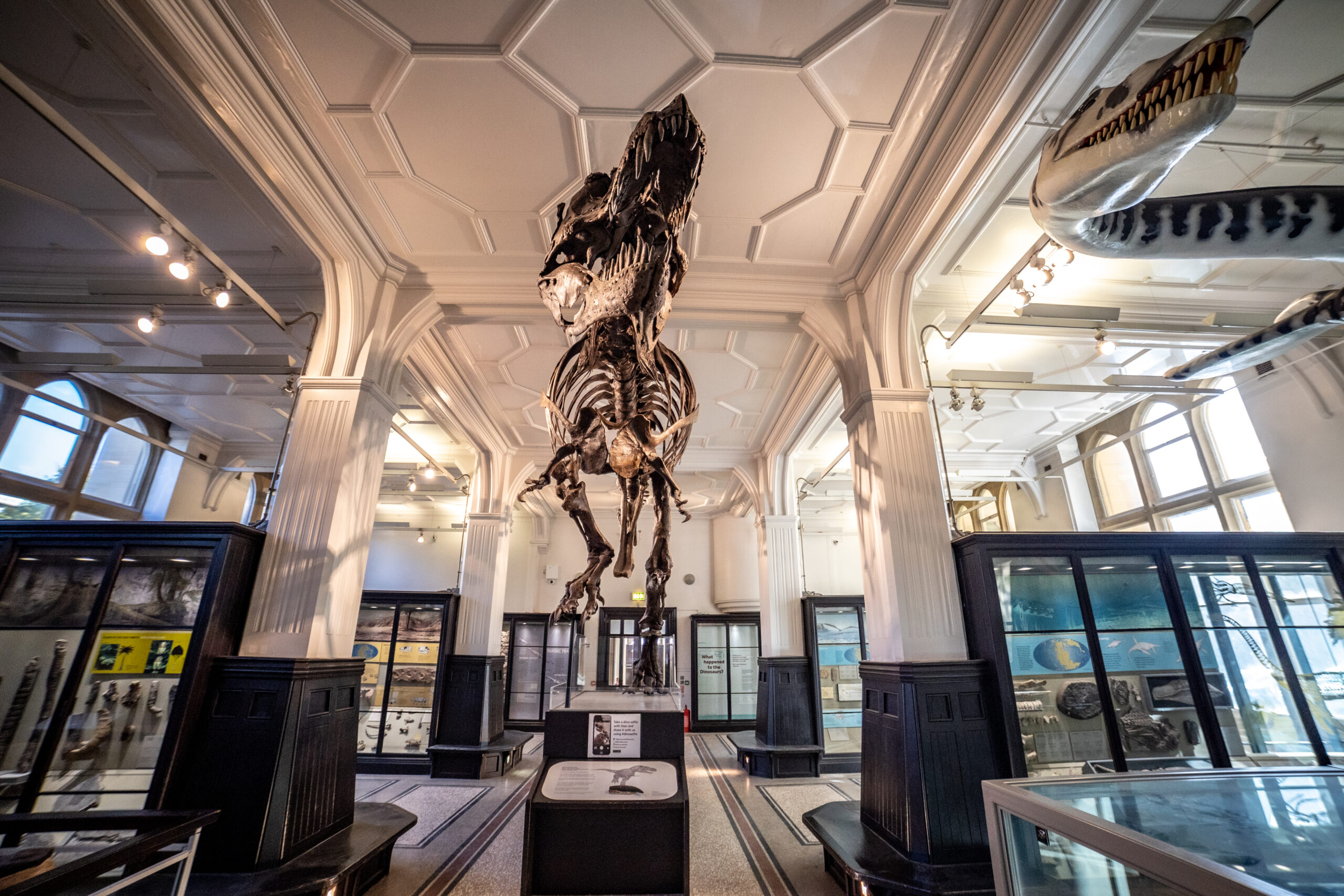
Manchester Museum is now offering one lucky family the chance to have a sleepover with Stan the Tyrannosaurus rex.
For the first time in Manchester Museum’s history, one lucky family will be given the chance to experience an incredible night at the museum.
This unique opportunity is being offered as part of a prize draw, allowing visitors to find out what happens once the sun goes down inside the Fossils and Dinosaurs gallery – in the company of Stan, the famous Tyrannosaurus rex, of course.
The Fossils and Dinosaurs gallery is one of the most iconic spaces within Manchester Museum.
Having opened to the public all the way back in 1888, it’s part of the museum’s original building designed by celebrated Alfred Waterhouse, who also designed Manchester Town Hall and London’s Natural History Museum.
Not only will the lucky winning family enjoy an overnight stay in the gallery, but they’ll also be treated to a guided torchlight tour of the galleries after the Museum has closed, as well as other fun activities and a film screening too before bed.
You can now have a private sleepover inside Manchester Museum / Credit: The Manc Group
“We can’t be completely sure what happens when the sun goes down in our Fossils and Dinosaurs gallery, because nobody has ever spent the night in there before, but we can only imagine the kind of fun that can be had with Stan the T. rex and his friends,” said Dean Whiteside, Head of Commercial and Operations at Manchester Museum.
“This is a chance to be a part of museum history and enjoy the kind of once-in-a-lifetime experience you can’t usually buy.
“At the same time, Manchester Museum is a charity so, by getting behind this initiative, you’ll be helping to support vital work that impacts the lives of people across Greater Manchester and beyond.”
Fancy it then? You can enter the prize draw by buying a ticket for £5 from the Manchester Museum Shop, with each ticket counting as one entry and the winner set to be chosen at random from all valid entries.
The prize draw is now open and closes on Monday 28 September 2026.
Featured Image – Supplied
Trending
A Twilight rave is coming to Manchester with DJs blasting 2000s indie and emo anthems
Emily Sergeant
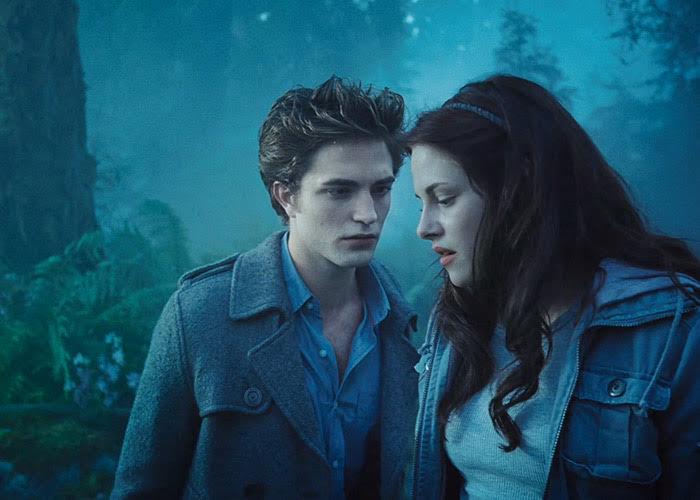
A Twilight rave is coming to Manchester this spooky season.
It’s been nearly 20 years since the release of the titular first film in the Twilight Saga, based on author Stephanie Meyer’s bestselling book series of the same name, but despite two decades having passed, the films remain as beloved as ever.
Twilight went on to become a global phenomenon when it first hit cinemas back in November 2008, not just with its target audience of teens and young adults, but with people of all ages – making stars out of its lead actors Robert Pattinson and Kristen Stewart in the process, and generating millions at the box office.
With the impact it had on the culture at the time, it’s no wonder Twilight remained among fans’ favourites all these years later.
And this success is why events company Throwback Events is hosting a series of Twilight Raves across the UK and Europe this autumn, making a stop off here in Manchester in late November with tickets now on sale.
The event description reads: “Bella, where the hell you been loca? Join us as we celebrate Twilight at the club, where every day is Hoa Hoa Hoa season.
“Step into the shadows and relive the magic, mystery, and eternal romance of Twilight. Get ready for a night of anthems, nostalgia, and glittering darkness as we transform the dancefloor into Forks’ most iconic vampire coven.”
DJs will be spinning Twilight soundtracks on the night, alongside dark pop, emo, indie, and 2000s bangers, as well as playing fan edits from the films on big screens.
Oh, and to make it all the better, dressing up as vampires and werewolves is ‘highly encouraged’.
Fancy it then? The Twilight Rave is coming to the Deaf Institute in Manchester on Saturday 21 November, and tickets will set you back upwards of £7 each.

 Emily Sergeant -
15th June 2021
Emily Sergeant -
15th June 2021