A number of Greater Manchester councillors have warned that local residents “will go mad” if they’re forced to have seven different wheelie bins.
The government is looking to introduce new measures to standardise the waste collection process in England from 2023 in a bid to boost recycling rates as part of its proposed Environment Bill, and it means that households could be issued four bins for dry recyclables, as well as separate containers for non-recyclable materials, garden waste, and food waste.
As part of the process shake-up, the government is also pushing for food waste to be collected separately and on a weekly basis.
But Greater Manchester is hoping to avoid the changes.
The region’s waste and recycling committee fear that the proposals will lead to “streets full of bins” and clutter that could block pavements for people with mobility issues.
ADVERTISEMENT
Waste officials also say that some homes in the region, such as terraced houses and apartment blocks, may not even be able to accommodate the new bins, and on top of that, the extra lorries needed to collect the additional bins could cause congestion and an increase in vehicle emissions.
Concerns have also been raised about a potential lack of drivers to man the bin lorries, as earlier this month, collections were stopped in South Manchester due to national shortage of heavy goods vehicle drivers and COVID-related issues.
ADVERTISEMENT
The government is looking to introduce new measures to standardise the waste collection process in England from 2023 / Credit: Geograph
This is just one of the reasons why the Greater Manchester Combined Authority (GMCA) has made the case to the government that the four-bin system should remain in place.
Labour councillors for Bury, Trafford, and Stockport have all voiced their concerns.
Speaking at a waste and recycling committee on earlier this month, Allan Quinn – Labour Councillor for Bury said: “I think we’re paying the price for being 20 years ahead of the game [as] we’ve got a system that works, and if it’s not broken, don’t try and fix it.
ADVERTISEMENT
“Residents will go mad over this.”
On the other hand, Conservative councillor Adele Warren said that she could see the merits in weekly food collections, even if it will be “incredibly challenging”.
She pointed out that local authorities in Greater Manchester are striving towards carbon neutrality by 2038, and that this could lead to more food waste being turned into a type of renewable energy called biogas to help towards that goal.
The government is expected to respond to local authorities in the autumn, with further consultation on statutory guidance and minimum service standards expected in 2022.
Featured Image – Flickr
Trending
Manchester has been named one of the most ‘affordable’ cities in the UK – this is why
Emily Sergeant
A list of the top 10 most affordable cities in the UK has been revealed, and Manchester has made the cut for one very specific reason.
On a bit of a budget? Aren’t we all.
The cost of living crisis has been raging on for quite a few years now, and unfortunately, despite how much we all wish for it to, it doesn’t appear to be slowing down – with prices for everyday items, especially typical fridge and cupboard stables, shooting up by the day, even though supermarkets are showing efforts to prevent it.
And it’s the noticeable price increases in groceries that led delivery insurance provider, Street Cover, to uncover which UK cities don’t strain your food shopping budgets too much just yet.
As it was found that food and non-alcoholic drinks inflation reached 1.3% this past summer, a new study has revealed that Sheffield is officially the most affordable city in the UK, with several other northern locations on the list.
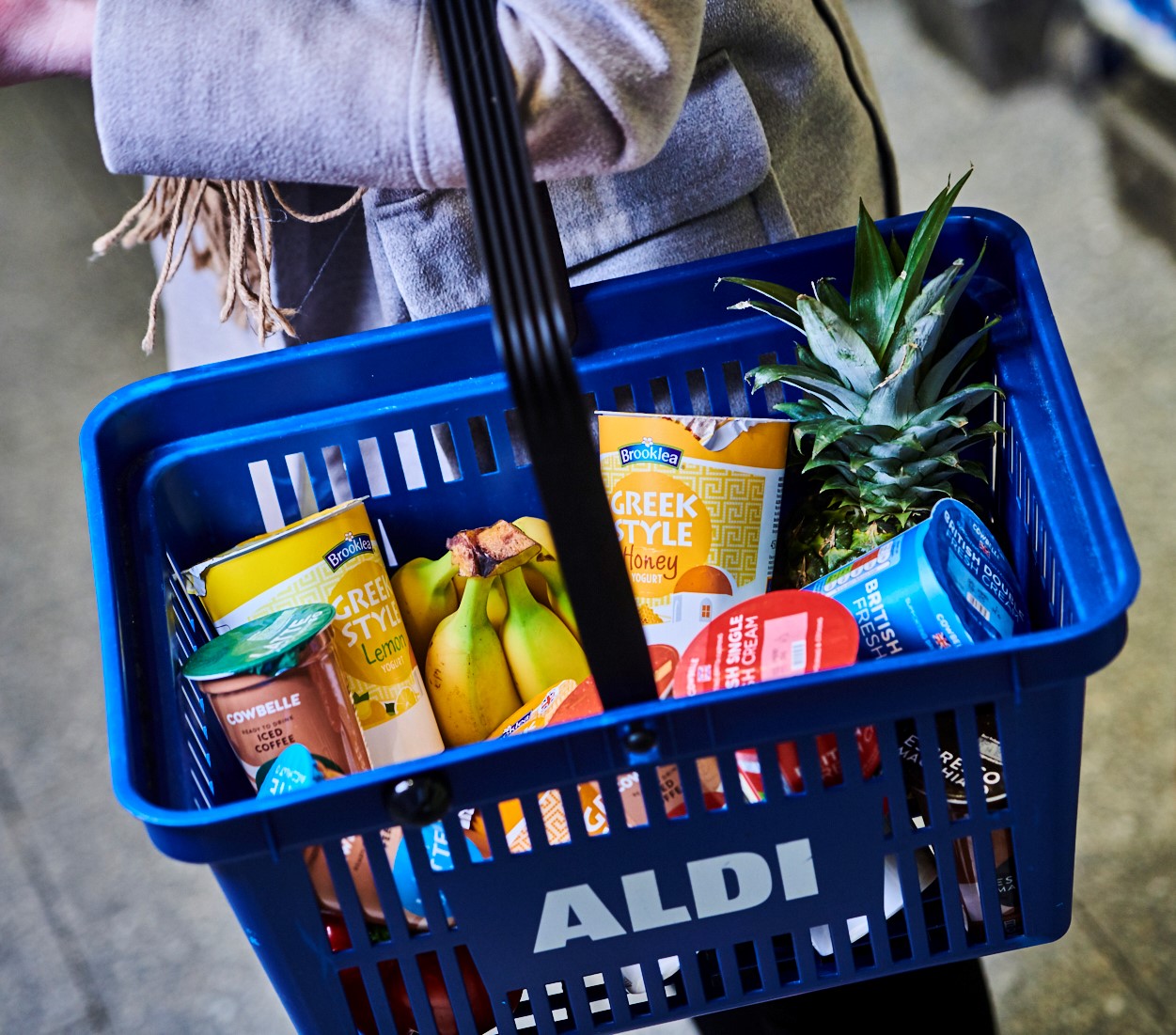
Manchester has been named one of the most ‘affordable’ cities in the UK / Credit: MCC | Aldi
The study compared the 2026 Grocery Index for the largest UK cities with the UK average, as well as available 2025 Grocery Indices, to track the changes in food affordability.
The cities are ranked by the index difference from the national average – which is 67.3 – but the report also uses direct monetary values for a grocery basket to provide some additional context too.
Manchester took sixth place on the list, with an average grocery basket price of £23.08, while some of the other northern cities in the top 10, besides Sheffield at number one, include Liverpool, Leeds, and Newcastle.
Top 10 Most Affordable UK Cities For Groceries
Sheffield
Milton Keynes
Liverpool
Reading
Newcastle
Manchester
Leeds
Bristol
Cardiff
Southampton
As the only other North West city in the top 10, Liverpool may have come in third place overall, but the study found that the grocery bill here is the smallest in terms of actual monetary numbers – with it setting shoppers back £22.08 for a regular supermarket basket, which is a whole £1 cheaper than in Manchester.
“Data shows households in the North East of England have the lowest average food spend in the country, around 11% below the UK average, while Yorkshire sits 6.6% below,” Al Taylor, who is the Head of Street Cover, commented on the study’s findings.
“Sheffield’s position at the top reflects lower property costs for retailers, less competition from premium chains, and a supermarket landscape dominated by value-led options.
“The practical implication for household budgets is significant – the difference between budget and premium shopping can easily be £1,000 or more per year for a family, which can be spent on other things or saved for future plans.”
Featured Image – Aldi
Trending
Mancs wanted to take part in a new series of the ‘hardest quiz show on TV’
Emily Sergeant
Call yourself a clever clogs? The BBC is currently looking for contestants to take part in what is widely considered the hardest quiz show on TV.
That’s right – Only Connect is back for another series on BBC Two.
Presented by Victoria Coren Mitchell and first broadcast all the way back in 2008, Only Connect takes TV quizzing to the next level, as it sees two teams compete against each other by finding connections between seemingly unrelated clues.
In this quiz show – which viewers have dubbed one of the most challenging there is – knowledge only takes you so far, as the ability to think laterally is also deemed ‘vitally important’.
A casting call for the upcoming 2027 series has been shared on the BBC website, with people from Greater Manchester encouraged to apply.
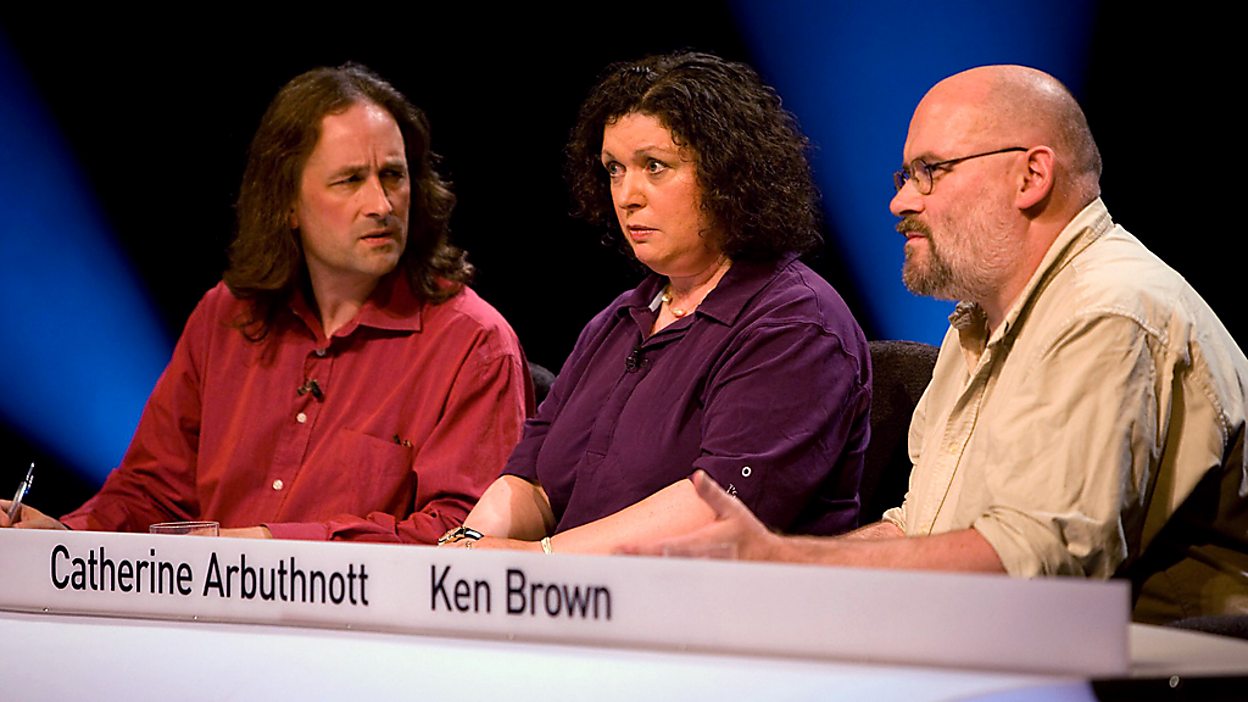
Mancs wanted to take part in a new series of the ‘hardest quiz show on TV’ / Credit: BBC
The casting call reads: “The popular BBC Two quiz show presented by Victoria Coren Mitchell returns for a new series in 2027.
“Only Connect is seeking teams of three players OR single applicants or teams of two looking for like-minded teammates to pool their combined wits to solve fiendish conundrums and vexing puzzles.
“This is the quiz series where, as in life itself, knowledge will only take you so far: patience and lateral thinking are also vital. It’s all about making connections between things which may appear, at first glance, not to be connected at all.”
Reckon you’ve got what it takes then? Applications are now open, and all applicants must be aged 18 or over and a resident in the UK or Channel Islands.

 The Manc -
28th July 2021
The Manc -
28th July 2021