The BBC has announced that tickets to the 2023 Eurovision Song Contest officially go on sale to the public today.
With the UK set to host the 2023 edition of the world’s biggest song competition on behalf of 2022 winners Ukraine, fans from across the globe will descend on Liverpool on Saturday 13 May – and for those keen to watch one of the live shows in person, tickets go on sale today.
Eurovision fans who want to try their chances at securing tickets to either one of the Semi Finals or the Grand Final itself will need to be poised and ready.
Big #Eurovision2023 news! Tickets will be on sale from midday GMT on Tuesday 7th March 🎉
It’s not just the televised shows that fans can grab tickets for either, as there’s a total of nine live shows at the this year’s Contest – which is being staged at the Liverpool Arena from Monday 8 May, until the main event on Saturday 13 May.
There’ll be an Afternoon Preview Show and an Evening Preview Show for both of the two Semi Final events and the Grand Final, all before the Live TV Shows are then recorded at 8pm that evening, and studio audiences are to head on down and sing to their heart’s content at each one.
ADVERTISEMENT
Fancy having a crack at securing tickets then? Here’s everything you need to know.
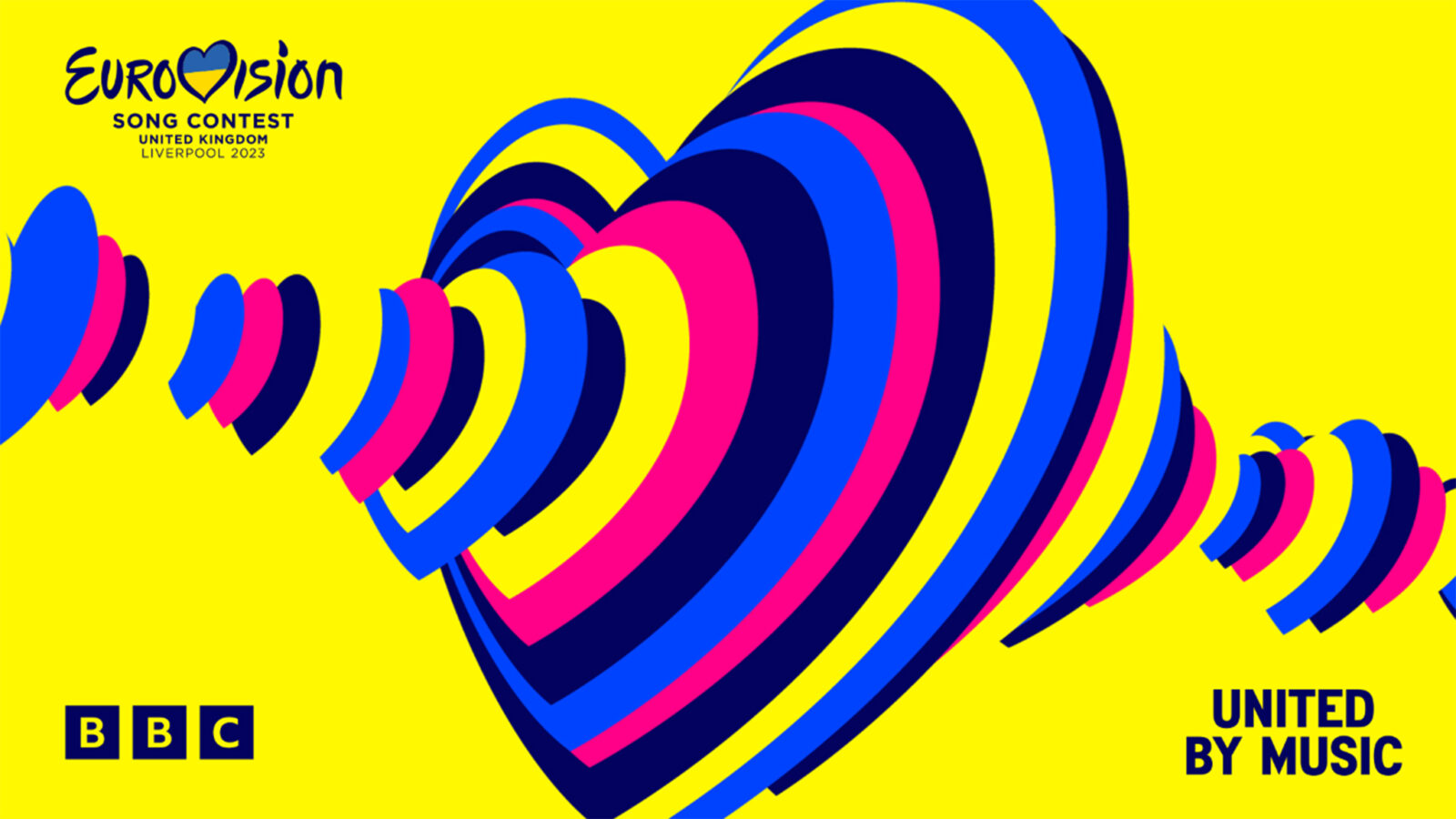
Official artwork for the Eurovision Song Contest 2023 / Credit: Eurovision Song Contest
What time do tickets go on sale? And how much do they cost?
Tickets to the Eurovision Song Contest 2023 go on sale at 12pm (GMT) on Tuesday 7 March.
ADVERTISEMENT
Tickets are priced from £30 to £290 for each of the Semi Final shows, and from £80 to £380 for the Grand Final shows – all depending on the seats and packages.
How many tickets can I buy?
You can only buy tickets for one show at a time.
For the three live televised shows, customers can purchase a maximum of four tickets in one order, but for the six preview shows, you can buy a maximum of six tickets.
ADVERTISEMENT
This year’s Contest is being held in the North West city of Liverpool / Credit: Eurovision Song Contest
What’s the differences between each show?
The Afternoon Preview Show – usually referred to as the ‘Family Show’ – is a full run-through of that day’s Live TV Show, and serves as one final rehearsal for the artists and crew, and as the name suggests, it’s much more convenient for those who wish to bring younger Eurovision fans.
The Evening Preview Show – often referred to as the ‘Jury Show’ – is also a full run-through of that day’s Live TV Show when it comes to the Semi Finals, but in the case of the Grand Final, it’s when the international juries cast their votes for the participants.
And then the Live TV Show is exactly what it says on the tin.
Where do I buy tickets?
Tickets will only be available to purchase from Ticketmaster, regardless of the country you’re booking from, and you can only purchase tickets for one show at a time.
You must have a Ticketmaster account to purchase tickets, and fans are encouraged to create their account in advance of Tuesday 7 March.
ADVERTISEMENT
Kalush Orchestra of Ukraine as they were crowned winners of last year’s Contest / Credit: Eurovision Song Contest
How tricky will it be to get tickets? What’s my best shot at securing them?
As it probably goes without saying, demand for tickets is expected to be high, but as fans who have travelled to a Contest before will tell you, traditionally, it can be easier to secure tickets for the Preview Shows than one of the Live TV Shows.
“Preview Shows have all of the content and performances of the broadcast shows, but leave you free to watch the Live TV Show as it was intended… on the television,” Eurovision says.
The Government has already announced earlier this year that 3,000 tickets will be made available for those Ukrainians who have been forced from their homes and are living in the UK – meaning they can attend one of the Live Shows and help mark the Ukrainian group Kalush Orchestra’s victory at last year’s Contest.
Featured Image – Eurovision Song Contest
Trending
What is the UK’s national dish? New survey reveals Brits’ pick in landslide victory
Emily Sergeant
If you’ve ever thought to Google the question ‘what is Britain’s national dish?’, then you probably came away thinking it’s chicken tikka masala.
But is that actually the truth? A new survey has disproved the claim, massively.
There’s no denying that chicken tikka masala – an Indian curry that’s actually widely thought to have been created in Britain – is a popular dish that’s loved by many, but despite what many headlines have claimed over the years, a new YouGov survey has revealed it’s not what Brits consider to be the country’s ‘national dish’.
YouGov conducted two online surveys earlier this month, made up of 2,079 and 2,104 adults aged 18+ living in Great Britain.
And, in their own words, Brits chose fish and chips as the country’s national dish, making it the ‘resounding’ winner with 49% of the vote.
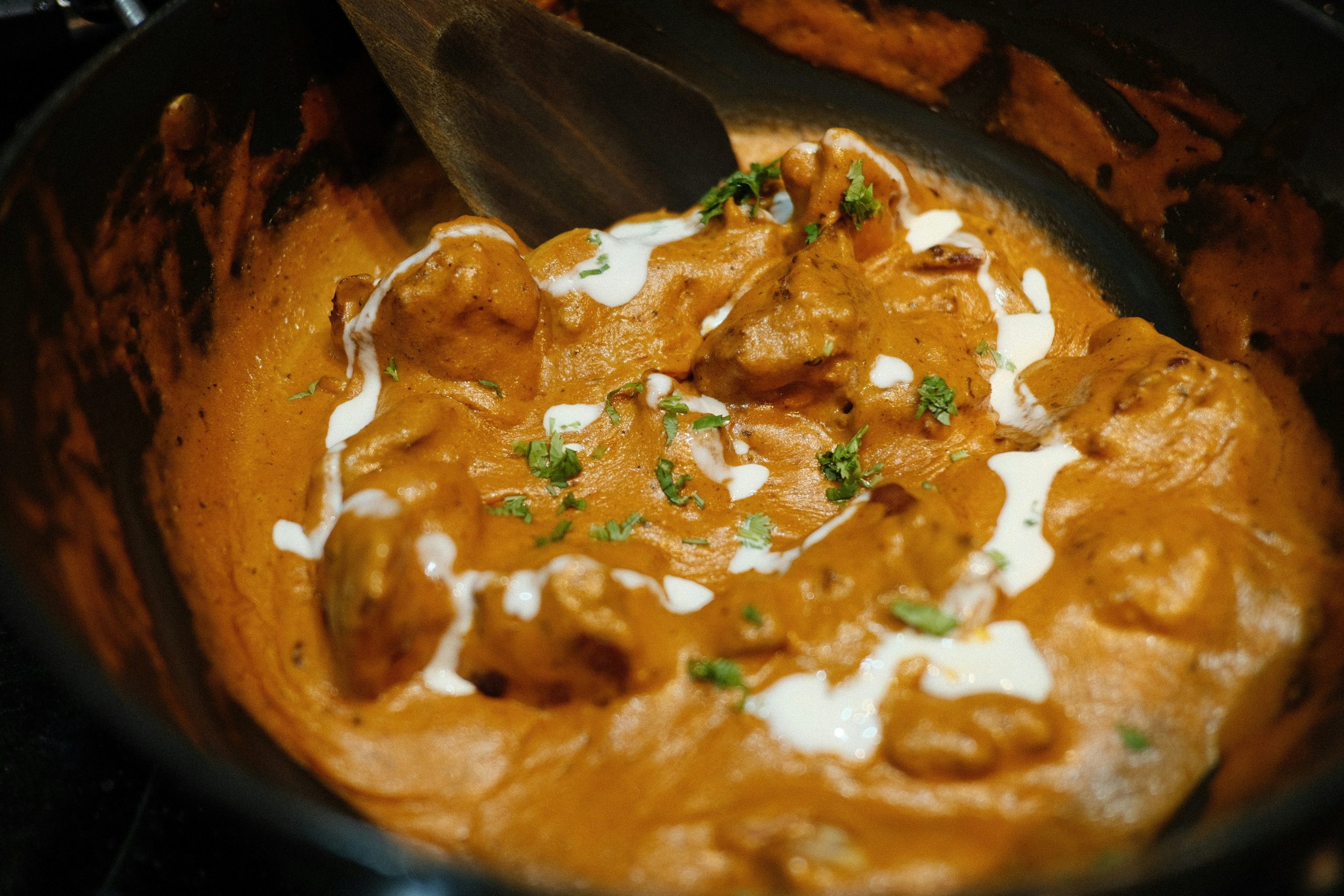
What is the UK’s national dish? A new survey has revealed Brits’ pick in a landslide victory / Credit: The Manc Group
With nearly half of the overall vote, this puts fish and chips far ahead of the roast dinner in second place, which only 24% of people picked – including the 6% who made sure to specify a beef roast.
In fact, only 3% of Brits actually name chicken tikka masala as the UK’s national dish, although 52% in the survey did confess that they eat some form of curry at least once a month, so it is still a popular pick regardless.
Fish and chips is by far the most common answer across all generations too, according to the survey (45-50%), with the biggest difference between age groups being that 18-24 year olds are less likely to have nominated roast dinner and more likely to have chosen chicken tikka masala instead.
What do Brits say is the UK’s national dish?
Fish and chips – 49%
Roast dinner – 24%
Chicken tikka masala – 3%
Curry (non-specific) – 2%
Full English breakfast – 2%
Bangers and mash – 1%
Cottage or shepherd’s pie – 1%
Other – 3%
Don’t know – 15%
The survey also showed that, of the three top contenders for the UK’s national dish, roast dinners are the most frequently eaten, as 52% of people said they eat them on a monthly basis – including 16% who do so every week.
Aside from the frequently mentioned dishes, some survey respondents also gave shoutouts to the full English breakfast (2%), bangers and mash (1%), and cottage or shepherd’s pie (1%).
What do you think then? Do you agree with the survey’s findings? Or would you have picked something else instead?
Featured Image – Raman SQC (via Unsplash)
Trending
James Acaster reveals eerie song all Traitors contestants are forced to listen to before every roundtable
Emily Sergeant
James Acaster has revealed the eerie (and pretty surprising) song that all Traitors contestants are forced to listen to before every roundtable.
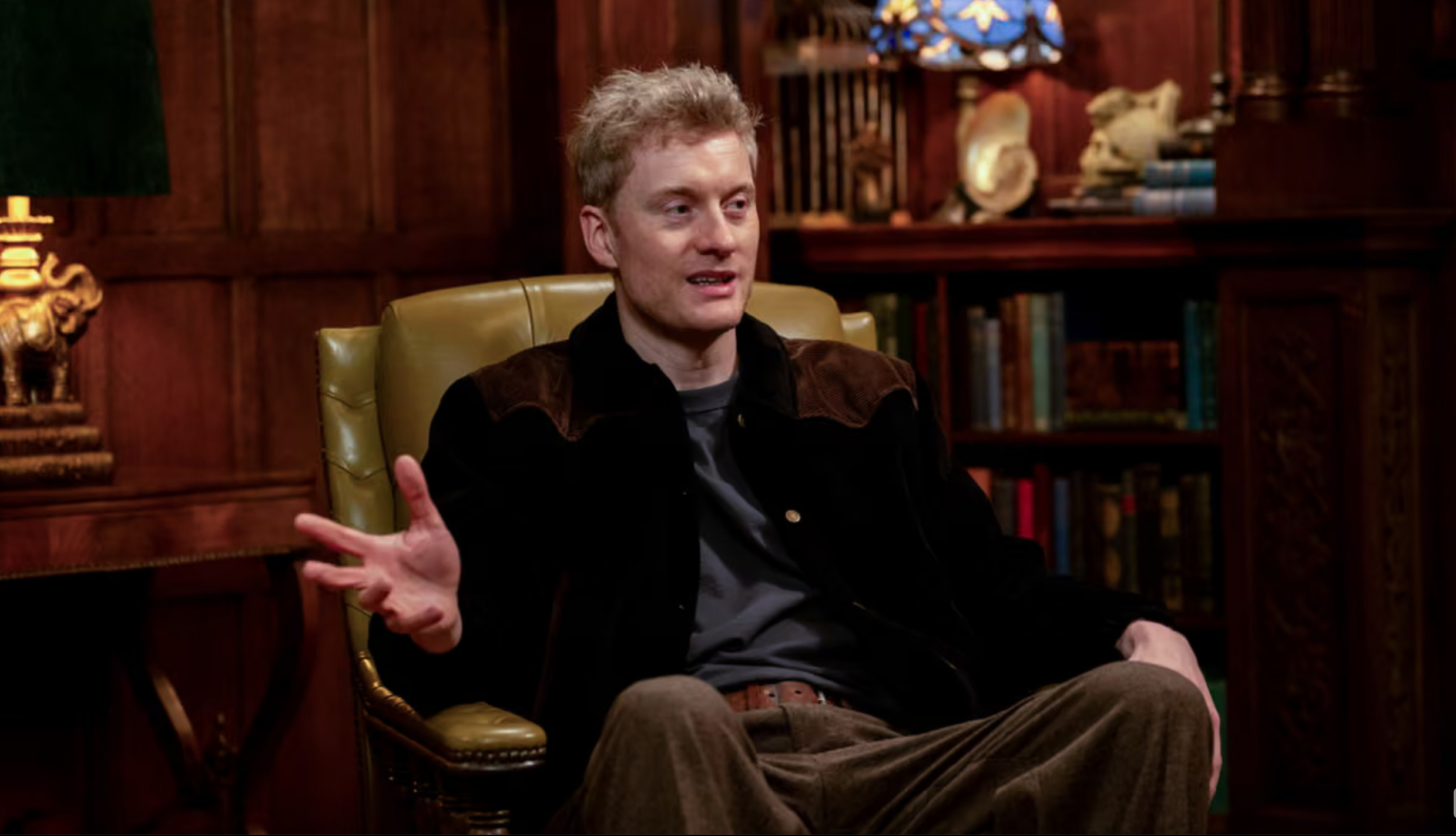
In case you’ve been living comfortably under a rock, you’ll probably be aware that comedian James Acaster is currently a contestant on this current season of BBC‘s smash-hit reality TV competition show, The Celebrity Traitors – a show that viewers in their millions are tuning into each week, with some big names on the cast.
Acaster is currently (spoiler alert… but it shouldn’t be at this point, we are several weeks in after all) one of three Traitors competing on the show, and he’s doing a pretty good job at it.
But we wonder how much of his success can be put down to the producers’ love of a certain song they like to play before every roundtable? Probably next to none, but it’s surprising to find out how much of an integral role the tune plays though.
The song we’re referring to here, it has been revealed, is ‘The Hanging Tree’ – a folk ballad made popular by The Hunger Games.
‘The Hanging Tree’, composed by James Newton Howard and Suzanne Collins, was famously sung by Jennifer Lawrence’s character Katniss Everdeen in the third instalment of the film franchise, The Hunger Games: Mockingjay – Part 1.
The lyrics are as follows:
Are you, are you Coming to the tree Where they strung up a man They say who murdered three? Strange things did happen here No stranger would it be If we met at midnight In the hanging tree
So, as you can see, the song does make reference to ‘murder’, which is a key part of The Traitors game (not real murder, of course), but even with that context, we’re still not sure why the producers are keen to play it out before every roundtable.
During a viral TikTok clip from an on-stage Q&A this week, Acaster revealed the song’s usage to the audience: “You all walk in silence down the corridor, and you all sit down, and they don’t announce it’s gonna happen.
“The first time this will completely blindside you, but they do it every single roundtable. They play that song from The Hunger Games, that ‘coming to the tree’ song. Like acapella, Jennifer Lawrence.”
He continued: “It was every f***ing time, it was the only song we heard the whole time we were in there, and all day I would have it in my head constantly, everyone would, I’d go ‘have you got coming to the tree in your head?’ and they’d go ‘yes, it’s in my head, again’.”
Viewers who watch the show may have spotted the song being played in the background or transition between certain scenes, but now it’s been revealed that the contestants hear it too.
Who would’ve thought?
Featured Image – Euan Cherry / BBC / Studio Lambert

 Emily Sergeant -
7th March 2023
Emily Sergeant -
7th March 2023