New research has revealed which UK towns and cities are home to the best pub culture, and it’s no surprise that Manchester’s made the cut.
With St Patrick’s Day merely days away at this point and summer also firmly on the horizon, it’s about to be a big time for British pubs and the humble beer garden – but which towns and cities across the UK have the best ‘pub culture’ there is to offer? Where are you guaranteed a top-tier night out or day drinking session?
Well, in a bid to get to the bottom of that, the travel experts over at Big House Experience decided to do some important research.
By analysing thousands of data points across every UK postal town area, researchers created a comprehensive index awarding each location a ‘Pub Culture Score’ out of 100.
And Manchester secured a coveted place in the top five.
ADVERTISEMENT
Manchester has been named one of the UK’s top ‘pub culture’ hotspots / Credit: Ben Black | Fred Moon (via Unsplash)
Overall, Manchester earned itself a ‘Pub Culture Score’ of 96.1, which is pretty impressive if you ask us, and is certainly an ode to the wide – and ever-growing – variety of watering holes, both new and historic, that we have dotted all over the city.
Other northern cities claiming a spot in the top 10 include Newcastle at six, and Sheffield at seven, while out of top 10 is where you’ll find Ripon and Chester, while other major UK cities like London, Glasgow, and Cardiff are all, unsurprisingly, featured too.
ADVERTISEMENT
The UK’s Top 10 ‘Pub Culture’ Cities
Bristol – 100
Edinburgh – 99.5
Birmingham – 96.9
Manchester – 96.1
Reading – 94.2
Newcastle – 94
Sheffield – 90.7
Glasgow – 89.3
London – 87.5
Chelmsford – 82.3
When it comes to the number one spot though, that title goes to Bristol, as the West Country city scored full marks thanks to offering a total of 1,211 pubs across the entire postal area – which is the equivalent of almost 25 pubs per 10,000 people.
Following closely behind is the Scottish capital of Edinburgh, with a near-perfect score of 99.5, and Birmingham claims third place with a score of 96.9.
Do you agree with this list then? What other cities would you chuck into the mix? You can see the full research here.
Featured Image – Victor Clime (via Unsplash)
Trending
M&S launches new Too Good To Go partnership – with NINE Greater Manchester stores signed up
Emily Sergeant
M&S has finally decided to partner with food waste charity, Too Good To Go.
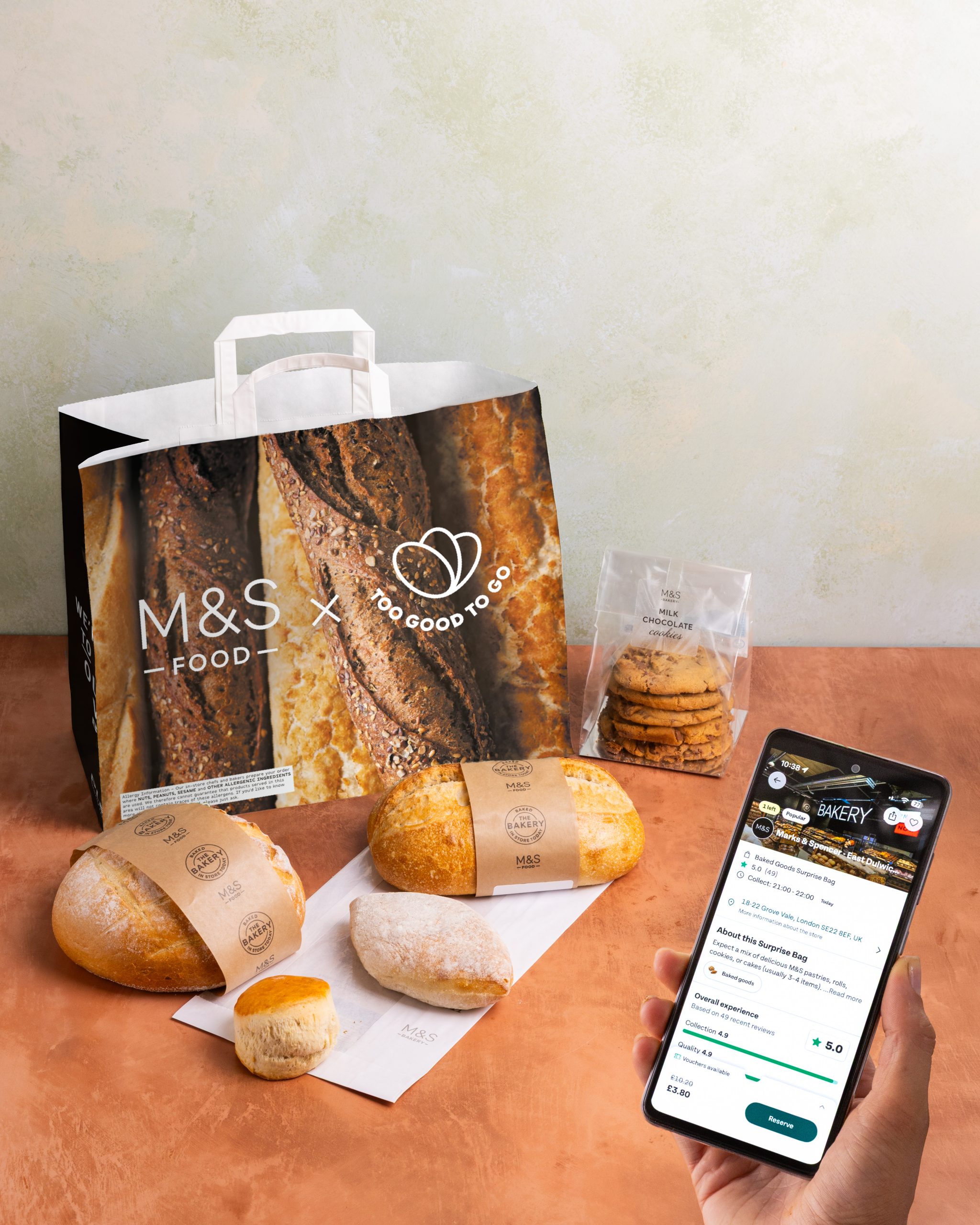
As of yesterday, a total of 350 M&S stores across the UK – including nine major sites in Greater Manchester – now offer new Too Good To Go ‘Surprise Bags’ that are made up of surplus bakery goodies, giving customers the chance to collect quality food at a reduced price at the end of the day directly from in-store bakeries.
The launch follows a trial in a select number of UK stores, and the Surprise Bags will include bakery treats such as pastries, cookies, and fresh bread.
The partnership with Too Good To Go is the latest move in M&S Food’s work to reduce surplus food and ensure good food doesn’t go to waste.
Greater Manchester stores that will be taking part in the new Too Good To Go partnership include Manchester Market Street, Trafford Centre, Stockport, Spinningfields, Prestwich, Wigan Robin, Bolton Middlebrook, Bury The Rock, and Ashton Moss.
Each of the Surprise Bags will include three to four bakery products to a minimum retail price of £10.20 for just £3.80.
Available Monday to Saturday, customers can order their Surprise Bags through the Too Good To Go app, and collect them one hour before their local store closes.
“It’s great to be involved in this new launch with Too Good To Go to help reduce food waste,” commented Chris Parker, who is the Store Manager at M&S Bolton Middlebrook.
“Our in-store bakeries are incredibly popular with customers, and at the end of the day, customers will now be able to order and collect surprise bags offering fantastic surplus bakery products at great value.
“By finding new ways to re-purpose surplus products, we’re helping ensure more food is enjoyed rather than wasted. This partnership is another positive step towards reaching our goal of halving food waste by 2030.”
Featured Image – Supplied
Trending
Both Manchester United and Manchester City named as teams with the least amount of local fans
Emily Sergeant
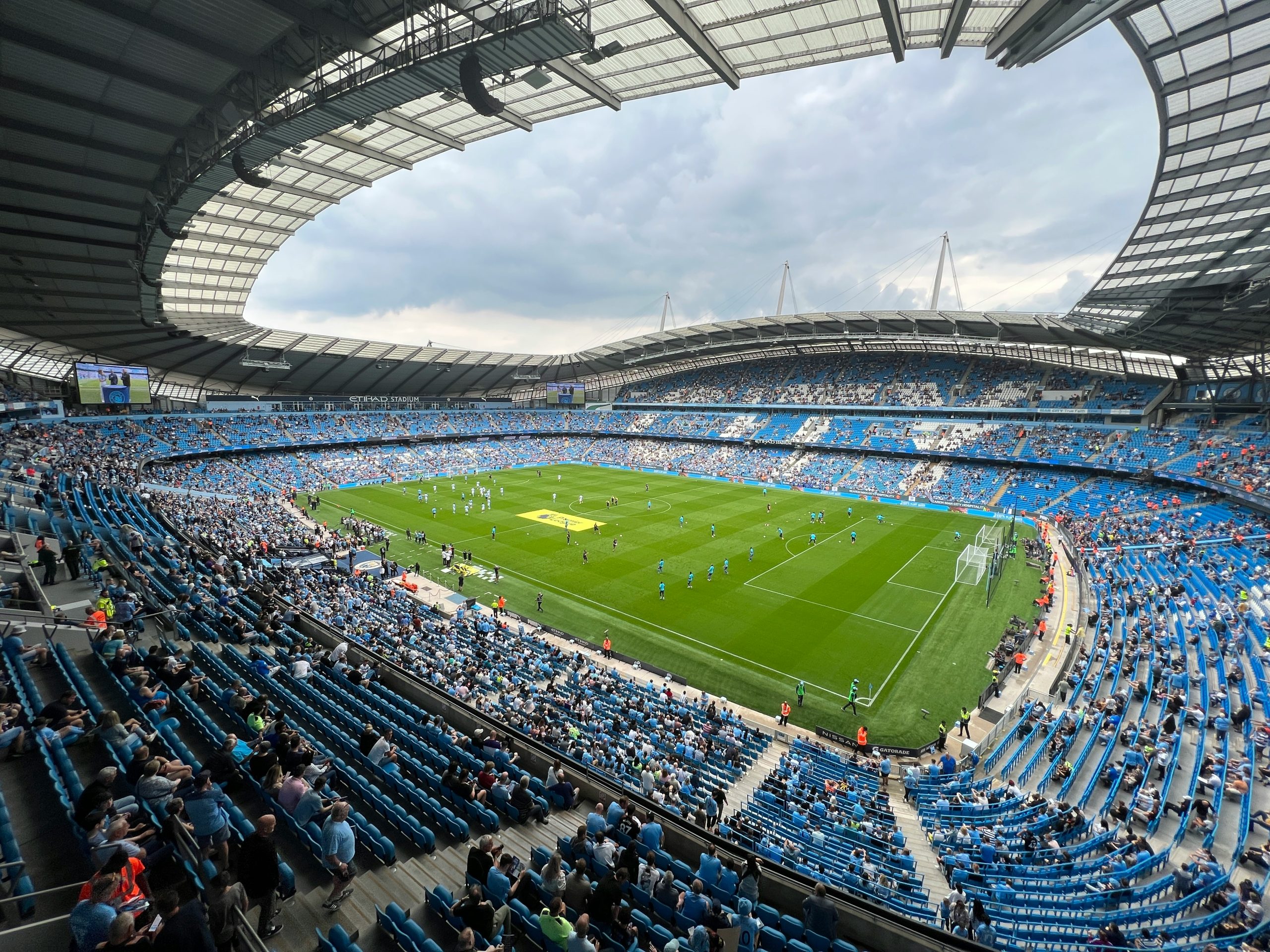
Both Manchester United and Manchester City have been identified as being teams with the least amount of local fans, according to a new survey.
We all know that supporting a local team can be seen as a mark of credibility among a certain kind of football fan, while on the flip side of that, not following a local team is often associated with being a ‘glory hunter’. But which Premier League clubs have the highest – and lowest – proportion of supporters living close to home?
Well, YouGov decided to use its profiles data to analyse the fanbases of all 20 Premier League clubs for the 2026-27 season to get the answer to this once and for all.
And it’s fair to say that it’s not looking the best for the Manchester teams.
The study found that, overall, Brighton & Hove Albion is the Premier League’s most local team – with 56% of fans based in the South East.
Sunderland (50%) and Nottingham Forest (49%) supporters are the next-most likely to live in the same region as their teams, followed by Aston Villa, Brentford, Ipswich, Leeds, Fulham, Hull, and Crystal Palace fans rounding out the top 10.
At the other end of the table, Manchester United has the second-lowest proportion of local supporters, with only a quarter based in the North West (23%), with one in six (17%) actually living in London instead.
And then as for Manchester City – who are widely considered to be the most successful team of the modern era – it has ranked fourth-bottom for local fans, as a quarter of the club’s supporters are based in the North West, with a fifth based in London (19%).
But although both United and City have found themselves towards the bottom end of the ranking, they are not the worst offenders.
That title, unfortunately, does belong to another North West team though – Liverpool.
Liverpool is the club with the lowest proportion of ‘local’ supporters, as just a fifth are based in the North West (21%) with the next highest concentration of fans can being found in London.

 Emily Sergeant -
13th March 2026
Emily Sergeant -
13th March 2026