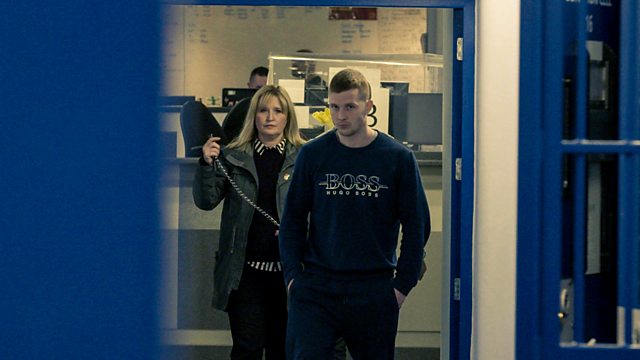
A new BBC documentary focusing on organised crime in Manchester and its criminal underworld was watched by millions last Tuesday night.
The BBC Two programme, entitled ‘The Detectives: Fighting Organised Crime’, was filmed over two years with unprecedented access to Greater Manchester Police, offering frontline insight into one police force’s battle against organised crime.
Episode one delivered, if you’re after shock factor, that is.
In central Manchester, police are called after a man is taken from his home by an armed gang in front of his wife and children. Held hostage and tortured, he’s only released after a £34,000 ransom is paid. The victim, a wealthy man suspected to be linked to drug crime, is thought to be one of a list of people the gang plan to target.
BBC
The documentary series takes you behind the scenes of the investigation and gripped viewers across the country as police officers got up close and personal with evidence related to torture and even murder.
ADVERTISEMENT
While the hunt is on to find these dangerous criminals, another horrific kidnap happens. The Major Incident Team (MIT) – the team in which the documentary has up close and person access to – suspect it could be the same gang, and after trawling through CCTV footage, they find harrowing footage of the kidnap in action.
As the investigation unfolds, specialist undercover and firearms units are assigned to find and arrest the gang, and we see the entire investigation from start to finish, leaving many viewers shocked and terrified that this type of criminal activity is happening right on their doorstop.
ADVERTISEMENT
This week will be no different.
Episode two will air at 9pm this Tuesday, but the footage will take you back to 4.50pm on a July evening in 2018, when a van pulls up outside an address on a residential street in Ashton-under-Lyne. The occupants of the vehicle are delivering drugs to a local crack house.
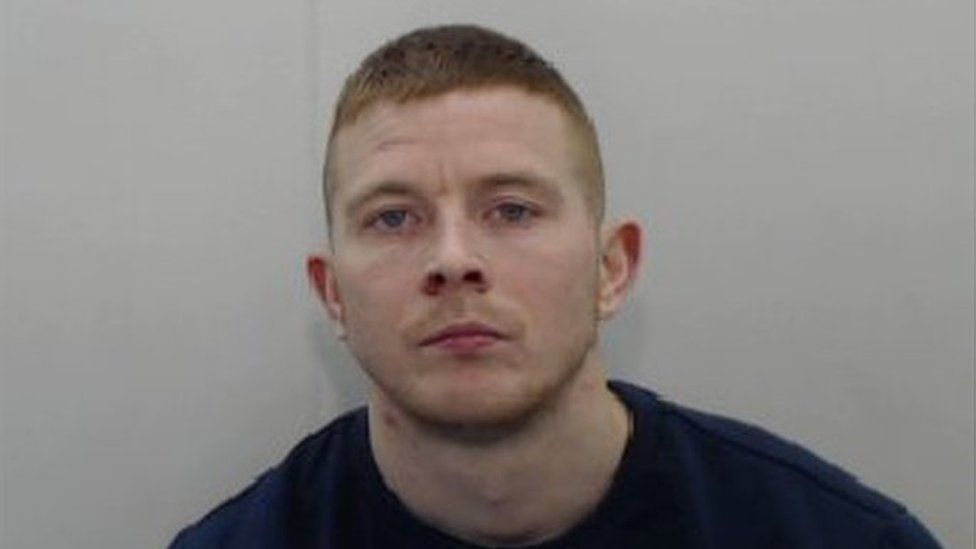
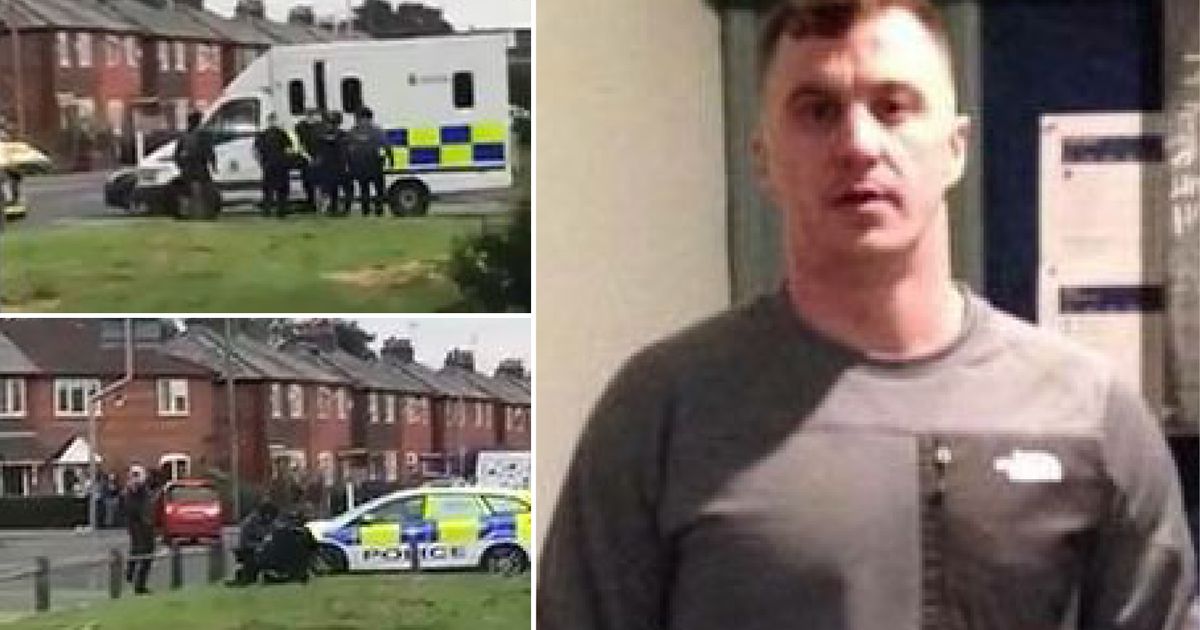
Wade Cox, the shooterLuke Graham, right
As the driver gets out and goes to the door, a masked man bursts out and shoots repeatedly into the van – and then across the street at the escaping driver. The passenger of the vehicle, Luke Graham, is shot through the chest, and despite the efforts of local people and first responders, he later dies in hospital.
ADVERTISEMENT
GMP’s Major Incident Team launch a murder investigation. The suspects are believed to be members of a violent organised crime group.
As the investigation unfolds, the police team meticulously piece together evidence from CCTV and phone records to uncover a large-scale conspiracy suspected to have involved up to ten members of the organised crime group.
It’s gripping from the very beginning, and covers an incident and spate of criminal activity that was covered multiple times in the national press back in 2018 and 2019.
24-hour bus services are now running across all Greater Manchester boroughs
Emily Sergeant
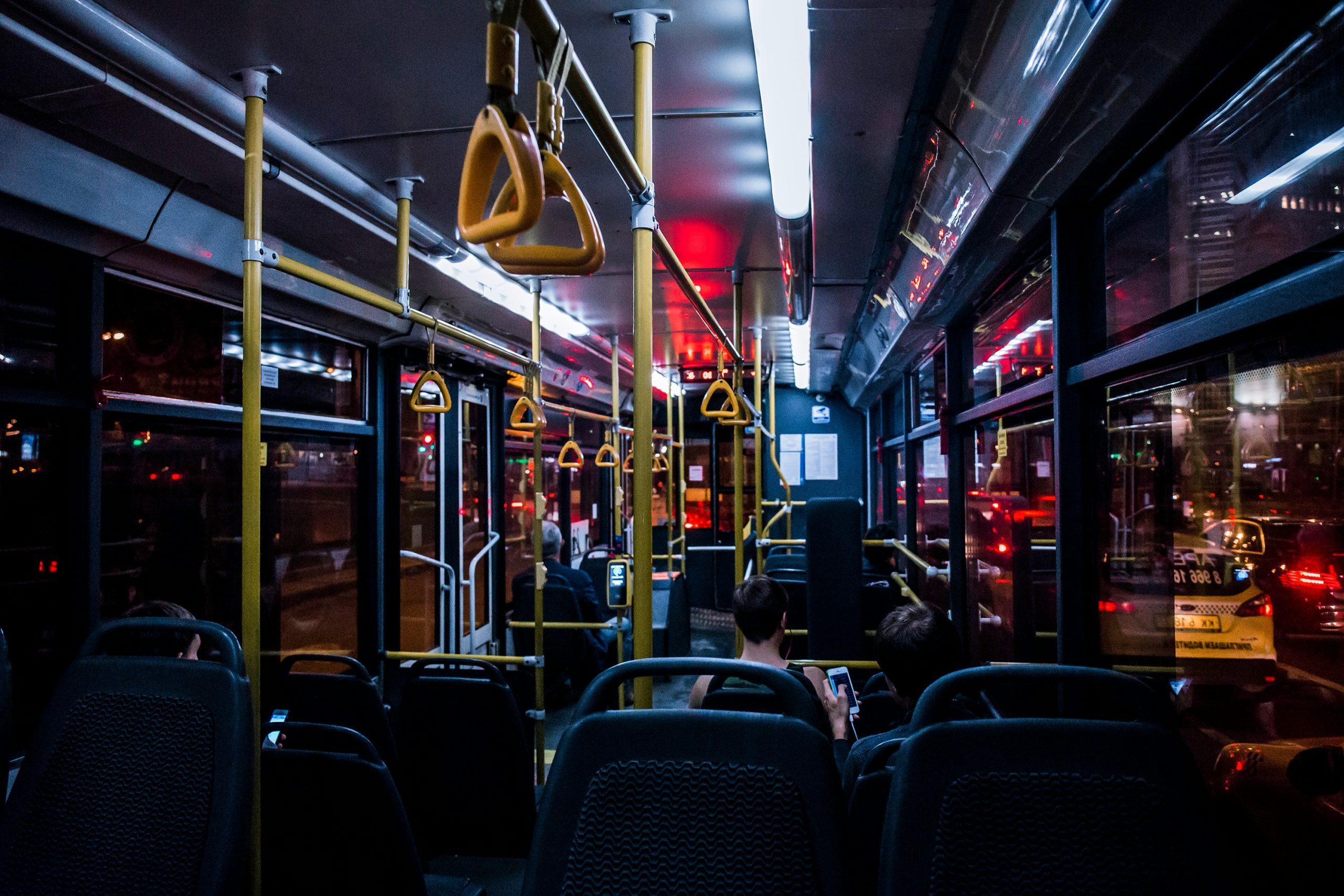
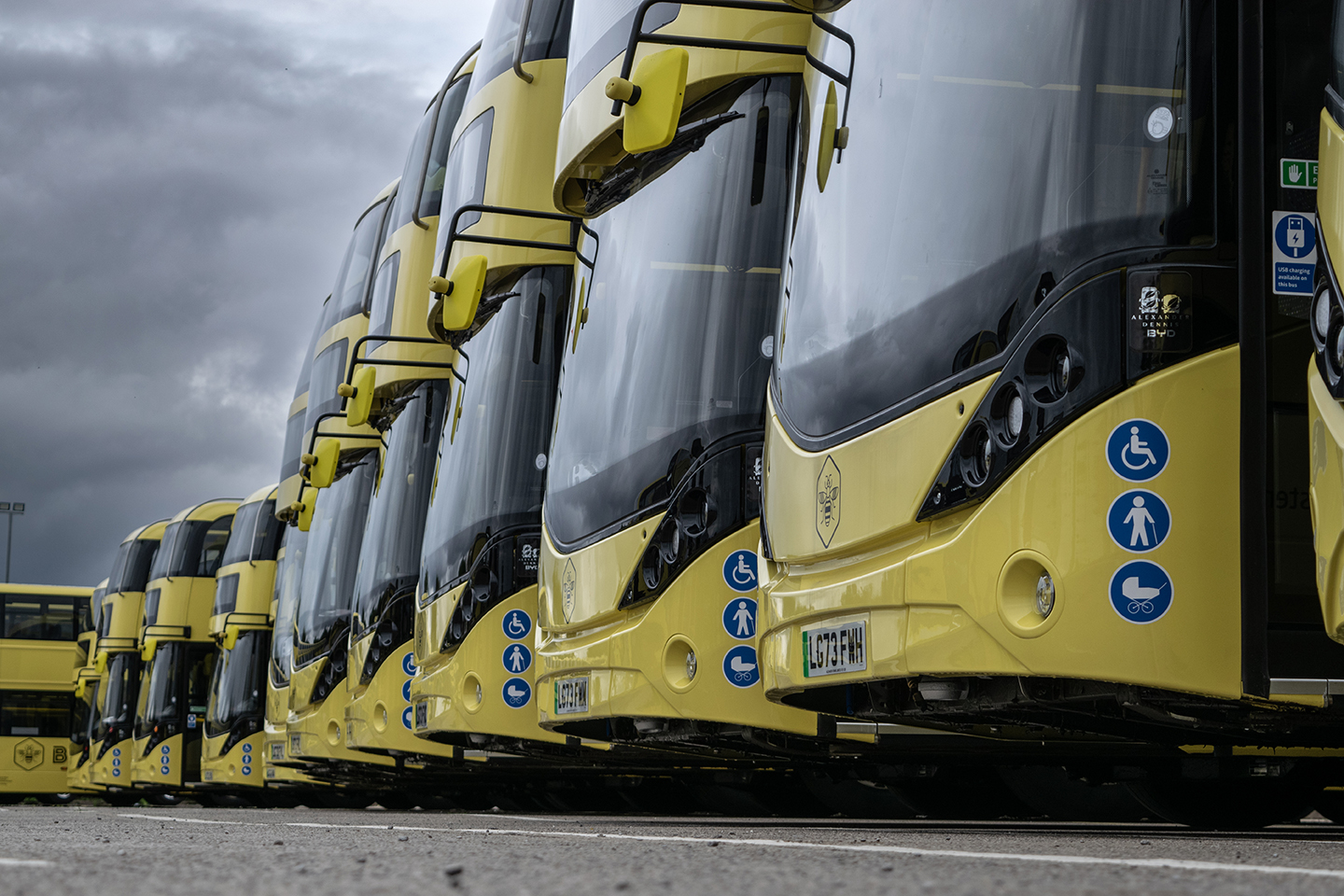
24-hour bus services are now running across all boroughs in Greater Manchester.
You may remember that back in March, it was announced that every borough of Greater Manchester was set to get a night bus service in what is hoped to be a ‘boost’ to the night-time economy… and now it’s official, Transport for Greater Manchester (TfGM) has launched those 24-hour buses this month, along with a series of other measures.
Oldham, Stockport, Tameside, and Trafford now join the rest of Greater Manchester in having 24-hour bus services, meaning every part of the region will have a night bus operating Thursday through to Sunday.
It’s expected that these new services will help around 625,400 people working in the night-time economy across Greater Manchester, as well as those out enjoying the region’s nightlife, TfGM has said.
The routes which will run around the clock from Thursday until Sunday are:
50 (Salford – Manchester)
216 (Tameside – Manchester)
263 (Trafford – Manchester)
192 (Stockport – Manchester)
83 (Oldham – Manchester)
All Greater Manchester boroughs now have 24-hour bus services / Credit: TfGM
They launch alongside the most significant service changes to the Bee Network since the completion of bus franchising last year – including other new bus routes, and more frequent services across Greater Manchester.
“We want everyone to be able to enjoy everything Greater Manchester offers, without the worry of how to get there and get home,” commented Greater Manchester Mayor, Bev Craig.
“By growing the Bee Network, we’re making it easier than ever for people to use the bus, day and night.
“Our night buses are already providing a lifeline to some of the hundreds of thousands of people who are growing our night-time economy and working in essential public services.”
“Whether people are heading home from a night at the theatre or starting the early shift at a hospital, they can now get on board the night bus as a safe and affordable way to travel.”
Further improvements will delivered from January 2027, and a full breakdown by borough can be found on the Bee Network website here.
Featured Image – Aleksandr Popov (via Unsplash)
News
Police appeal after thieves steal 800 barrels of Guinness from HGVs in Cheshire
Emily Sergeant
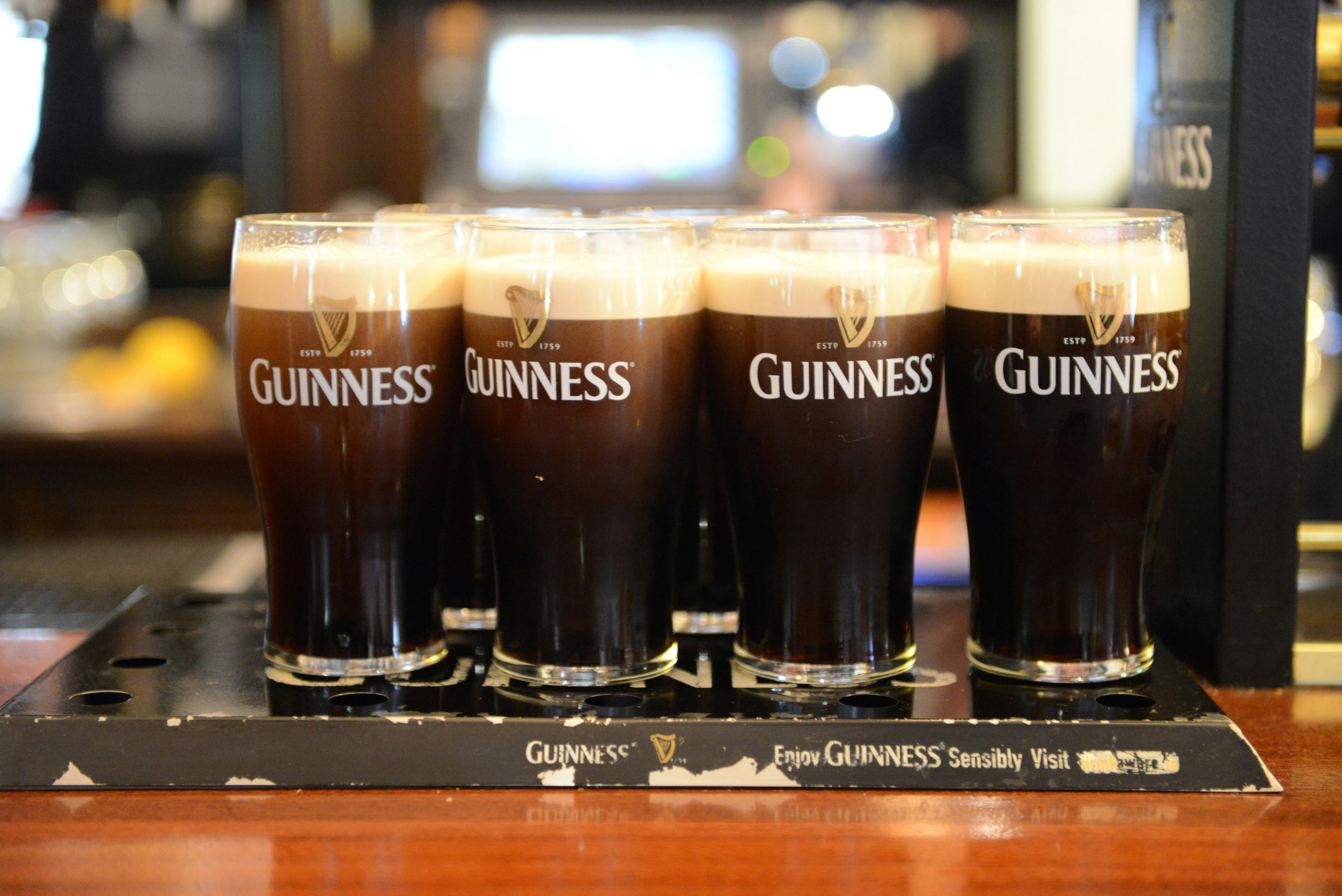
Police in Cheshire are appealing for information after more than 800 barrels of Guinness were stolen.
Cheshire Police explained that, at around 7:45pm on Monday 31 August, a lorry entered an industrial estate in the Aston Lane area of Runcorn. The lorry is then connected to a HGV trailer containing barrels of Guinness, before leaving the site at 7:55pm and driving in the direction of the Mersey Gateway.
Then, at 9:12pm, a second lorry arrived at the same site in a different lorry and connected it to another trailer containing barrels of Guinness. The lorry left the site at around 9:30pm, in the direction of Rainhill and Watkinson Way.
The estimated total value of all the items stolen is approximately £205,000, police confirmed.
According to police, the trailers are described as white Tri-Axle Curtain side trailers with GXO company branding on curtains and rear doors.
The trailers also have unique ID numbers on their rear doors in the top left corner – with the numbers of stolen trucks being DL736 or DL542.
Both HGVs were believed to have been driven by men. The first man is described as white with a short dark beard and wearing a beanie hat, and the second believed to be wearing a cap.
Officers are now appealing to anyone with any information, or dashcam and video footage taken from around the time of the incident, to come forward.
“It is famously said that ‘Guinness is good for you’, but that is only the case when it has been bought and paid for,” commented Detective Sergeant McClatchy, from Cheshire Police.
“It is with this in mind that we have wasted no time in launching enquires to identify those responsible for the theft of £115,000 worth Guinness and the two trailers that housed the barrels.

 The Manc -
30th March 2021
The Manc -
30th March 2021