Manchester-based recruitment company Amoria Bond is one of the fastest-growing businesses in Europe, and for good reason.
The business, which has been named one of the best recruitment companies to work for by several major industry bodies, is leading the way when it comes to STEM recruitment while also offering incredible benefits to its employees.
Its team members have access to perks like lunch clubs and book clubs as well as career-progressing benefits like grants for external training, not to mention the team trips to destinations like Las Vegas and Dubai.
Amoria Bond prides itself on its expertise and relationships with its clients and candidates but colleagues are well looked-after too – as per its mission statement of ‘Progressing Lives Everywhere’.
Credit: Amoria Bond
Anyone who goes to work for Amoria Bond is placed on a 10-steps-to-the-top progression programme, so everyone knows where they sit and where they’re headed within the business.
ADVERTISEMENT
Even those who join at trainee level know they’re only 10 steps away from being a member of the executive board, and four members on the current executive board actually joined as trainees.
But despite the clear route to career progression for all employees, each individual is given a personalised progression plan to help them reach that next step.
ADVERTISEMENT
It works, too – half of all the recruiters who work at Amoria Bond have been promoted in the last year, with some even getting promoted twice.
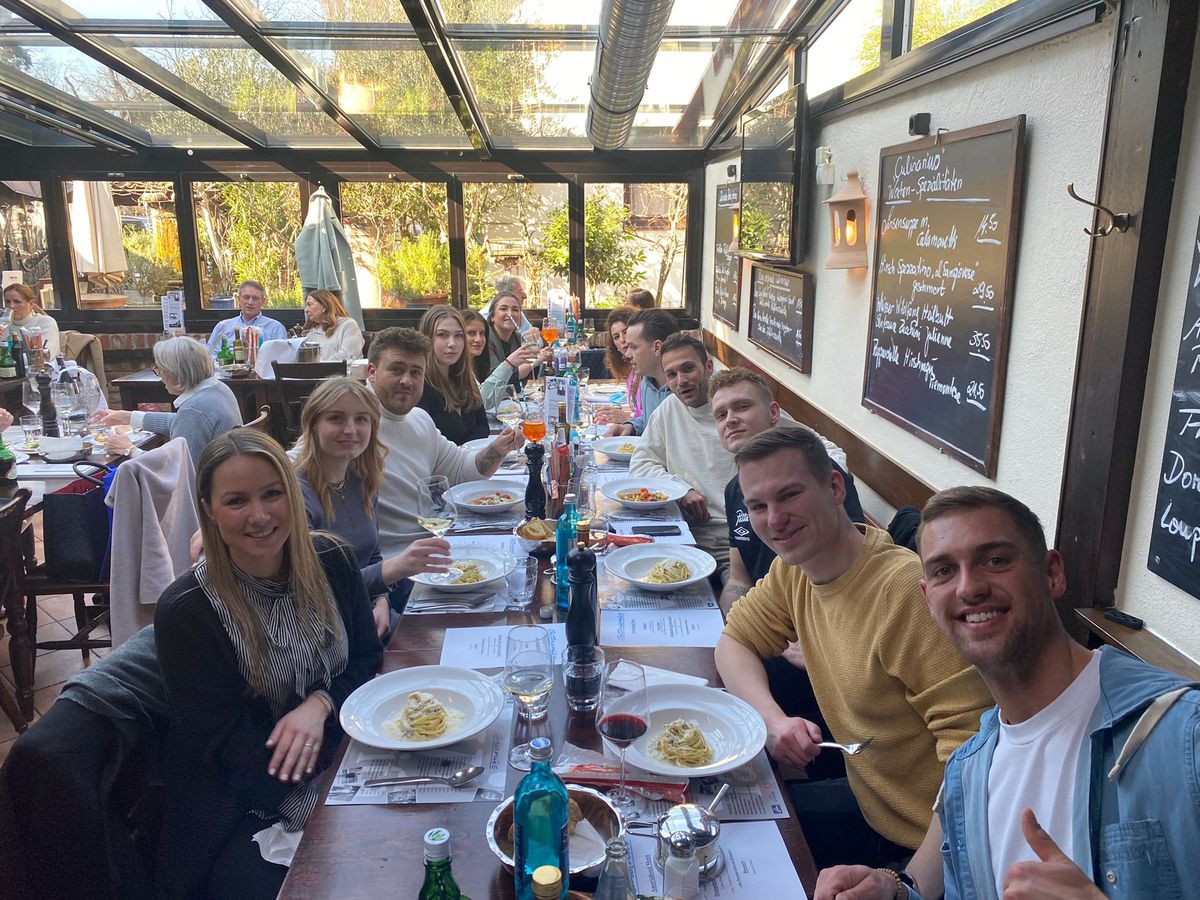
The team at Amoria Bond. Credit: Supplied
Amoria Bond specialises in pioneering sectors like advanced engineering, technology and energy, matching people and businesses who are building a cleaner future for the world.
Those who work for the business have access to award-winning training and development, including the Amoria Bond Academy, which has thousands of expert-led videos.
ADVERTISEMENT
The company’s learning and development team also runs in-person training sessions and one-on-one Zoom sessions.
It’s also committed to diversity and inclusion, believing that everyone deserves respect and equal opportunity regardless of background.
Amoria Bond says: “Diversity and Inclusion is an ongoing journey and we’re in it for the long haul.
“We don’t pretend to be perfect, but we are 100% committed and hold ourselves fully accountable to delivering sustainable, meaningful action-led change internally, within the recruitment industry we love, and across the STEM sectors we serve.”
As well as internal diversity and inclusion committees in each office, and annual reports published publicly, Amoria Bond is one of the founding signatories of the Diversity and Inclusion Charter and founding members of Programme One, a collaborative initiative that aims to remove barriers to black talent.
ADVERTISEMENT
ASCEND is an internal initiative too, which is designed to attract, retain and progress women across the Amoria Bond Group and wider recruitment industry.
The perks keep coming too, including daily benefits like flexible and remote working, uncapped earnings, company cars and mobiles, and 24/7 access to a wellness hub.
Amoria Bond offers a lunch club to its employees. Credit: Supplied
Employees are given a £500 development allowance to spend on external training every year, and are offered activities and prizes for hitting targets.
Top performers are treated to a Lunch Club at some of Manchester’s best restaurants as well as being able to get a book or audiobook of their choice every month through the company Book Club.
Amoria Bond team members are able to take a day off to spend time volunteering for charity without it coming out of their annual leave, and can swap time off for different religious holidays.
Everyone finishes for the week at 4pm on a Friday, but those who hit their TFI targets are able to finish at 1.30pm.
And then the whole team has the chance to travel the world with global sales conferences, with 2022 destinations including Dubai and Las Vegas.
You can find out more about Amoria Bond on the company’s website here.
Featured image: Supplied
Business
Manchester Airport releases statement after customer data stolen in ‘targeted’ cyber security attack
Emily Sergeant
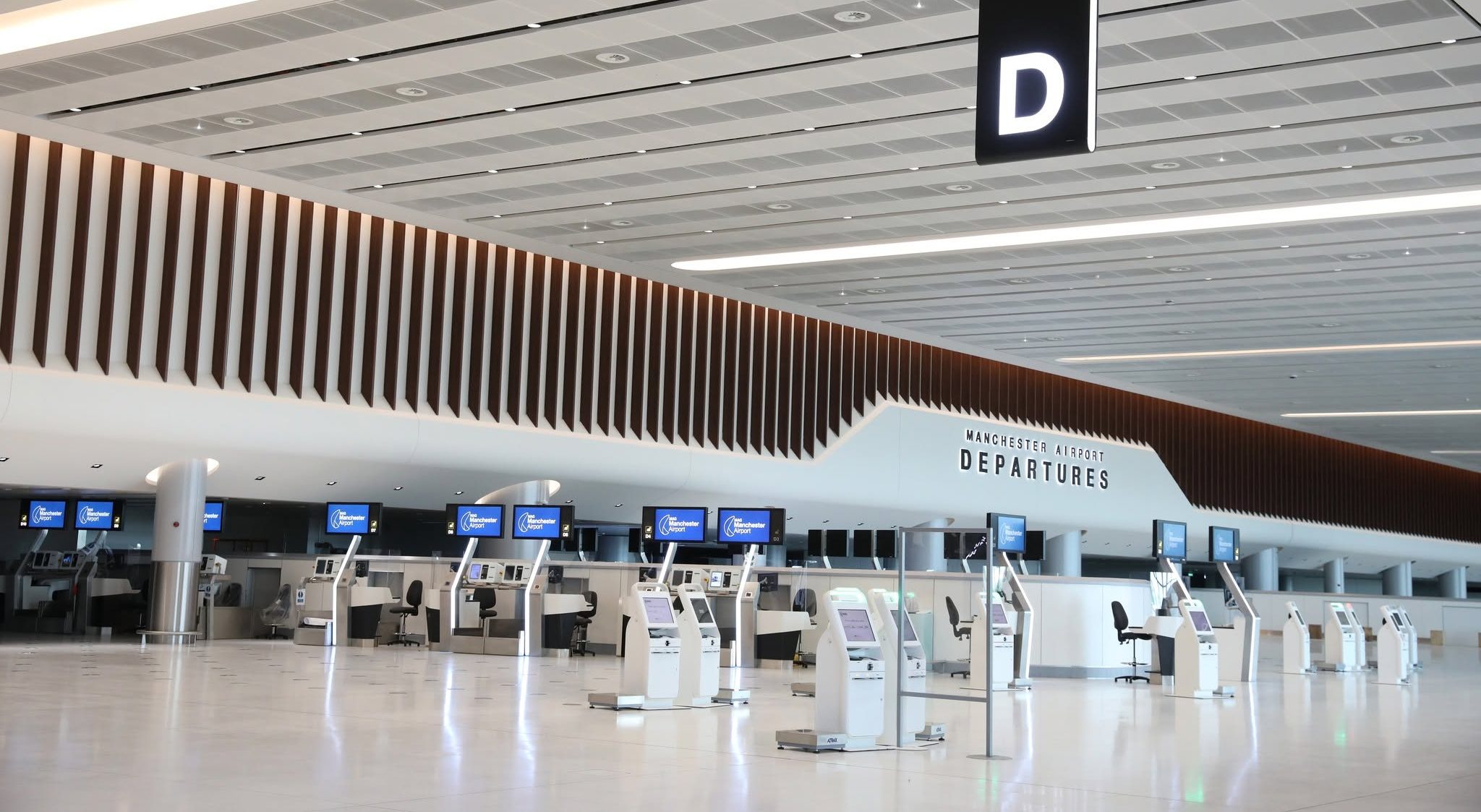
Manchester Airport has released a formal statement after data was stolen from 8.7 million customers in a ‘targeted’ cyber security attack yesterday.
Manchester Airport Group (MAG) – which operates Manchester Airport, Stansted, and East Midlands Airport – said the cyber security incident happened at around 1pm yesterday (Thursday 27 August), and that the data seized from 8.7 million customers included email addresses, phone numbers, vehicle registrations, and postcodes.
The data that was stolen related to car park, lounge and Fast Track bookings, and in-airport WiFi sign-ups, MAG stated.
It was initially confirmed that the system the hackers accessed did not hold customers’ bank or payment details, however, and that all other regular airport operations and customer parking continued uninterrupted.
Manchester Airport has now released a formal statement to reassure customers that they are taking the matter ‘extremely seriously’.
The statement reads: “Manchester Airport Group has been subject to a cyber security incident by an unauthorised third party.
“A quantity of customer data has been obtained that relates to car park, lounge and Fast Track bookings and in-airport WIFI sign-ups at Manchester, Stansted and East Midlands airports.
“We immediately contained the risk and have been working with specialist advisors and taking appropriate steps to protect our customers and systems. We have informed and are working with the relevant authorities, and at no point has passenger safety or aviation security been compromised.”
MAG insisted that the incident had not resulted in any ‘operational disruption’, adding: “Airport operations remain unaffected and customer parking services continue to operate normally.
“Neither MAG nor the system accessed hold customers’ bank or payment details. The data that has been accessed includes customers’ email addresses, phone numbers, vehicle registrations and postcodes.
“We would like to reassure customers that Manchester Airport Group takes the security of customer information extremely seriously, and we apologise for any inconvenience or concern caused.”
Featured Image – MAG
Business
Workers at major Manchester city centre hotel to strike this bank holiday weekend
Emily Sergeant
Workers at one of the most prominent hotels in Manchester city centre are set to strike this bank holiday weekend.
Workers at Kimpton Clocktower Hotel and its bar venue The Refuge, who are members of the union Unite, will take 24 hours of strike action on Saturday (29 August) in what is said to be a ‘long-running dispute’ over union busting.
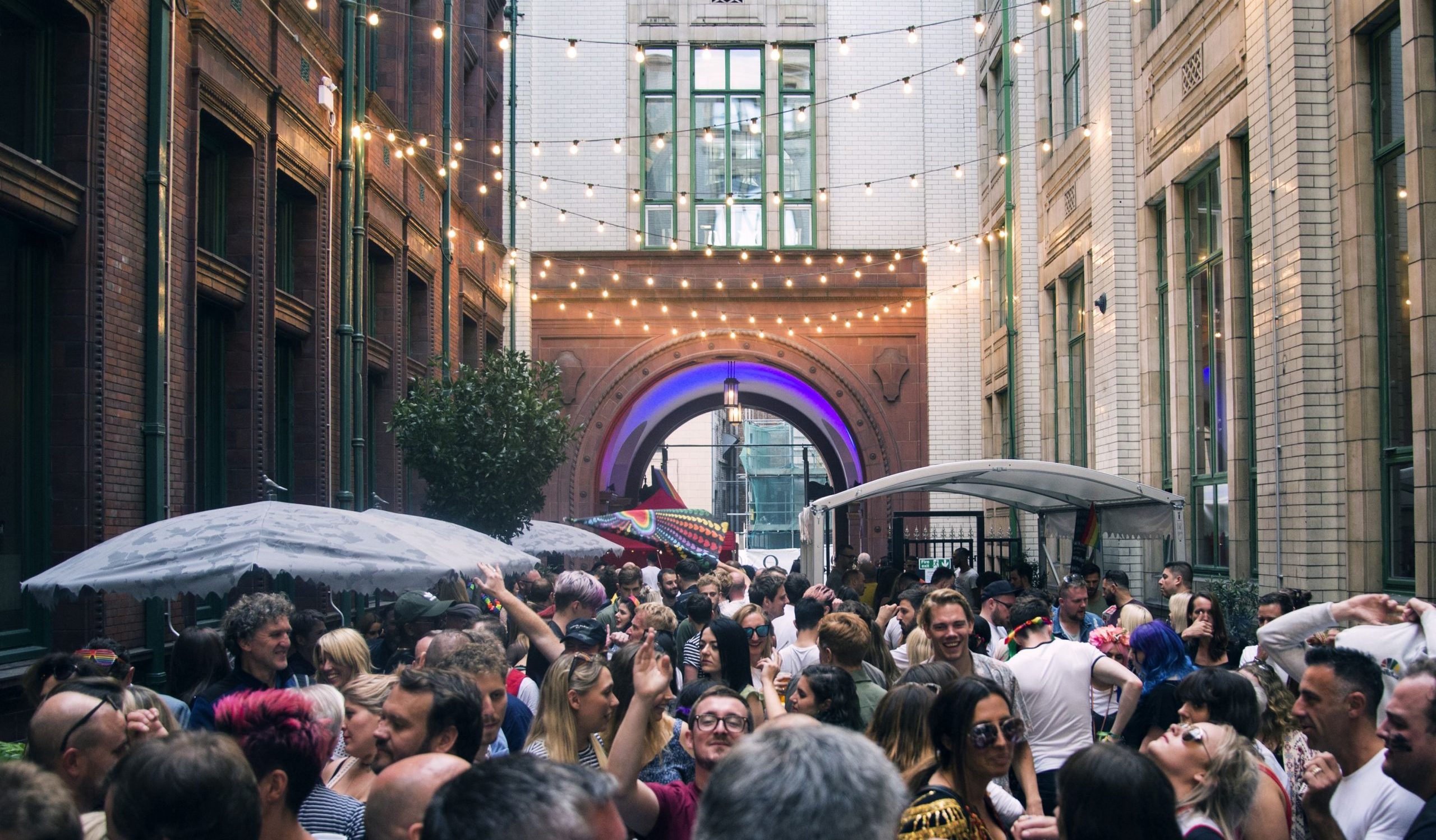
The strike day chosen by the workers is the second day of this year’s Manchester Village Pride, and is historically the most lucrative day of the year for their employer.
This is because Kimpton Clocktower is located very close to the Pride Parade route, and for several years has been a very popular location for people attending the festival, and even runs a number of Pride events itself.
Unite says that for months now, workers at the Kimpton Clocktower – which is owned by InterContinental Hotels Group UK (IHG) – have been asking for formal union recognition to improve conditions after raising several issues with management, but IHG UK has refused this and instead ‘targeted’ the union for its actions.
Workers at a major Manchester city centre hotel are set to strike this bank holiday weekend / Credit: Rebecca Hope Photography (Supplied)
Previous strikes have already taken place this summer, apparently causing ‘financial hits’ to the business in the process – with the bar being forced to close early at several events as there were not enough staff to cover them.
“A strike on Kimpton’s most profitable day is entirely of its own making,” commented Unite regional officer, Alison Treacher. “Throughout this dispute, Kimpton Clocktower management have treated its loyal workforce with contempt and our members have shown they will not stand for it.
“There is still time to avoid this highly disruptive strike action, but that relies on IHG changing tack by listening to its members and giving them the union recognition they have long been calling for.”
This dispute is said to be the first ever hospitality strike in the North West.
Unite is currently running a petition demanding that IHG UK stop targeting union activists, recognise the Kimpton workers rights to have their grievance heard collectively, and support their union recognition campaign.

 Daisy Jackson -
27th April 2022
Daisy Jackson -
27th April 2022