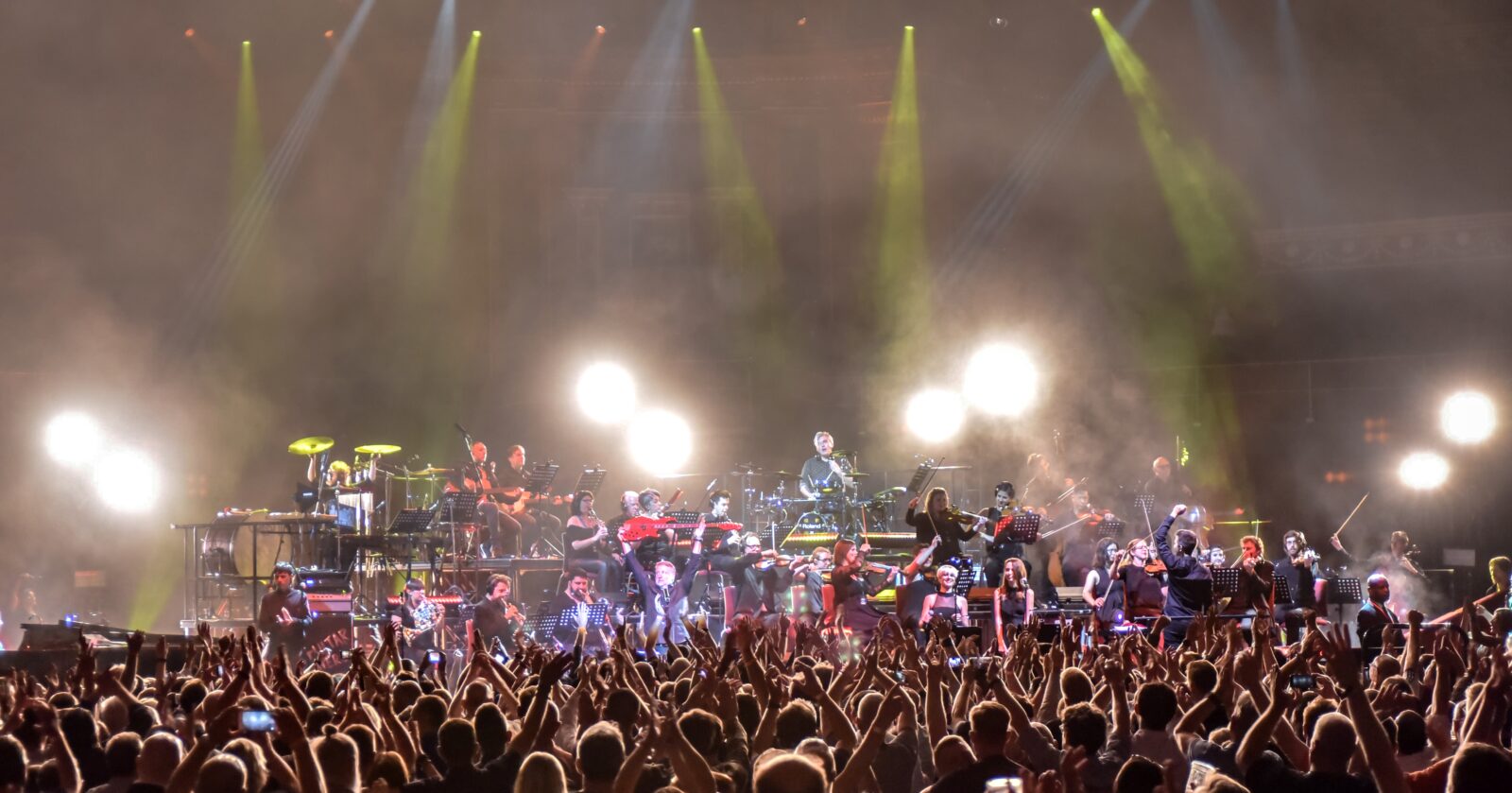
A live orchestral rendition of Joy Division’s greatest hits is coming to Manchester later this year, bringing some of the band’s best-known songs to life on stage at The O2 Apollo.
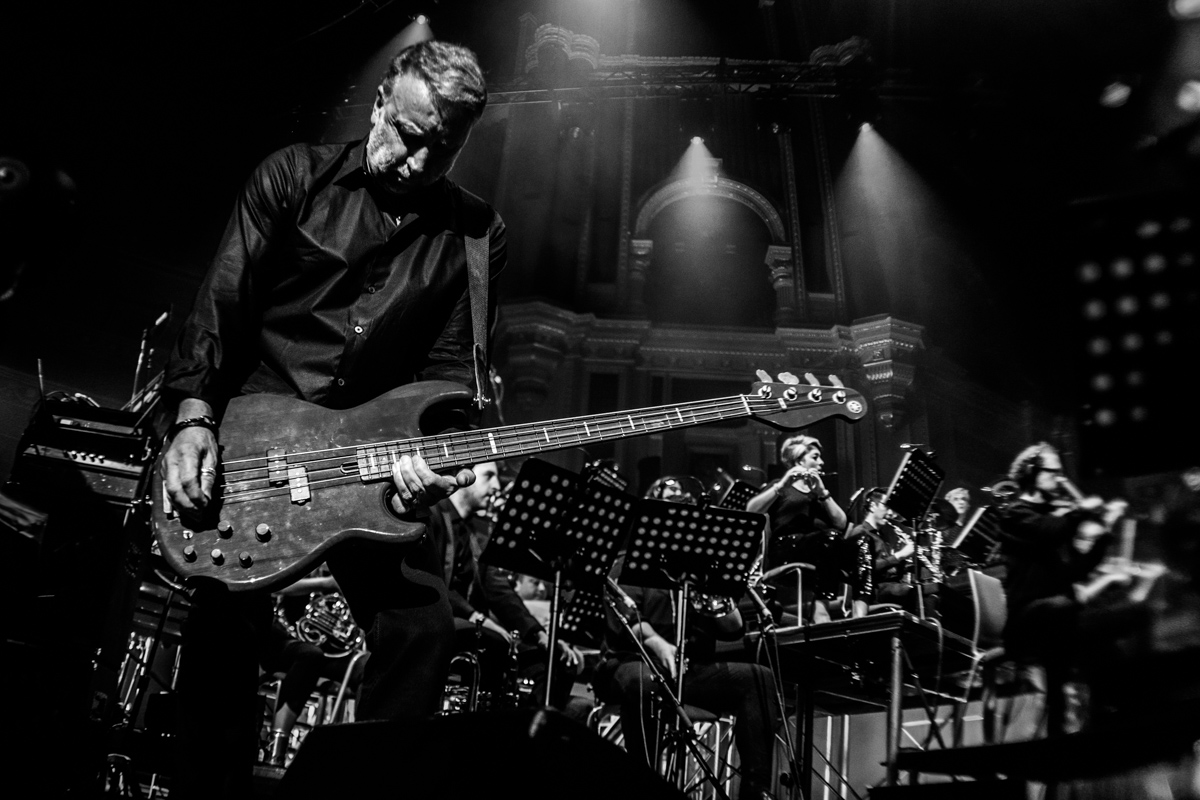
Curated by founding band member Peter Hook alongside musical director Tim Crooks and Manchester Camerata, it is the first time a founding member of the band has developed a project of this kind.
Hook has reportedly poured his ‘heart and soul’ into a carefully-constructed setlist that includes many of the trademark songs that made the band’s name across their all too short career, as well as some more unexpected tracks and surprise inclusions.
Image: Official Joy Division
Bringing together the full orchestra, members of Peter Hook & The Light and guest vocalists including Bastien Marshal and Mica Millar, the show will see over fifty musicians join together on stage for The Sound Of Joy Division Orchestrated when it returns later this year after a three-year hiatus.
Manchester Camerata Orchestra will celebrate the iconic 70s band in a live show, performing seminal classics and lesser-known tracks from Joy Division’s respected catalogue.
ADVERTISEMENT
The live orchestral show promises to revisit the post-punk elements that shaped Joy Division’s early ground-breaking sound, working alongside Manchester Camerata’s 50-piece orchestra to reflect the spirit that defines the Manchester band’s considerable heritage.
The Sound Of Joy Division will debut in Manchester first, appearing at the O2 Apollo Manchester on Friday 14 October before going on to London to play the historic Palladium.
Last time it was performed live, the acclaimed show sold out both London’s Royal Albert Hall and the Sydney Opera House In 2019.
Image: Yannis Hostelidis
Approaching the gigs, Peter Hook commented: “Covid has given these events strange timings, but after touring and playing Joy Division normally shall we say, I am looking forward to this new working more than ever.
ADVERTISEMENT
“It takes Joy Division’s music to a whole different place, emotionally and aurally. It is difficult to transcribe but I love the challenge, and it brings a freshness to the whole concept.”
“After those two amazing concerts at The Royal Albert Hall and Sydney Opera House, I did wonder how we could possibly surpass it. Playing those gigs did give me a great insight in how to improve the impact for future shows.
“The Apollo has played a huge part of my musical career, so they seemed a great fit. Both great venues for a great show!”
Musical director, Tim Crooks, added; “It’s fantastic news that we’ll be bringing this amazing show to The Palladium and The Apollo, two of my favourite ever venues.
ADVERTISEMENT
“As musicians we’ve all missed being able to perform and as we finally return with the show, I do hope the concerts bring a great deal of pleasure for everybody there.”
To find out more and book tickets, visit the website here.
Feature image – Manchester Camerata
News
Stockport man jailed for life after kidnapping and sexually assaulting teenage girl
Emily Sergeant
A Stockport man has been sentenced to life in prison after kidnapping and sexually assaulting a teenage girl on her way home from the library.
Paul Sharpe has been sentenced to life imprisonment with an eight-year minimum term in prison after being convicted of a number of offences when subjected a teenage girl to what police called a ‘terrifying ordeal’ that lasted several hours back in May 2026.
Greater Manchester Police (GMP) confirmed that the victim had been studying at Sale Library before beginning her journey home with friends at around 5:50pm and contacting her parents at 6:10pm to let them know she was on her way.
Twenty minutes later, she spoke to her boyfriend on the phone and said she was approximately five minutes away from home, but that her phone battery was about to die.
This was the last contact received from the victim that evening.
While walking along Bradgate Road in Altrincham, the victim noticed a grey Ford parked nearby and a man wearing a high-visibility jacket pressing doorbells in the area.
As she walked past, Sharpe approached her from behind, placed her in a headlock and threatened to stab her if she did not get into his vehicle.
Concerned that their daughter had not returned home, the victim’s family contacted police at 9:22pm to report her missing, and officers immediately launched an investigation to locate her.
Over the next several hours, the victim was subjected to and placed in a number of terrifying situations.
Sharpe drove the victim to several locations across Greater Manchester and Cheshire, before police located and arrested him at around 3:40am on 19 May 2026.
Following his arrested, 56-year-old Sharpe was convicted of kidnap, committing an offence with intent to commit a sexual offence, sexual assault, engaging in sexual activity in the presence of a child, threats with a bladed article, and administering a noxious substance with intent to injure, annoy or aggrieve.
“This was a terrifying ordeal for a young girl who was simply making her way home,” explained Detective Inspector Karl Perry, from GMP’s Criminal Investigation Department.
“Sharpe targeted a vulnerable victim, subjected her to hours of fear and intimidation, and went on to sexually assault her.
“The victim has shown immense courage throughout the investigation and court proceedings. Through her bravery and actions, she no doubt made it harder for Sharpe to carry out whatever acts he had planned.”
Featured Image – GMP
News
Major pop star crowns humble rice and three cafe as ‘Jewel of Manchester’ ahead of sold-out gig
Thomas Melia
A beloved city centre takeaway has been given the title of ‘Jewel of Manchester’ by chart-topping UK singer Sam Smith.
Known for hits like ‘Stay With Me’, ‘I’m Not The Only One’ and more recently ‘Unholy’, UK pop-ballad act Sam Smith also likes to drop a food review every once in a while.
Currently on the road with a run of shows in Manchester and London for their ‘To Be Free’ live shows, Sam Smith is stopping off at some of our city’s much-loved spots.
On their food-reviewing account titled ‘Sam Served’, where they adopt the aptly-fitting nickname ‘Ham Smith’, Sam has visited restaurants across the globe – and most recently turned their attention to Manchester’s own This & That.
Smith decided to pop in and grab a cheeky rice and three from long-standing backstreet food business This & That, and it certainly went down a treat.
After sampling their amazing selection of meat, vegetable and vegan curries, the musician crowned this family-run Indian takeaway a ‘Jewel of Manchester’.
The hitmaker described this Northern Quarter Indian eatery as ‘Everything food should be’ and definitely enjoyed all the curries on offer ‘leaving belly and heart full’.
This & That prides itself on affordable and comforting food with its ‘Rice and Three Curries’ starting from just £6 – not bad for a city centre foodie spot.
Sam has racked up an impressive 490k followers via their ‘Sam Served’ profile, with famous faces like Lily Allen, Denise Welch and CMAT all wanting to know the superstar’s foodie thoughts.
After enjoying a curry or three, Sam Smith also made sure to feed their soul to by venturing down to Afflecks and getting lost in the music at Mars Tapes.
Recognised as one of the UK’s only cassette and tape shops, Mars Tapes lets you flick through their crates of physical media and even preview tracks before you buy with its dedicated listening areas.
It’s safe to say that Smith has ‘Latched’ onto Manchester’s independent business scene and we’re here for it.
The London-born artist has just released their latest album Hazel Eyes and is currently amid a UK residency tour with two dates in Manchester’s Albert Hall and eight shows set for London Coliseum.

 Georgina Pellant -
2nd August 2022
Georgina Pellant -
2nd August 2022