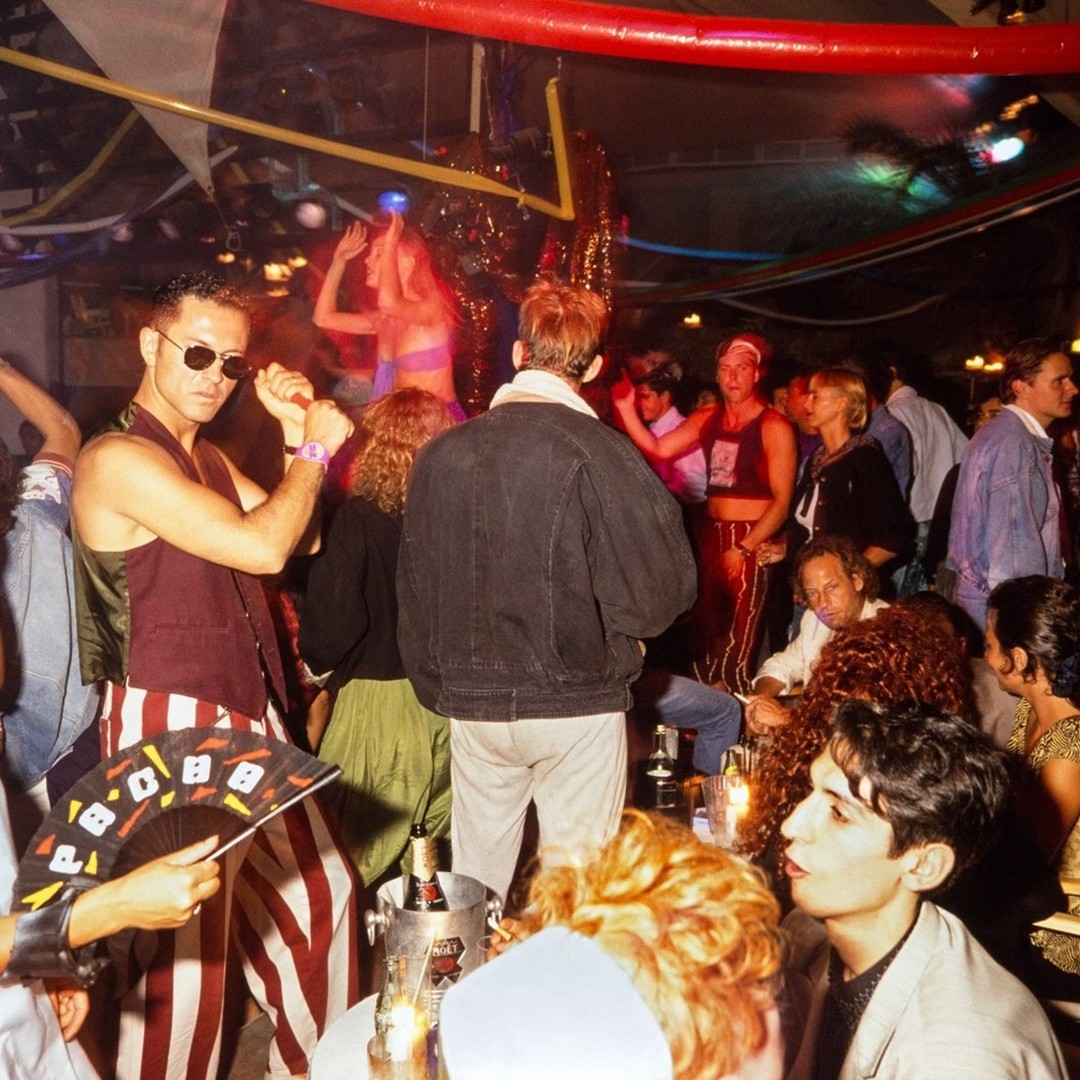
Hulme’s party pub has been crowned the Community Pub of the Year by the Trafford & Hulme CAMRA branch.
The flagship venue of STEAM Hubs and Pubs C.I.C (Community Interest Company), it was specially designed to be a safe space for the community when purchased in 2018.
Four years on, this latest award proves more than ever just how well the team there is doing that job.
So much more than just a pub, the accolade is well deserved for this ‘community hub in a pub’, which regularly runs club nights and live music gigs, pub quizzes and community feasts at its historic site.
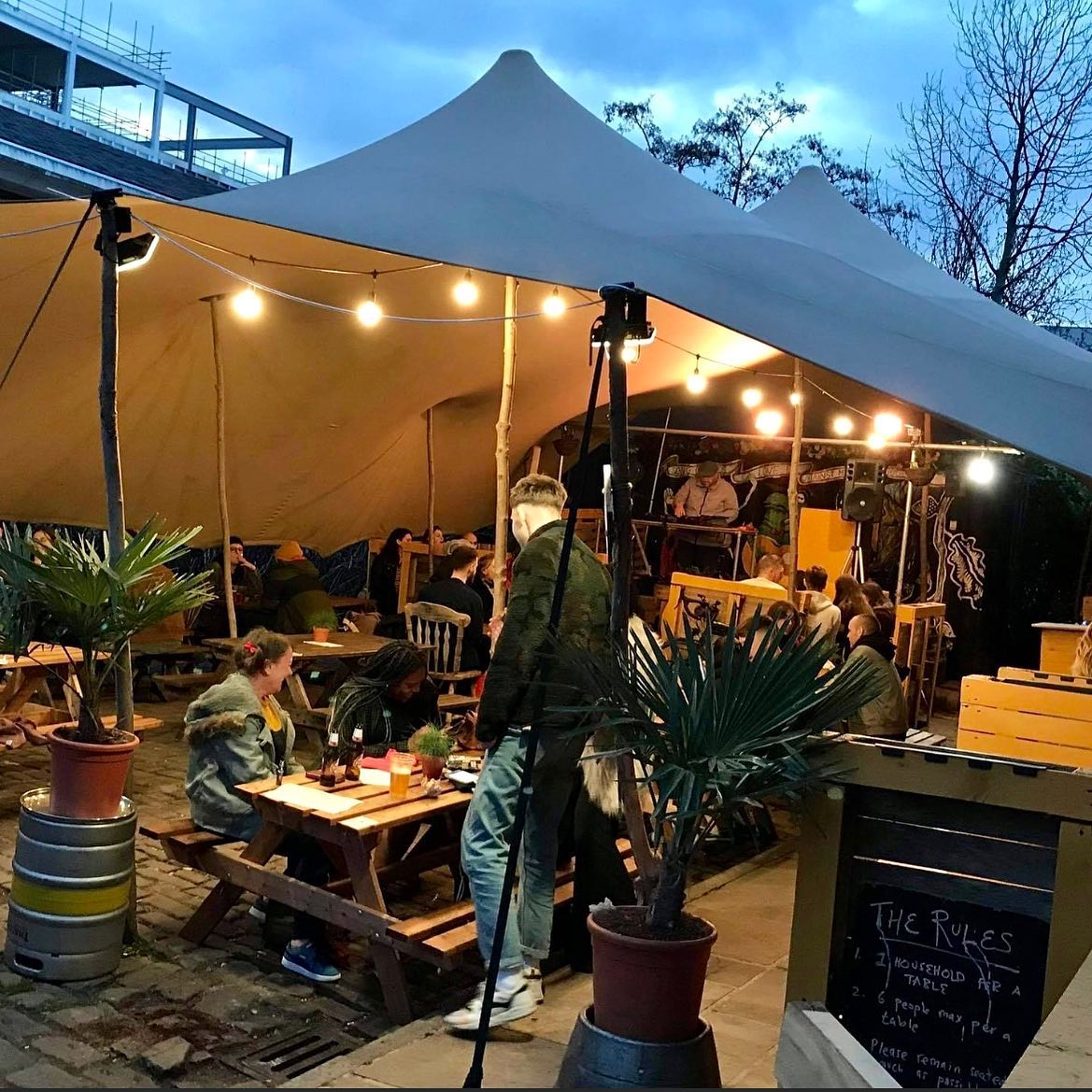
mage: Old Abbey Taphouse
It also does a lot for its vulnerable neighbours. During the pandemic, owners Frankie and Rachele ran a successful Taphouse TV Dinners campaign that saw the pub deliver nearly 3,000 two-course dinners to people who were struggling in the local community.
ADVERTISEMENT
As well as being a site of importance to the local community today, it also has historic roots that stretch back hundreds of years.
The taphouse is the last remaining building of what was once the Greenhey’s Estate, and the pub’s beer garden is on the former Victorian Road.
ADVERTISEMENT
The team behind it also collects stories from the local community about the pub’s history, which it shares on its website.

In tribute to the spirit of the pub, which is committed to providing a safe space for all, local historian Geoff Brown revealed that its reputation for inclusion and solidarity stretches back decades – even if it took a bit of a rocky road to get there.
The Old Abbey Taphouse was one of the first in the area to remove its colour bar, following a campaign by anti-racist activisits boxer Len Johnson and scaffolder Wilf Charles in the late 1940s.
ADVERTISEMENT
Sharing a newspaper cutting from the time, he reveals the reality of that early push for equality in the words of those who fought hardest for it: “We campaigned then in the pubs for the freedom of people to be able to go in without discrimination and we had a big campaign against the Abbey pub in Park Street, Moss Side, who refused to serve coloured, Blacks and we forced a test case and got that lifted and that had a big effect.
“Len … ordered two pints and they said we don’t serve Black men… I insisted they would serve him or no-one else would get served. So they brought in the police and they asked us to go – we created a tremendous problem inside the pub. “Next day I went to see the Lord Mayor and the Bishop of Manchester and got statements that they deprecated this action and … we put on a mass picket of blacks and whites from the Communist Party and progressives – some 200 people – so the ban was lifted in a matter of two or three days.”
It’s great to see the beloved local boozer getting the recognition it deserves.
Feature image – The Old Abbey Taphouse
News
England head coach Shaun Wane quits ahead of 2026 Rugby League World Cup
Danny Jones
England head coach Shaun Wane has stepped down from his role as the national team setup after more than half a decade in the post.
His resignation comes as the Rugby Football League (RFL) looks to pivot and set out a long-term vision ahead of the World Cup later this year.
The Wigan-born former Warriors manager’s replacement is expected to be merely a part-time appointment as future planning begins.
Announced on Wednesday, 14 January, Shaun Wane’s tenure has ended “effective immediately”.
Sharing an official update online, the RFL wrote: “Wane, who has led England since February 2020, has taken time to reflect on the programme and believes the timing is right for new leadership to guide the team into the next phase, including the upcoming World Cup.
“During his tenure, Wane oversaw memorable series victories over Tonga in 2023 and a star-studded Samoa a year later, as well as a semi-final in the World Cup. He finishes with 14 wins from 19 matches.”
Crediting him as one of “a very small elite number of coaches to have won the full suite of domestic club honours and achieved World Club Championship success”, hailing his experience and longevity both as a player and as a coach.
As for Wane himself, he said: “It has been the honour of my life to coach England Rugby League over the last six years, but after careful reflection, I believe the time is right to step aside and allow the programme to move forward into its next chapter.
England are on the lookout for a new coach heading into the World Cup after being swept in the Ashes.
Coach Shaun Wane has reportedly resigned from the post after a disappointing 3-0 whitewash against Australia last year.
The 61-year-old ex-pro goes on to add, “The privilege of leading my country in a World Cup, an Ashes Series on home soil and securing victories over Tonga and Samoa will live long in the memory.
“I’m incredibly grateful to all the players, coaches and staff I’ve worked alongside during that time; their commitment and professionalism made those moments possible. I wish everyone involved with England Rugby League the best going forward and for the World Cup later this year.”
According to the latest reports online, St Helens boss Paul Rowley is now said to be the favourite to take over in the interim.
The 2026 Rugby League World Cup is still months away (scheduled to take place in October and November), but the governing body will want to get the new setup and coaching in place as soon as possible to prepare for the tournament.
Greater Manchester town named as one of country’s worst at fixing potholes
Emily Sergeant
A town in Greater Manchester has been named one of the worst in the country at managing roads and fixing potholes.
For the first time ever, drivers across England can now see how well their local highway authority is tackling potholes on their roads thanks to a new traffic light rating system published by the Government this weekend.
The new ratings grade local highway authorities as red, amber, or green.
The ratings – which have presented on a new interactive map – are based on current road condition and how effectively local authorities are spending the Government’s record £7.3 billion funding to fix potholes and investing in long-term measures to maintain roads.
The Government funding is meant to allow local authorities to repair potholes ‘effectively’ and move away from short-term repairs that work out to be more expensive – with these fixes meaning more money in drivers’ pockets, as the average repair bill from hitting potholes is said to be around £320.
We’ve launched a Red, Amber, Green rating system, so you can see how well your local highway authority (LHA) is fixing your local roads.
🟢 Green = best practice, long-term preventative plans 🟠 Amber = on the way, but room to improve 🔴 Red = support in place to raise… pic.twitter.com/gRwkEx5kdm
The condition of local roads, how much local authorities are spending on road repairs, and whether they are following best practice in maintaining highways are all key areas taken into account when deciding on an area’s rating.
Those that scored ‘green’, like Manchester, were able to demonstrate they are following best practice, while also maintaining good road conditions and investing significantly into improving local roads, and those that scored ‘amber’ – which the majority of Greater Manchester came under showed that there was room for improvement in individual areas.
However, one Greater Manchester town did not fare well at all, and ended up with an ‘red’ rating… and that town was Bolton.
The colour-coded map showing each local authority’s pothole rating / Credit: OS / Crown Copyright (via gov.uk)
Those local authorities that are rated ‘red’, like Bolton, are not yet meeting the expected standards in one or several areas measured, according to the Government, such as the current state of the roads, their plans for preventing potholes, or investment into maintaining their local roads more widely.
“For too long, drivers have paid the price because our roads were left to deteriorate,” commented Transport Secretary, Heidi Alexander.
“We’ve put our money where our mouth is, increasing the funding for local highway authorities with £7.3 billion to fix roads and given them the long-term certainty they have been asking for.
“Now it’s over to them to spend the money wisely, and for the first time, we are making sure the public can see how well councils are doing in delivering the improvements they want to see in their local area.”