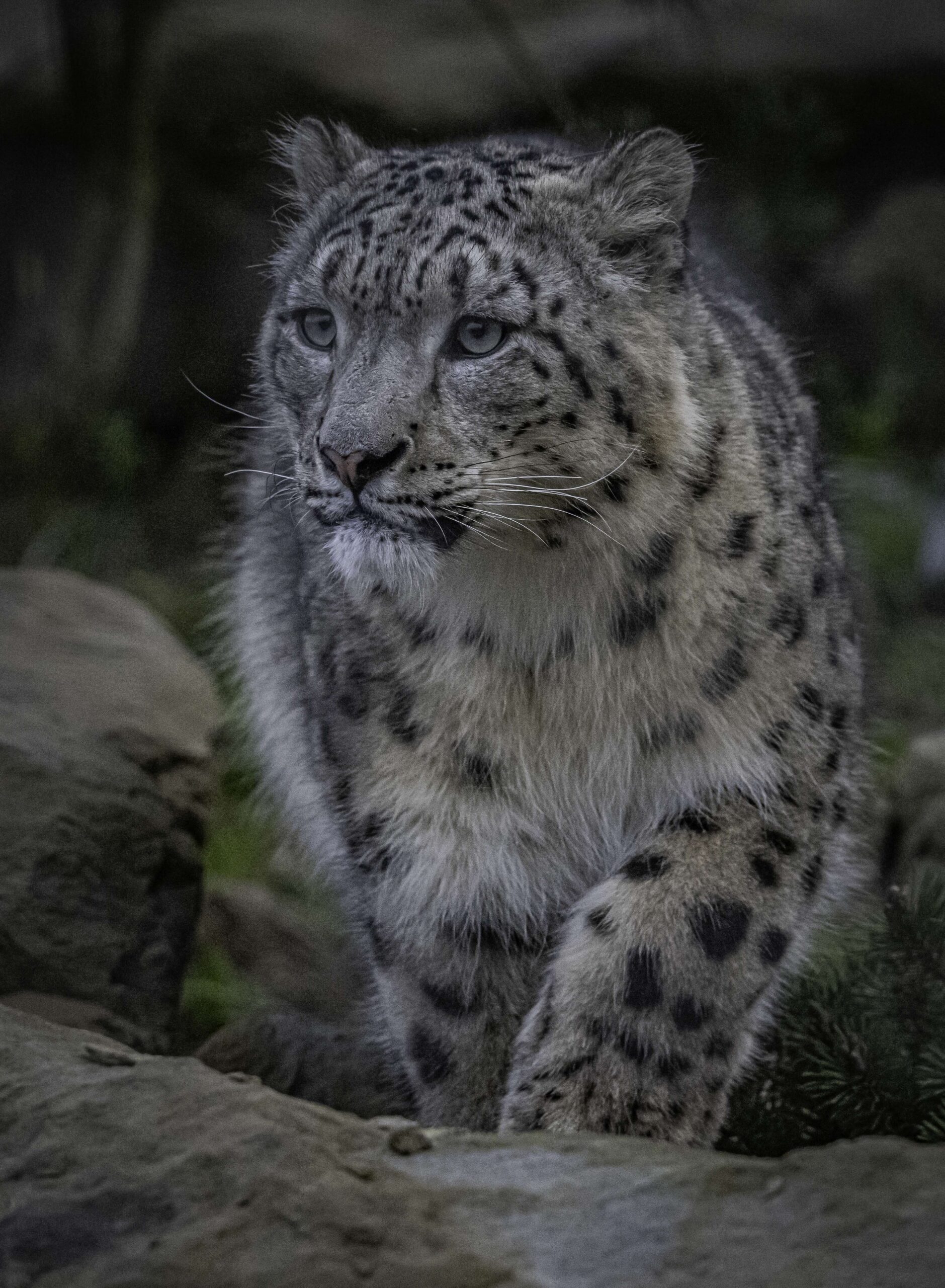
There are two adorable new arrivals at Chester Zoo, with one of the world’s hardest-to-see big cats now in residence for the first time.
The beloved northern attraction has just welcomed a pair of snow leopards for the first time in its 93-year history.
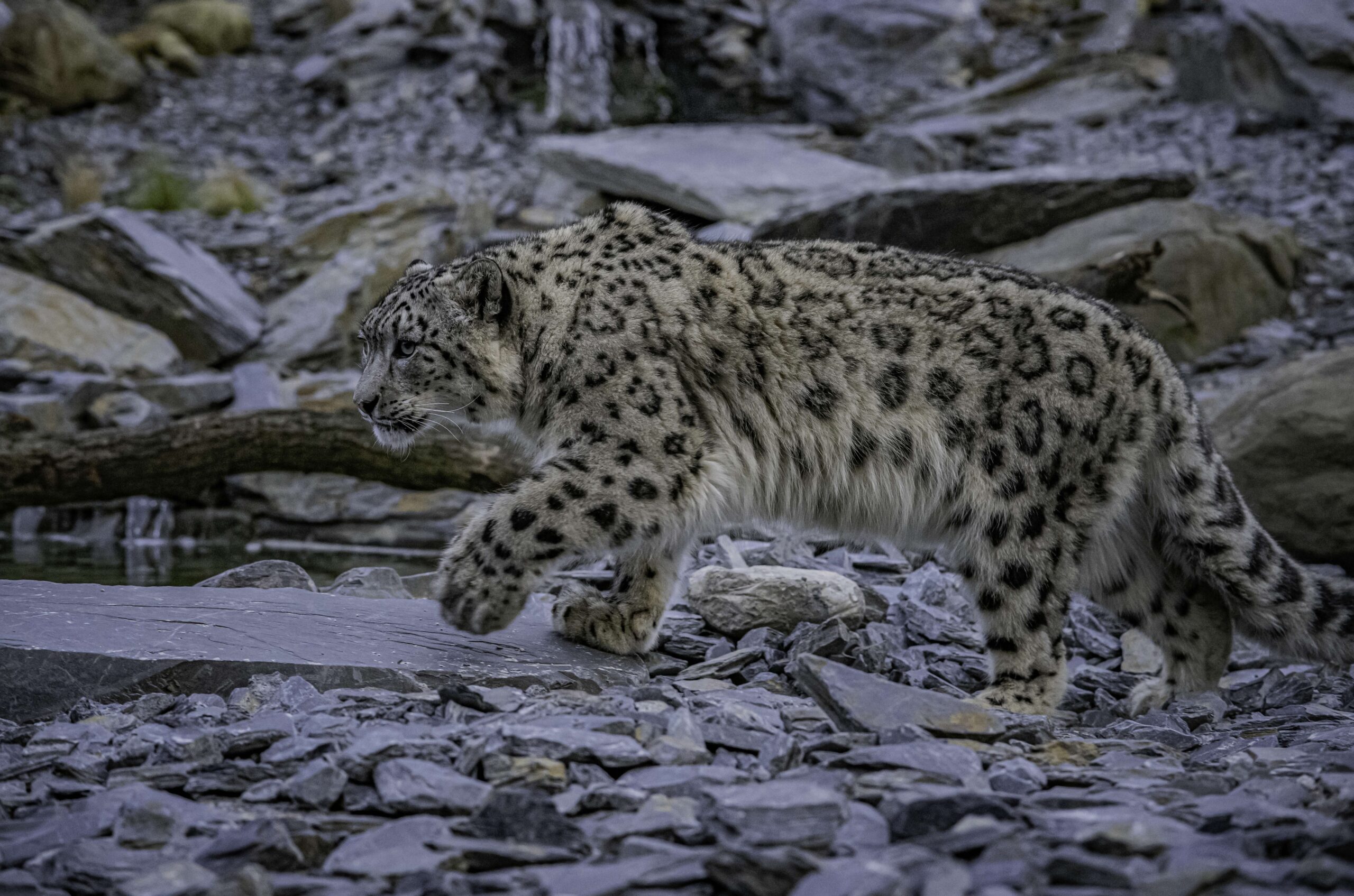
The highly threatened big cats have just moved into a huge new Himalayan habitat at the zoo, which has used more than 600 tonnes of scree and rocks to recreate mountainous terrain.
In the wild, snow leopards are one of nature’s most elusive animals, living in high-altitude areas where climate change is threatening to erode their natural habitat. They’re also under threat from poaching and retaliatory killings following cases of human-wildlife conflict.
Sightings of these majestic mammals are now so rare that they are nicknamed the ‘ghost of the mountains’.
ADVERTISEMENT
But now a gorgeous pair of snow leopards have moved into Chester Zoo – male Yashin and female Nubra.
They have been carefully matched through a conservation breeding programme and it’s hoped that (now they’ve ‘hit if off’ straight away) they may go on to have cubs.
ADVERTISEMENT
The zoo has today released the first images of the animals exploring their new home, ahead of it opening to the public on Monday 25 March.
Chester Zoo has welcomed a pair of snow leopards for the first time in its 93-year history. Credit: Chester Zoo
Mike Jordan, Director of Animals and Plants at the zoo, said: “The arrival of snow leopards is a huge milestone in our zoo’s long history and signifies our commitment to protecting another of the world’s most threatened big cat species.
“Yashin and Nubra are both just over 18 months old, so they’re incredibly playful, inquisitive and full of energy. They’re also both now at the age where they’d naturally start to leave their mother and become independent, which is why they’ve been paired up here at Chester Zoo as part of a European conservation breeding programme, which is working to safeguard the species from becoming extinct.
ADVERTISEMENT
“Now that they’ve had some time to settle in and explore their new home here in Chester, the pair appear to have really hit it off and, in time, we’re hopeful that they’ll go on to have cubs together.
“This incredible new habitat not only offers visitors spectacular viewing opportunities and a fascinating glimpse into the harsh, yet beautiful world that snow leopards inhabit. It’ll also help conservationists here to learn more about the lives of these iconic cats, helping to further support global conservation efforts for the species.”
Mayukh Chatterjee, Regional Field Programme Manager for Asia at the zoo, added: “Not only have we created a fantastic new home for Yashin and Nubra here at Chester, we’re also joining forces with fellow conservation charity, the Snow Leopard Trust, to contribute to vital efforts to conserve snow leopards and safeguard communities that live alongside them, to foster coexistence.
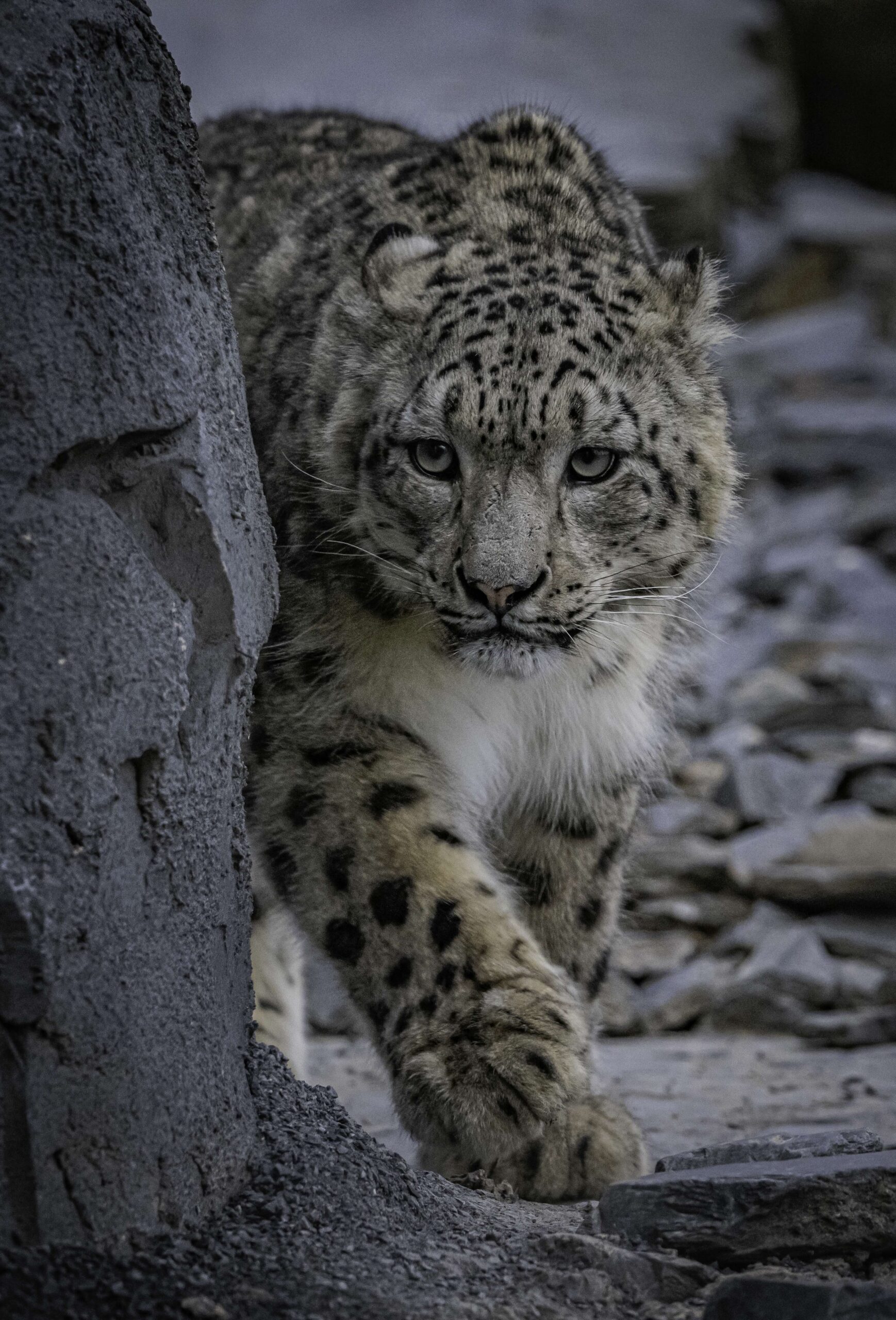
Yashin and Nubra, a pair of snow leopards, have arrived at Chester Zoo. Chester Zoo has created a habitat that mimics their natural home in the HimalayasSnow leopards have arrived at Chester Zoo
“The keeping of goats, chickens, sheep and cows is a major source of income for local communities living in Kyrgyzstan. Snow leopards can sometimes wander into communities in search of prey and kill farmers’ livestock, which often results in retaliatory persecution of the big cats. By working alongside these communities, we hope to safely build up their resilience to snow leopards while also helping them generate income through a range of other sustainable livelihood initiatives which are also ‘snow leopard friendly’.
“We’ve seen huge success with this in other areas of the world with communities in Bolivia that live alongside Andean bears, and villagers in India that live in close proximity to Asian elephants, and we’re confident we can similarly improve the co-existence between people and these highly threatened cats.
ADVERTISEMENT
“We’re hopeful that these efforts in Kyrgyzstan, in conjunction with our conservation breeding efforts here at the zoo, will play a positive role in creating a future where snow leopards not only survive, but go on to thrive.”
The new snow leopard habitat will open to the public from Monday 25 March. Entry is free, with normal zoo admission and tickets can be booked at chesterzoo.org.
You can watch the video of Yashin and Nubra in their new home below.
Chester Zoo becomes first UK zoo to gain important international status
Danny Jones
The North West’s beloved Chester Zoo has been awarded a highly coveted global status, being named as the first international botanical garden in the entire UK.
With so many well-deserved awards, accolades and plaudits from within the world of wildlife preservation over the year, it’s no surprise.
A gem in Cheshire and the wider region’s crown, which continues to express its extreme commitment to ecological and environmental causes year in and year out, Chester Zoo is regularly ranked the best in the country and one of the top facilities in all of Europe, and now its worldwide reputation is growing too.
Taking its already sterling CV one further this year, 2026 marks the inaugural year of not only Chester Zoo existing as a recognised international botanical garden, but a big moment for Great Britain’s conservation status in general, as it’s been over 150 years since it last held the status.
Writing on social media in response to the huge honour, they wrote: “We’re officially the FIRST UK zoo recognised as a globally important botanic garden!
“We care for hundreds of rare plants, protect species at risk of extinction, and create beautiful gardens that encourage visitors to slow down and connect with nature.
“Global plant conservation organisation [Botanic Gardens Conservation International] assessed us against 22 criteria before awarding us Conservation Practitioner status – a recognition that now lets us do even more to protect native wildlife alongside our incredible conservation partners!”
Incredible stuff.
They signed off by adding that their efforts are “all made possible by YOU”, with 2025 marking an all-around groundbreaking year for the venue, as a total of 2,136,224 visitors came through the gates to surpass their previous record tally back in 2019 (2,086,785).
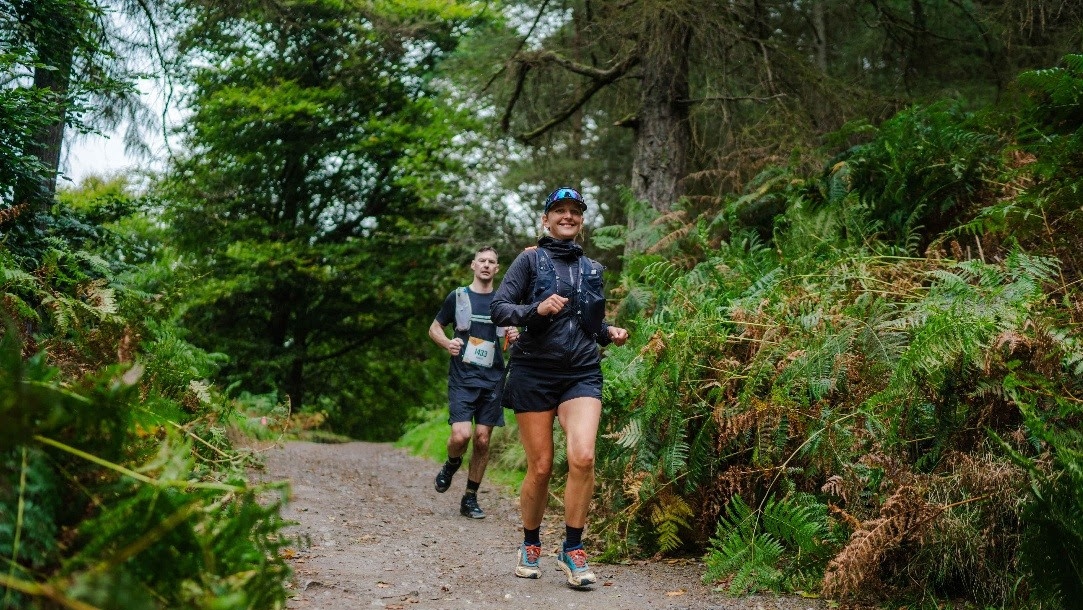
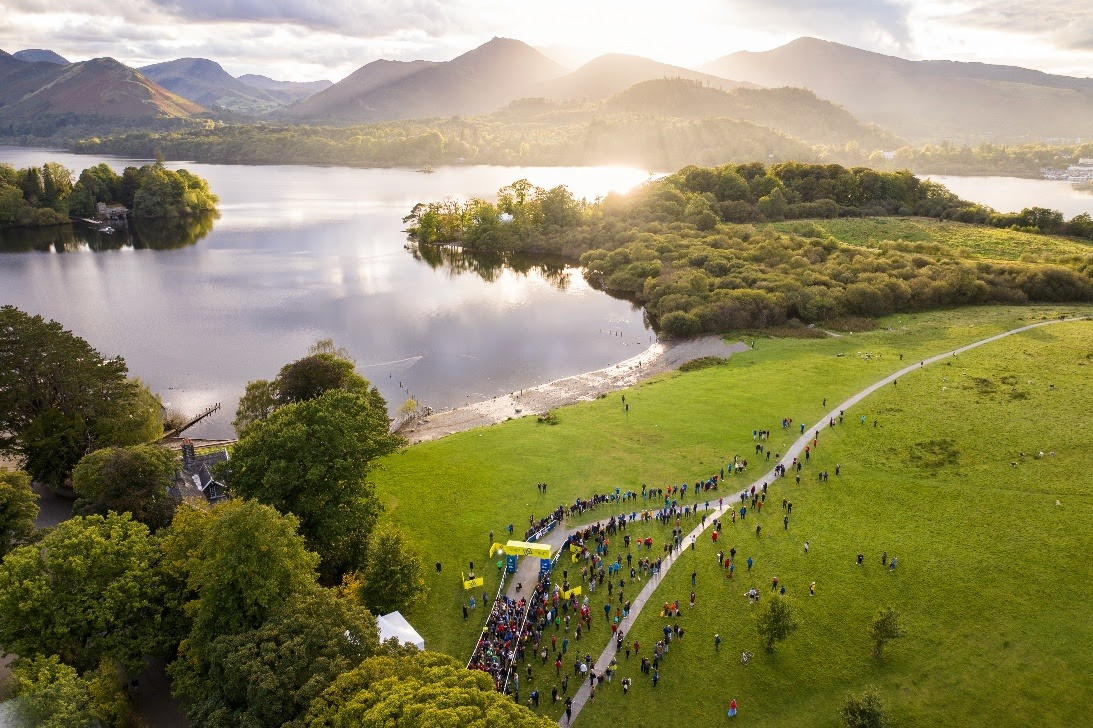
BGCI’s awarding of Conservation Practitioner is yet more proof of just how much work Chester Zoo does throughout the annual calendar, not least of all the incredible fundraising they do via various activations like their hugely successful charity run.
They signed off by adding that their efforts are “all made possible by YOU”, with 2025 marking an all-around groundbreaking year for the venue, as a total of 2,136,224 individuals came through the gates to surpass their previous record tally back in 2019 (2,086,785).
Speaking directly on the watershed moment, the zoo’s head of plants, Philip Esseen, said in an official press release: “This recognition shows that our plant work has real conservation value.
“We’re caring for species that are threatened with extinction in the wild, and that carries a responsibility to protect them, propagate them and share our expertise with others.
“The accreditation will help us work more closely with other horticultural and conservation organisations and increase the amount of conservation work we can do, particularly to support native species.”
Congratulations once again to Chester Zoo on such a significant achievement, and with around 10k people visiting each day – be that staff, field-expert guests or visitors – the proof is in the pudding: it really is the best in Britain doing some of the most vital work possible.
The UK has lost half of it's hedgehogs in the last 20 years, so here's 3 simple things you can do to make your garden a hedgehog haven 👇
🏡 Create a cosy hideout – piles of leaves, logs, or a hedgehog house give them a safe spot to rest Make a hedgehog highway – leave a…
Featured Images — Publicity pictures (supplied via Chester Zoo)
Travel & Tourism
The countryside Airbnb where you can have a sleepover with a Shetland pony
Daisy Jackson
Do you like your animals pint-sized and ideally sporting an excellent, tousled hairstyle? Then allow us to introduce you to Basil.
This adorable little Shetland pony lives inside an Airbnb rental, which means he’s ready and waiting for you to join him for a sleepover.
At the cosy accommodation, the bedroom is directly attached to wee Basil’s stable, so you could roll over in bed and give him a little fuss.
Then just outside your door, you’ll find paddocks that are home to Highland cows, Hebridean sheep, horses, pigs, chickens and Norwegian Forrest cats.
Honestly, this place might be paradise for animal lovers.
Known as ‘Basils Barn’, the Airbnb is located in the grounds of a 17th century manor, surrounded by a 60 acre estate.
The owners have mostly rescued the animals, who are strictly kept as pets – so it’s safe to form an emotional attachment to Basil and his farmyard pals knowing they’re in safe hands.
So back to your overnight accommodation. This cosy barn still has gorgeous original features like a flagstone floor, covered in colourful rugs, and traditional stone walls.
Basils Barn also includes a cosy living area. Credit: AirbnbThe outside space at Basils Barn has a firepit and seating area. Credit: AirbnbBasil the Shetland Pony shares an entrance to the Airbnb. Basils Barn also includes a cosy living area. Credit: Airbnb
There’s enough space for four people to sleep between the double bed and a bunk bed, as well as a separate living room/kitchen/diner.
Outside, you can have access to an open outdoor log fire with barbecue grill, and an outdoor tiki hut seating area.
Other amenities include toiletries, toys, books and board games for families, a well-equipped kitchen and free parking.
Some things to bear in mind? There is a literal horse next door, so you might experience some sights, sounds and smells.
And your alarm clock may not be needed, with a cockerel on the estate who will soon let you know when dawn arrives with his crowing.
Basil the pony is usually in his stable – adorable head poking over the low wall that separates him from the Airbnb – from the time you arrive, and he stays there overnight, before he heads back to his field in the morning.
You also have to turn his light out for him when it’s time for bed. Aww.