New train services between Manchester and London have been proposed following the scrapping of HS2.
The proposals were unveiled by rail operator London Northwestern Railway (LNWR) earlier this month (Monday 1 July), and are designed to ‘improve connectivity’ between the Midlands and the North West, as well as provide more choice for passengers.
Under the proposals, London Northwestern Railway’s existing services between London Euston and Crewe would be extended through to Manchester Victoria, and the current services between Stafford and Crewe would be extended to Manchester Airport.
As well as bringing additional capacity to Manchester, the plans will create new direct links from Rugeley, Lichfield, Tamworth, and Atherstone in the West Midlands, to the city centre and Warrington, from summer 2026.
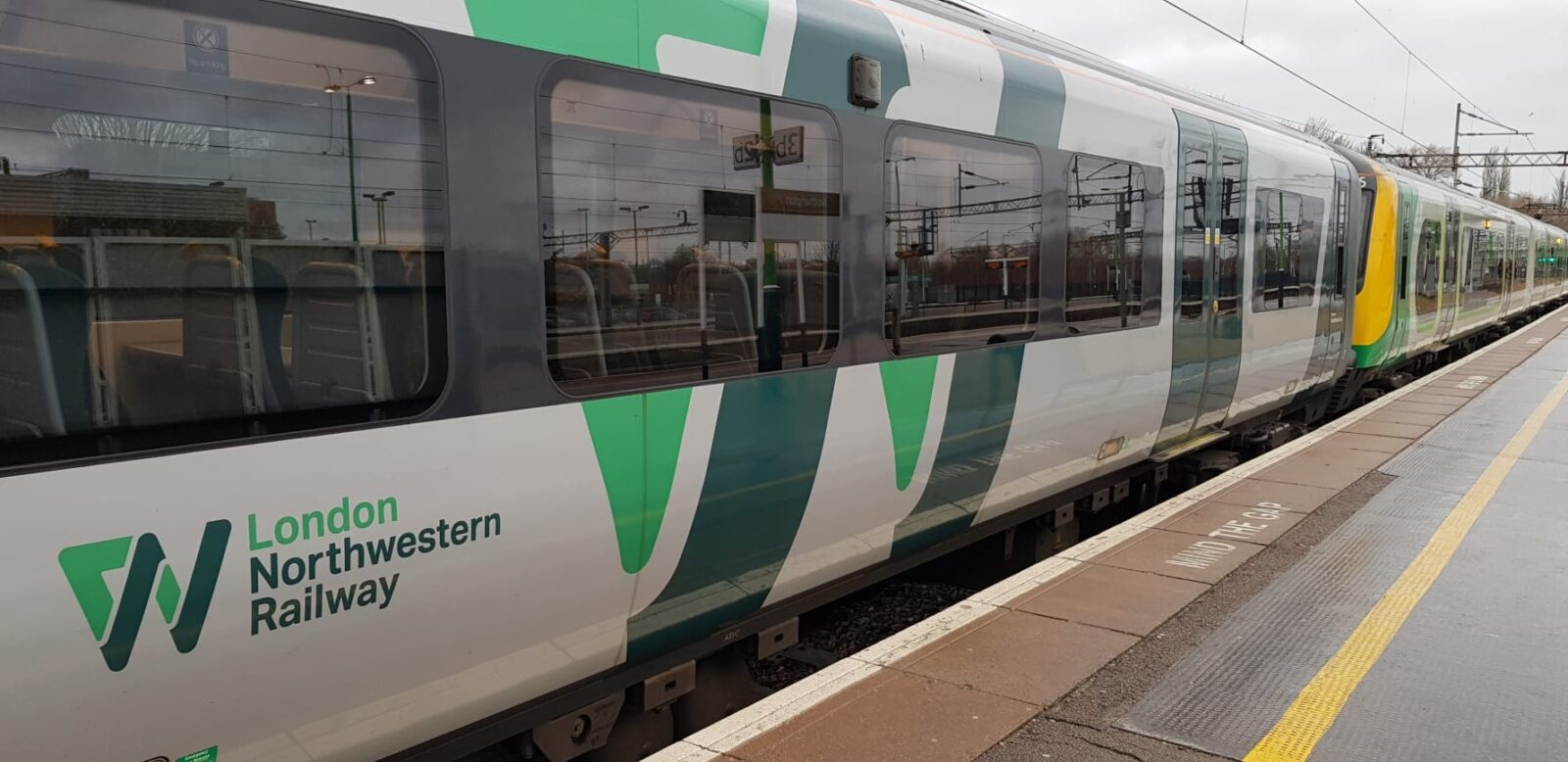
Plans for new Manchester to London train services have been unveiled / Credit: LNWR | Flickr
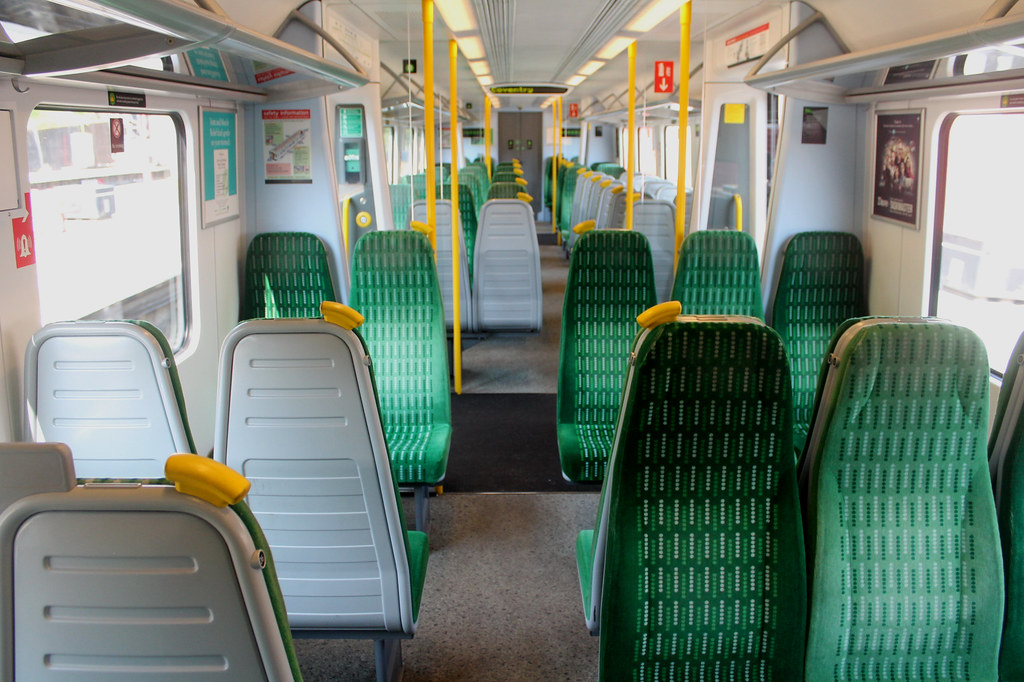
The services linking Manchester city centre to London would use the LNWR’s brand-new Class 730 electric trains, which will provide a significant increase in capacity – with each 10-car train able to carry more than 1,200 passengers.
ADVERTISEMENT
LNWR will work with local operators and Network Rail to determine the “best overall solution”.
The proposed plans will also tie-in with planned upgrades to Manchester Victoria station, the TransPennine route upgrade, and other local improvements in the North West.
ADVERTISEMENT
New train crew and management jobs will also be created in the North West, on top of the the economic benefits that come with the generating of additional revenue and enhancing connectivity between two of the UK’s largest city regions under the proposals.
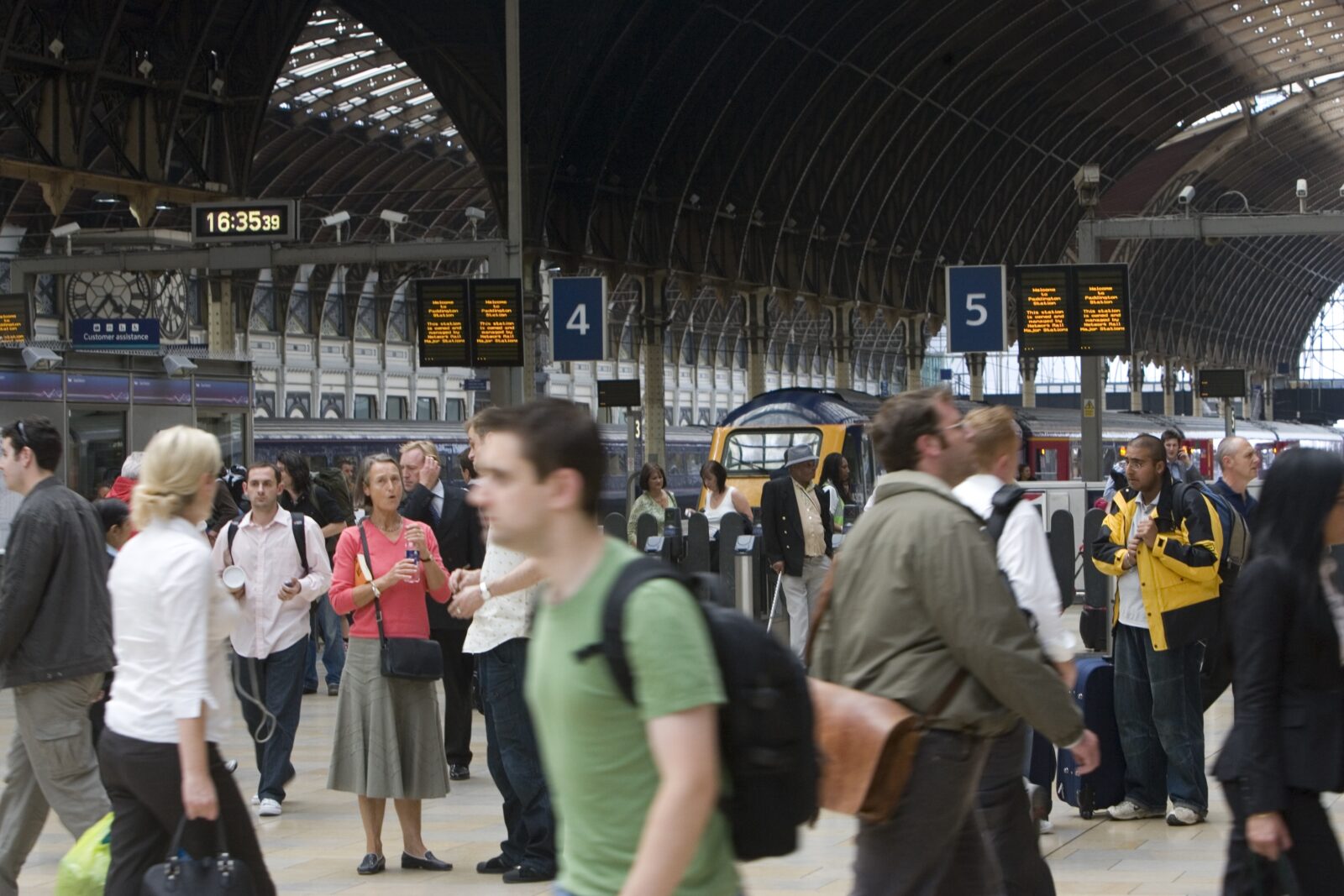
The proposals follow the Government’s scrapping of the northern leg of HS2 / Credit: National Rail
“This proposal puts passengers at the heart of the railway,” commented Ian McConnell, who is the Managing Director of West Midlands Trains, which operates London Northwestern Railway, as the plans were unveiled this week.
“It’s the common sense solution to increase connectivity between the North West and the West Midlands, following the cancellation of the northern leg of HS2.
ADVERTISEMENT
“With platform space at Euston at a premium, the best way to provide new journey opportunities to Manchester is simply to extend existing services, rather than trying to squeeze more trains onto the congested West Coast Main Line.”
LNWR will formally submit its plans to the Office for Rail and Road (ORR) later this year, and if approved, the new services could start from May 2026 once additional train crew have been recruited and trained.
Travel warning issued as tens of thousands to descend for Manchester Half Marathon
Daisy Jackson
A travel warning has been issued ahead of the Manchester Half Marathon this weekend, with tens of thousands of runners and spectators expected to arrive in the city.
People are being urged to plan their journeys ahead of time, with significant road closures in place from the city centre as far out as Sale.
Road closures – and subsequent bus diversions – will also affect parts of Stretford, Chorlton, Trafford, and surrounding areas.
Around 32,000 people are expected to take part in the Manchester Half Marathon this Sunday, with thousands more coming out to cheer the runners on.
Transport for Greater Manchester is advising people that the Bee Network trams will be the best way to get around over the weekend.
Extra trams will be operating to provide as much capacity as possible.
Road closures and bus diversions will start on Saturday 3 October and continue until the actual race day on Sunday 4 October, lifting fully by 8.30pm.
Tens of thousands of runners and spectators will descend on Manchester for the half marathon
Earlier this year, the Manchester Marathon led to a record-breaking day for Metrolink trams, with the highest number of passengers ever recorded on a single day in the network’s history.
Whether running or cheering, people are advised to use the Bee Network app to plan their journeys and are strongly encouraged not to drive within the affected areas.
Steve Gilholme, Head of Events at Transport for Greater Manchester, said: “The Manchester Half Marathon is another one of those special occasions where the people of Greater Manchester and beyond come together, with thousands of people taking on the challenge and raising money for good causes, while many more will line the route to cheer them on.
“This does mean the city centre and especially trams will be incredibly busy so please plan ahead and give yourself extra time to make journeys.
“The Bee Network app and website will be the best places to get the latest travel information and tap and go contactless payments are the quickest and easiest way to pay.”
You can see all the road closures for the Manchester Half Marathon HERE.
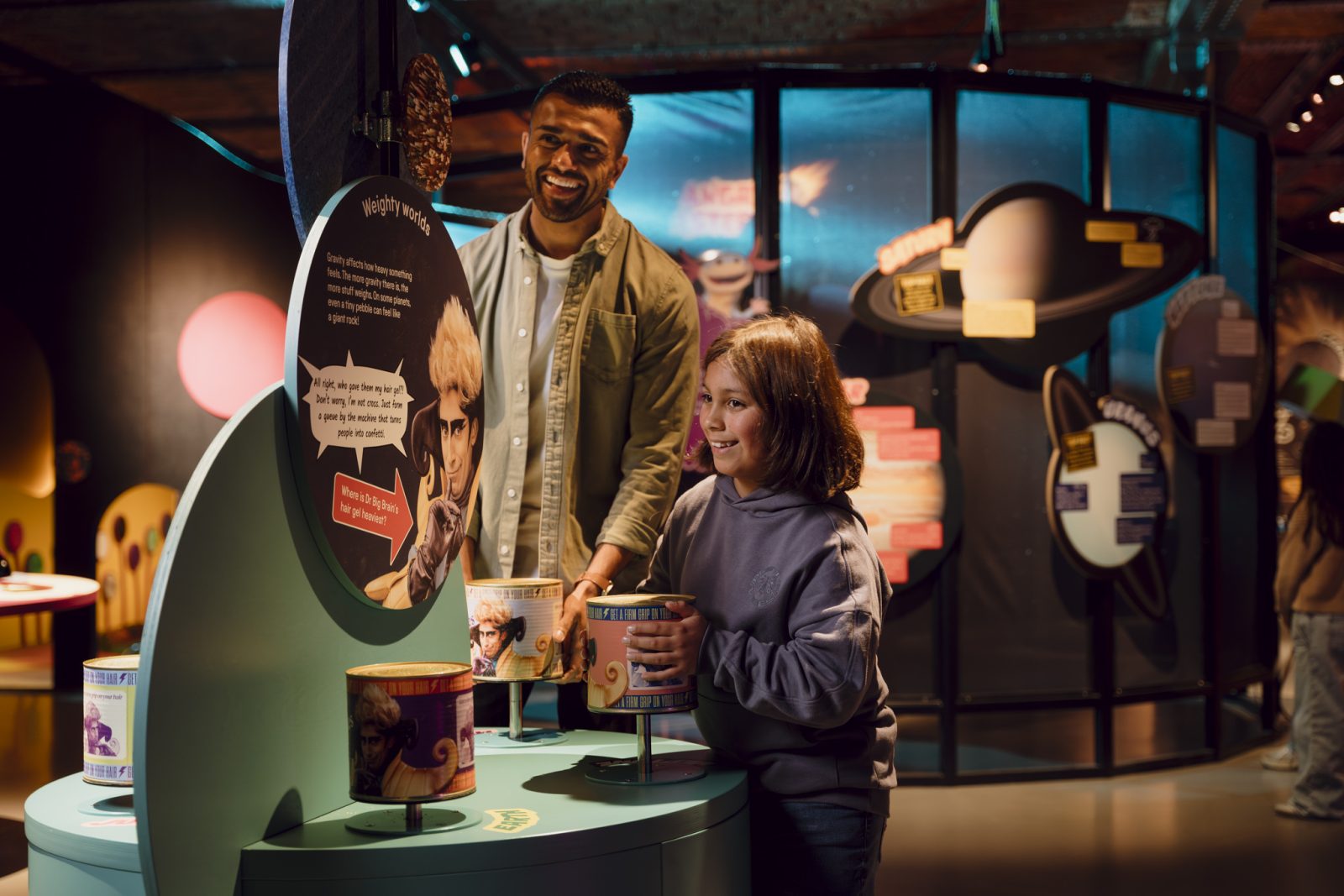
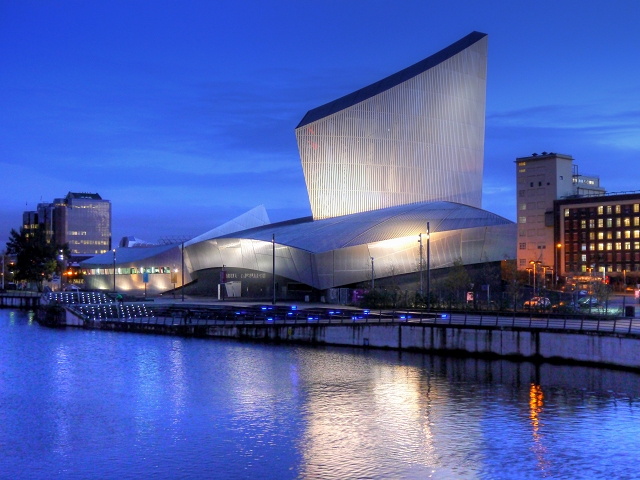
Funded by the Department for Culture, Media and Sport (DCMS), the 14 national museums of the UK are all located in England – including the Imperial War Museum North, and the Science and Industry Museum in our region – and free entry to was first introduced all the way back in 2001, with millions of visitors having benefitted since.
National museums are said to add more than £1 billion a year to the economy, and bring in visitors from all over the world.
In fact, seven of the UK’s 10 most visited museums are national museums, and 7.1 million people visited the Natural History Museum and 6.4 million visited the British Museum in 2025 alone.
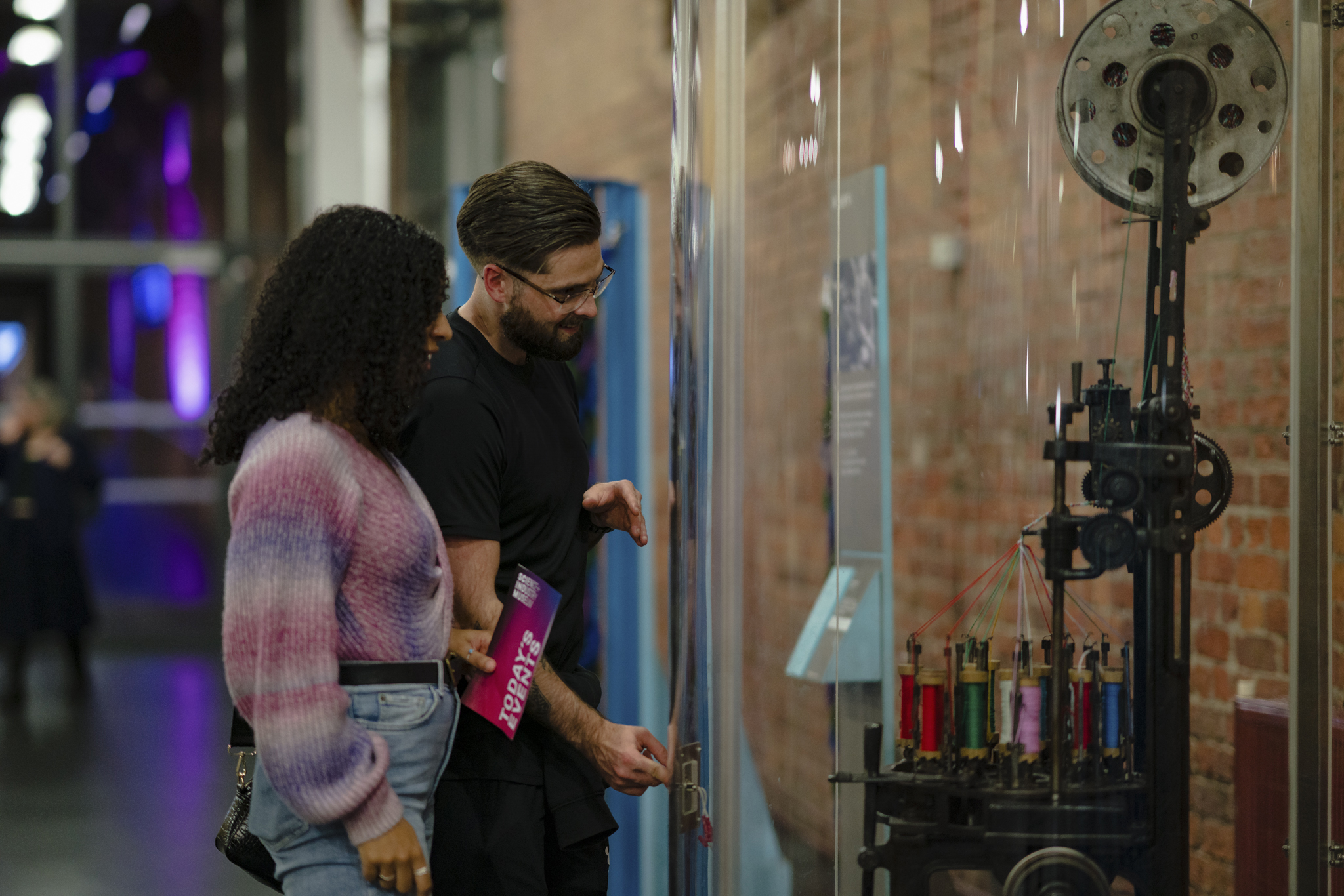
The Government has announced that all national museums in the UK will remain free for everyone to visit / Credit: Science Museum Group | Wikimedia Commons
Earlier this year though, the Government committed to working with local leaders and the museum and tourism sectors to explore whether charging overseas visitors could help museums’ finances.
But following this, it’s now believed that charging could deter visitors, and that the impacts and benefits would ‘not be felt equally’ across the sector.
Instead, the free entry will be funded by the £1.5 billion Arts Everywhere Fund – which is providing £760 million for museums – while £600 million of infrastructure funding is supporting national museums and DCMS-sponsored cultural organisations.
The latter funding will be used to address critical maintenance and works to estates, and enable institutions to deliver on their commitments to share collections with visitors from around the world.

 Emily Sergeant -
2nd July 2024
Emily Sergeant -
2nd July 2024