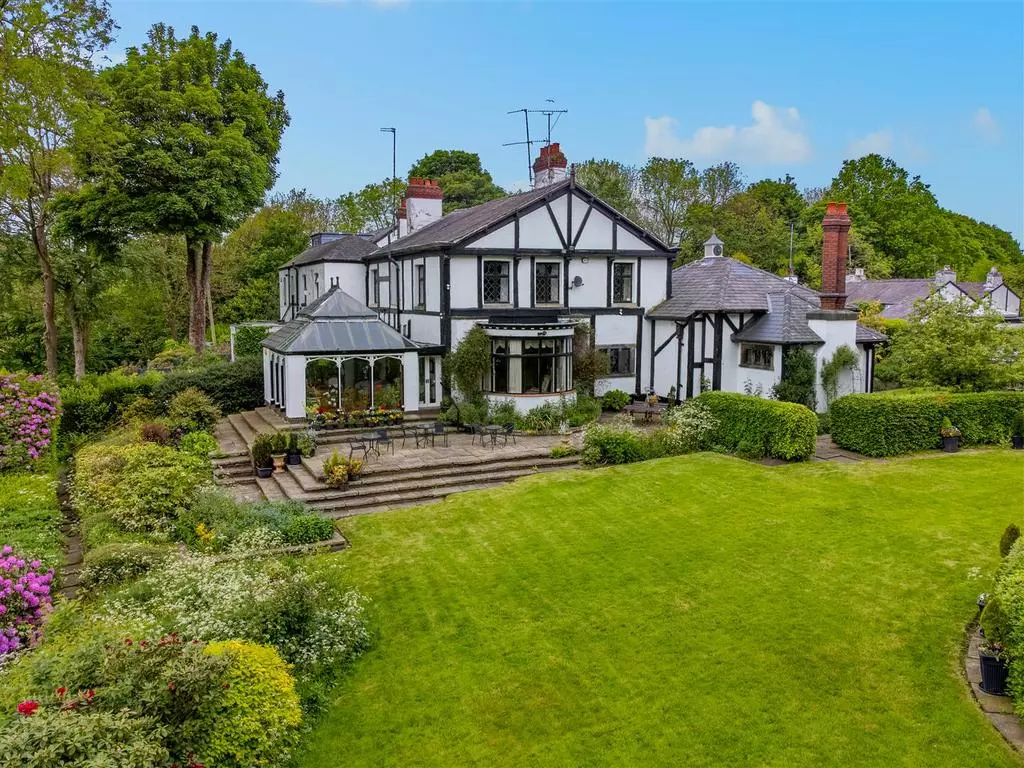
There’s a manor house which dates back to the 1700s that’s just gone on the market in Greater Manchester.
Now, obviously, we know Manchester is the best place on Earth and, naturally, people have been wanting to live here since the 18th century (and even earlier).
Westerhill House in Ashton is a property that dates back to 1764, and now you could be the next lucky owner to live in this five-bedroom property, which really is a piece of living history.
The legacy of this property spans more than just this country house site, as the previous tenants – who inhabited the house until 1964 – actually provided the rivets for the Eiffel Tower on behalf of their company, Park Bridge Ironworks.
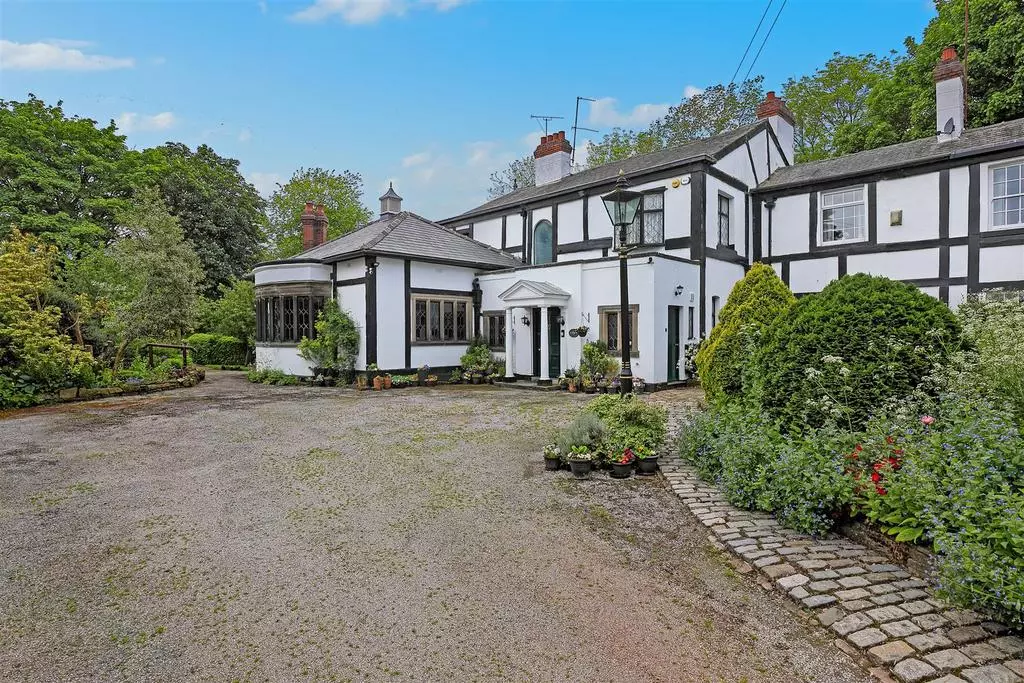
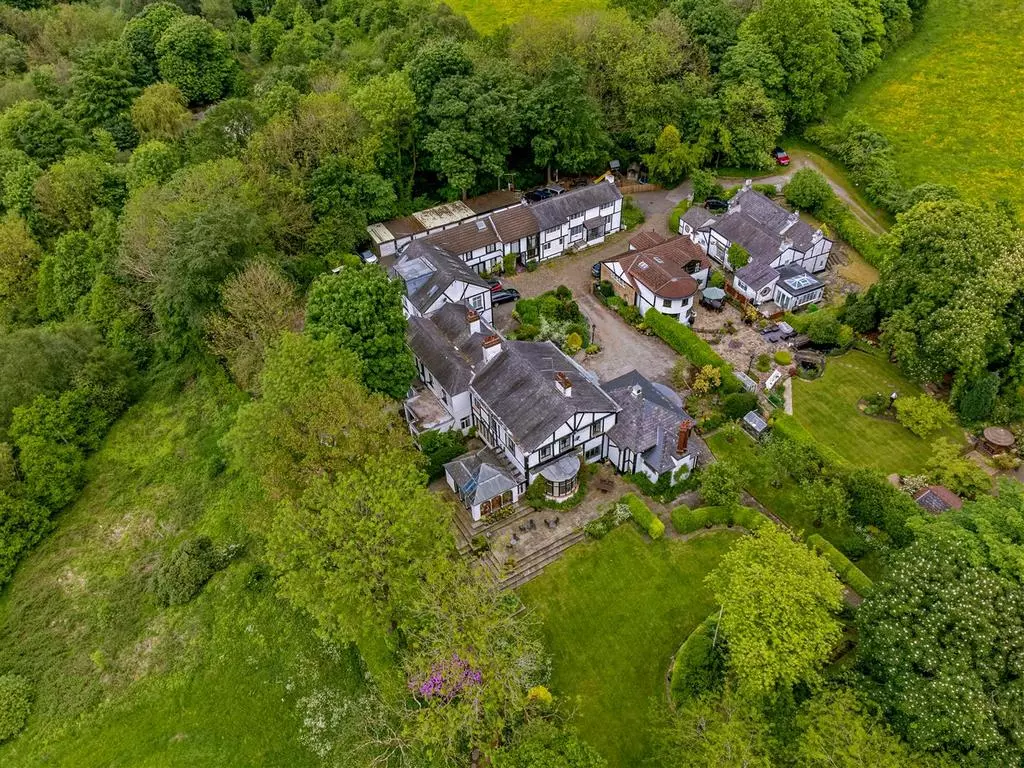
The grand entrance to this 1700’s manor house in Ashton.The hamlet in which this Greater Manchester property resides.Credit: On The Market
One particular room in this manor house features the work of a well-known Mancunian architect, Donald Reeve Buttress, who spent more than a decade at Westminster Abbey until his departure in 1999.
ADVERTISEMENT
On the estate agent’s website, each room is described as being individually detailed with its specific role in the house, and if you think you don’t have enough space for all your stuff, think again.
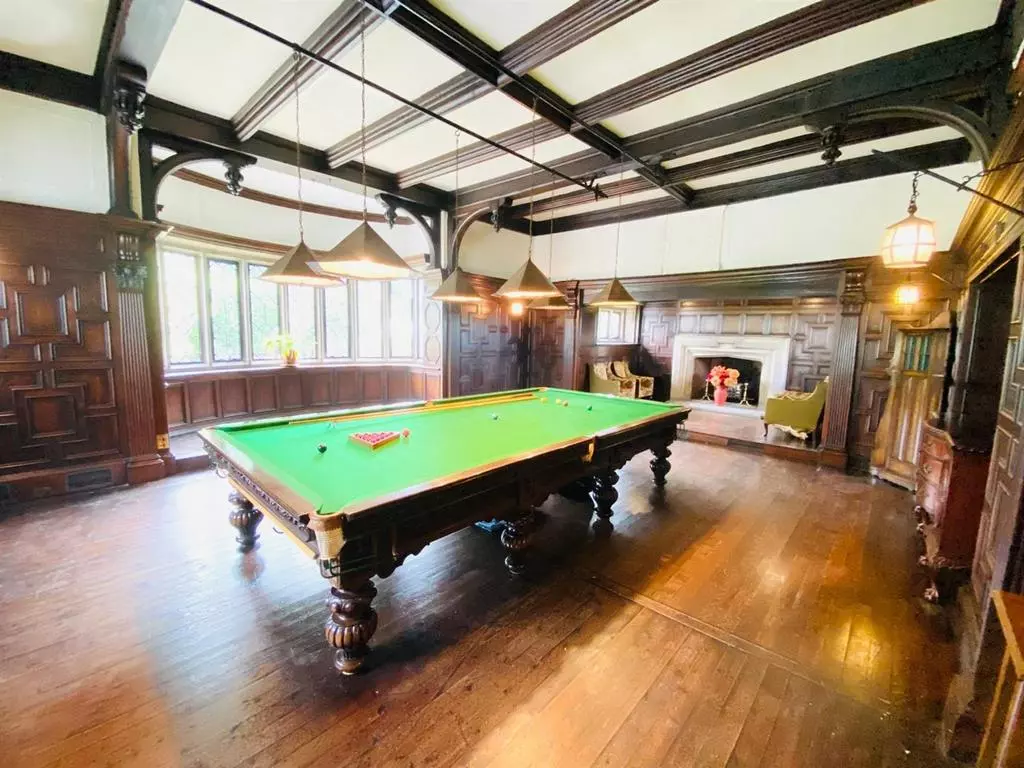
This 1700s character manor house has a room for just about anything you could possibly think of, including a billiard room (posh word for pool) and a wine cellar – I know which room I’ll be accidentally getting myself locked in once a week…
ADVERTISEMENT
This Ashton historical property spans three floors, with the downstairs being the smallest in size with only one room, while the ground floor boasts 10 and the first floor has eight designated rooms.
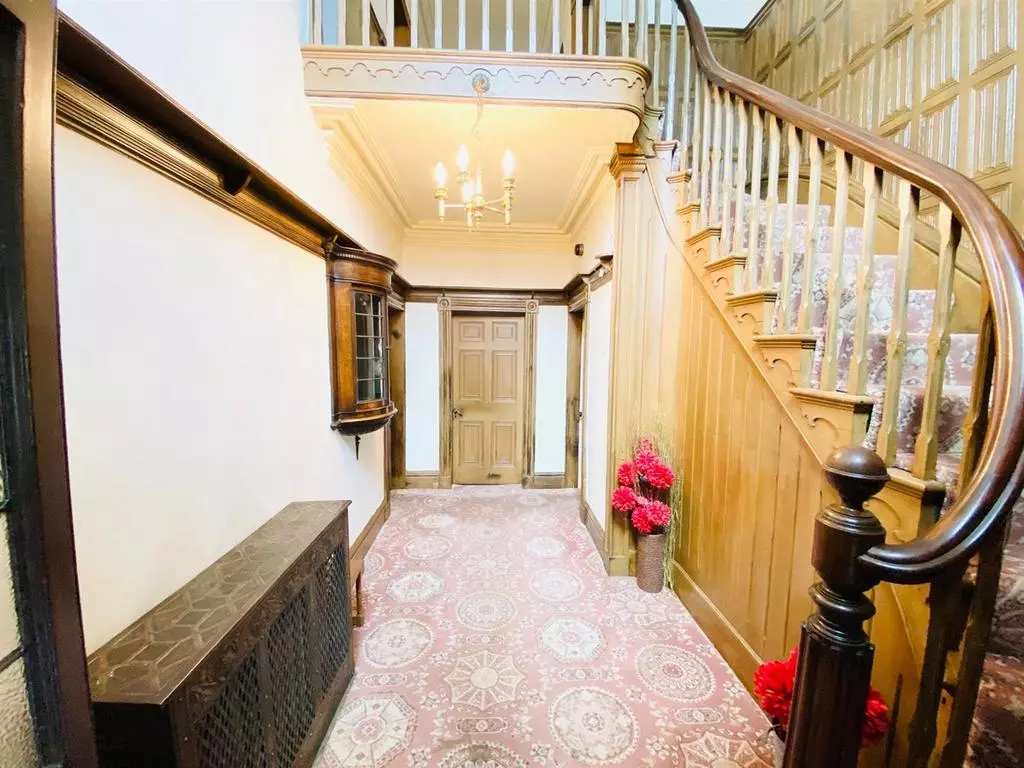
As you enter the living space, there is an entrance hall that leads to a bigger hall and a staircase; meanwhile, there is a breakout room immediately on the right side leading to a toilet and a dedicated boot room. Handy.
On your left-hand side as you step through the front door, there is another bigger breakout room which hosts the impressive billiard room and seating area, which is a considerably large space.
ADVERTISEMENT
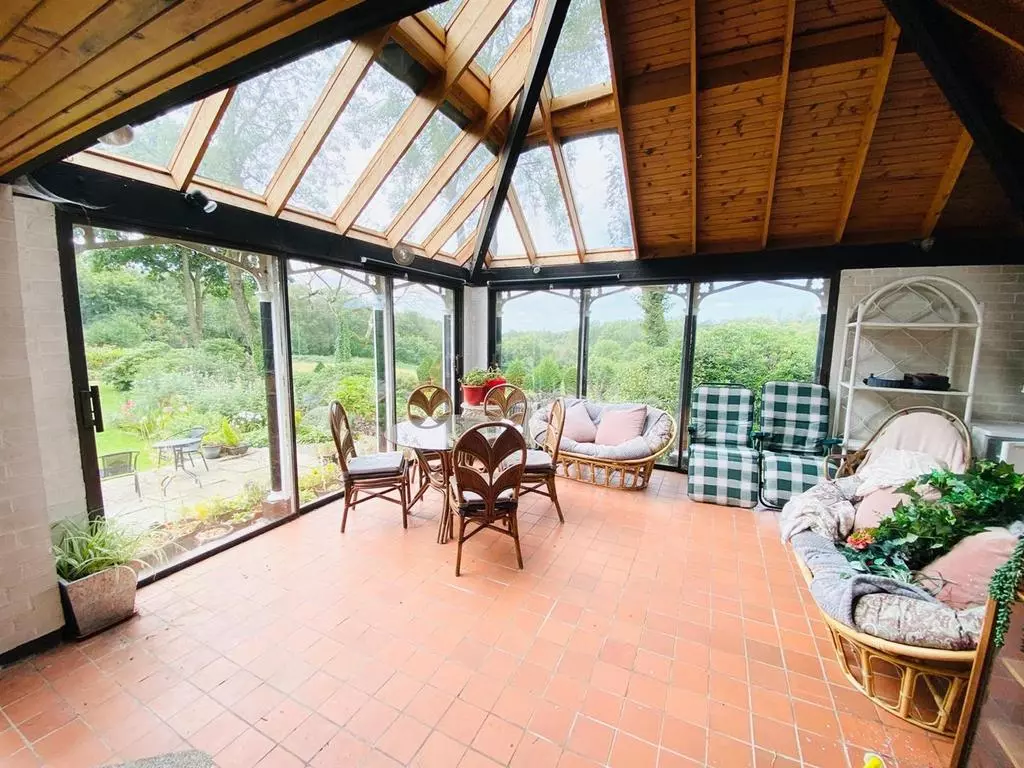
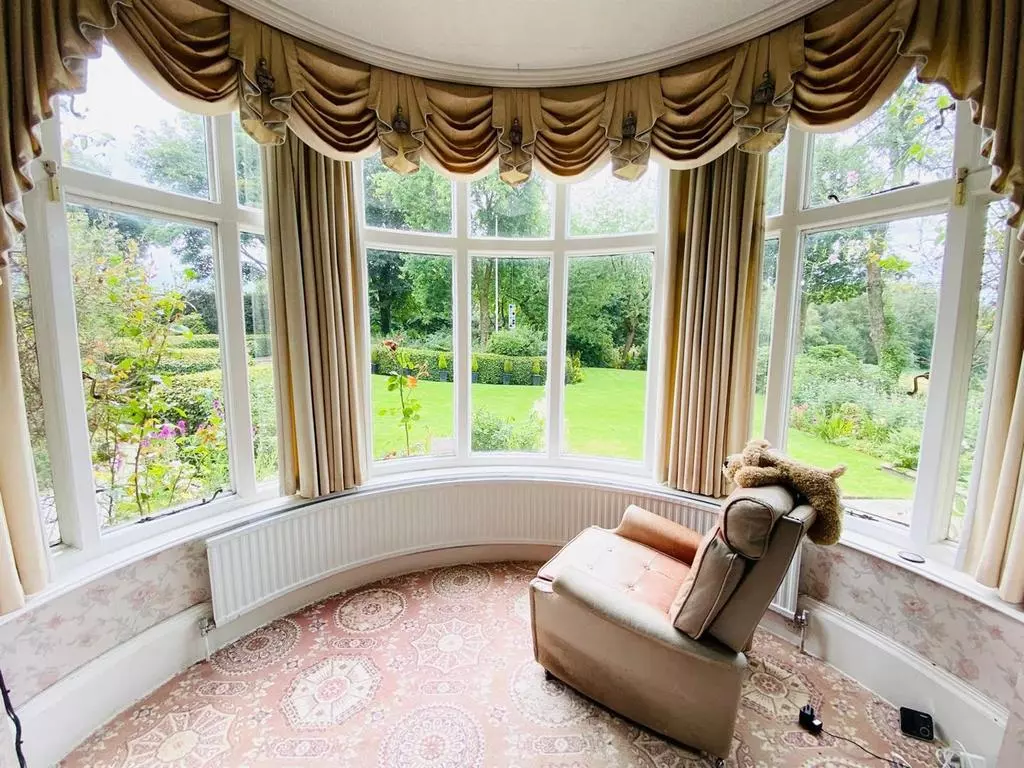
The conservatory designed by architect from Westminster Abbey.The main hall which leads to various rooms in this 1700s Ashton manor house.Credit: Supplied
Step through to the main hall and you’ll find doors leading to the dining room, kitchen space and a lounge which has an adjoining conservatory.
It’s this very conservatory that was designed by none other than Buttress himself, who worked at Westminster Abbey for 11 years as the ‘Surveyor of the Fabric’.
Any loyal Ashtonians will also be impressed with the stained glass window in the inner hallway, which also happens to contain a depiction of the ‘Black Knight of Ashton-Under-Lyne‘.
Moving upstairs, you find a wide landing which leads to all four bedrooms and three bathrooms, two of which are en-suites.
This 1700s manor house is currently listed for offers in the region of £750,000, and although it may be historic in age and interior, in terms of broadband, the property apparently has super-fast broadband.
ADVERTISEMENT
The billiard room with adjoining seating area.Curved seating area overlooking the stunning garden space.
Ever get bored of looking around this magnificent and interesting mansion’s four walls? This house is situated in a lovely hamlet located close to Daisy Nook Country Park.
Of course, we understand that a lot of us reading certainly can’t afford a property of this nature, but when the manor house is rooted in this much history, it would be rude not to have a snoop on the official site.
Oh, and if that wasn’t enough browsing for you, there’s a three-bed coach house up for sale in this same exact Ashton hamlet, also dating back to the 1700s. Cool, right?
Free Manchester home-buying event returns after attracting more than 750 aspiring buyers last year
Daisy Jackson
The Manchester Home Show will return this year, offering free advice and support for people looking to buy their first home.
The event brings together everything from housing providers to mortgage experts, and last year attracted more than 750 aspiring buyers.
You’ll be able to chat to experts, receive free financial and legal advice, and learn all about schemes like Shared Ownership, helping you to take that step closer to the property ladder in the North West.
There will also be the chance to learn more about some of the region’s most exciting new affordable homes developments, including L&Q at Victoria Riverside near the city centre.
This year, the Manchester Home Show will take place at Mercure Manchester Piccadilly Hotel, between 10.30am and 4pm on Saturday 19 September.
It will bring together advice, affordable homeownership guidance, and access to housing providers under one roof, and builds on the success of the long-running London Home Show (which has welcomed more than 87,000 prospective buyers since 2013).
This year’s industry sponsors are housing associations L&Q and Plumlife Homes, alongside 18 other expert exhibitors including Gecko Homes, Latimer by Clarion Housing Group, Snugg Homes, Your Housing Group, Together Homes and Onward Living.
Attendees will also benefit from access to legal and financial advice with the opportunity to meet mortgage brokers from Metro Finance, Smiths Financial, Just Mortgages and TMP The Mortgage People, along with solicitors from Shared Direction Conveyancing, Owen Paulo Legal Ltd, Alexander JLO Solicitors, and Talbots Law.
The Manchester Home Show is back. Credit: Supplied
Guests can sign up for jargon-free talks throughout the day, covering everything from top tips for first time buyers to the legal steps involved with buying a Shared Ownership property.
Nick Lieb, Chief Operations Officer at Share to Buy, comments: “We’re thrilled to bring the Manchester Home Show back to the North West and continue supporting aspiring homeowners on their journey.
“With many buyers unsure about where to start or what options are available, our aim is to make the home-buying process more accessible by bringing trusted experts, leading housing providers, and practical advice together in one place.
“Whether visitors are first time buyers, renters looking to save, or simply just exploring their options, the Manchester Home Show will provide the guidance they need to move forward with confidence.”
Attendees of the Manchester Home Show can even register their interest in some major affordable property schemes, from the Shared Ownership apartments near Manchester Victoria from L&Q Victoria Riverside, to apartments and townhouses in Salford from Plumlife Homes, and apartments in a restored pub (The Stamford Arms) in Little Bollington from Gecko Homes.
Tickets for the Manchester Home Show are free, but visitors must register in advance to attend, which you can do HERE.
You can also follow @sharetobuy_live on Instagram for further updates, top tips, videos and more.
‘Own a landmark, create a legacy’ – Historic chimney goes on sale for £300k in Bolton
Emily Sergeant
How would you like to live in a big chimney?
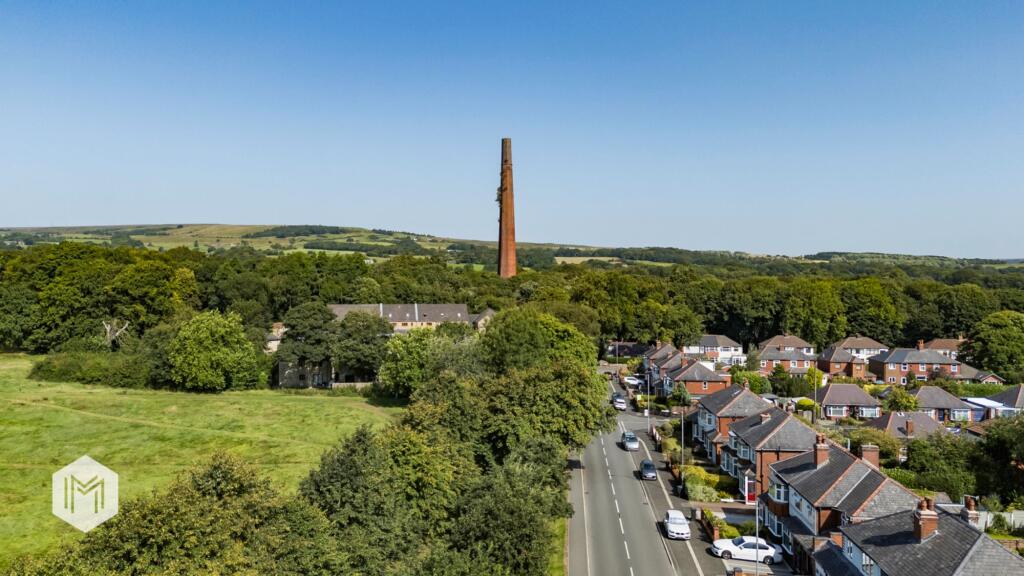
I know that might sound like an odd question, and in some respects, it is… but we’re being 100% genuine, as over in Bolton there is currently a historic local landmark on the market with planning permission to make it into your new home, and it’ll only set you back £300,000.
‘Only’ is a bit of a stretch, but when you consider the magnitude of this property, it’s surprising that you’re able to get your hands on it for such a reasonable price.
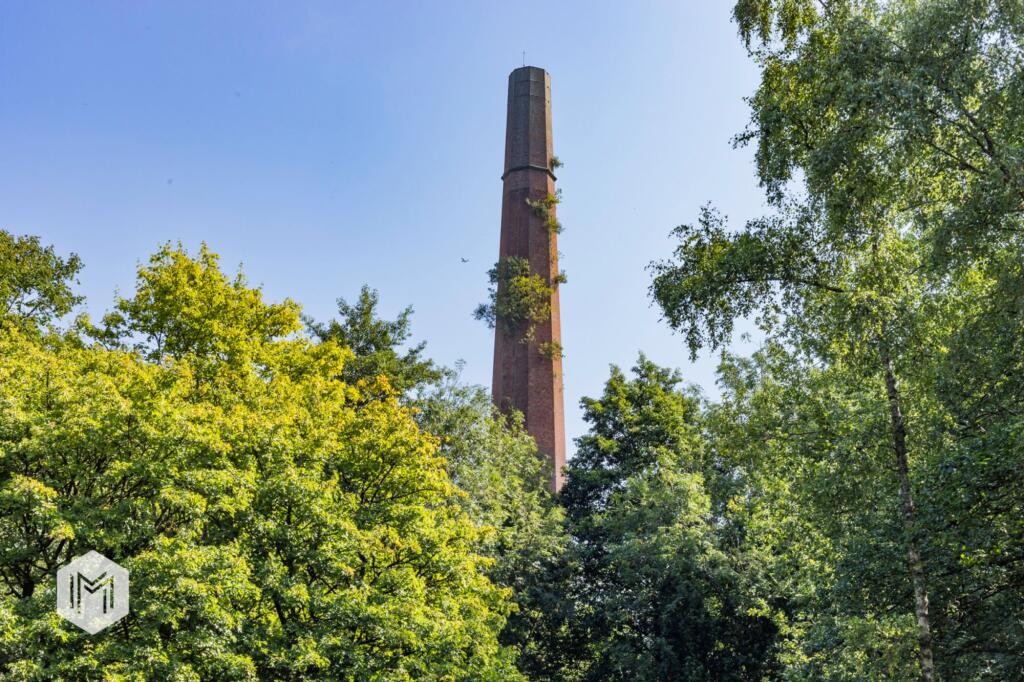
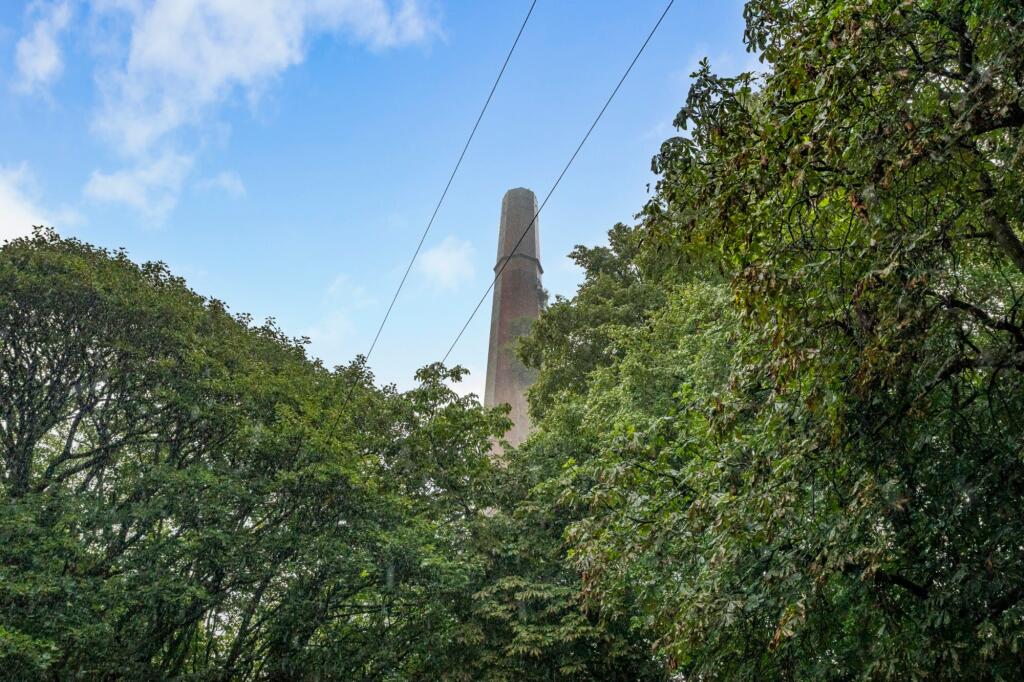
This is Barrow Bridge Chimney.
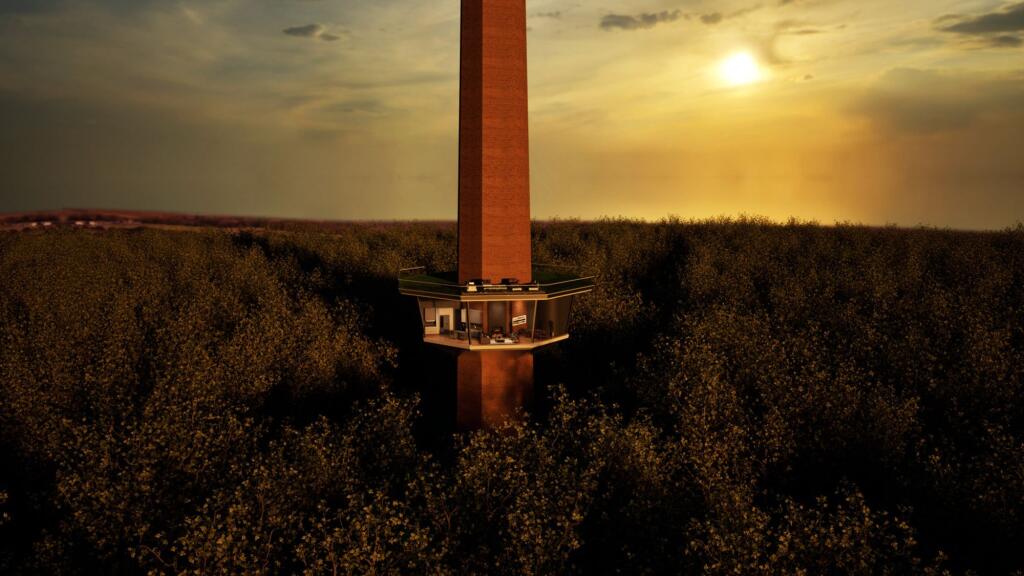
Rising above the tranquil stone cottages and wooded valley of the stunning model village that is Barrow Bridge, this striking Victorian chimney stands as a lone sentinel of Bolton’s proud industrial past – and now, with full planning permission secured, estate agents say it offers an ‘extraordinary opportunity’ to reimagine history as a truly one-of-a-kind home.
A historic chimney has gone on sale for £300k in Bolton / Credit: Miller Metcalfe
Originally built in the early 19th century as part of the ‘ambitious’ Dean Mills complex, the chimney once crowned a thriving cotton-spinning hub founded by Thomas Bazley, who was one of the Industrial Revolution’s great innovators.
Long after the mills fell silent though, the chimney endured and remained a local landmark in Smithills visible for miles, and today this relic of the steam age is ready for its next chapter.
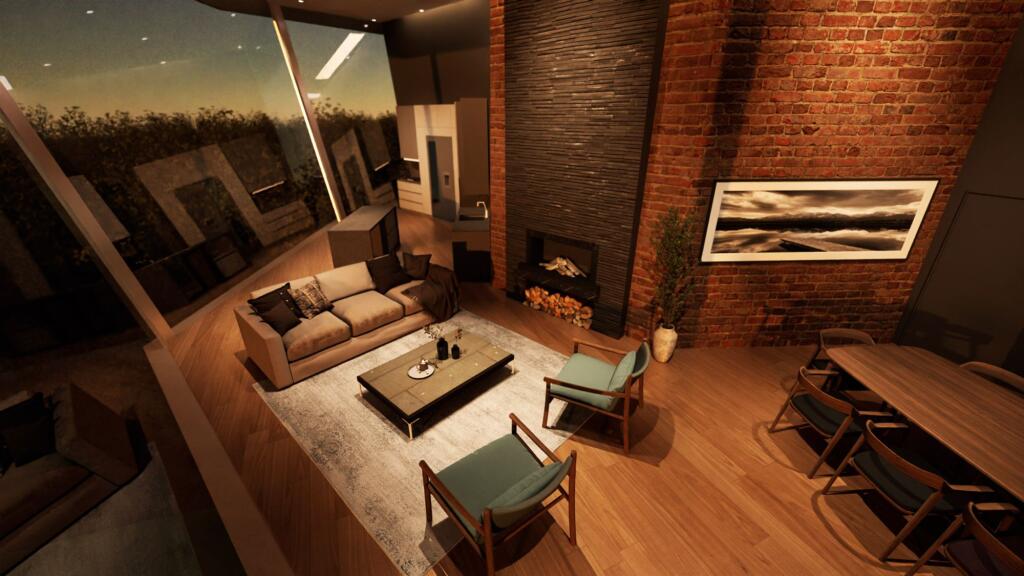
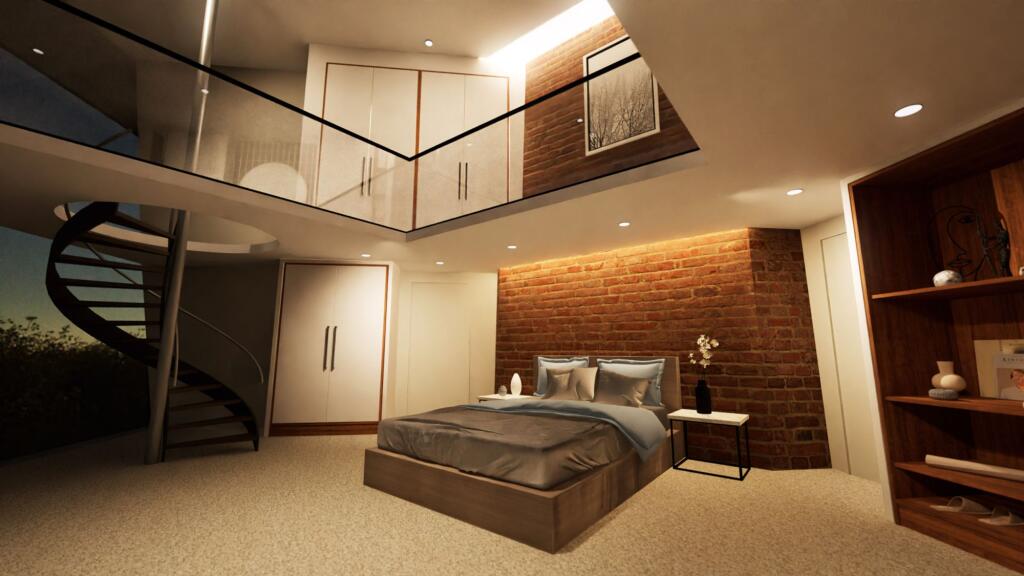
Approved plans for the chimney are described as being a ‘bold’ residential conversion that will honour its industrial heritage, while still creating a dramatic modern dwelling like no other in the town.
The planning permission is in place for a two-storey residence of approximately 3,939 sq ft, with a striking contemporary design blended seamlessly with practical living.
The planning permission is in place for a ‘striking’ two-storey residence / Credit: Miller Metcalfe
The approved plans include three spacious bedrooms (two with en-suites), a family bathroom, a downstairs cloakroom, and a study that can easily adapted to a four-bedroom, four-bathroom layout to suit modern family life.
What makes this an even more attractive prospect for future buyers is that the chimney is well-connected to both amenities and nature – with both independent businesses, good local schools, and convenient transport links on the doorstep, as well as parks and tree-lined walks.
“This is your chance to own more than bricks and mortar,” estate agents Miller Metcalfe said.
“It’s a chance to live inside a landmark, to shape its story for future generations, and to call a piece of Bolton’s proud industrial heritage your own. Enquire now to discover how you can transform this iconic chimney into a legacy home that will stand for generations to come.”
Fancy it then? Take a look at the property on Rightmove here.

 Thomas Melia -
26th April 2025
Thomas Melia -
26th April 2025