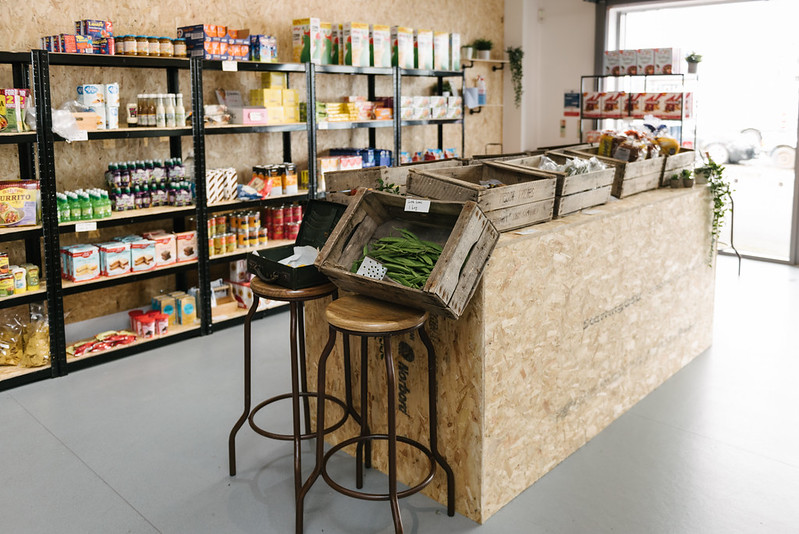
It has now been two months since the launch of The Community Grocery in Wythenshawe.
And as we head into the festive season at full speed, after what has been an undoubtedly turbulent year due to ongoing restrictions amid the coronavirus (COVID-19) pandemic, the services provided by this charity-led initiative could not be more vital.
At a time when the stigma around the use of food banks seems to be almost as high as the rates of unemployment and the level of economic struggle, The Community Grocery is here to help.
Its mission is simple, but profound.
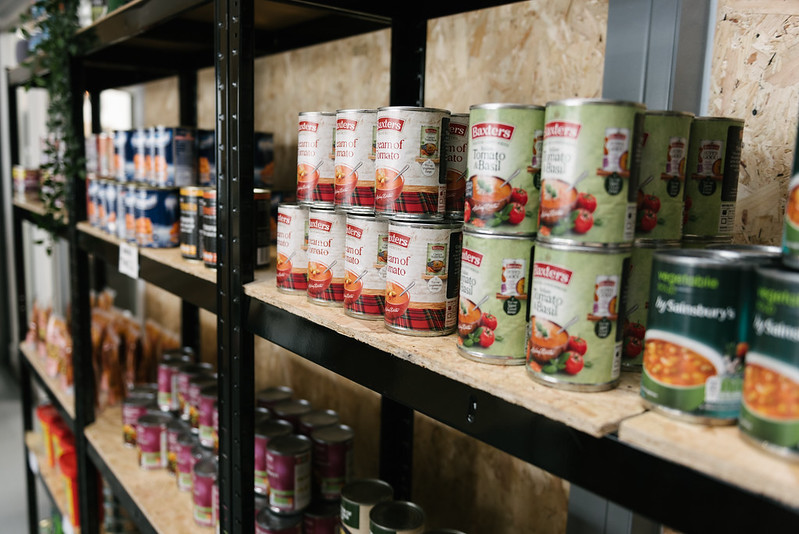
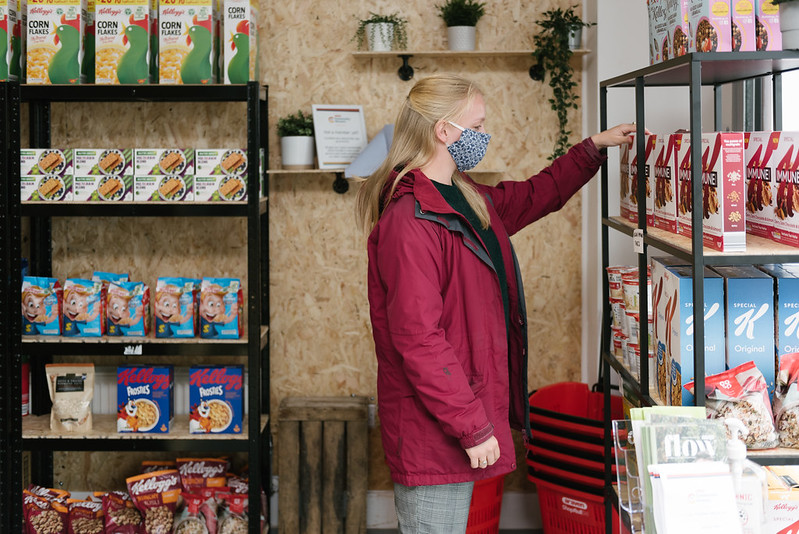
The Community Grocery exists to bridge the gap between supermarkets and food banks to allow people left in a vulnerable position as a result of the pandemic to have independence and dignity.
ADVERTISEMENT
And it’s really taken off.
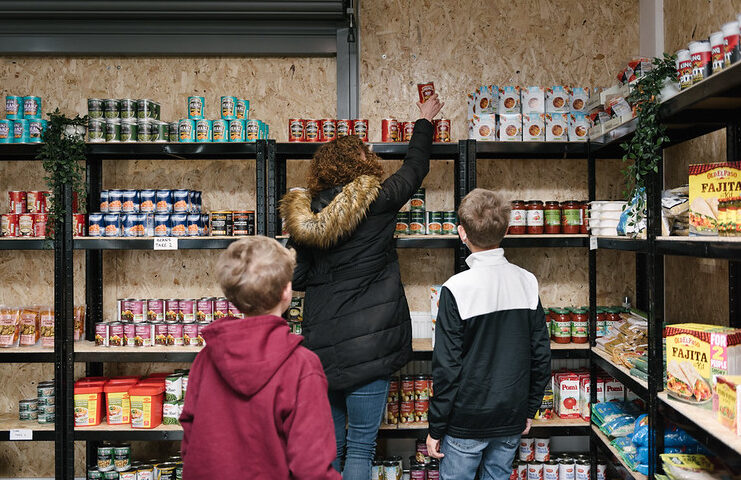
The shop – which is part of The Message Trust’s site in Sharston – has been overwhelmed by the response since opening, and during the first couple of months alone has had over 750 families sign up to use the grocery system each week.
ADVERTISEMENT
Of these members, over 100 register for debt relief courses and over 200 request mental health support.
If all of that wasn’t amazing enough as it is, The Community Grocery’s impact has also extended to protecting the environment, by managing to save a whopping 84 tonnes of surplus food that would have otherwise gone to landfill.
But just how did this groundbreaking initiative start though?
ADVERTISEMENT
Well, it turns out The Community Grocery is just one cog in the wheel of the lifesaving work that The Message Trust has been carrying out this past year.
With the pandemic sadly pushing families closer to the poverty line than ever before, what began as a move by The Message Trust to re-purpose its community kitchens to feed the most vulnerable members of the community while the hospitality industry was temporarily closed back in April, saw The Mess Cafe – the community cafe which gives training and employment to ex-offenders, or those at risk of offending – become a hub for preparing and providing healthy meals to children missing out on their free school lunches, with a total of 60,000 meals sent out to those who need them most.
The support didn’t stop there either.
After realising that the need for such services was only increasing, a more sustainable and long-term option was brought about, and so, The Community Grocery was born.
The Community Grocery is passionate about individuals maintaining agency and continuing to support the local community beyond their primary needs.
ADVERTISEMENT
A shopper who signs up for a membership not only has access to The Community Grocery, but can also make the most of a range of wider support services, including debt relief, mental health services, job clubs, and cooking and life skills classes, as well as exploring a selection of Christianity courses provided by The Message Trust.
And now, with a growing community of families signed up and a capacity of 1000 members, The Community Grocery is reaching out and encouraging those who live locally and may have recently lost their job, are entitled to the free school meals programme, or are simply just struggling, to access the support.
You can pop by the store anytime during opening hours – 9:30am – 4:30pm – and the team will walk you through your first £3 shop.
https://www.instagram.com/p/CH8K2QOHnJD/
Looking ahead to the future, The Community Grocery has now managed to successfully secure funding to expand its offering across the North West region and is committed to launching another four groceries around Greater Manchester over the next four months.
The Community Grocery team is “so pleased” to be able to further serve local people in partnership with churches in the community to provide more available space.
ADVERTISEMENT
And this also means there will be the opportunity for members to access the benefits of The Community Grocery across multiple locations over the next few months, so keep your eyes peeled and be sure to stay up to date on both Facebook and Instagram.
You can also find more information via The Community Grocery website here.
The Community Grocery, Message Enterprise Centre, Harper Road, Sharston, Manchester, M22 4RG.
Business
M&S launches massive recruitment drive in Greater Manchester with hundreds of jobs available
Emily Sergeant
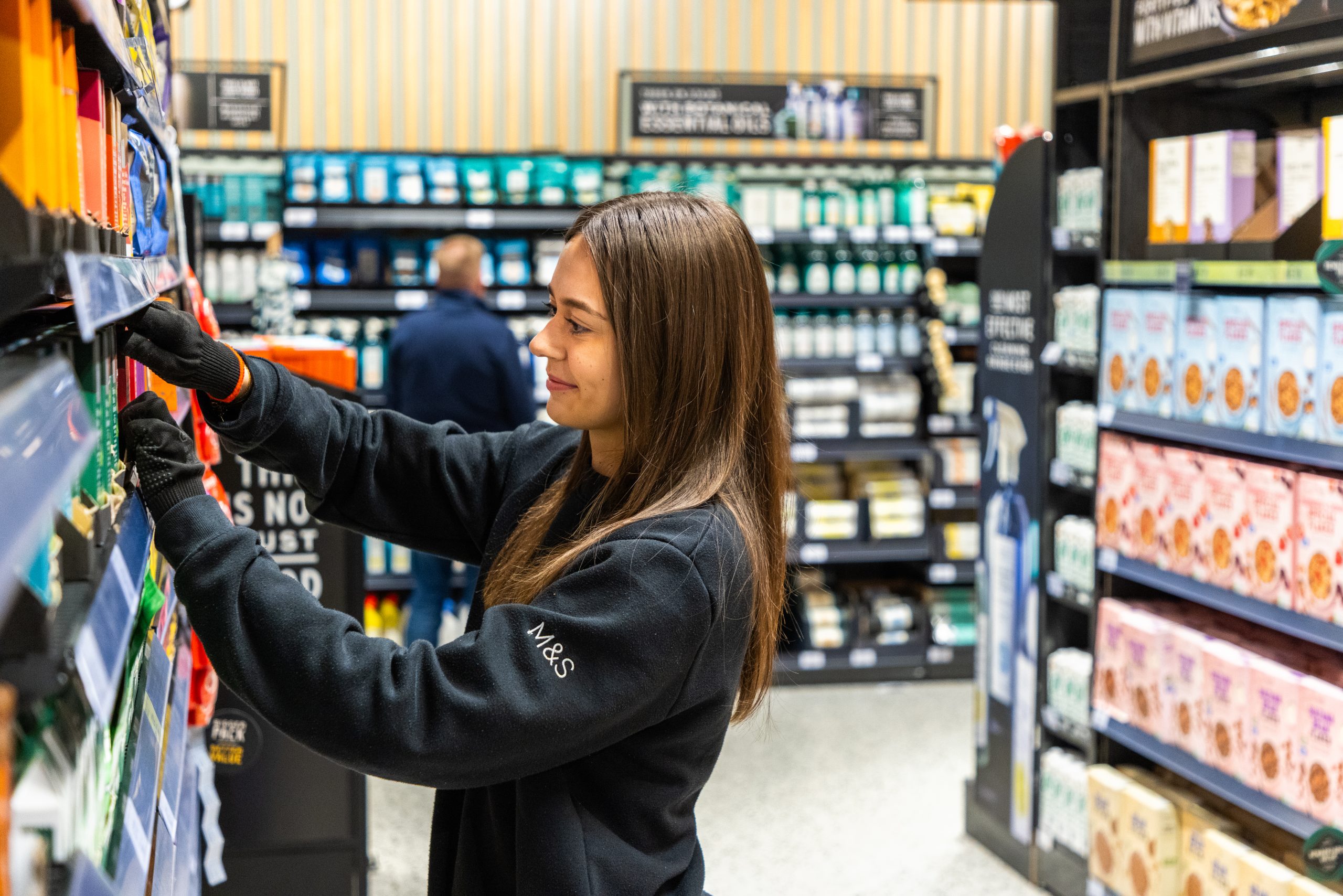
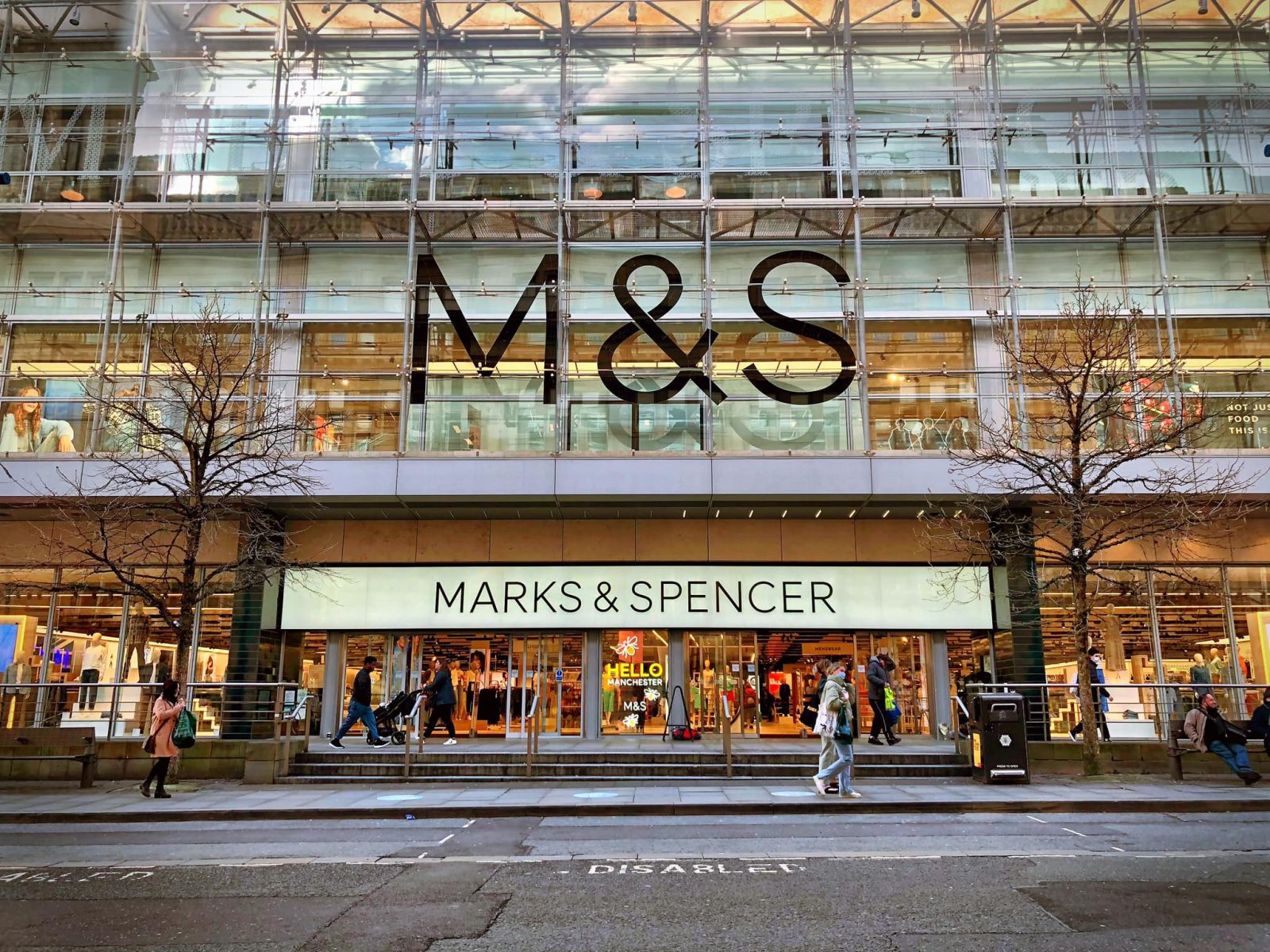
M&S has launched a massive recruitment drive across Greater Manchester.
With the festive season fast approaching, and most British stores having already unveiled their Christmas ranges for 2026, one of the country’s largest brands has launched a massive UK-wide seasonal recruitment drives to gear up for what is always one of the busiest times of the year for the retail industry.
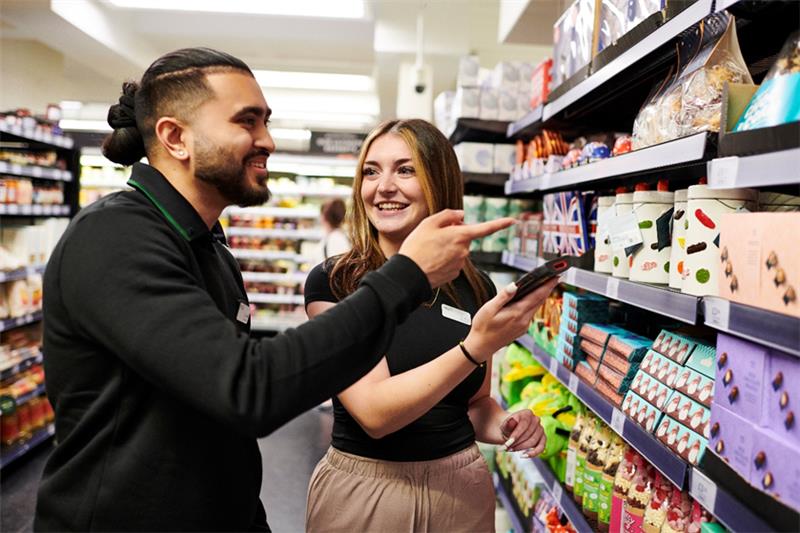
M&S has announced it will recruit more than 300 new colleagues to support its store teams across Greater Manchester this festive season.
As mentioned Christmas is one of the busiest moments of the year for M&S, and seasonal colleagues play a ‘vital’ part in delivering that.
New recruits will be tasked with helping M&S deliver a ‘brilliant’ service for customers.
Stores with vacancies span the whole of Greater Manchester – including Altrincham, Bolton Middlebrook, Bury The Rock, Manchester Market Street, Prestwich, Sale, Stockport, Stretford, Trafford Centre, and Walkden.
M&S has launched a massive recruitment drive in Greater Manchester with hundreds of jobs available / Credit: M&S Manchester | Supplied
M&S says the roles are ‘fast-moving and hands-on’, with colleagues required to work together to make sure customers still get the very best of M&S, even at its busiest.
The roles will pay £13.41 per hour, with successful applicants receiving the training, tools and support needed to get up to speed quickly.
“We can’t wait to welcome over 300 new colleagues to our store teams here in Greater Manchester,” commented Zeba Khan, who is the Regional Manager at M&S.
“As we get ready for our busiest time of year, it’s a great opportunity to join us and help bring a magical M&S Christmas to our customers.
“We have a range of opportunities available, whether joining our city centre flagship or our fresh market-style foodhalls. We’re looking for colleagues who are passionate about delivering great customer service and being part of a team.”
Fancy it then? Applications are now open, and you can find out more and apply on the M&S Christmas careers page here.
Featured Image – Supplied
Business
The most magical Christmas displays have now landed at one of the North West’s best garden centres
Emily Sergeant
Christmas has officially arrived at one of the best garden centres in the North West, and it’s just as magical as you’d hope it would be.
Just outside of Greater Manchester in the village of Glazebury in Warrington, you’ll find Bents Garden and Home – a multi award-winning destination garden centre that’s often voted one of the region’s best. It’s great place to visit all year round, but as anyone who has ever made the trip there will tell you, this place really comes alive during the festive season.
Bents first started out life all the way back in 1937, when Alfred and Margaret Bent began growing and selling roses in the front garden of their terraced house in Glazebury.
Ever since then, the business has gone from strength to strength – opening its first dedicated garden centre building in the early 1950s, and then undergoing several expansions in the 60 years that followed to create the place we know and love today.
A place that’s home to everything you need to kit out your home and garden, several cafes and restaurants, a food hall, a cook shop, a children’s boutique, and plenty more.
Christmas has arrived at Bents Garden and Home for 2026 / Credit: The Manc Group
And then at Christmas time, you can also get to wander around all the magical festive displays and stop for a bite to eat at the winter food markets.
Christmas at Bents originally began in the 1970s, establishing what would become one of the garden centre’s most successful – and favourite – times of the year, with people travelling in their thousands from all across the North West to visit, making it an annual tradition in the festive events calendar for many families.
With a jaw-dropping display to suit everyone’s festive decor tastes, Christmas at Bents really does need to be seen to be believed.
Expertly decorated trees form the centrepiece of each display, with all the baubles and decorations adorning them for sale by the side for you to recreate yourself at home.
Walking around the centre, you’ll also find every type of artificial tree (both normal and pre-lit), an array of fairy lights, wreaths, and garlands, before you arrive at what is sure to be one of the best Christmas Lemax Model Village set-ups you’ve probably ever seen.
A trip to Bents is an annual festive tradition for thousands across the North West / Credit: The Manc Group
Then, once you’ve filled your basket up with all the decs you need, you have to stop off at the Winter Food Markets before you head home.
There’s a wide array of different street food options to choose from like bratwursts, giant filled Yorkshire puddings, loaded fries, nachos, mac and cheese, crepes, churros, and build-your-own crumble, before taking a pew in one of the little wooden huts and washing it all down with festive-themed hot chocolates and mulled wine.
Don’t forget to stop off at the food hall, farm shop, and deli counters to stock up on plenty of goodies there before you leave too.
Basically, if you’ve never been to Bents before, we honestly cannot recommend it enough – even more so during Christmas time.
Don’t forget to stop off at the Winter Food Markets before heading home / Credit: The Manc Group
But it is really important to note that it does get very busy here, especially on weekends and at peak times like the run up to Christmas.
So you may have to be prepared to patiently wait for parking spaces and cooperate with your fellow shoppers, as well as join queues at the cafes and restaurants, all while respecting the hard-working staff at all times.
Let’s be as respectful as possible, and make this a place where everyone can enjoy a magical festive experience in 2026.

 Emily Sergeant -
27th November 2020
Emily Sergeant -
27th November 2020