Who was the Hallbottom Street Hammer Killer? The story of Hyde’s horrific unsolved double murder
In 1979, Hallbottom Street – a then-quaint country-lane style road in Hyde – was tainted forever. A horrific double murder took place, ending the lives of a young couple who were bludgeoned to death as they slept in the safety of their own home.
Back in the 1960s, the Greater Manchester town of Hyde was a picturesque place to live. Found at the foothills of the Pennines, the market town thrived against a mixture of the scenic and the urban – ample with rural spaces to explore as well as the nearby hustle and bustle of Manchester.
What unsuspecting residents didn’t know, was that their town’s name was soon to be plagued by the infamous Moors Murderers. The notorious couple committed crimes that shook Britain – and sadly, it wouldn’t be the last tragic event to take place in this small town.
In 1979, Hallbottom Street – a then-quaint country-lane style road in Hyde – was tainted forever. A horrific double murder took place, ending the lives of a young couple who were bludgeoned to death as they slept in the safety of their own home.
Originally from Wythenshawe, Joe Gallagher was known as the brightest pupil in his class as a child; later thriving academically at St Bede’s in Whalley Range. In adulthood, he showed promise as a laboratory technician at Manchester Grammar School.
Frieda Hunter had moved to the area from her native Scotland to study a creative arts courts at the local Polytechnic college. Despite later dropping out of her course, she soon fell in love with the biker culture and music scene and decided to stay in Hyde to live with Gallagher.
ADVERTISEMENT
The couple’s home, 3 Hallbottom Street, Hyde, 1979
Tragically, on Saturday 24 February 1979, their love story was cut short. After Freida finished a busy shift at The Queen’s Hotel in Hyde, Joe picked her up from work at closing time as was their typical routine. It would be the last time the couple were seen alive.
When a colleague of Joe’s became concerned of the pair’s whereabouts, he forced his way into the couple’s property to find the rear kitchen window broken. As he searched the house, he discovered the deceased entwined in each other’s arms.
Each had been hit at least 14 times with a large heavy hammer in a horrific frenzy the senior detective investigating the case would later describe as “one of the most vicious killings [they] ever came across”.
ADVERTISEMENT
Both upstanding members of the community, a possible motive for the killing was never found. Neither Joe nor Frieda had any disagreements and neither was found to have anybody who bore them a long-standing grudge. Given the couple’s roots in the biker community – with friends scattered all over the country – officers made inquiries in London, Hampshire, Dorset, Birmingham and Edinburgh – all to no avail.
2,000 interviews took place, but the truth was still out of reach. The only discovery that became apparent throughout the course of the investigation was that Joe used cannabis for chronic pain for a condition he had since birth. A theory later emerged that the murder may have been drug-related on the back of this discovery – a theory that does not explain the level of violence used or why Frieda was also killed.
Hallbottom Street, Hyde
Like all other lines of enquiry, this too drew a blank. The theory that the murders were drug-related remains exactly that – a theory.
Throughout the course of the enquiry, several suspects were interviewed and eliminated – yet nobody has ever been charged in connection with the brutal double murder.
The case remains unsolved to this day.
ADVERTISEMENT
Anyone with information can contact GMP’s Cold Case Unit on 0161 856 0320 or Crimestoppers on 0800 555 111.
The Peak District walk with amazing views, a cosy cafe, and a great pub at the end
Daisy Jackson
If you’re looking for a country walk that’s got a bit of everything – we’re talking views, lakes, history, picturesque villages and, crucially, pints – this is the one.
Step across the Greater Manchester border into High Peak, and you can take on a circular walk that’s got it all.
The walk takes in all the best bits of the English countryside, from rolling hills to proper pubs.
Park in the village of Hayfield, then head out west to join the Sett Valley Trail, which joins Hayfield and New Mills.
The trail itself is 2.5 miles and follows a former railway line – but now it’s a tree-lined trail that’s perfect for a gentle stroll, cycle or even horse ride.
You’ll pass the Birch Vale reservoir, but won’t be following the trail all the way to New Mills.
Get as far as Emma’s Sett Valley Cafe and stop for an early break – indulgent hot chocolates, great bakes, and a decent amount of brunch dishes beneath colourful festoon lighting.
Emma’s Sett Valley Cafe. Credit: The Manc Group
Once you’re fuelled, head slightly back on yourself to skirt Birch Vale Reservoir, cross the River Sett, and walk towards Sitch Lane.
The road will take you to the very edge of the Peak District ready for an uphill climb to the peak of Lantern Pike.
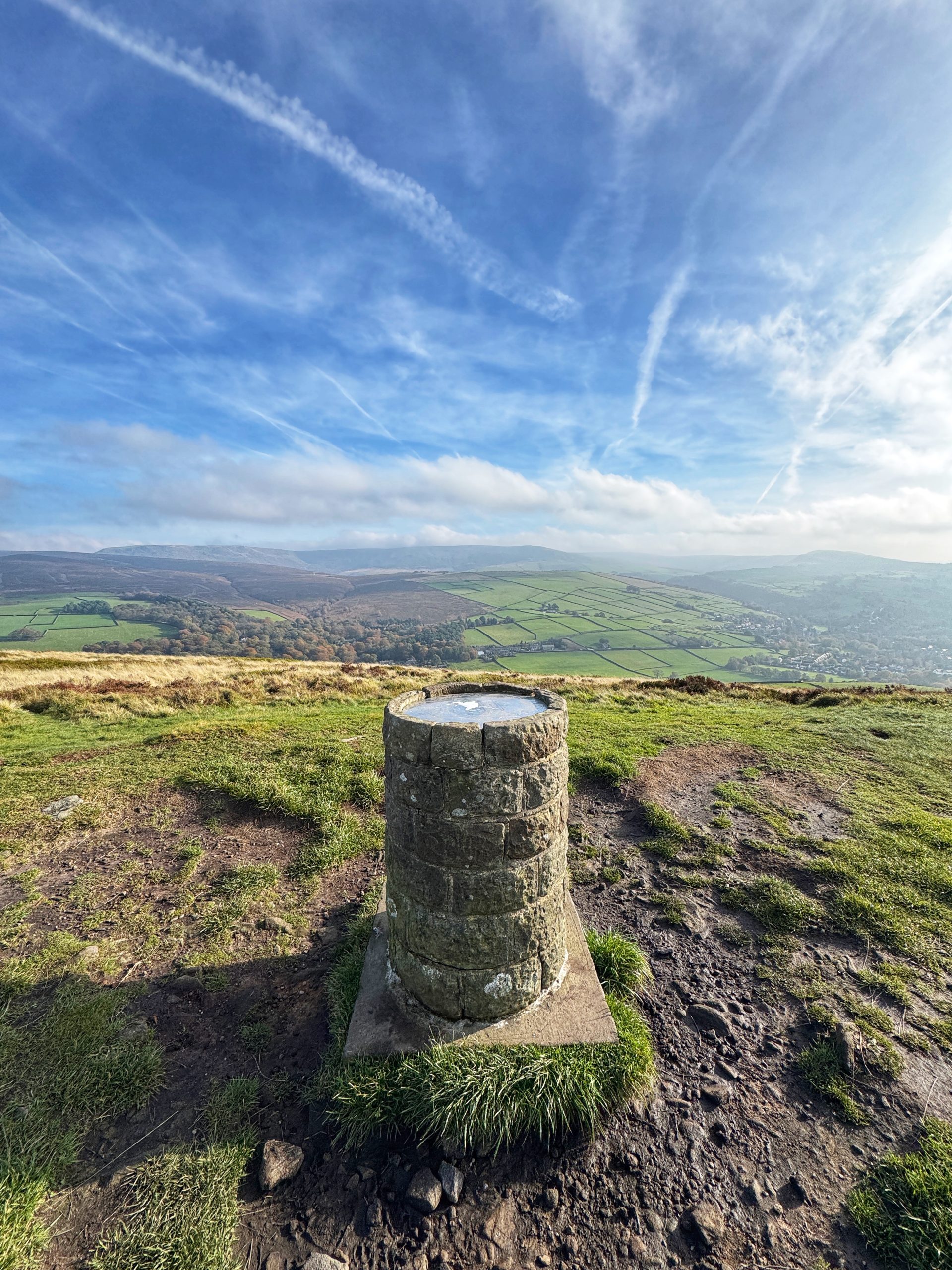
It’s not a giant by Peak District standards (373m compared to Kinder Scout’s 636m) but the views are 360 degrees – fields on all sides and the incredible Manchester skyline in the distance.
Walk straight over the summit and down the other side, walking along the edge of Hey Wood and across fields full of friendly cows, past Little Hayfield and back into the main village of Hayfield.
Views from the Sett Valley trailSummiting Lantern PikePretty views near Little Hayfield
Here you’ll find The Pack Horse, a country pub that’s gained some serious accolades in recent years.
Famed for its seasonal, locally-sourced menu, at this time of year you can expect hearty post-hike lunches like sharing pies, Manchester eggs, and incredible Sunday roasts.
Despite a top-notch menu, the pub is more than happy to welcome in customers (and dogs) who are covered in mud – as all good countryside boozers should.
Sharing pie at The Pack Horse in HayfieldThe Pack Horse in HayfieldTheir famous Manchester egg
You can see a map of the circular walking route at AllTrails HERE.
Mercury Prize 2026 review: RAYE takes home the crown as Newcastle celebrates the very best in music
Clementine Hall
One of the biggest nights in music kicked off last night as the Mercury Prize 2026 was awarded.
If there was ever a night to fall head over heels in love with British and Irish music, the 2026 Mercury Prize made a very convincing case.
Bringing together some of the country’s most exciting artists under one roof in Newcastle, this year’s ceremony was a reminder of just how much talent is packed into the current music scene.
From established legends to the names shaping what comes next, it was an absolute belter.
Images: Audio North
Held at the Newcastle Utilita Arena for the second year running, I think everybody in that room felt very lucky to be there to see firsthand who took home the coveted prize.
The shortlist brought together an impressive mix of artists, with Florence + The Machine, Olivia Dean, JADE, Suede, Pulp, Dave and Sir Paul McCartney among the big names making the lineup very star studded indeed.
Suede kicked things off with ‘Dancing With The Europeans’, bringing their unmistakable energy to the ceremony, while Pulp delivered ‘Begging For Change’ as part of the HELP(2) charity compilation.
It was a line-up that demonstrated the sheer range of music being made across the UK and Ireland, from contemporary pop to established rock and even jungle thanks to Bradford’s own Nia Archives.
And of course, there was one woman who had every reason to leave with a smile on her face.
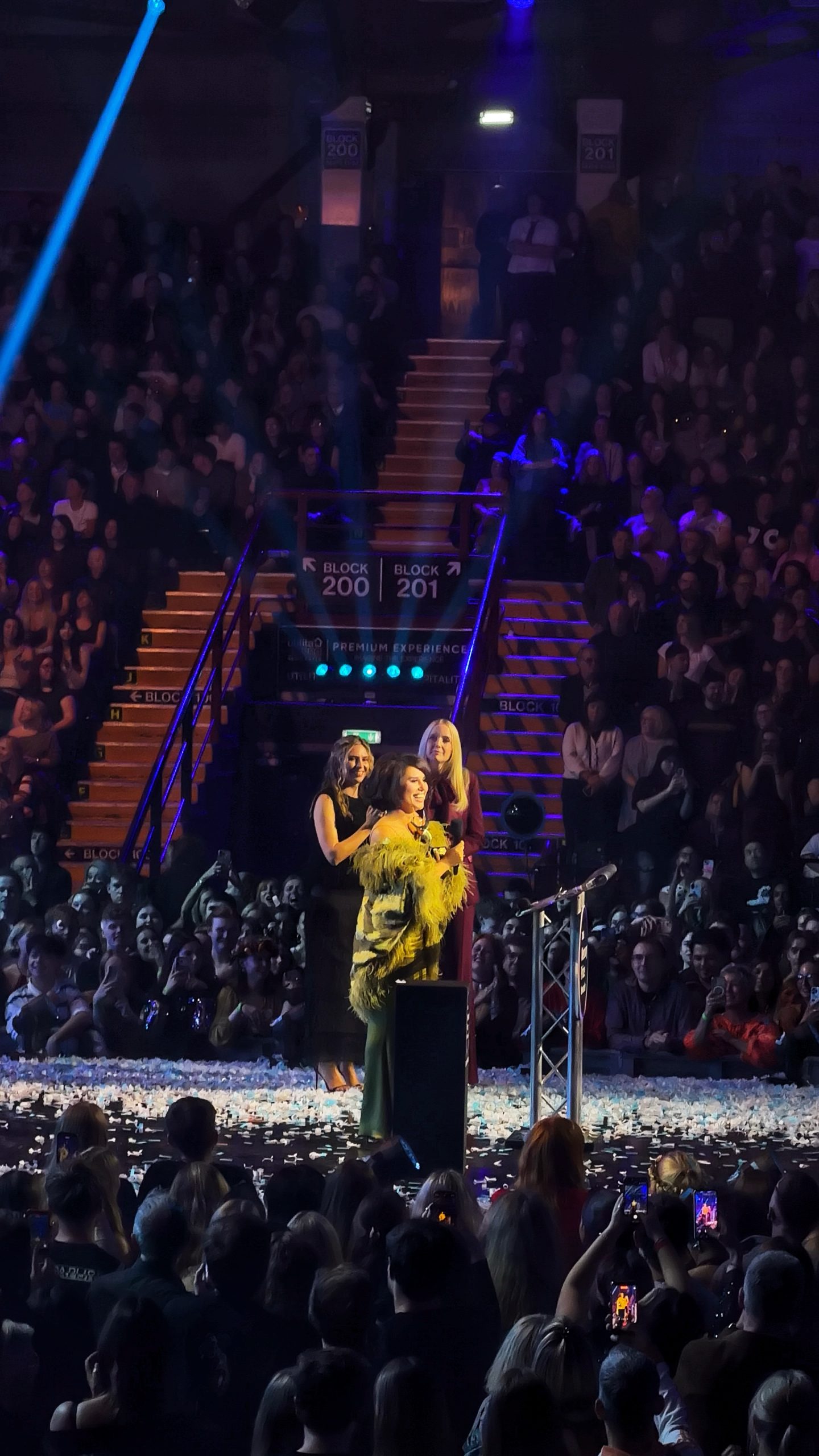
RAYE took home the coveted Mercury Prize for THIS MUSIC MAY CONTAIN HOPE., an ambitious, genre-hopping album that blends jazz, soul, R&B and classical influences into something so fabulously unique.
Image: Audio North
Newcastle’s own Knats performance was definitely a highlight of the evening, combining slick jazz with spoken-word poetry against a projection of The Tyne Bridge.
A fitting image, and one that underlines the importance of holding such huge events in the north and highlighting the obvious talent that thrives here.
The 2026 Mercury Prize was a brilliant showcase of the country’s music at its best.
And with RAYE taking home the trophy, it’s clear there is plenty of ‘hope’ left in British music.

 The Manc -
22nd January 2021