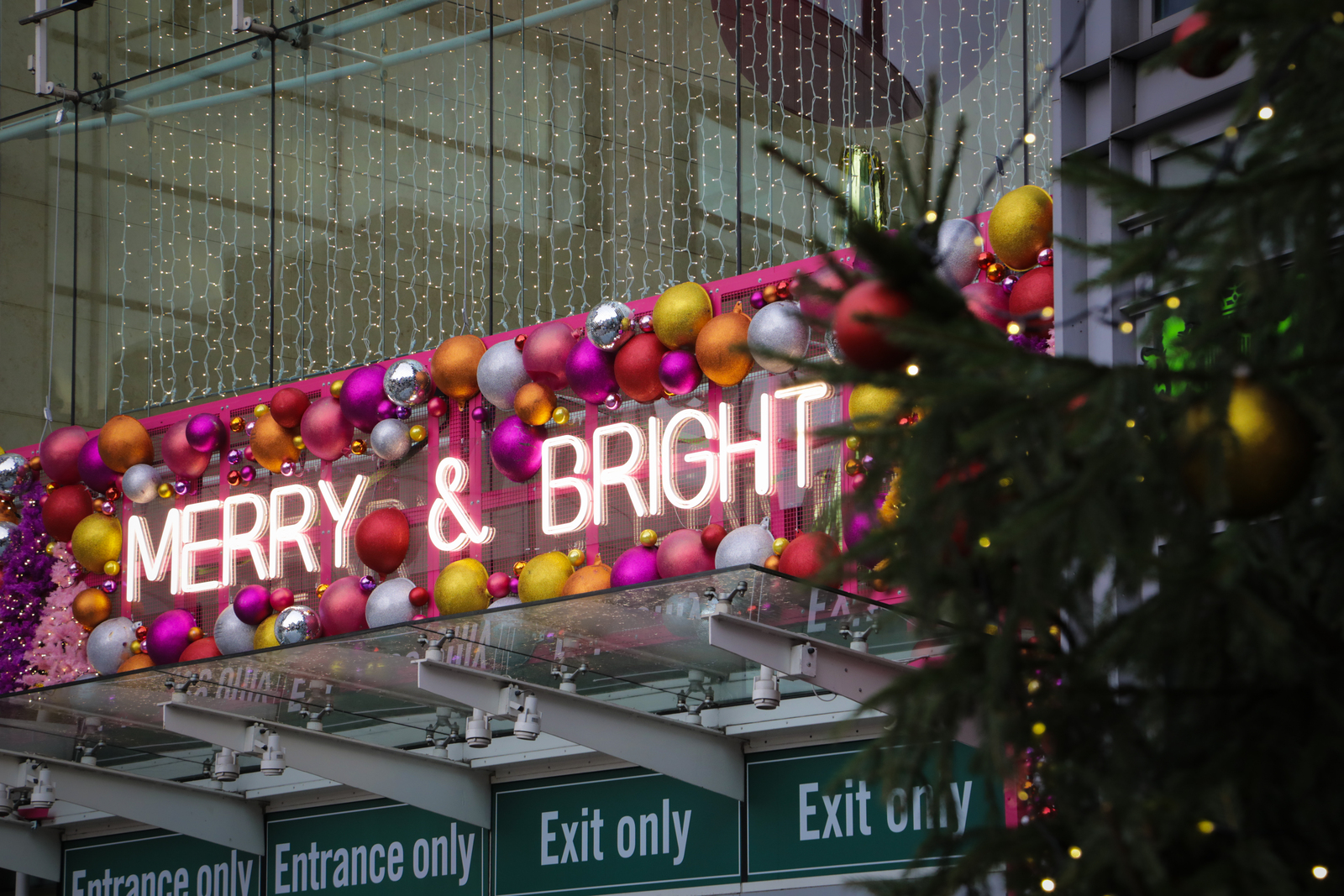
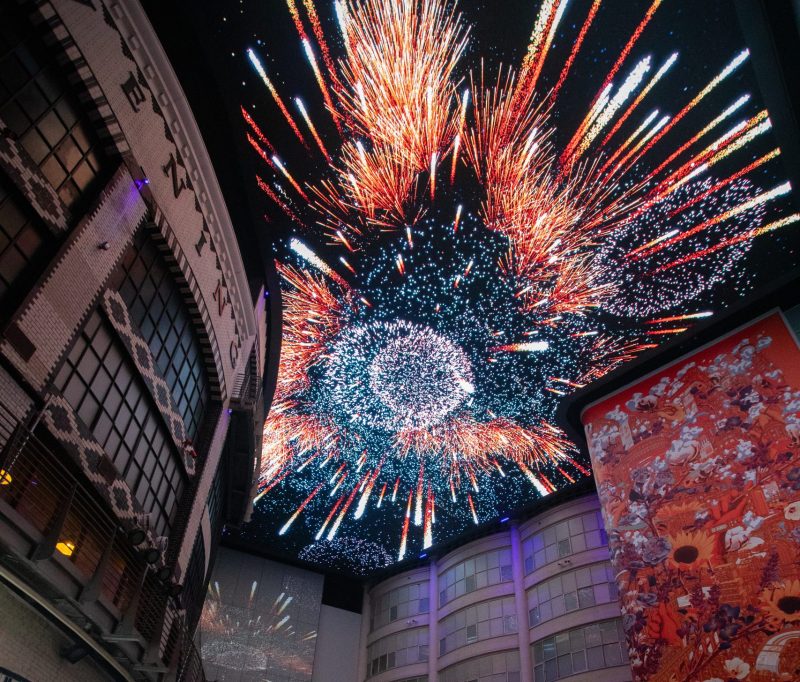
It’s set to be one of the busiest shopping weekends in the calendar as people gear up for Christmas and the Black Friday sales.
ADVERTISEMENT
The Arndale centre is also positioned close to the Christmas Markets, which have taken over Market Street, Piccadilly Gardens and Exchange Square nearby.
Chester Zoo welcomes The Traitors stars Claudia and Alan – but it’s not what you think
Lydia Mastrolonardo
No, Chester Zoo isn’t keeping actual Claudia Winkleman and Alan Carr in enclosures – everybody stand down.
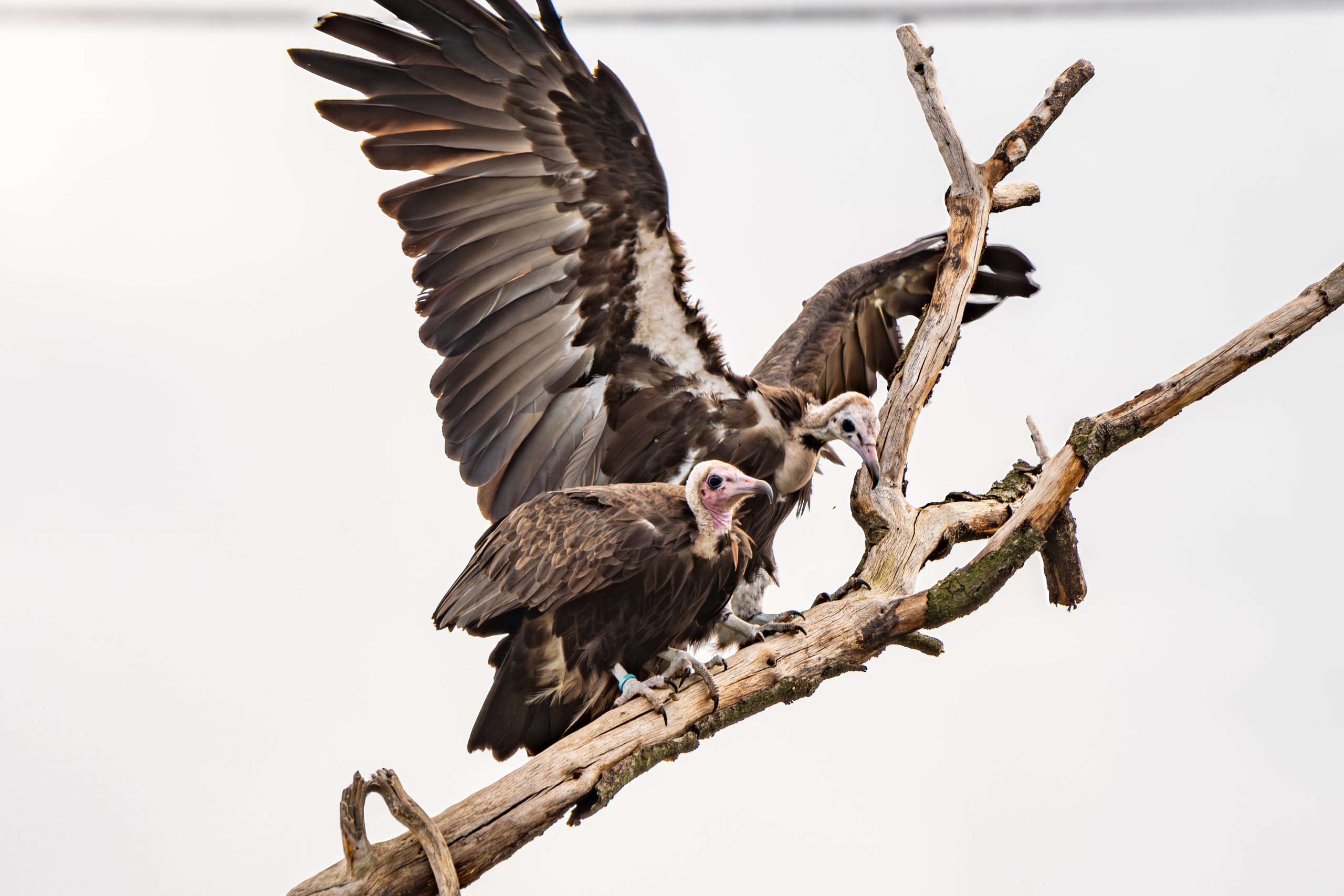
The zoo is in fact welcoming its first pair of hooded vultures, to hopefully boost the critically endangered species, and they just so happen to be named after some of our favourite celebrities from The Traitors.
As famous as Alan Carr and Claudia Winkleman are, these two give them a run for their money, as the first of their kind to ever come to Chester Zoo – making them pretty big celebs in the animal kingdom.
The pair of vultures are currently nestling in to their new home, alongside their new white-headed vulture roommates, at the Heart of Africa aviary. It is here that conservationists are hoping the newly bonded pair will start a family, as part of a Europe-wide breeding programme, to help safeguard their species from extinction – no pressure or anything.
Bird Keeper Heather-Anne Pedley said: “Alan and Claudia came to us from the Horstmann Trust, a conservation breeding centre for vultures, where they are an established breeding pair. We named them after Traitors stars Alan Carr and Claudia Winkelman, because what better way to reflect how funny and engaging they are, than to name them after two national treasures?
“Nobody prepared me for how much I would fall in love with them, their antics and characters. They look like they’ve just put a hood up, and they have this beautiful blue ring around their eyes, like natural eyeliner.”
Alan and Claudia, Chester Zoo’s new vultures. Credit: Chester Zoo
Hooded vultures are distinctive with dark brown feathers, a buff ‘hood’ and a bald face and throat, with wingspans of up to 180cm. They are native to west, central and southern Africa, where they typically pick up their lunch by soaring over the land, looking for carcasses to feed upon as part of ‘nature’s clean-up crew.’
It’s not all gore though, they are very active, clever and interested in their environment. The couples are monogamous, will preen each other, gently touch each other’s bills and co-build nests – quite the romantics.
Heather-Anne added: “This pair are real love birds, and we are hopeful they’ll go on to breed. Any youngsters they go on to have will become part of a European conservation breeding programme, helping to create an insurance population for this incredibly rare species.
“In the wild, vultures help prevent zoonotic diseases – illnesses that can spread between species – because their stomach acid is so strong they can eat decaying meat that other animals would not be able to digest. This helps prevent the spread of diseases like anthrax and botulism into the soil.”
Despite their crucial role across various ecosystems, vulture numbers are declining and they are now sadly classified as critically endangered, according to the IUCN Red List of Endangered Species.
This decline is driven by mid-air collisions or accidental electrocution by scanning the ground for prey whilst perched on uninsulated power lines. These birds are also at risk of being poisoned or even hunted to facilitate an unsustainable demand for vulture body parts and eggs to be used in traditional medicine and rituals, while there is no scientific evidence to support this use.
We are really rooting these two and hope that they settle into their new home.
Festive food village announced at magical Manchester light trail
Lydia Mastrolonardo
There’s just one month to go until Manchester’s most spectacular festive light trail returns – and they’ve just announced details of the Christmas Village and six new food traders.
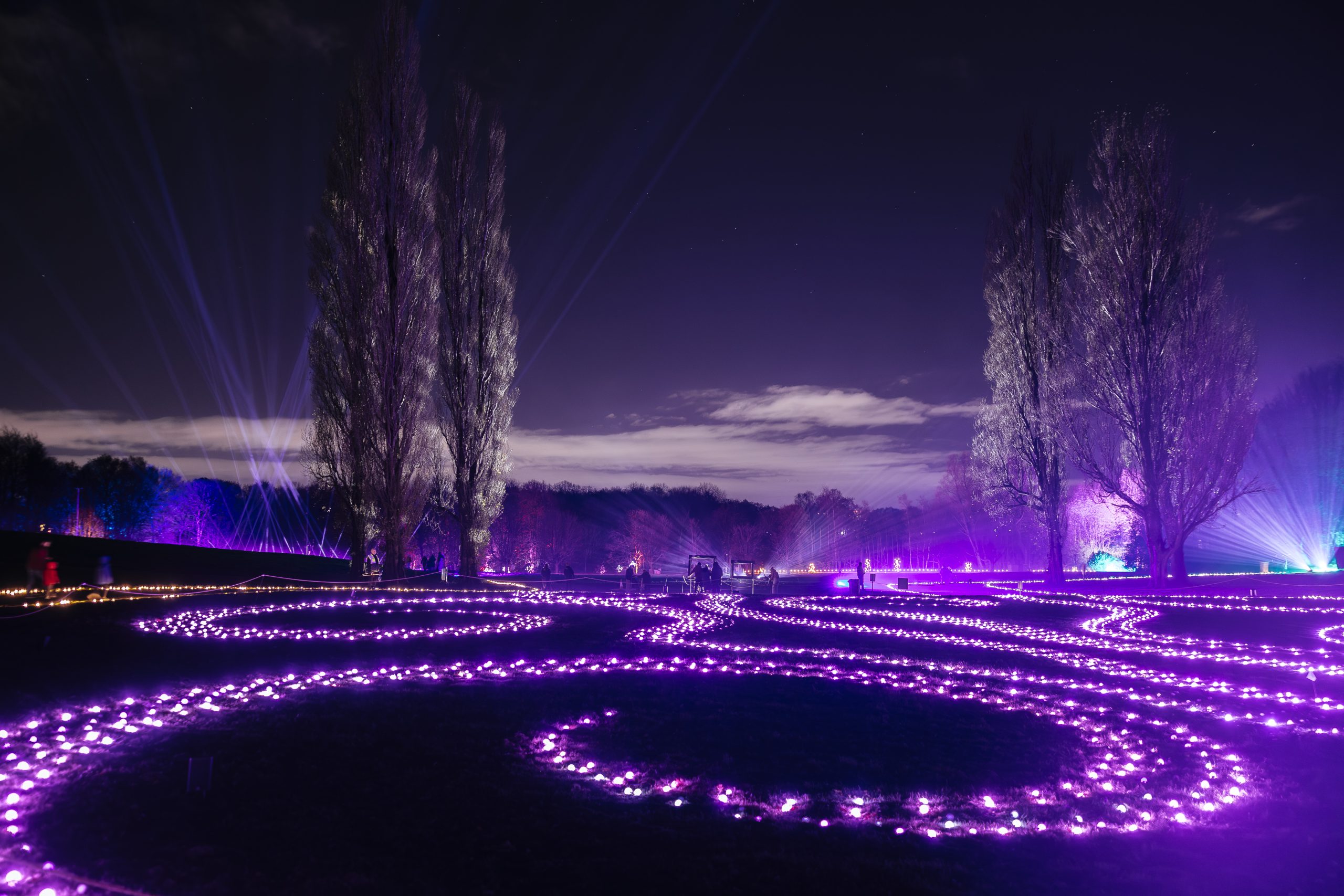
Heaton Park will soon light up forNorthern Lights Manchester, and the list of foodies making up this year’s Christmas Village has just been revealed.
With everything from chargrilled souvlaki to handmade pies and hot fruit crumble on the menu, there’s bound to be something for everyone.
Brand new for 2026 is Chicken Hut, serving up the crispiest chicken tenders you’ve ever had, plus Greek Traditional Souvlaki bringing all of those delicious mediterranean flavours, The Lids & Co supplying mouthwatering customisable pies, and The Otley Burger Company, which was recently crowned the UK’s best food truck.
The above savoury offerings will be joined by the returning well-known and loved, The Sausage Factory, serving festive bratwurst, currywurst, and proper local Bury Black Pudding sausage.
If you’re after a sweet treat, they have enlisted Crumble & Custard to supply a range of warming fruit crumbles with creamy custard, while Crepes & Coffee will be providing all of the desserts you could desire, along with gorgeous hot chocolates providing the final nail in the food coma coffin.
If after all that you need a sit down, a pint or a mulled wine, the Bees Knees Tavern is the place to go.
Emma St. Croix, Senior Marketing Manager at From The Fields, said: “There’s something very festive about finishing a trip through Christmases past with a hot crumble and custard.
The linup for Northern Lights’ festive food village has been announcedThe Bees Knees pub will returnYou can warm up here after your walk around the Heaton Park light trail
“Food is a big part of the night out at Northern Lights, and we’re excited to welcome six new traders plus The Sausage Factory and the Bees Knees Tavern from last year.With the Ferris wheel in the Christmas Village and a whole new trail across Heaton Park, there’s plenty to explore this year. We’re just over a month from opening and can’t wait to see everyone back.”
As for the trail itself – Heaton Park is to be transformed into a toy box of memories, with 15 brand-new installations, inspired by the toys and traditions that would have topped Christmas wish lists in the past.
Whether you fancy a trip down memory lane or you just fancy a wintery trip out, one thing is for certain, this is one Christmas experience you don’t want to miss out on.
First, visitors will have the opportunity to wander along the colourful path, as part of the Walkway of Wonder, where bright stained-glass panels glow like windows in an old fairytale. Then back to the sixties you go, down Lava Lamp Lane, where glowing blobs of colour mesmerisingly float across the ground and into the trees – which may even be enough to inspire you to dig out that old lava lamp you once had collecting dust on your shelf.
If you once considered yourself a pro at Scalextric, the Retro Racers installation may bring back some memories, where visitors will be able to send lights shooting around a giant racetrack.
Northern Lights Manchester will return next monthNorthern Lights Manchester is taking over Heaton Park
By this point you may need a bit of warming up – head on past the giant nutcrackers and get cosy by the fire pits beneath the festoon lights, for some marshmallow toasting.
Don’t be alarmed if you see giant candy canes marching along Candy Cane Crossing, like Manchester’s biggest peppermint dream, before you reach O Christmas Tree which would make the perfect spot for a photo.
I’m sure we all remember THE Christmas catalogue – the one many of us spent hours flicking thorough and circling our desired gifts? Well, this year pupils from a local primary school have filled its pages with their own fantastic drawings of classic toys.
Finally, you will find that the Lakehouse winds itself into cuckoo-clock as the trail comes to a close.
It is important to note the route is fully accessible, with dedicated neuro-inclusive evenings when visitor numbers are reduced by 75% and audio levels are lowered throughout.
Event information
Dates: 19 November – 31 December 2026
Location: Heaton Park, Manchester
Opening times:
4:30pm – 8:15pm (19–26 November)
4:15pm – 8:15pm (27 November – 31 December)
Northern Lights Manchester tickets
Unsurprisingly, tickets are selling quickly, with over 100,000 of you expected to attend this year – don’t hang about.
Under 2s go free
Child tickets (3-16 years) from £13.50
Adult tickets from £19.50
Family tickets from £60
Click HERE to book your tickets. Use the code LIGHTS20 for 20% off until 31 October 2026

 Daisy Jackson -
24th November 2021
Daisy Jackson -
24th November 2021