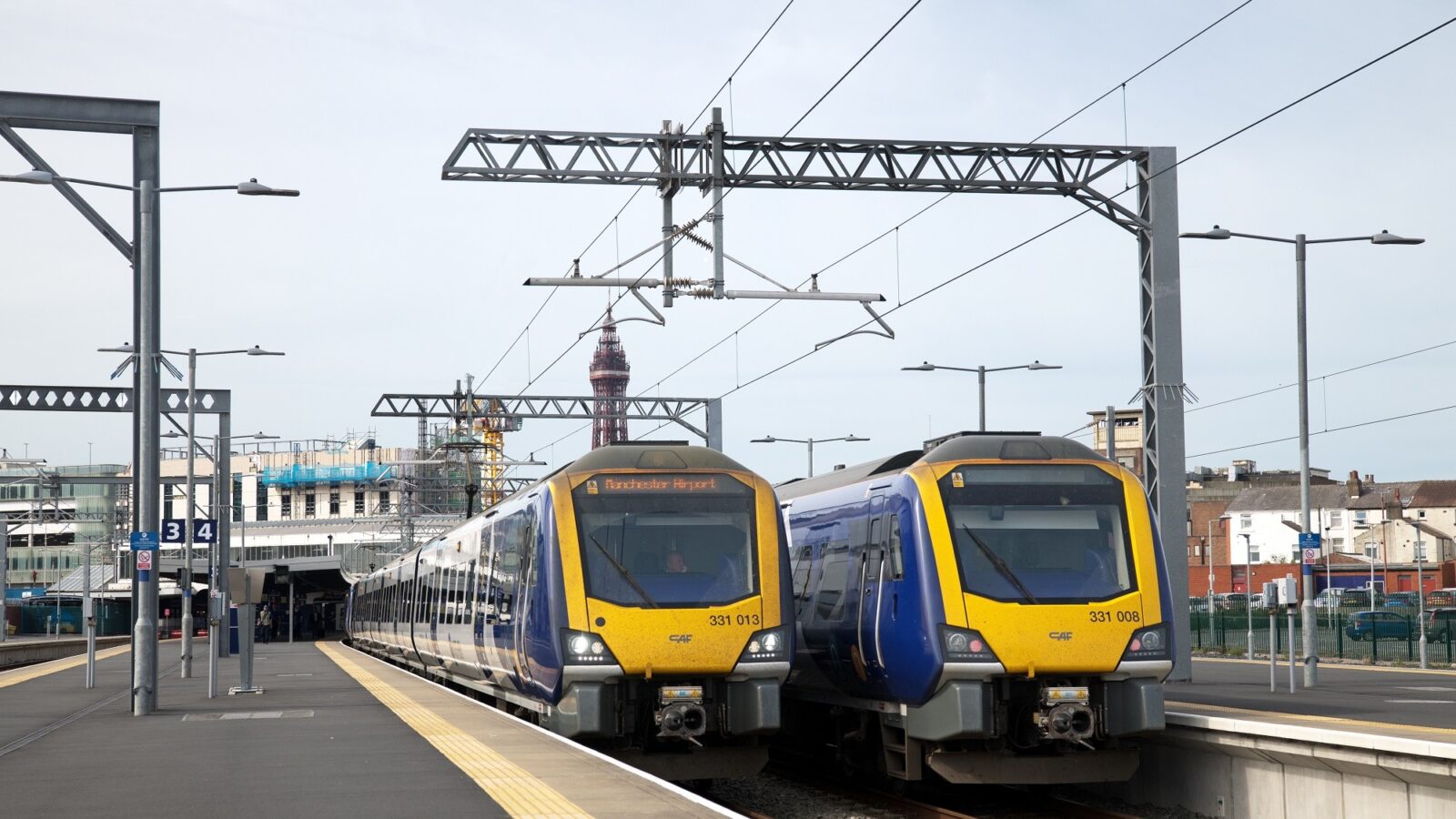
Andy Burnham ended up being late to a press briefing about ongoing train cancellations over the weekend, because his train was… cancelled.
You just couldn’t write it.
The Mayor of Greater Manchester was intending to make his way over to Liverpool Lime Street station on Saturday with Liverpool City Region mayor Steve Rotheram to attend a press briefing about “rail chaos” and call on the government to make an immediate increase in funding for train operators TransPennine Express and Northern.
But, in what is a truly ironic turn of events, the pair ended up being late to the event because the train they were due to board was, in fact, cancelled.
Taking to Twitter to share the unfortunate train cancellation news – but more likely just to point out how ridiculous the whole situation was – Mr Burnham explained: “Heading to Lime St with @MetroMayorSteve for a press briefing on train cancellations but we’re going to be late as our train is cancelled.”
ADVERTISEMENT
Mr Rotherham said the irony that the train had been cancelled was “not lost” on the pair.
Despite the bump in the road, Mr Burnham and Mr Rotheram did end up arriving in Liverpool for the press conference, where they condemned the “unacceptable delays and cancellations” that have turned people away from railways and impacted on the economy of the North.
ADVERTISEMENT
The pair said train operators are being put in “financial straitjackets”, and are unable to bring in the necessary numbers of staff needed to run services.
The mayors said that widespread cancellations, delays, and poor performance were “seriously damaging people’s lives” by preventing them getting to work, visiting friends and family, and attending events.
They also said it was causing businesses to reconsider investing in the regions.
ADVERTISEMENT
Andy Burnham and Steve Rotheram turned up late to briefing on ‘rail chaos’ because their train was cancelled / Credit: Northern
“While chaos dominates the national headlines, rail passengers in the North have had to contend with it for years,” Andy Burnham said at the briefing.
“They have suffered from delays, cancellations, and poor performance for far too long.
“Growing the economies of our city-regions is simply impossible if rail services are so unfit for purpose that they act as a barrier rather than a gateway to growth. Appalling levels of service are also turning people away from the railways at a time when, to meet our economic and environmental ambitions, we urgently need to make sure public transport is always a viable – and even a preferable – alternative to cars.
But it is not just operators who are responsible for the North’s failing rail system, as successive governments have failed to invest in vital infrastructure improvements that could make a significant difference to reliability.
“Enough is enough.
ADVERTISEMENT
“We are calling for immediate action from the government to deliver a funding injection into the TransPennine Express and Northern contracts.
“Both have a long way to go to win back the trust of passengers in the North, but they will never do so if they are being hamstrung by the financial constraints imposed on them by Whitehall.”
“While chaos dominates the national headlines, rail passengers in the North have had to contend with it for years."
Our dysfunctional trains limit opportunity, stifle growth, and hold us back.
Mr Burnham added that millions of passengers in the North need to know that the government “has their back” when it comes to the delivery of functioning public transport.
He continued: “They need to ensure that operators have the financial and negotiating room to breathe in order to start fixing our broken system, including by supporting a resumption of rest day working.
The pair argued that a deadline of the end of the year should be given for improving rail services across the region, and proposed that without a marked improvement in delivery, TransPennine Express should be stripped of its contract.
“In the longer term, we believe a North West Rail Executive is needed,” Mr Burnham added.
“As part of wider rail reform and the creation of Great British Railways to ensure the delivery of better services in our areas, and provide our city-regions and neighbouring areas with more control over the rail services they depend on to live their lives.”
Featured Image – Andy Burnham (via Twitter)
News
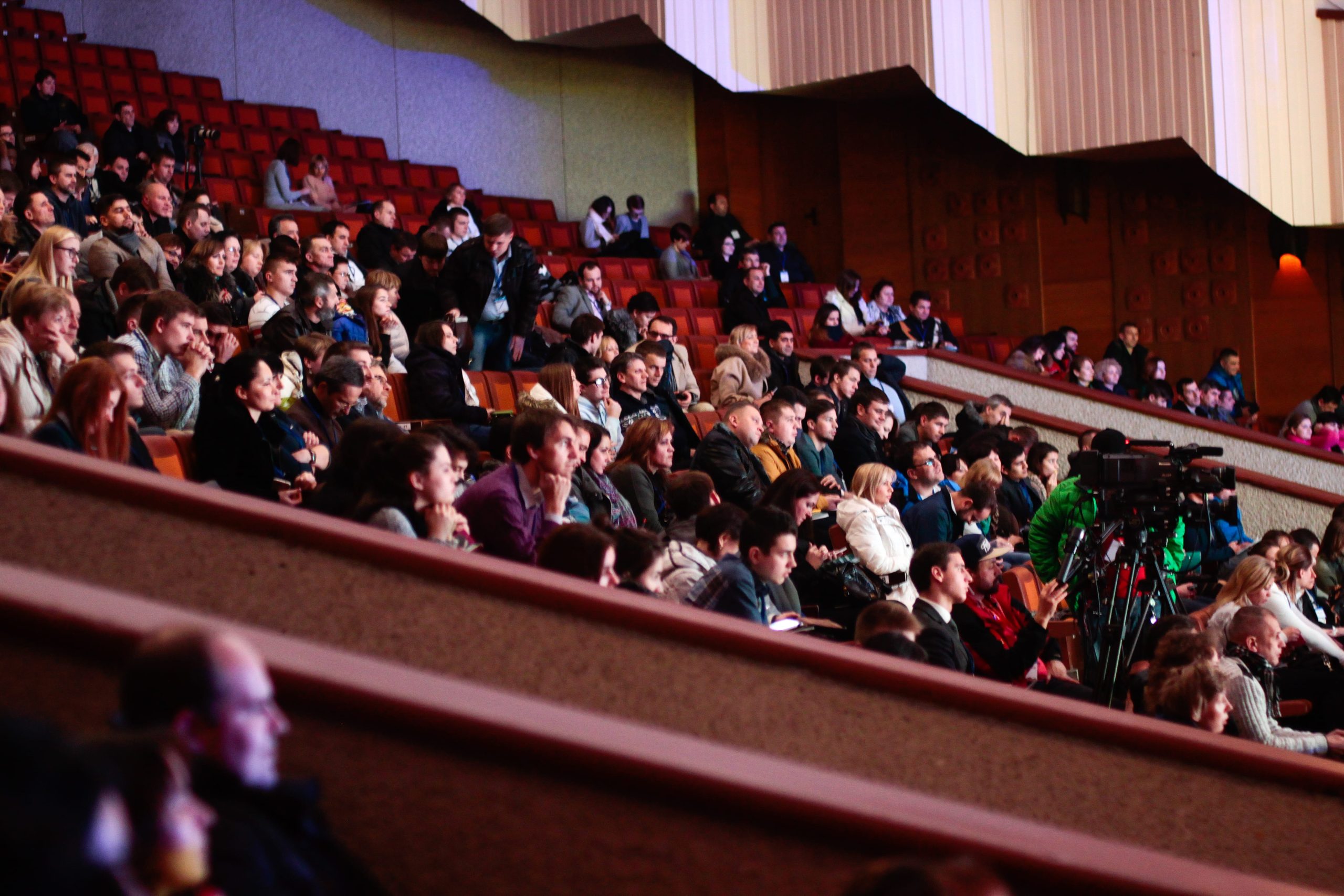
Prestigious Edinburgh TV Festival to move to Manchester for first time in 50 years
Emily Sergeant
Greater Manchester will become the new host city for the TV Festival from 2027 onwards it was announced today.
For the first time in five decades, following an extensive consultation and competitive bidding process – which was launched in 2025 – the prestigious festival is set to move from its home in the Scottish capital of Edinburgh to our region from 2027 onwards, beating out other major northern cities like Newcastle in the process.
As part of a UK-wide strategic review into the event’s long-term future, the Festival’s board of directors say the review was undertaken in order to ‘examine how the TV Festival could continue to grow’ amid increasing challenges around accessibility, affordability, and sustainability across the television industry.
Greater Manchester‘s ‘successful and comprehensive’ bid included commitments around affordability, infrastructure, industry partnership, and long-term growth potential.
Plans include holding the Festival in locations in the newly developed St. John’s creative and cultural district.
“Greater Manchester presented a vision for the Festival that combined genuine creative ambition and future-facing energy with practical accessibility and affordability for delegates,” commented Campbell Glennie, who is the CEO of the TV Festival and The TV Foundation.
“This means we can radically reduce the costs associated with attending the Festival as well as the cost of passes.
“The city reflects the expanding ambition of the UK television industry, while still offering the scale, connectivity and unique cultural identity needed for an event of this significance – it gives us the strongest platform to grow the Festival’s reach and impact in the years ahead.”
Cllr Bev Craig, who is the Leader of Manchester City Council, said being chosen as TV Festival hosts is ‘brilliant news’ for Greater Manchester, adding: “It speaks to the growth, success and strength of our screen sector in the city region and the strong partnerships and talent we have here.”
The final Edinburgh edition of the TV Festival will take place this August, and dates and further details for the TV Festival in 2027 will be shared later this year.
Featured Image – PickPik
News
Even more of the Gay Village will be turned into outdoor seating this summer
Daisy Jackson
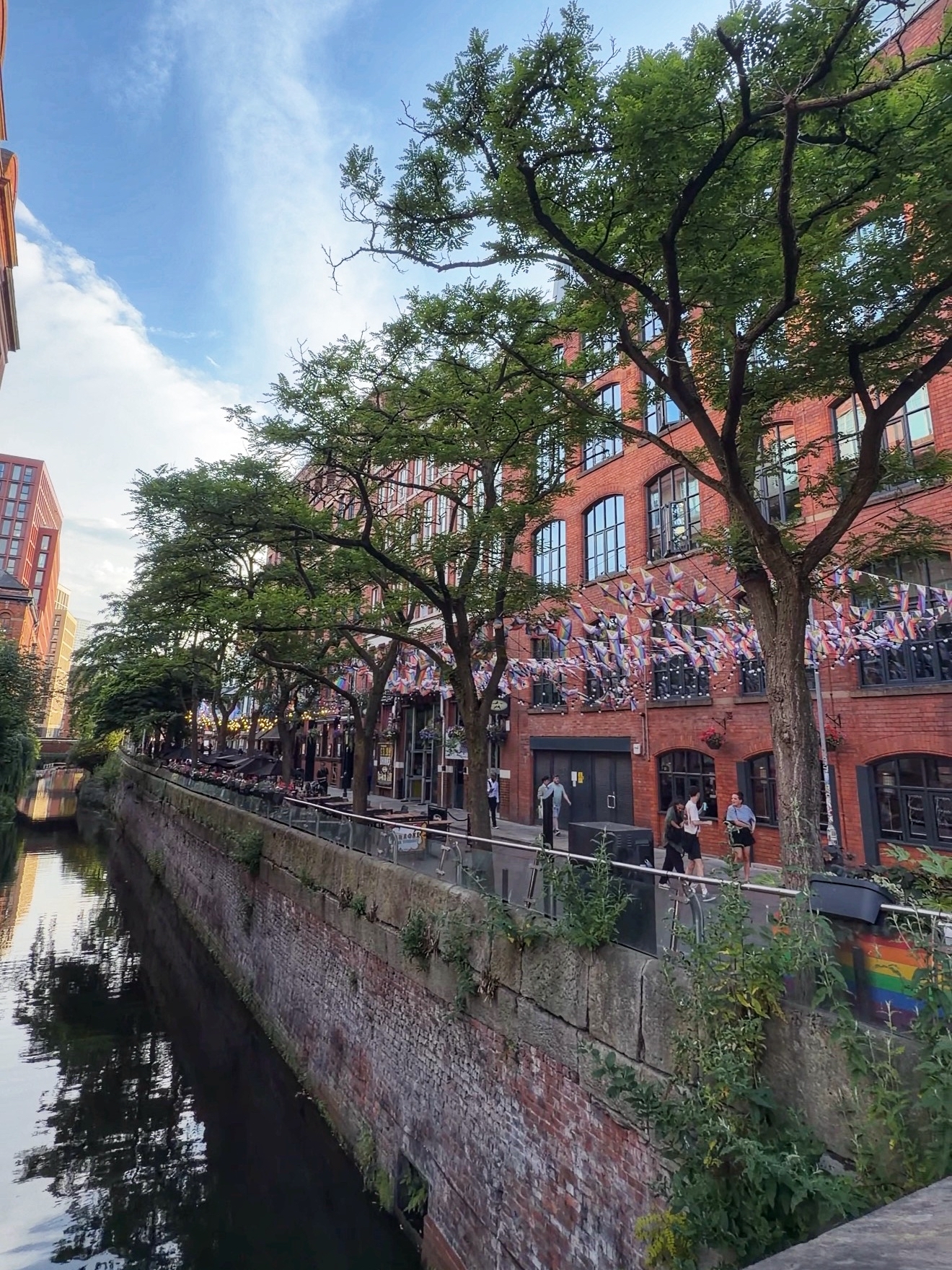
The Gay Village is set to get even more outdoor seating this summer, with the council moving to partially close several key streets to traffic.
The news lands mid-heatwave when thousands of Mancs are clamouring for a seat in the nearest beer garden or cafe terrace – with a huge proportion of those flocking to Canal Street.
Now, plans have been revealed to bring ‘a touch of cafe culture’ to the Gay Village, with even more outdoor seating space created for businesses in the area.
Initially running as a trial this summer, it will mean new terraces for New York New York, The Goose and The Eagle on Bloom Street, plus more locations on Richmond Street.
Manchester City Council has said that similar schemes on Thomas Street and Stevenson Square have been hugely popular with both punters and businesses, especially during the summer months, and can give local operators a huge boost.
So now it’s time for this thriving corner of the city to get the same treatment, as part of the ongoing work through the Gay Village Action Plan identified the need for more outdoor seating areas.
The two locations which will have the changes will be Bloom Street, between Abingdon Street and Chorlton Street; and Richmond Street, between Sackville Street and Chorlton Street.
In order to put these protected spaces into effect, some changes to the existing road network will be made:
Bloom Street becomes one-way from Chorlton Street towards Princess Street
Richmond Street is closed to through traffic between Chorlton Street and Sackville Street.
The scheme will initially run on a trial basis from 10 July throughout the summer to evaluate if it could be a viable long-term solution.
During this, plans will also be in place to ensure that deliveries and loading can go about unhindered, as well as daily waste collection and access for residents.
Councillor Mandie Shilton Godwin, Executive Member for Clean Air, Environment and Transport, said: “The Gay Village is one of our most precious communities. For decades the queer community has been able to call this neighbourhood its own, establishing a long and proud place in the history of the fight against bigotry and discrimination.
“Needless to say, it’s one of the most-visited places in Manchester and sees thousands of people tread its cobbled streets every year. Because of that we’re always looking at how we, as its custodians, can continue to support its legacy and ensure that it meets the needs of people who live and work there.
“We’re excited to be trialling additional outdoor seating for these streets, and we hope to bring the same success that we’ve seen in the Northern Quarter after putting similar schemes in place.
“But, above all this has to work for everyone, so I would urge people to take part in this consultation and help shape the future of the Gay Village.”

 Emily Sergeant -
24th October 2022
Emily Sergeant -
24th October 2022