As of yesterday (27 December 2022), the two companies became the latest train operators to introduce a ban on all e-scooters, hoverboards, and e-skateboards within stations and on train services in Greater Manchester and across the UK, as safety concerns over the risks posed by the Lithium-ion batteries that typically power these devices continue to rise.
Lithium-ion batteries can produce a vapour of toxic gases and lead to a fire or a risk of explosion if damaged or overheated, the train operators explained.
Avanti West Coast and TPE have joined several other train operators in banning these devices from this week, and this comes after Northern notably banned them on its 345 trains and at 500+ stations across the North of England at the start of this month too.
Northern said customer and staff safety was its “number one priority” when it introduced the ban.
ADVERTISEMENT
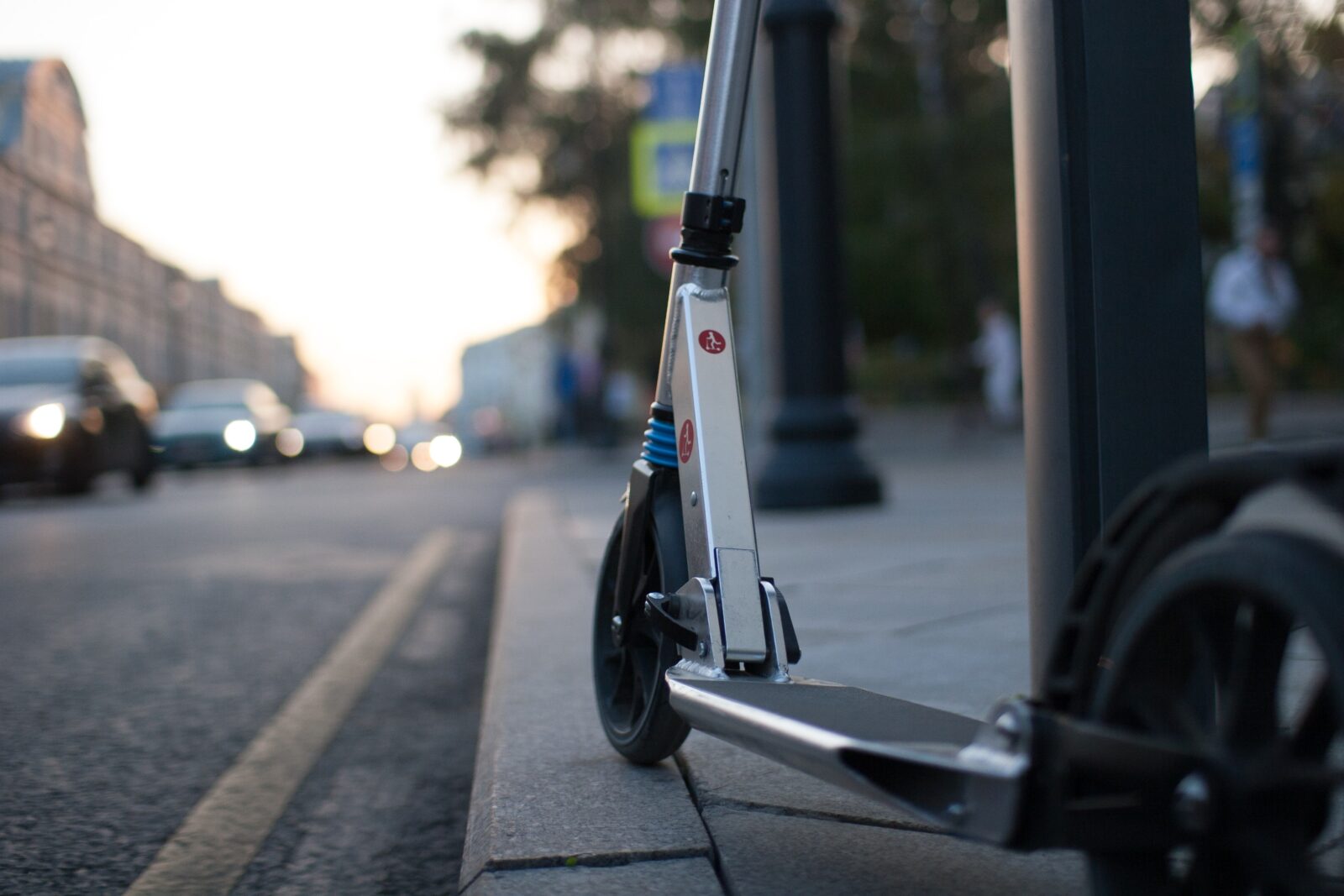
Avanti West Coast and TransPennine Express ban all e-scooters over ‘safety concerns’ / Credit: Let’s Kick (via Unsplash)
“As these devices have become more and more popular, so have the horror stories of lithium batteries overheating and catching fire,” the train operator explained.
“Most of these devices are not actually approved for use in the UK, and our staff will refuse travel to anyone attempting to board one of our trains, or access one of our stations with such a device.”
ADVERTISEMENT
Avanti West Coast echoed similar concerns, and confirmed in a statement that the ban is temporary and intended to “preserve the safety of our colleagues and customers until there is greater regulation on e-scooters”, before going on to ask the public to “adhere to these new rules” and “be kind to our staff helping to enforce them”.
TPE called the risks associated with e-scooters and similar devices something of “significant concern”, and referenced the fact that most of these devices are “not approved for use in the UK”.
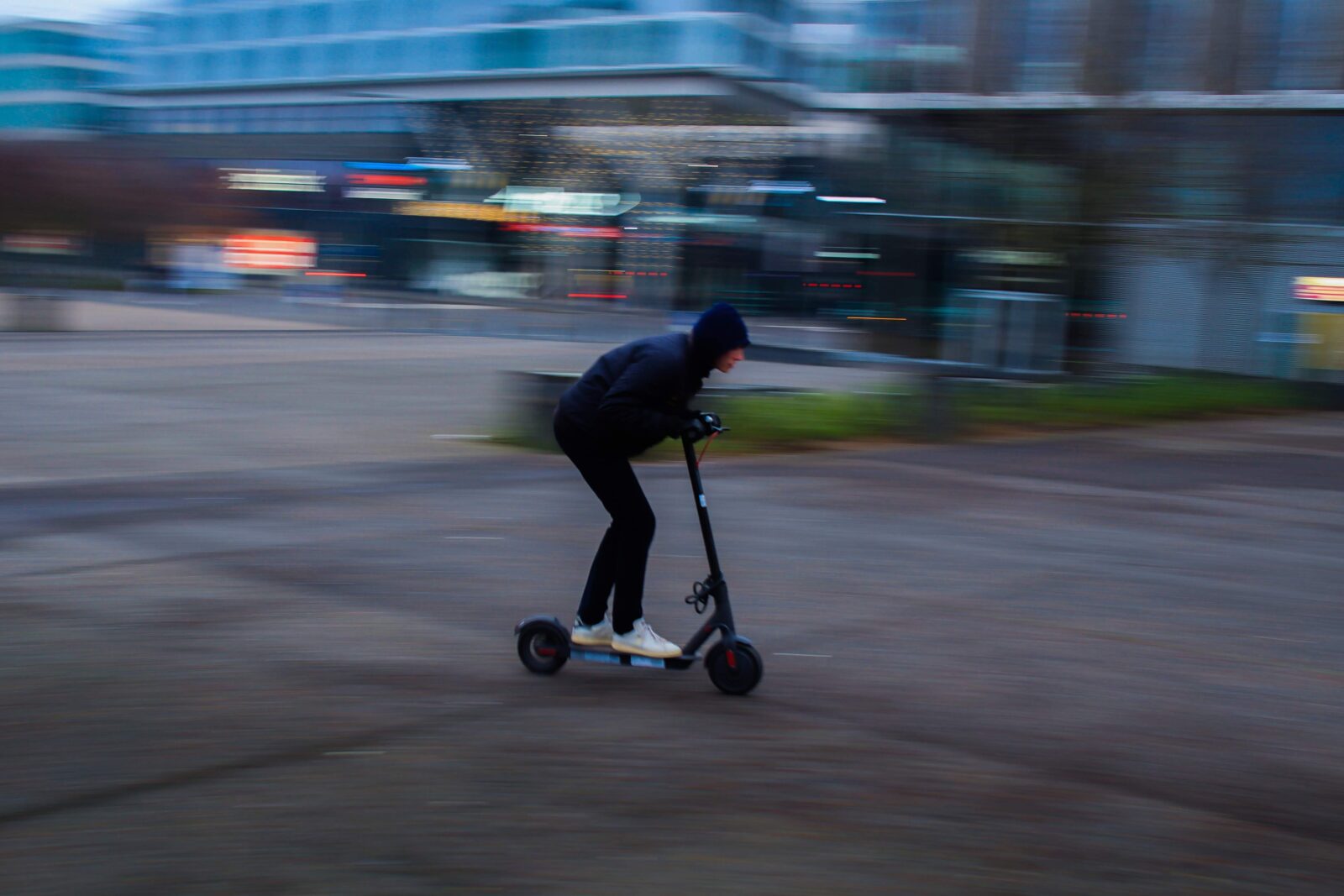
The safety concerns over the risks posed by the Lithium-ion batteries that typically power these devices / Credit: Michel Grolet (via Unsplash)
Currently, the only e-scooters legal to use on UK roads are those taking part in government-approved rental trial schemes – which began back in 2020 to help gather data for the potential full legalisation of the devices.
ADVERTISEMENT
E-scooters are actually classed as motor vehicles, which therefore means that the rules that apply to motor vehicles also apply to e-scooters – including being in possession of a full UK driving license, insurance, and the need to be taxed.
Mobility scooters, electric wheelchairs, and e-bikes are all exempt from all bans.
With the bans now introduced, customers who are travelling with mobility scooters and electric wheelchairs on each of the three train providers are being advised to contact the companies ahead of their journey to arrange assistance.
Victim named and murder investigation launched after young woman is killed in Newton Heath stabbing
Emily Sergeant
The victim of a street stabbing in Newton Heath this week has been named for the first time as a murder investigation continues.
It comes after officers from Greater Manchester Police (GMP) responded to reports of a disturbance at around 2am yesterday (Thursday 15 October) on Dorking Avenue, in the Newton Heath area of Manchester, and when they arrived on the scene, they found a woman in her 20s with serious injuries that were ‘consistent with a stabbing’.
Despite best efforts of all emergency services involved, the young woman was sadly pronounced dead at the scene.
As the murder investigation progresses, the woman has now been publicly named and a photo of her has been released for the first time.
She has been named as 26-year-old Alisha Samuels.
At this time, one man, aged 25, has been arrested on suspicion of murder, and a man and woman, aged 61 and 38, have been arrested on suspicion of assisting an offender, and they all remain in custody – with officers continuing their enquiries to establish the full circumstances of this incident.
Alisha’s family have asked for privacy whilst they deal with the devastating loss of their loved one, GMP has stated.
“We are continuing to urge people who may have information in relation to this incident to please come forward to support our investigation and bring justice for Alisha,” the police force said in a public appeal.
Anyone who may have witnessed the incident, or has mobile phone, CCTV, or doorbell footage, is urged to call GMP on 0161 856 5464, or contact them via the Major Incident Public Portal here.
Alternatively, you can contact Crimestoppers on 0800 555 111
Featured Image – GMP (Family Handout)
News
Former supply teacher jailed for multiple upskirting and AI sex offences across Greater Manchester
Emily Sergeant
A former supply teacher has been jailed for multiple upskirting and AI sex offences in schools across Greater Manchester.
Abusali Rahman – a British national of Bangladeshi ethnicity from Salford – appeared in Bolton Crown Court this week for his sentencing after first being charged with, and then pleading guilty to, several offences.
The offences are including, but not limited to, 12 counts of taking an indecent photograph/pseudo-photograph of a child (images obtained by upskirting), three counts of making indecent photograph / pseudo-photograph of a child (making AI-generated images), and one count of attempting to meet girl under 16 following sexual grooming.
The offences are alleged to have taken place between December 2023 and June 2025, according to Greater Manchester Police (GMP).
Twelve girls have been identified in relation to the upskirting offences – aged between 13 and 16 at the time of the alleged offending – at seven high schools in three Greater Manchester boroughs (Bury, Bolton, and Salford).
GMP says it has remained in close contact with the schools, local authorities, and other partners throughout the investigation to ensure all appropriate support is in place for those who need it.
Additionally, the court also heard how Rahman amassed a collection of images of young girls, using AI and other methods to sexualise them.
The images numbered more than 300 in total, ranging from Category A to Category C classifications, and Rahman would post these on social media, often alongside humiliating and disgusting captions.
Rahman was sentenced to six years in prison, and will also be subject to a 20-year Sexual Harm Protection Order.
A former supply teacher has been jailed for child sex offences in schools across Greater Manchester / Credit: GMP
Detective Constable Lisa McGaffin, from GMP’s Bolton Child Protection Team, described Rahman’s crimes as ‘absolutely abhorrent’.
“My thoughts throughout this process have always been with the young girls who have been subject to such indignity,” DC McGaffin said following the sentencing this week. “Their welfare and support will always be a priority for us.
“While working as a teacher – someone who young children should trust and be safe with – Rahman repeatedly took secret photos for his own sick gratification, before posting images online which showed his total disregard for the girls’ respect and dignity.

 Emily Sergeant -
28th December 2022
Emily Sergeant -
28th December 2022