New targeted furlough scheme will pay two thirds of worker wages
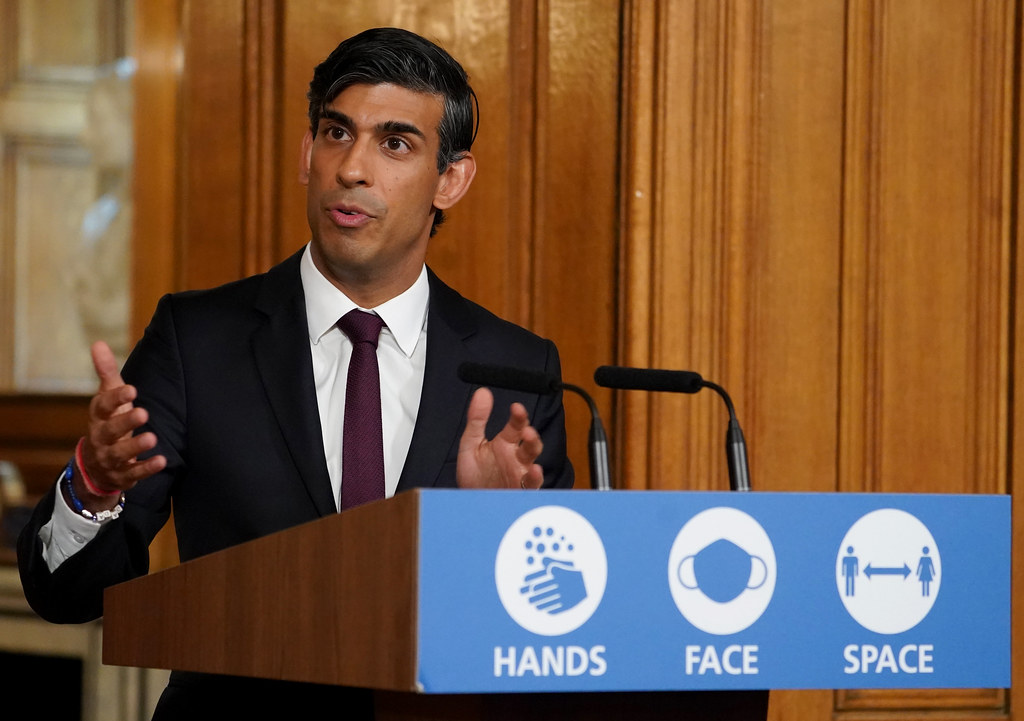
The Chancellor took the stage on Friday (9 October) to lay out a plan for industries, businesses and workers affected most by government-imposed measures.
The government has launched a targeted furlough scheme for businesses that need to close during winter – paying two thirds of each employees’ salary (or 67%) up to a maximum of £2,100 a month.
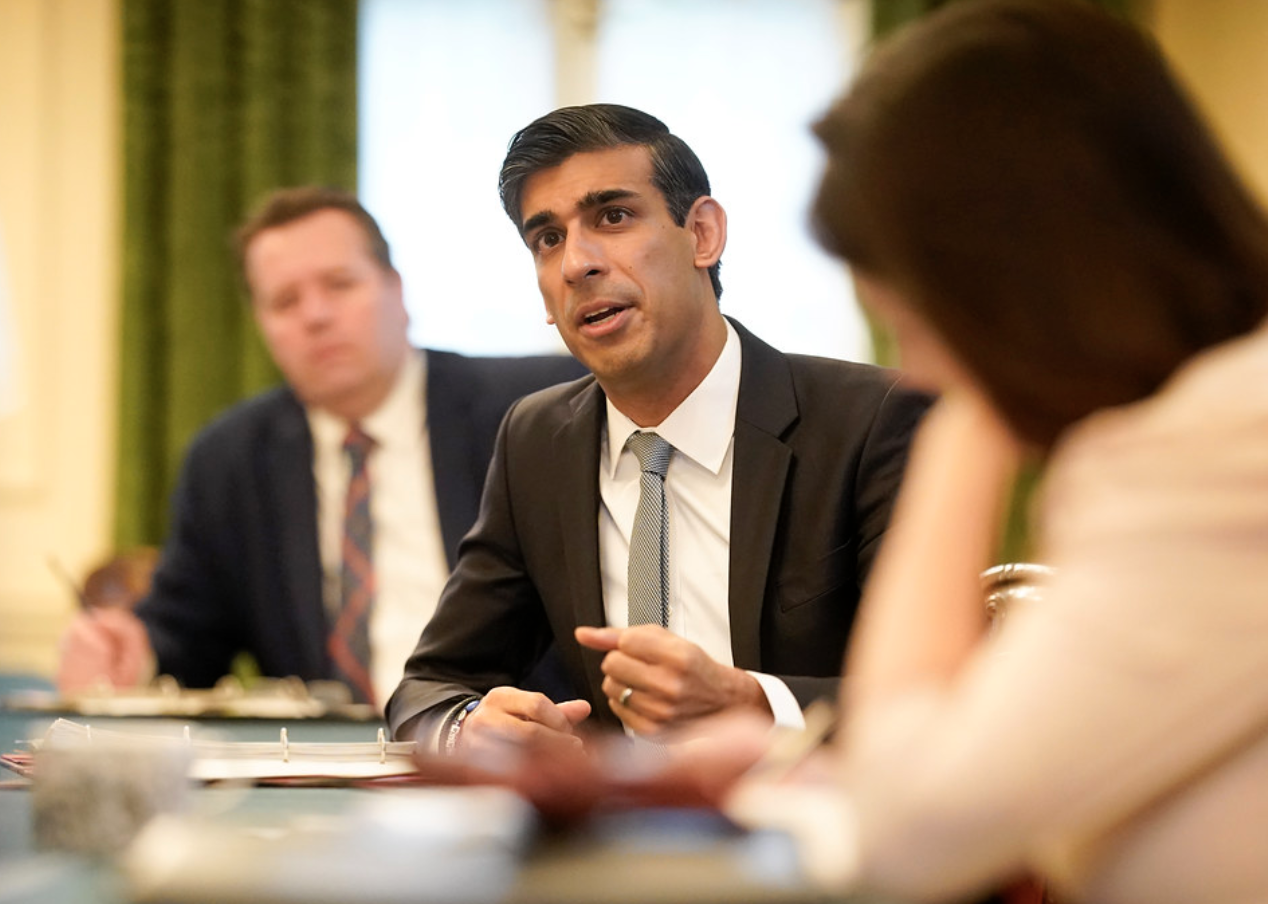
Chancellor Rishi Sunak made the announcement on Friday afternoon.
The scheme will begin on 1 November and will be available for six months, with a review point in January.
Sunak stated: “Throughout the crisis the driving force of our economic policy has not changed.
“I have always said that we will do whatever is necessary to protect jobs and livelihoods as the situation evolves.
ADVERTISEMENT
“The expansion of the Job Support Scheme will provide a safety net for businesses across the UK who are required to temporarily close their doors, giving them the right support at the right time.”
Number 10 / Flickr
An official government statement reads: “Under the scheme, employers will not be required to contribute towards wages and only asked to cover NICS and pension contributions.”
ADVERTISEMENT
It continues: “It is estimated that around half of potential claims are likely not to incur employer NICs or auto-enrolment pension contributions and so face no employer contribution.”
Businesses will only be eligible to claim the grant while they are subject to restrictions and employees must be off work for a minimum of seven consecutive days.
1/ I’m announcing today that I’m expanding the Jobs Support Scheme.
Where the coronavirus restrictions legally require business premises to close, in any region or nation of the UK, we will help pay employees’ wages. pic.twitter.com/d8bHbRrtDJ
The Chancellor had previously said that continuing the national furlough scheme was unviable, but has been coming under pressure from leaders in the north to introduce localised support.
ADVERTISEMENT
Earlier this week, Greater Manchester Mayor Andy Burnham vowed to fight back against any restrictions imposed without promises of financial security, claiming the north had been “treated with contempt” throughout the pandemic.
Over 561,000 people have tested positive for COVID-19 in the UK so far.
Thursday saw the highest ever official figures for cases per day – with more than 17,000 recorded in a 24-hour period 7-8 October.
Read more about the expanded Job Support Scheme on the government website.
News
Manchester Airport issues update for anyone flying today after hundreds of cancellations yesterday
Emily Sergeant
Manchester Airport has issued an update for anyone catching a flight today after hundreds of cancellations yesterday.
In case you hadn’t heard, hundreds of flights at several major UK airports – including Manchester Airport – were disrupted by a technical fault at air traffic control provider National Air Traffic Services (NATS) yesterday (8 September 2026), with the incident grounding planes and resulting in numerous cancellations.
According to Flightradar24, more than 1,000 flights were cancelled nationwide, and many passengers were told to expect disruption for the rest of the day.
One of the worst-affected airlines was said to be Ryanair, with around 65,000 passengers affected by the cancellations and delays.
Manchester Airport issued its first statement addressing the matter at 3:15pm yesterday, stating: “We are aware of an issue affecting NATS’ air traffic control service at UK airports, which may result in delays to some departing flights from Manchester Airport today.
“Passengers due to travel are advised to check the latest status of their flight with their airline. We will continue to monitor the situation and share further updates as more information becomes available.”
Now, although the issue has been resolved, Manchester Airport has issued further statements informing anyone travelling today what they can expect.
The airport started off by saying that it is ‘operating as normal’ today, but that passengers are advised to ‘check with their airline for the latest information’.
“A full flight schedule is expected to operate [today] but the airport may be busier due to rescheduled flights,” it added.
Passengers were then thanked for their ‘patience and understanding’ over the past 24 hours.
Featured Image – Ivan Shimko (via Unsplash)
News
Hundreds of staff at four Greater Manchester hospitals to strike AGAIN next week
Emily Sergeant
Another round of strikes has been called at a handful of major Greater Manchester hospitals.
Amid ongoing disputes following the first set of strikes at the end of last month, it has now been announced that more than 350 Northern Care Alliance Foundation Trust (NCA) employees – including nurses, clinical support workers and housekeepers – who are members of the union UNISON will once again walk out for three days next week.
According to the union, the dispute centres on the NCA’s use of an outside agency called NHS Professionals (NHSP) to manage overtime.
When covering staff shortages, workers are entitled to time-and-a-half pay – however in some cases, staff earn less than they would on a normal shift, and some have even been missing out on more than £80 per shift, the union added.
Operating theatre staff were previously on picket lines in June, and although an option to resolve the row was initially tabled by NCA bosses, this has now fallen through.
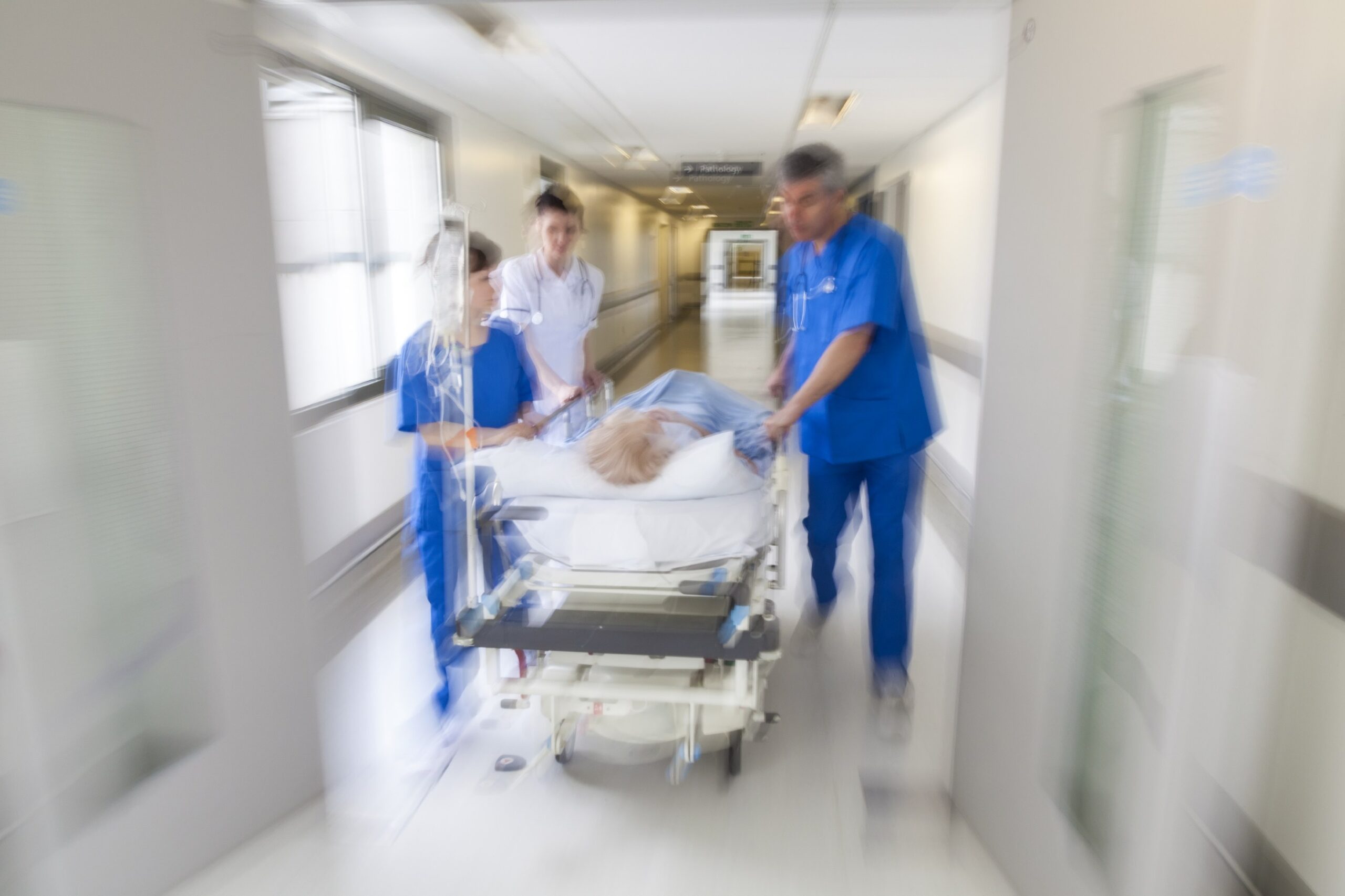
Hundreds of staff at four of Greater Manchester’s hospitals are set to strike next week / Credit: Stephen Andrews (via Unsplash)
This means that staff at Salford Royal Hospital, Royal Oldham Hospital, Rochdale Infirmary, and Fairfield Hospital in Bury are walking out next week on Monday 14, Tuesday 15, and Thursday 17 September.
The union’s North West regional organiser, Kevin Dolan, said the trust had given ‘no indication’ that it’s willing to re-enter negotiations, adding that operating theatre services were ‘chronically under-staffed’ and staff were choosing to work extra shifts to cover shortages.
Ahead of the August strikes, the trust declared a critical incident to help it secure extra support and keep urgent surgery running, while also announcing that some procedures would have to be postponed.
Understandably, some disruption is expected at each of the hospitals on strike days.
But Gertie Nic Philib, who is the chief people and strategy officer at the Northern Care Alliance, said that the trust will do ‘everything we can to minimise the impact on patients’ and ‘maintain high standards of care and quality at all times.’
“We also have contingency plans in place for emergency situations,” they concluded.

 The Manc -
9th October 2020
The Manc -
9th October 2020