On Monday night the Conservatives passed a controversial Health and Social Care Bill in the Commons, bringing in huge changes to social care and how the NHS is run in the UK.
A large rebellion in the Tory party meant the bill only passed with a majority of 26, well below the government’s 80-seat majority, with a large number of newly elected ‘red wall’ MPs in the north choosing to either vote against the bill or abstain entirely.
The bill has been widely criticised on both sides of the political spectrum for its changes to social care, which include a new controversial cap on lifetime care costs that disproportionately benefit wealthier pensioners and homeowners in the south.
Critics of the bill include cap architect economist Sir Andrew Dilnot, who first came up with the idea. Earlier this month, the economist told Sky News that the cap would ‘hit the poorest hardest’ and create a north-south divide in England.
This is in part because the £86,000 cap only takes into account an individuals’ personal contribution, and disqualifies any benefits payments from local authorities. The economist also said that ‘lower value houses’ in the north would create a divide.
ADVERTISEMENT
As property costs in Manchester lie below the national average, the new reforms mean that pensioners in the region will lose out disproportionately.
Pensioners with assets of £186,000 upwards will be able to ensure their family inherit the majority of their property, whilst those with £106,000 or less will lose out significantly – both compared to the current system and the one that was initially proposed in September.
ADVERTISEMENT
Previously, the Prime Minister had promised that no one would have to sell their home to pay for care.
Kevin Hollinrake, the Conservative MP for North Yorkshire constituency Thirsk and Malton, told MPs: “There is no doubt that the way the cap works for those with more modest assets is less generous. How can that be fair?”
ADVERTISEMENT
Labour Health spokesperson Justin Madders, meanwhile, called the bill a ‘betrayal’, telling the Commons that ‘thousands of people in each constituency, mainly in the Midlands and the north of England, […] will be forced to sell their homes whilst those in the more affluent areas of the country will get to keep theirs.”
“That’s not fairness. That’s not fixing social care. That is a betrayal.”
The Prime Minister has previously denied that the bill disadvantages those in the north, claiming that it is a “massive improvement for everybody in the whole country” as it puts an end to people paying unlimited quantities for care.
Feature image – Parliament TV
News
Major pop star crowns humble rice and three cafe as ‘Jewel of Manchester’ ahead of sold-out gig
Thomas Melia
A beloved city centre takeaway has been given the title of ‘Jewel of Manchester’ by chart-topping UK singer Sam Smith.
Known for hits like ‘Stay With Me’, ‘I’m Not The Only One’ and more recently ‘Unholy’, UK pop-ballad act Sam Smith also likes to drop a food review every once in a while.
Currently on the road with a run of shows in Manchester and London for their ‘To Be Free’ live shows, Sam Smith is stopping off at some of our city’s much-loved spots.
On their food-reviewing account titled ‘Sam Served’, where they adopt the aptly-fitting nickname ‘Ham Smith’, Sam has visited restaurants across the globe – and most recently turned their attention to Manchester’s own This & That.
Smith decided to pop in and grab a cheeky rice and three from long-standing backstreet food business This & That, and it certainly went down a treat.
After sampling their amazing selection of meat, vegetable and vegan curries, the musician crowned this family-run Indian takeaway a ‘Jewel of Manchester’.
The hitmaker described this Northern Quarter Indian eatery as ‘Everything food should be’ and definitely enjoyed all the curries on offer ‘leaving belly and heart full’.
This & That prides itself on affordable and comforting food with its ‘Rice and Three Curries’ starting from just £6 – not bad for a city centre foodie spot.
Sam has racked up an impressive 490k followers via their ‘Sam Served’ profile, with famous faces like Lily Allen, Denise Welch and CMAT all wanting to know the superstar’s foodie thoughts.
After enjoying a curry or three, Sam Smith also made sure to feed their soul to by venturing down to Afflecks and getting lost in the music at Mars Tapes.
Recognised as one of the UK’s only cassette and tape shops, Mars Tapes lets you flick through their crates of physical media and even preview tracks before you buy with its dedicated listening areas.
It’s safe to say that Smith has ‘Latched’ onto Manchester’s independent business scene and we’re here for it.
The London-born artist has just released their latest album Hazel Eyes and is currently amid a UK residency tour with two dates in Manchester’s Albert Hall and eight shows set for London Coliseum.
24-hour bus services are now running across all Greater Manchester boroughs
Emily Sergeant
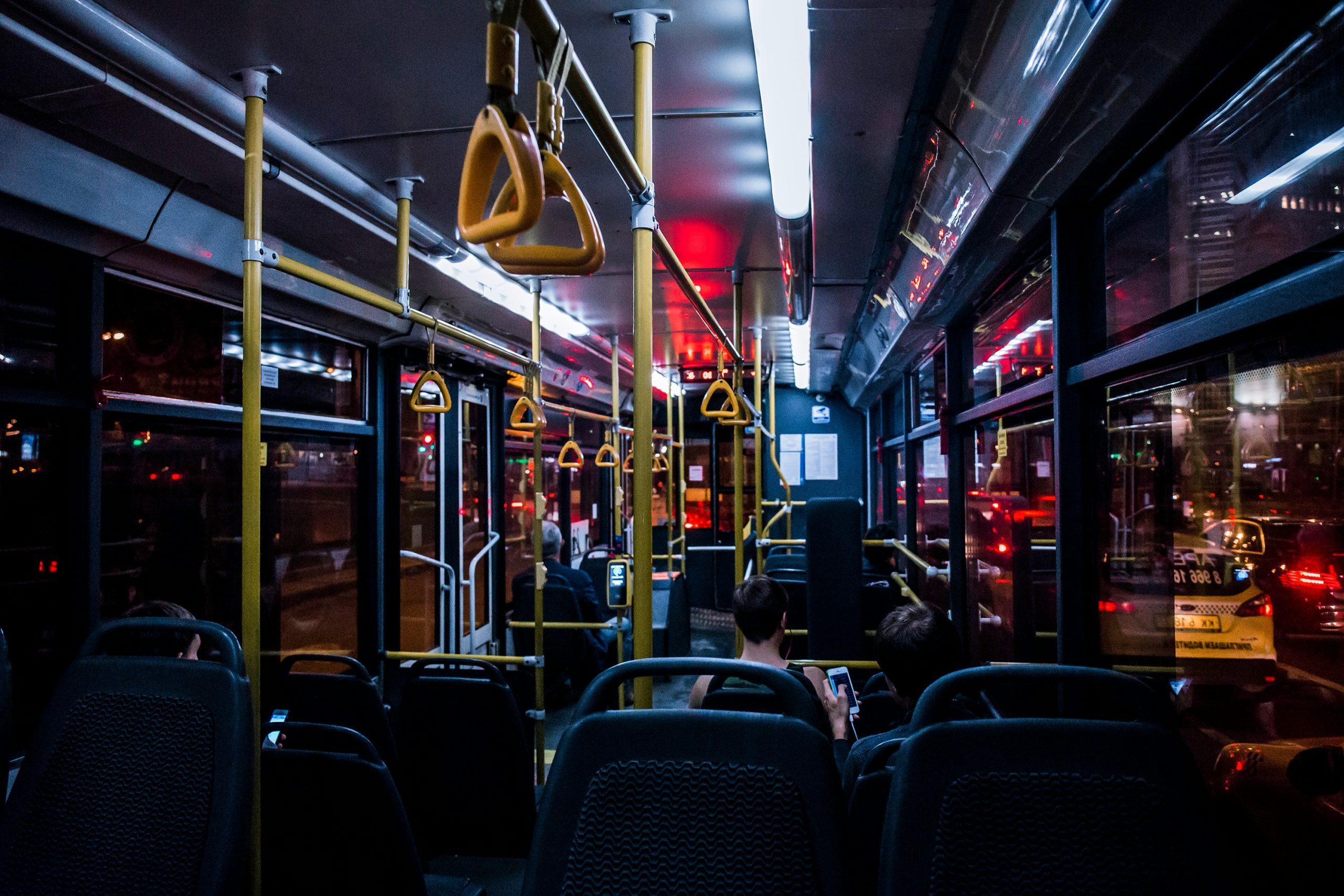
24-hour bus services are now running across all boroughs in Greater Manchester.
You may remember that back in March, it was announced that every borough of Greater Manchester was set to get a night bus service in what is hoped to be a ‘boost’ to the night-time economy… and now it’s official, Transport for Greater Manchester (TfGM) has launched those 24-hour buses this month, along with a series of other measures.
Oldham, Stockport, Tameside, and Trafford now join the rest of Greater Manchester in having 24-hour bus services, meaning every part of the region will have a night bus operating Thursday through to Sunday.
It’s expected that these new services will help around 625,400 people working in the night-time economy across Greater Manchester, as well as those out enjoying the region’s nightlife, TfGM has said.
The routes which will run around the clock from Thursday until Sunday are:
50 (Salford – Manchester)
216 (Tameside – Manchester)
263 (Trafford – Manchester)
192 (Stockport – Manchester)
83 (Oldham – Manchester)
All Greater Manchester boroughs now have 24-hour bus services / Credit: TfGM
They launch alongside the most significant service changes to the Bee Network since the completion of bus franchising last year – including other new bus routes, and more frequent services across Greater Manchester.
“We want everyone to be able to enjoy everything Greater Manchester offers, without the worry of how to get there and get home,” commented Greater Manchester Mayor, Bev Craig.
“By growing the Bee Network, we’re making it easier than ever for people to use the bus, day and night.
“Our night buses are already providing a lifeline to some of the hundreds of thousands of people who are growing our night-time economy and working in essential public services.”
“Whether people are heading home from a night at the theatre or starting the early shift at a hospital, they can now get on board the night bus as a safe and affordable way to travel.”
Further improvements will delivered from January 2027, and a full breakdown by borough can be found on the Bee Network website here.

 Georgina Pellant -
23rd November 2021
Georgina Pellant -
23rd November 2021