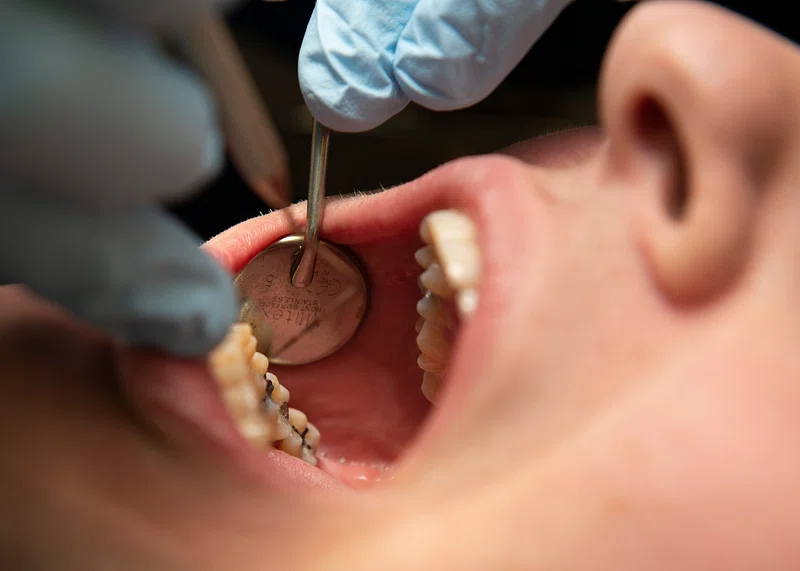
Dentists and opticians in England are to begin running blood pressure checks at appointments to help find people at hidden risk of strokes or heart attacks.
Following the success of community pharmacy blood pressure checks – which have already helped more than a million people keep on top of their risk of cardiovascular disease, without the need for an appointment – the new NHS scheme is set to be offered at routine dental and optometry appointments within the coming months.
According to the NHS, 4.2 million people in England are estimated to have high blood pressure, but as it usually presents no symptoms, they often have the condition without knowing it.
For anyone with high blood pressure, reducing it by even just a small amount can help lower the risk of secondary conditions such as strokes, heart attacks, kidney disease, vascular dementia, and more, but the only way to know if you have high blood pressure is to get a blood pressure test, and people often don’t think to get them.
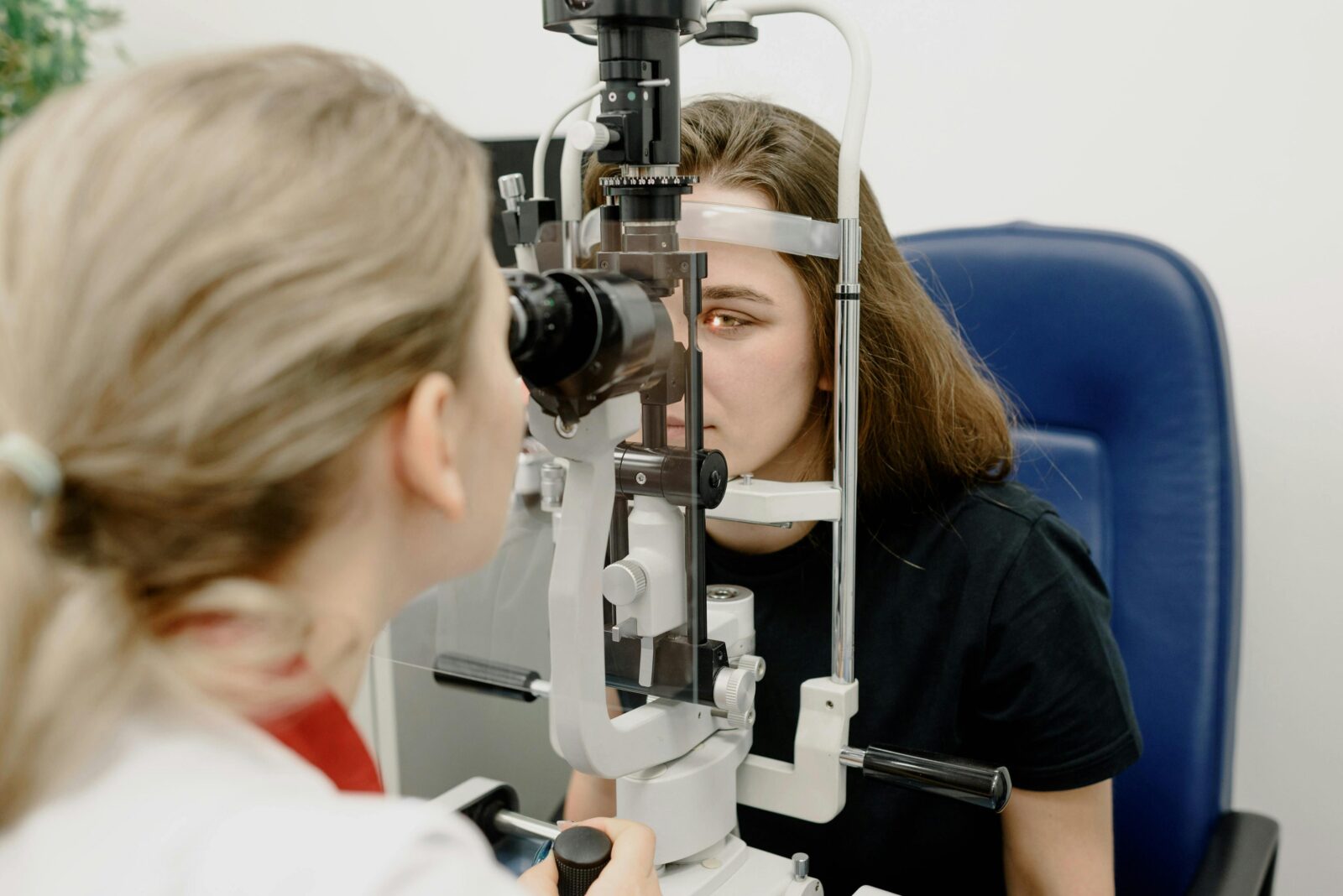
Dentists and opticians are to start running blood pressure checks at routine appointments / Credit: Ksenia Chernaya (via Pexels) | rawpixel
This is why NHS is rolling out its new dental and optometry scheme very soon, after already piloting it parts of London and Yorkshire earlier this year.
ADVERTISEMENT
15 local integrated care boards across England are taking part in the scheme six areas – with more than 60 clinical practices involved, and in excess of 100,000 blood pressure checks expected to be delivered over the next 12 months.
The new service will focus on case finding at dentists, five in optometry, and four will be offering checks at both dental and optometry sites.
ADVERTISEMENT
The NHS hopes it’ll reach patients who may not otherwise have interactions with its services.
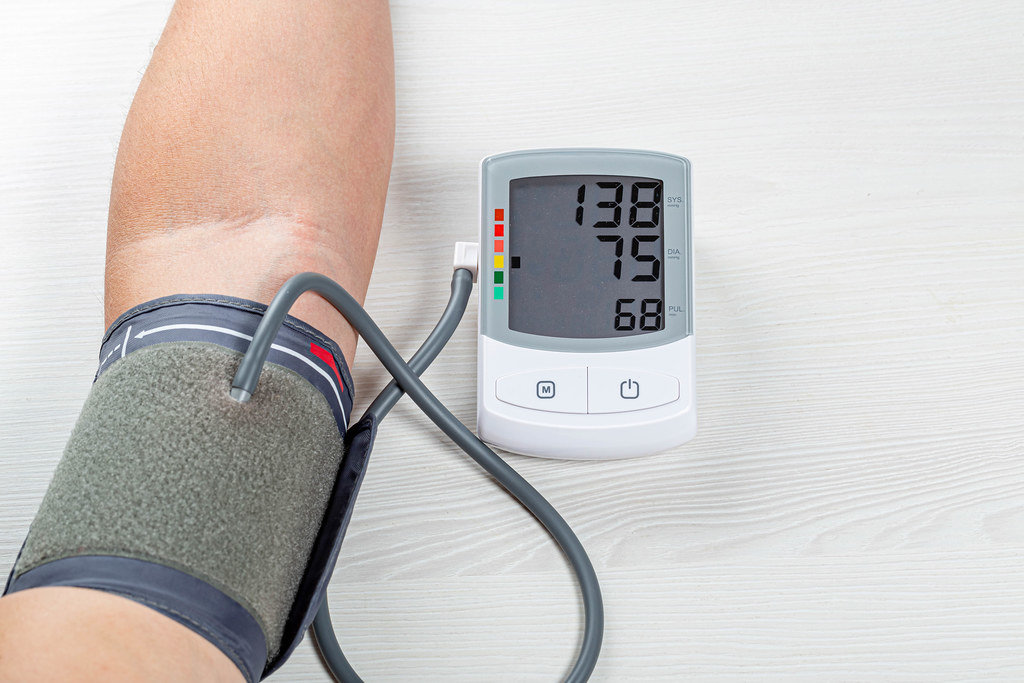
The NHS says these checks will help to spot those at risk of strokes, heart attacks, and more / Credit: cnull.de
“These convenient checks at dentists and optometrists will enable thousands of people to monitor their blood pressure and could potentially be life-saving,” commented Helen Williams, who is the NHS’s National Clinical Director for Cardiovascular Disease Prevention.
“Many otherwise healthy people over 40 only visit their GP when they’re feeling unwell, but offering these vital checks as part of routine dentist or eye test appointments means we can identify and support more people at risk.
“High blood pressure is a significant factor in many cardiovascular diseases but as it usually has no symptoms, many people don’t know they have it, so I would urge anyone offered a check to come forward.”
NHS launches new AI and robot cancer detection pilot offering ‘glimpse into future’
Emily Sergeant
The NHS has launched a ‘trailblazing’ new AI and robot pilot to help spot cancers sooner.
Patients who are facing suspected lung cancer could get answers sooner under the new pilot that makes use of artificial intelligence (AI) and robotic technology to help doctors reach hard-to-detect cancers earlier, and all without with fewer tests too.
At the moment, patients are faced with weeks of repeat scans and procedures to come to a diagnosis.
But this could soon be replaced with a single, half-hour cancer biopsy – reducing prolonged uncertainty, and avoiding more invasive surgery.
According to the NHS, the new approach uses AI software to rapidly analyse lung scans and flag small lumps that are most likely to be cancerous, before a robotic camera is then used to guide biopsy tools through the airways with much greater precision than standard techniques.
A new NHS pilot using AI and robotic technology will help doctors reach hard-to-detect lung cancers earlier.
Weeks of scans and procedures could be replaced with a single biopsy, reducing uncertainty and avoiding more invasive surgery.
The robot can reach nodules as small as 6mm – which is around the size of a grain of rice – that are hidden deep in the lung and are often deemed too risky or difficult to access using existing methods, and once AI has highlighted higher-risk areas, doctors can then take a precise tissue sample, which is sent to specialist laboratories and reviewed by expert cancer teams to confirm or rule out cancer.
The NHS’s top cancer doctor hailed the pilot – which is currently being carried out at Guy’s and St Thomas’ NHS Foundation Trust – as ‘a glimpse of the future of cancer detection’.
“Waiting to find out if you might have cancer is incredibly stressful for patients and their families,” admitted Professor Peter Johnson, who is NHS England’s National Clinical Director for Cancer.
The NHS has launched a new AI and robot cancer detection pilot that’s offering a ‘glimpse into future’ / Credit: rawpixel
“Our lung cancer screening programme means that we are picking up more cancers at an early stage than ever, and by bringing AI and robotics together in this trailblazing NHS pilot, we’re bringing in the very latest technology to give clinicians a clearer look inside the lungs and support faster, more accurate biopsies.
“This is a glimpse of the future of cancer detection.
“Innovation like this is exactly how we can help diagnose more cancers faster, so treatment can be most effective, and why the NHS continues to lead the way in bringing new technology safely into frontline care.”
If successful, the pilot will help the NHS to generate evidence to develop a national commissioning policy for robotic bronchoscopy.
It will also support more consistent access to the technology across the NHS in future.
Featured Image – Tima Miroshnichenko (via Pexels)
News
Chester Zoo announces new spring date for its popular running event to help UK wildlife
Emily Sergeant
Chester Zoo has announced that its popular Run For Nature is back again this year, and this time, there’s a new spring edition.
The UK’s biggest charity zoo seen success with this event in the past few years, with thousands of runners signing up for one of the North West’s most unique athletic experiences and all funds raised going towards efforts to protect highly-endangered giraffes in Africa.
This year though, the much-loved event’s focus brings conservation ‘a little closer to home’ and will protect some of the UK’s most threatened species instead – with all funds helping to safeguard hedgehogs, kingfishers, otters, harvest mice, and more.
It comes as the UK is currently considered one of the most nature-depleted countries on Earth.
Participants will first get to wind through the zoo and enjoy glimpses of elephants, lemurs, and other incredible species along the way, before heading out into the picturesque Cheshire countryside.
Adults can choose from a 10K or 5K route, while younger runners are invited to take part in a one-mile ‘Zoom’ race, open to children aged four-15, which takes place entirely within the zoo’s incredible 130-acre grounds.
All runners will receive free entry to the zoo for the rest of the day as part of their registration, along with a 25% discount for friends and family who come along to show support.
Chester Zoo’s popular 10K charity run is returns with a new spring date / Credit: Chester Zoo
Lorraine Jubb, who is the Fundraising Lead at Chester Zoo, called the Run For Nature a ‘really special event’.
“In previous years, runners have already supported conservation efforts for Asian elephants, Eastern black rhinos and Northern giraffe,” she explained. This springtime though, we’re turning our attention much closer to home in the UK, and to the wildlife we share our gardens, parks and countryside with.
“With one in six species now at risk of extinction in the UK, every runner will be playing a vital role in helping us protect animals and supporting our growing nature recovery work across right across Cheshire.