The Environment Agency has officially declared a drought in the north west of England following the driest start to spring in 69 years.
It comes after river flows and groundwater levels have been declining due to the dry March, April, and start of May, and now reservoir storage levels in the region are also receding too, meaning at this moment in time, they’re currently lower than they were during the famous drought years of 1984, 1995, and 2022.
According to the Environment Agency (EA), a decision to declare drought is taken based on reservoir levels, river flows, and moisture in the soil, along with taking into consideration weather forecasts on a long-term basis.
Declaring drought status enables the EA to ‘plan, deliver, and manage’ actions in drought plans.
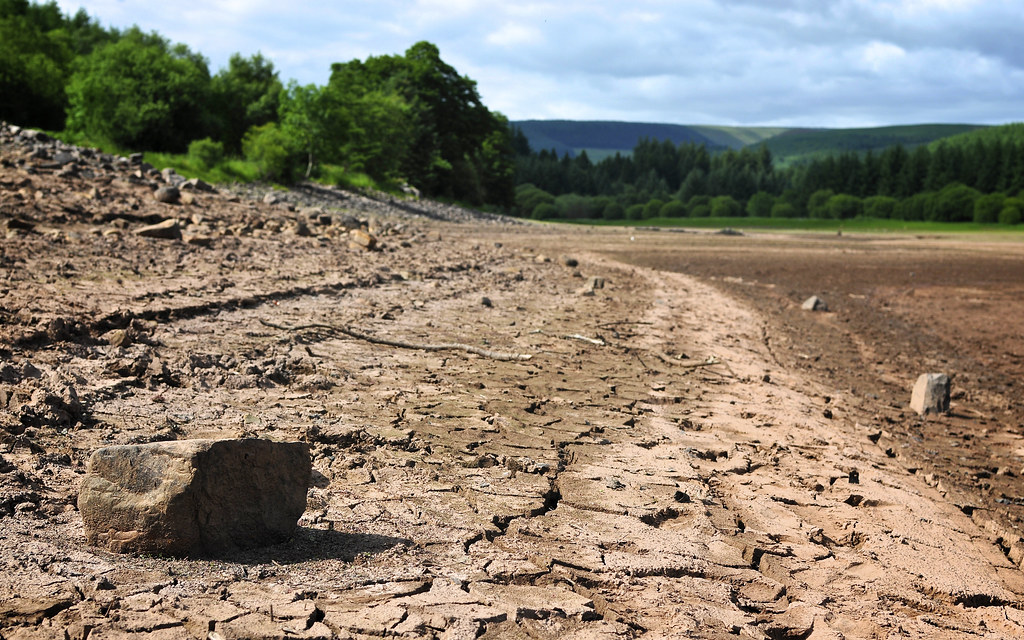
The Environment Agency has officially declared a drought in north west England / Credit: Pxhere
However, there is no single definition for drought, the EA admits, so while it’s a given that it’s caused by a period of low rainfall, the nature, timing, and impacts on people, the environment, agriculture, or business will vary.
ADVERTISEMENT
Some droughts are short and intense, while others are long and take time to develop over multiple seasons.
Although there has been some welcome rain across the North West in recent days, the EA says this is ‘not enough to reverse the dry start to the year’ and is definitely not enough to cover the expected hotter weather in the coming weeks, which it believes is only set to ‘exacerbate’ the situation.
ADVERTISEMENT
The decision by the EA to move the region into drought status means the regulator will increase its operational response throughout the summer.
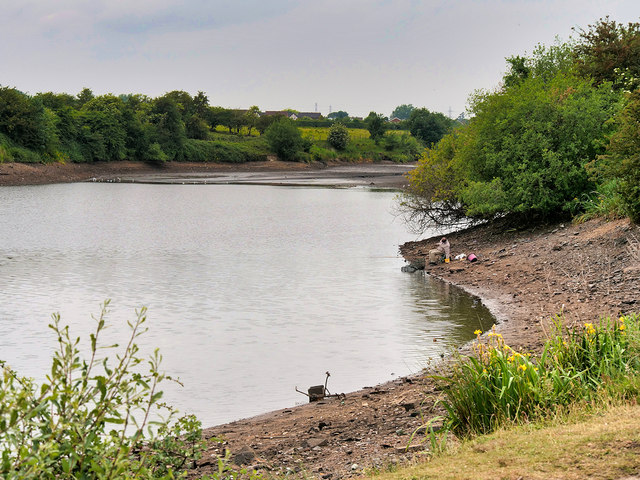
It follows what has been the driest start to spring for the region in 69 years / Credit: David Dixon (via Geograph)
This will be all while ensuring that water company United Utilities steps up the actions agreed in its drought plans – including fixing leaks, communicating with customers and supporting them to reduce demand, and submitting drought permits to take more water, as and where needed.
According to the EA, if these actions are taken in a ‘timely manner’ will help preserve supplies for people and the environment.
ADVERTISEMENT
“Drought is a naturally occurring phenomenon,” explained Andy Brown, who is the Water Regulation Manager at the Environment Agency. “As we see more impacts from climate change, heavier rainfall and drier summers will become more frequent and this poses an enormous challenge over the next few decades.
“Despite the rain over the weekend levels remain low and we are encouraging people to be aware of the impacts of drought as we enter the summer period.
“With further unsettled periods and rainfall over the coming weeks we will continue to closely monitor the situation and implement our Drought Plan.”
Trafford Centre begins months-long refurb of its iconic The Orient foodhall
Emily Sergeant
A new era for The Orient is on the horizon, as the Trafford Centre has begun its months-long refresh of its iconic foodhall.
Forming part of its ongoing commitment to ‘enhancing the visitor experience’, the Trafford Centre is investing in a major refresh of seating and customer facilities within The Orient – creating a more vibrant and welcoming environment for guests to eat, meet and relax.
Works are now underway and will be delivered in phases over the coming months.
Improvements are being carried out in phases to minimise disruption to shoppers, while creating a more comfortable and contemporary dining environment at the same time.
The refreshed area will increase seating capacity by more than 60%, introducing a range of new seating styles in the process – including banquettes, family-friendly tables, accessible seating for guests with mobility requirements, and dedicated areas equipped with phone and laptop charging facilities.
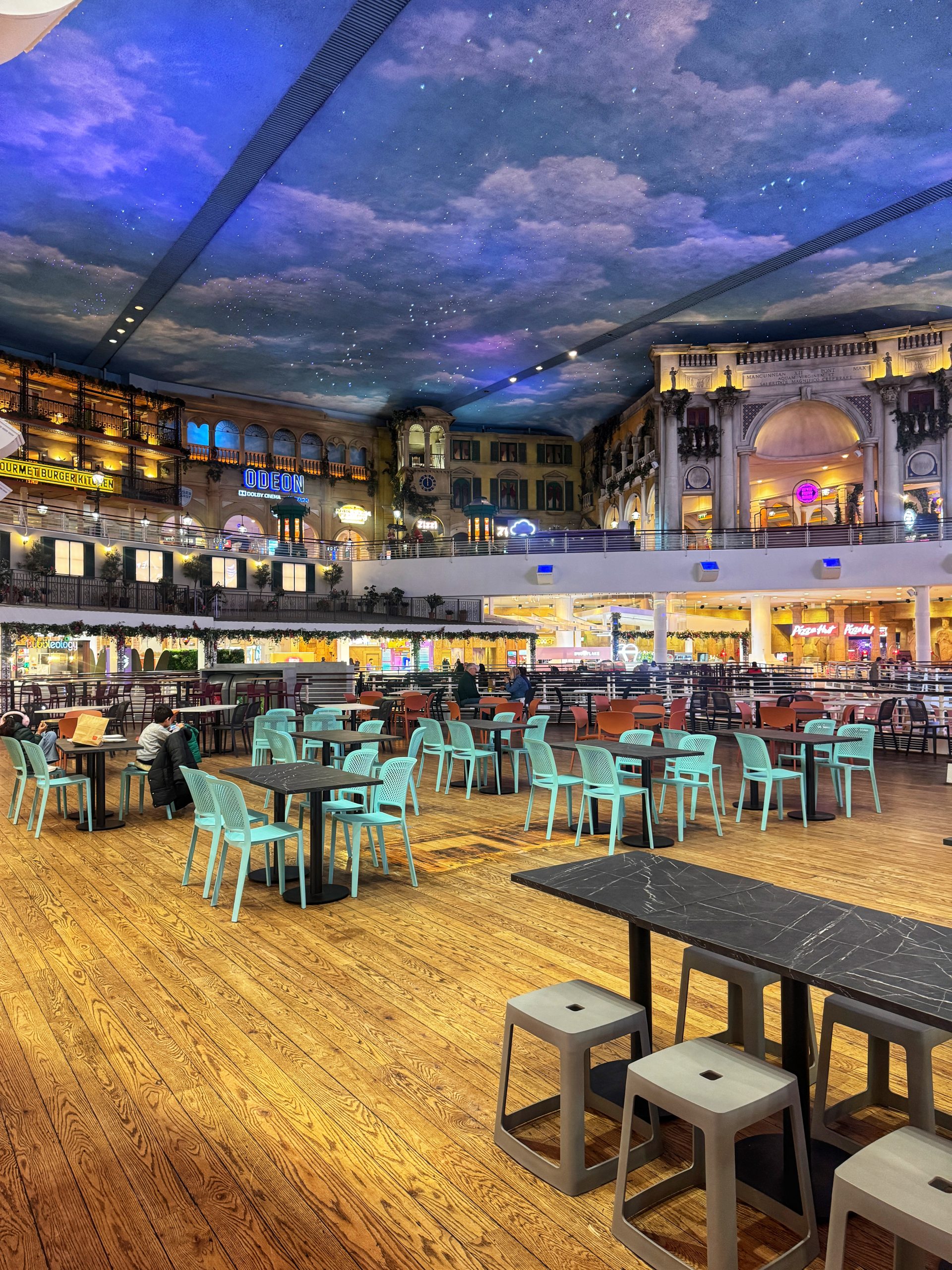
The Trafford Centre begins months-long refurb of its iconic The Orient foodhall / Credit: The Manc Group
Inspired by The Orient’s longstanding maritime heritage, the design takes cues from a contemporary cruise liner, and the space will also feature upgraded furniture and enhanced lighting, alongside flexible areas designed to encourage visitors to spend more time in there.
There’ll also be modern furnishings and a ‘refreshed’ colour palette to create a brighter and welcoming environment.
“The Orient is one of the most popular destinations within Trafford Centre, welcoming millions of visitors each year,” a Trafford Centre spokesperson said on the refurb.
“This investment reflects our commitment to continually improving the experience for our guests, creating a more modern, comfortable and social environment where visitors can meet, dine and spend time together.
“The improvements will not only significantly increase seating capacity but also deliver a much more flexible and accessible space for all visitors to enjoy.”
Featured Image – The Manc Group
News
Uber has officially started trialling driverless taxis in Manchester
Emily Sergeant
It’s official… driverless taxis have hit the streets of Manchester.
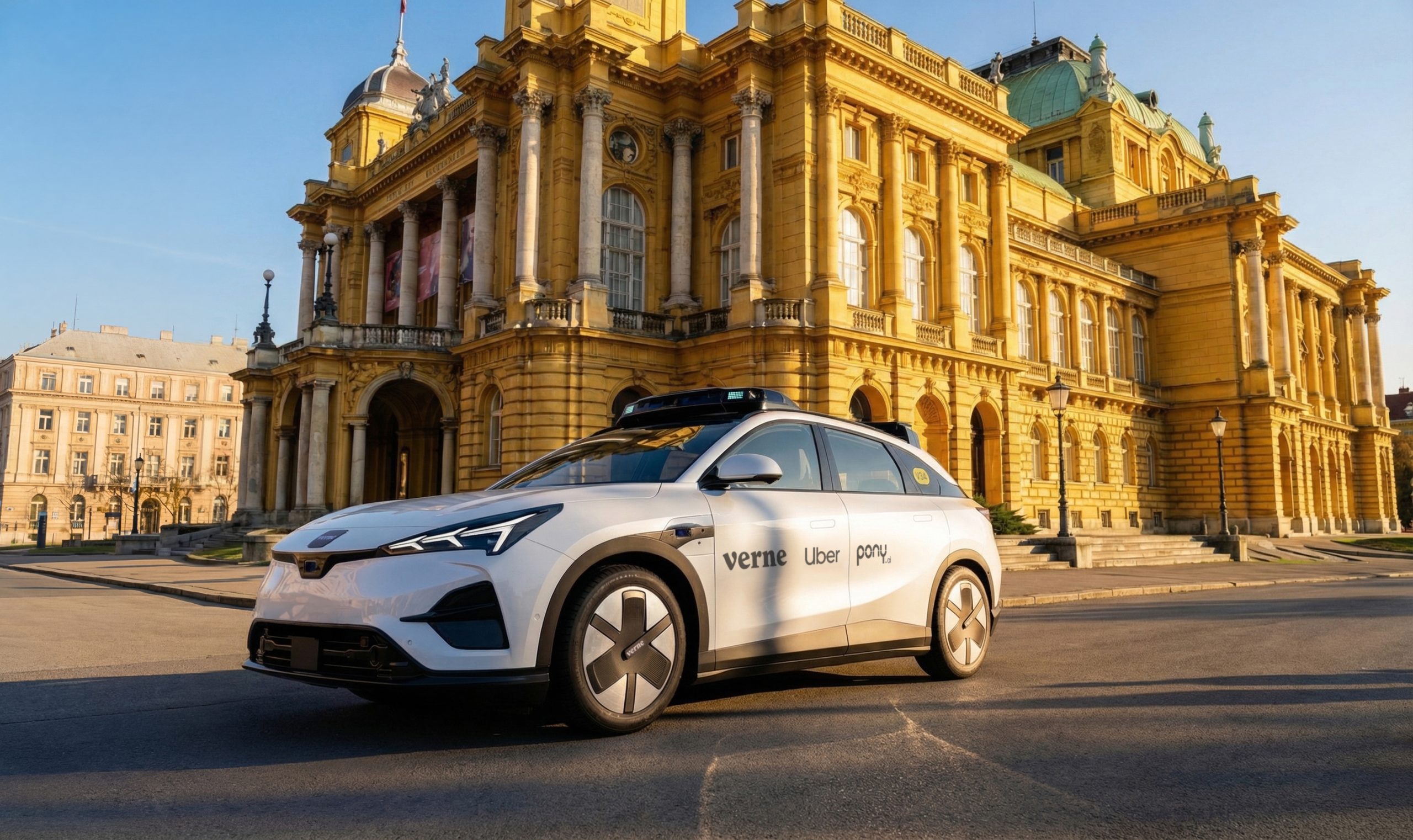
As the leading transportation company looks to bring robotaxis to other major cities around the UK, it has been confirmed that a trial of autonomous vehicles is now underway in Manchester – with the services being operated using the technology of Uber’s partner firms, Pony and Verne.
Uber said it was ‘excited’ to take this first step toward ‘making this technology accessible’ to people across the UK.
The three companies first collaborated on the deployment of a commercial robotaxi service back in March of this year, combining Pony.ai’s autonomous driving system, Uber’s global mobility platform, and Verne’s service ecosystem and operational framework.
At this time, there has been no official application to launch passenger services in Manchester, according to The Guardian.
However, posts on various social media platforms – such as X, LinkedIn, and Instagram – by each of the companies this week have confirmed that trials are underway in the city.
“New technologies play an increasingly important role in the growth of our city region,” TfGM said. “But they need to be introduced responsibly, safely and with real thought about what it means for our residents.
“Safety will always be our top priority, and we will need strong assurances that no vehicles will operate on our roads that pose any risk to residents.”
Manchester, we’re on our way! Today, we’re announcing that we’re partnering with @Verne_robotaxi and @PonyAI_tech to pilot autonomous vehicles in Manchester. Building on our service together in Zagreb, Gen-7 Robotaxis are now testing in Manchester.
We’re excited to take this first step toward making this technology accessible to people across the UK. 🇬🇧
“By bringing together Pony.ai’s proven autonomous driving technology, Verne’s operational and market expertise, and Uber’s global platform, we’re taking an important step toward making autonomous ride-hailing available to more riders in more places.”

 Emily Sergeant -
30th May 2025
Emily Sergeant -
30th May 2025