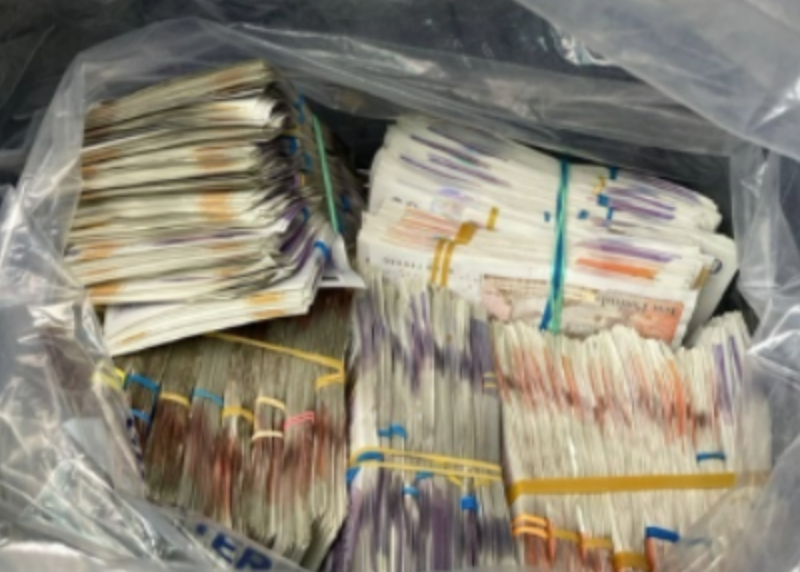
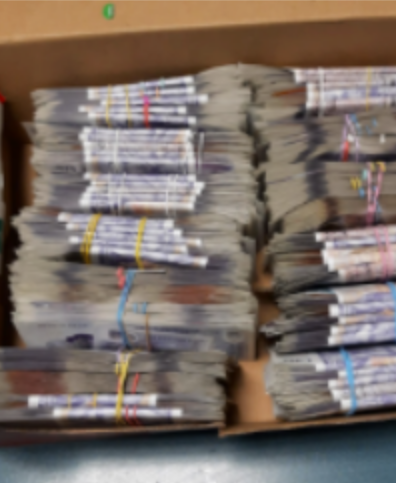
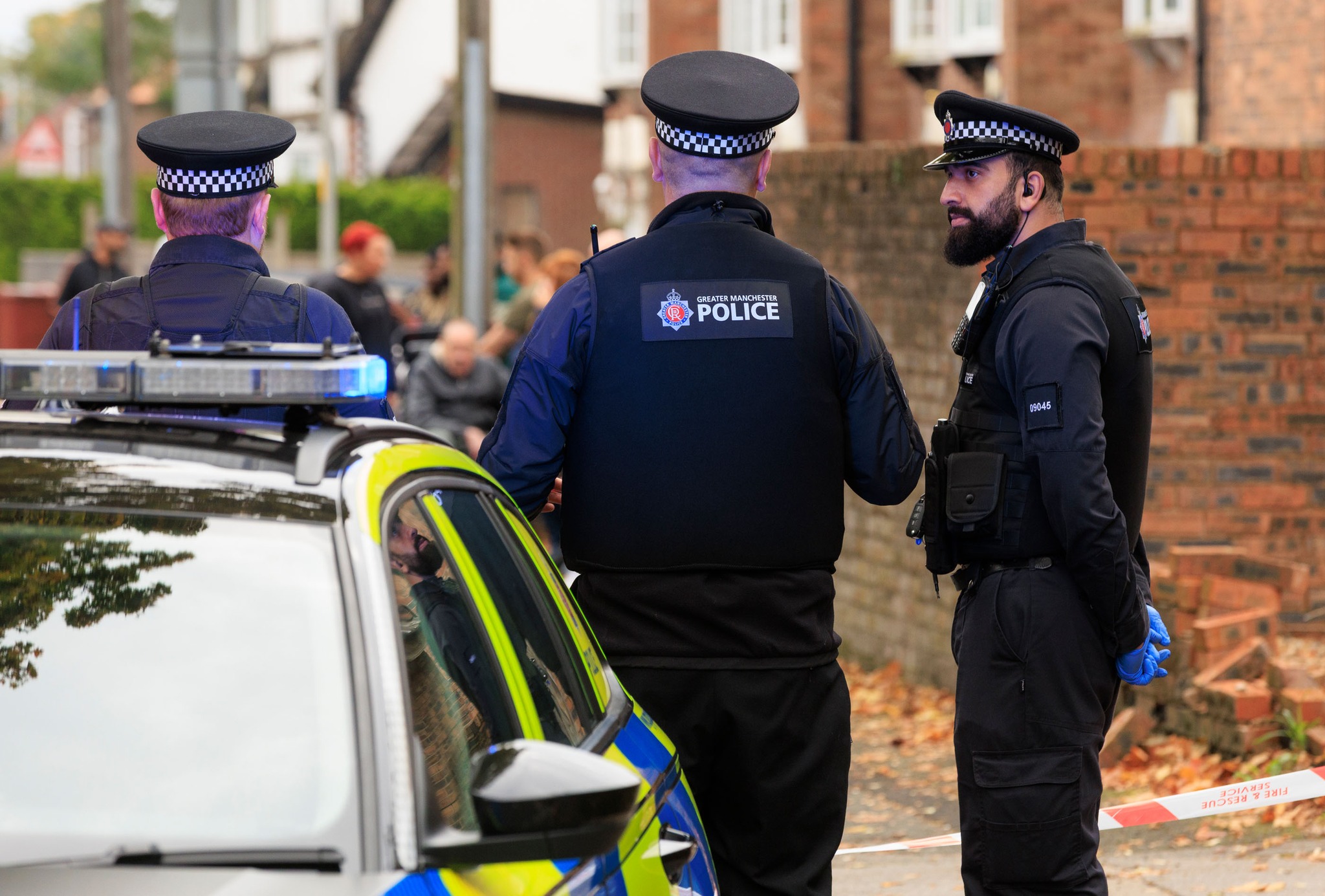
Greater Manchester Police (GMP) has revealed it’s invested millions of pounds seized from criminals back into communities across the region.
Over the past year, specialist investigators from GMP’s Economic Crime Unit have been recovering, confiscating, and forfeiting money from criminal operations to the nationwide Asset Recovery Incentivisation Scheme (ARIS).
And it’s now been revealed that a total of £15,751,210 in criminal finances has been invested back into communities across Greater Manchester through the scheme.
Non-profit organisations have been the biggest beneficiaries.
These local organisations – which are known to benefit a large number of people across the region – have been able to apply for a maximum of £20,000 to fund 12 months’ worth of activities that GMP says “pledges to support our objectives to fight, prevent, and reduce crime”, as well as keep people in the community safe and care for victims.
ADVERTISEMENT
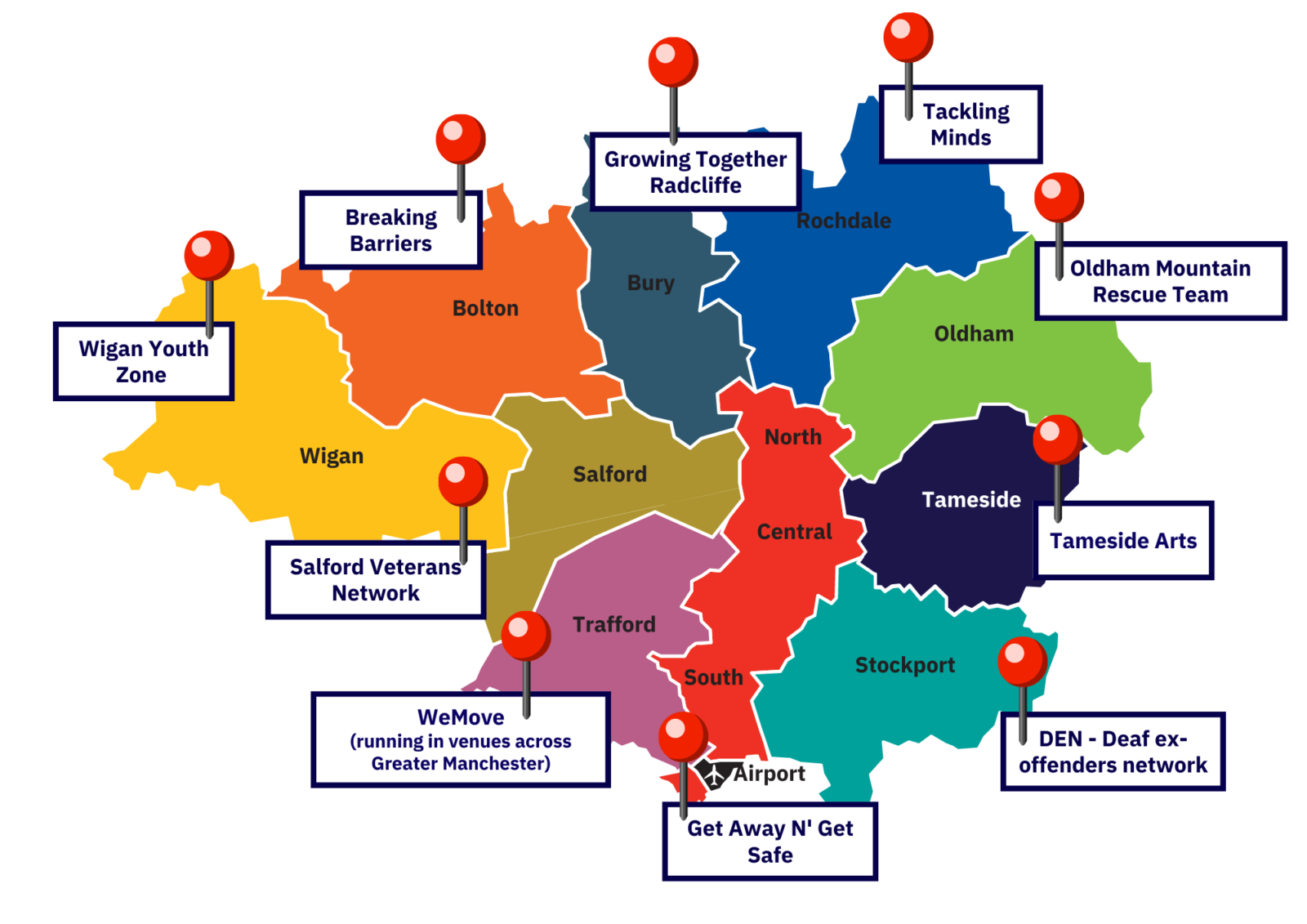
Just some examples of where the ARIS funding has gone over the past few years within Greater Manchester include organisations such as WeMove, Oldham Mountain Rescue Team, Get Away and Get Safe, and Deaf Ex-Offenders Network.
Breaking Barriers in Bolton, Rochdale-based organisation Tackling Minds, Tameside Arts, and Wigan Youth Zone are just a handful of other benefiting charities.
ADVERTISEMENT
Greater Manchester Police invests £15m seized criminal money ‘back into communities’ / Credit: GMP
“This is an excellent opportunity for the many projects which benefit Greater Manchester’s communities,” explained Detective Superintendent Joseph Harrop from GMP.
“The offenders who commit economic crimes often do so for their own financial gain.
“It is fitting that this money is now put to good use to benefit communities across Greater Manchester, as the money we recover is being used to help fight, prevent and reduce crime, keep people safe, and care for victims – which ultimately makes Greater Manchester a better place to live, work, and visit.”
ADVERTISEMENT
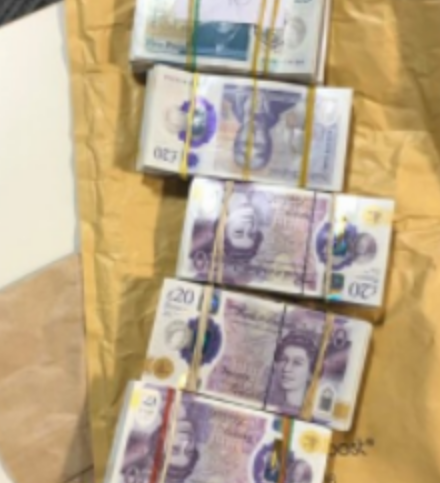
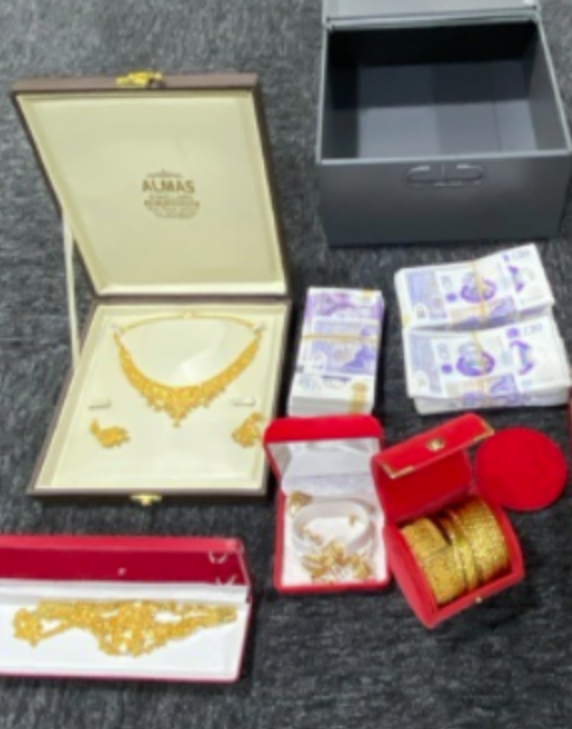
Non-profit organisations have been the biggest beneficiaries / Credit: GMP
Not only that, but also as part of ARIS – which is operated by the Home Office – some of the funds recovered will be returned to GMP to be “utilised in furthering asset recovery work”, as well as funding community initiatives and on policing operations.
It’s expected that before the end of 2023, a total of over £5.1 million will have been returned to GMP under the scheme.
Featured Image – GMP
News
Murder investigation launched and five people arrested after man dies in Salford
Emily Sergeant
A murder investigation has been launched after the death of a man in Salford this week.
Greater Manchester Police (GMP) explained that officers were called out to an address on Great Clowes Street in Salford at around 7:50pm on Tuesday evening (6 October), and when they arrived on the scene, a man in his 40s was found ‘unresponsive’.
Despite the best efforts of emergency services and all the medical professionals involved, the man sadly died a short time later.
The identity of the man has not been revealed as of yet.
Police have confirmed that five men, all aged between 24 and 35-years-old, have been arrested on suspicion of murder.
A public appeal for information has now been issued as the investigation into the circumstances surrounding this man’s death continues.
Detective Chief Inspector Ian Partington explained: “Our priority is to establish exactly what happened and we are keeping an open mind as we work to build a full picture of the events leading up to his death. A post-mortem is taking place to establish the cause of death, which will be an important part of our investigation.
“We understand that an incident of this nature will understandably cause concern within the local community but at this stage, we are confident that there isn’t any wider threat to the public.
“Officers will remain in the area while enquiries continue, and I would encourage anyone who has information, or who may have witnessed anything that could assist our investigation, to speak to officers or contact us.”
Can you help? Anyone with information should contact police on 101, use the LiveChat function on the GMP website, or contact Crimestoppers, anonymously, on 0800 555 111.
Featured Image – GMP
News
Police appeal launched as woman dies after being hit by lorry in Bury
Daisy Jackson
A woman has tragically died after being hit by a lorry in Bury yesterday afternoon.
At around 3.45pm on Tuesday 6 October, emergency services were called to a road traffic collision in Radcliffe.
The collision was between a pedestrian and a lorry on Church Street West.
Tragically, the pedestrian – a woman in her 50s – passed away at the scene despite the efforts of emergency services.
A large cordon was in place yesterday and road has remained closed this morning.
Officers from GMP’s Serious Collision Investigation Unit are now appealing for information.
They said: “At around 3.45pm yesterday (Tuesday 6 October 2026) we were called to reports of a road traffic collision between a pedestrian and a lorry on Church Street West, Radcliffe.
“Emergency services attended but sadly the pedestrian, a woman in her 50s, passed away at the scene.
“No arrests have been made and enquiries are ongoing.
“Anyone with information including CCTV, Ring doorbell or dashcam footage is asked to contact police on 101 quoting log 2299 of 06.10.26. Reports can also be made via our website of the LiveChat function at www.gmp.police.uk.
“Alternatively you can contact Crimestoppers anonymously on 0800 555 111.”

 Emily Sergeant -
4th May 2023
Emily Sergeant -
4th May 2023