The sentencing this week comes after Counter Terrorism Policing North West (CTPNW) launched a large-scale investigation to establish the full circumstances behind the attack.
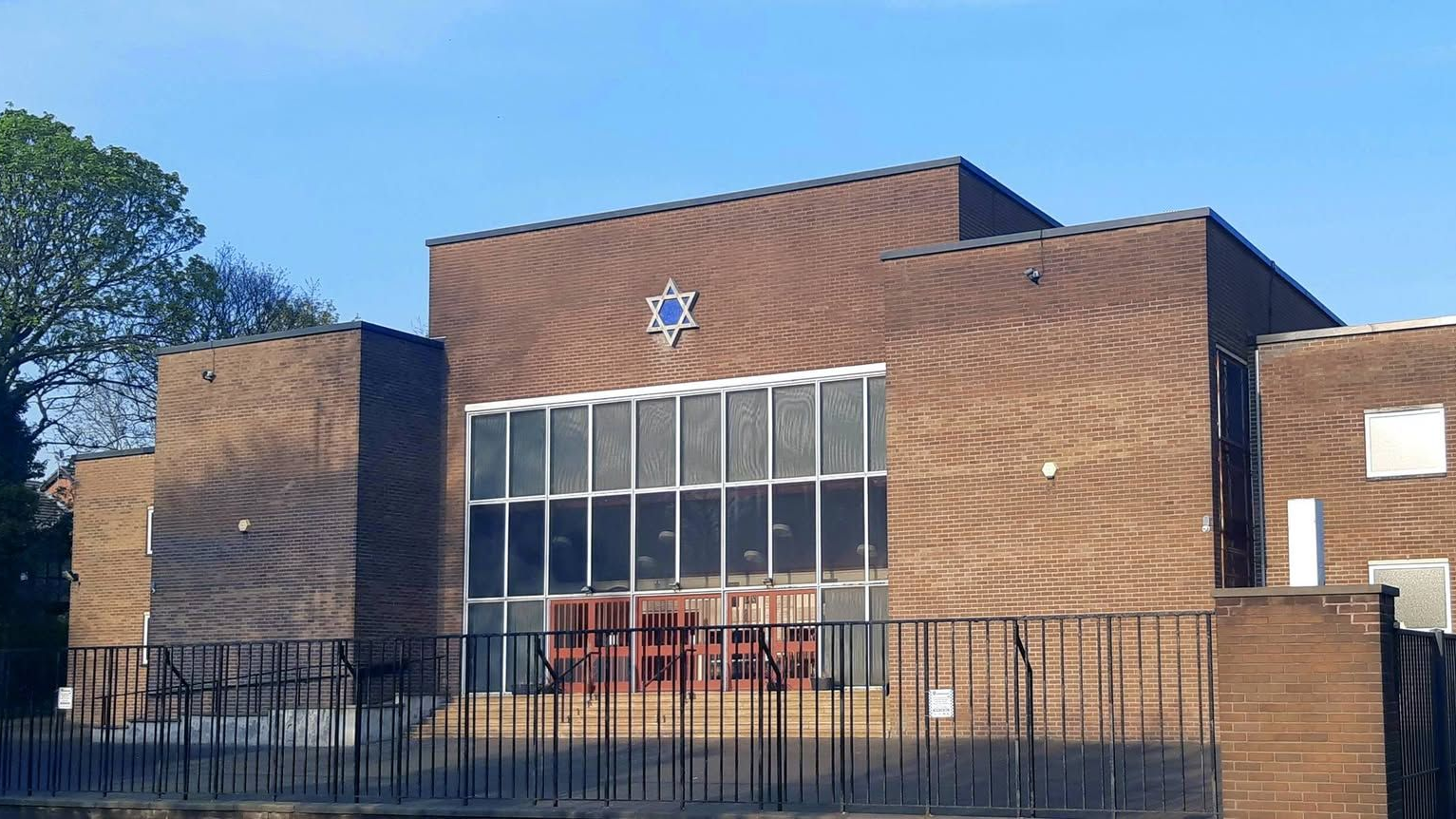
In case you need a reminder, the shocking knife and car attack took place on 2 October 2025 on Yom Kippur – the holiest day in the Jewish calendar – at the Heaton Park Hebrew Congregation Synagogue.
During the incident, two men sadly lost their lives during the attack – Adrian Daulby, 53, who was shot dead by Greater Manchester Police (GMP) while trying to stop the attacker from entering the synagogue, and Melvin Cravitz, 66, a worshipper who also helped stop the attacker.
ADVERTISEMENT
A man with links to the Manchester synagogue terrorist attacker has been jailed for life / Credit: Google Maps | GMP
The attacker was named as 35-year-old Jihad al Shamie – a 35-year-old British citizen of Syrian descent who lived in Prestwich – who at the time was on bail for an alleged rape, before being shot dead by police.
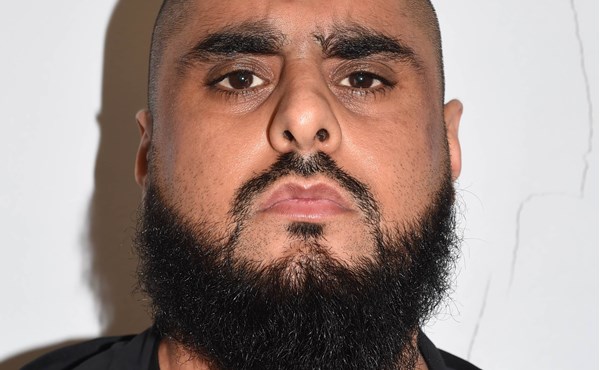
Following the terrorist attack, enquiries conducted by detectives identified Bashir as an associate of Jihad Al-Shamie, and established that the two of them had conducted ‘hostile reconnaissance of a UK defence facility’ on 14 August 2025.
ADVERTISEMENT
The pair were seen on CCTV prior to the trip discussing criteria for potential targets to attack.
They were then seen on ANPR cameras making the journey to the site – with Bashir acting as the driver for most of the journey.
He was sentenced after pleading guilty to ‘hostile reconnaissance of a UK defence facility’ / Credit: GMP
Phones belonging to the attacker were reviewed by CTPNW and identified Bashir as a ‘close associate’ who also held extremist views, as during WhatsApp conversations between the pair, they discussed preparing for ‘war’ and frequently made antisemitic remarks.
ADVERTISEMENT
Further enquiries established that both men had made a 10-hour round trip to conduct the aforementioned hostile reconnaissance of the UK Defence Academy in Shrivenham.
Bashir acted as driver for most of the journey and Al Shamie made notes regarding the security arrangements for the base on his phone.
Both men disposed of the phones they had used to conduct their research and make notes, however the investigation team successfully accessed cloud data for a number of mobile phones linked to Al Shamie – which revealed internet searches for weapons, potential target sites, and individuals with links to the Israeli military.
This, coupled with CCTV footage and audio showing them discussing plans for an attack, provided damning evidence against Bashir.
Bashir was therefore sentenced to life imprisonment, with a minimum term of 16 years and 135 days.
ADVERTISEMENT
“Bashir is now facing the consequences of his actions and I hope his sentence will act as a deterrent to anybody considering taking part in extremist activity,” concluded Assistant Chief Constable Rob Potts, who holds operational responsibility for Counter Terrorism Policing North West.
Featured Image – GMP
News
Details released of Andy Burnham’s meetings with Manchester City owners while Mayor
Emily Sergeant
Details of Andy Burnham’s meetings with Manchester City owners during his tenure as Mayor of Greater Manchester have been released.
In case you need bringing up to speed on the situation a little first, Manchester City was found guilty back in September all of its charges related to the Premier League’s financial rules over a nine-season period, and on top of that, was also found guilty of the majority of charges in relation to its failure to co-operate with the League’s investigation.
According to the Premier League, the independent Commission found that Manchester City had arranged so-called ‘sham’ commercial deals with a number of its sponsors.
These were part of a disguised funding scheme – with those sponsors only required to pay a portion of the relevant sponsorship fees.
The remainder was then funded by Abu Dhabi United Group Investment & Development Ltd (ADUG), which owned the club.
The Commission also concluded, as quoted by the Premier League, that the club had ‘made concerted efforts to stop and frustrate the Premier League investigation’.
Within the past week or so, it has since come to light that now-Prime Minister Andy Burnham had dealings with Manchester City during his tenure as Greater Manchester Mayor, and Greater Manchester Combined Authority (GMCA) has now issued a public statement, giving details on the matter and what these ‘dealings’ entailed.
A spokesperson for GMCA confirmed that Burnham had a ‘formal meeting’ with Man City Chairman, Khaldoon Al Mubarak, back in October 2021.
The statement reads in full: “In October 2021, Andy Burnham, in his role as Mayor of Greater Manchester, had a formal meeting with Khaldoon Al Mubarak at the UK Government’s Global Investment Summit arranged by the Department for International Trade.
“In his capacity as Mayor, he was a guest of Manchester City FC at home matches on a small number of occasions, including attending Vincent Kompany’s testimonial match in September 2019, where he met the Chairman informally in the stands. These have been declared in the usual way.
“Also during his time as Mayor, representatives of Greater Manchester sporting clubs would routinely join business delegations as part of Mayoral international visits.
“This included representatives from Manchester United travelling to Austin and Dublin, Lancashire Cricket Club joining a delegation to India, and Manchester City FC staff supporting visits to China and Japan.”
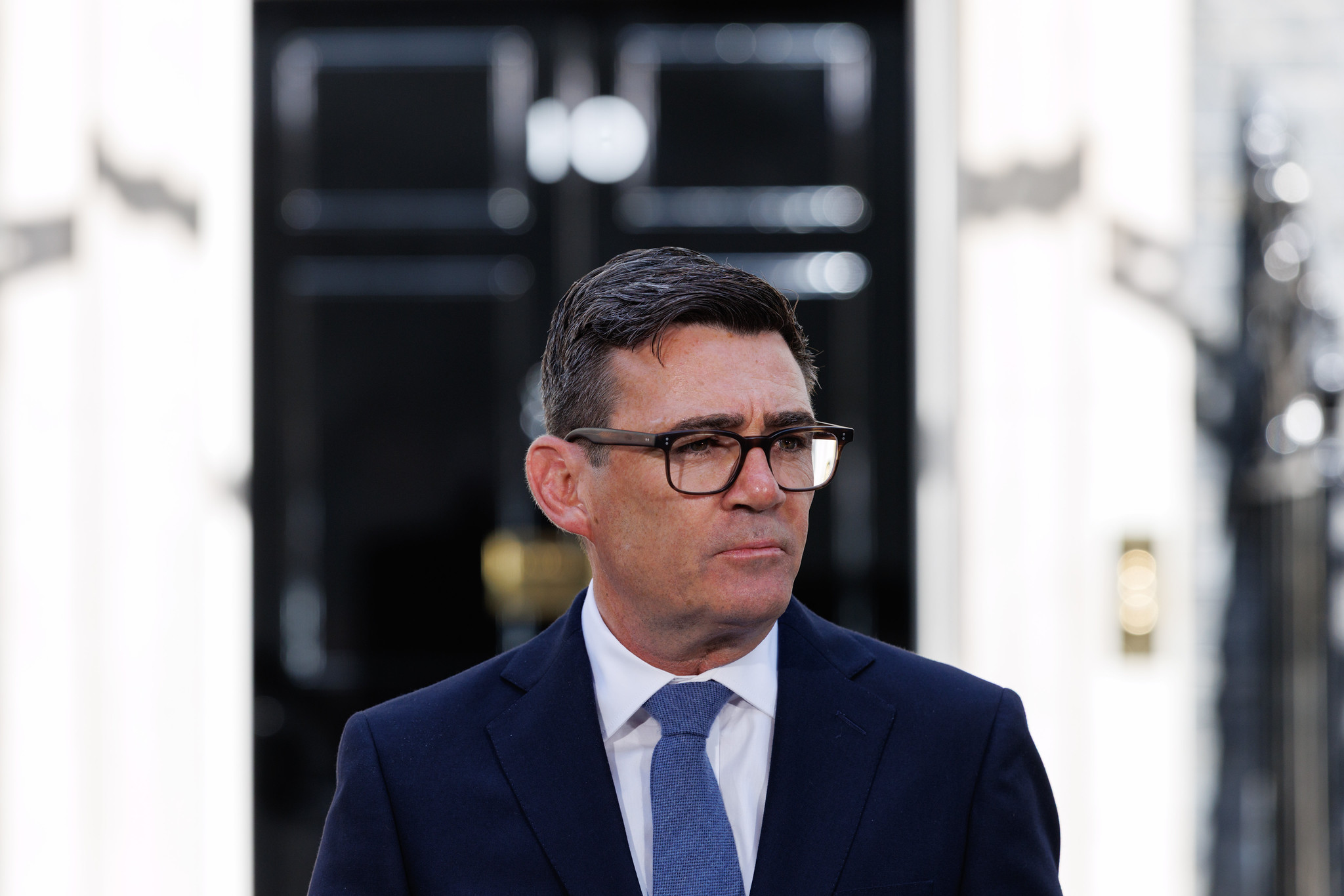
Featured Image – Lauren Hurley / Number 10 Downing Street (Press Image via Flickr)
News
Multiple arrests made for ‘tragedy chanting’ and police officer assault as Man City defeated Liverpool
Emily Sergeant
Multiple people were arrested over the weekend as Manchester City defeated Liverpool in a Premier League clash.
Merseyside Police have confirmed that a total of 10 people were arrested during the policing operation at Liverpool’s home ground of Anfield as they hosted Manchester City on Sunday 11 October.
One man was arrested on suspicion of assaulting a police constable, five were on suspicion of tragedy chanting, one on suspicion of being drunk and disorderly, two for affray, and one on suspicion of throwing items onto the pitch.
Police are now appealing to the public, and are particularly looking to speak to witnesses of the assault of the officer.
At around 6:35pm, as fans left the stadium, a police officer sustained a ‘serious facial injury’ during the arrest of a man on Anfield Road, and was subsequently taken to hospital for treatment but is now recovering at home.
Investigating officers are now conducting enquiries, speaking to witnesses, and analysing CCTV and camera phone footage.
Chief Inspector Leanne Hobin said it’s ‘extremely disappointing’ that an officer has sustained a serious injury while carrying out their duty.
“I hope the arrests send a clear message and act as a deterrent to others,” Chief Inspector Hobin continued. “Anyone who engages in this abhorrent behaviour risks ending up in custody and getting a criminal record.
“Despite the actions of a few, the overwhelming majority of the 60,000 fans in attendance behaved well and I want to thank them for their co-operation.”
Manchester City ended up defeated Liverpool 3-0 during the Premier League clash at Anfield.

 Emily Sergeant -
24th July 2026
Emily Sergeant -
24th July 2026