Manchester Museum has been shortlisted as one of the best museums in Europe at a special awards ceremony.
Undeniably one of the most prestigious museum awards in the world, the annual European Museum of the Year Award (EMYA) is an annual prize given to the best of the best on our continent, and for 2025, Manchester Museum – which is part of the University of Manchester (UoM) – will compete against 41 other cultural hubs.
Operated by the European Museum Forum (EMF), EMYA recognises new or redeveloped museums that showcase the best in excellence and innovation in their field.
According to the organisation, the aim of the award is to shine a worthy spotlight on museums that promote inter-cultural dialogue and community participation, demonstrate a commitment to sustainability, and show creative and imaginative approaches to the production of knowledge.
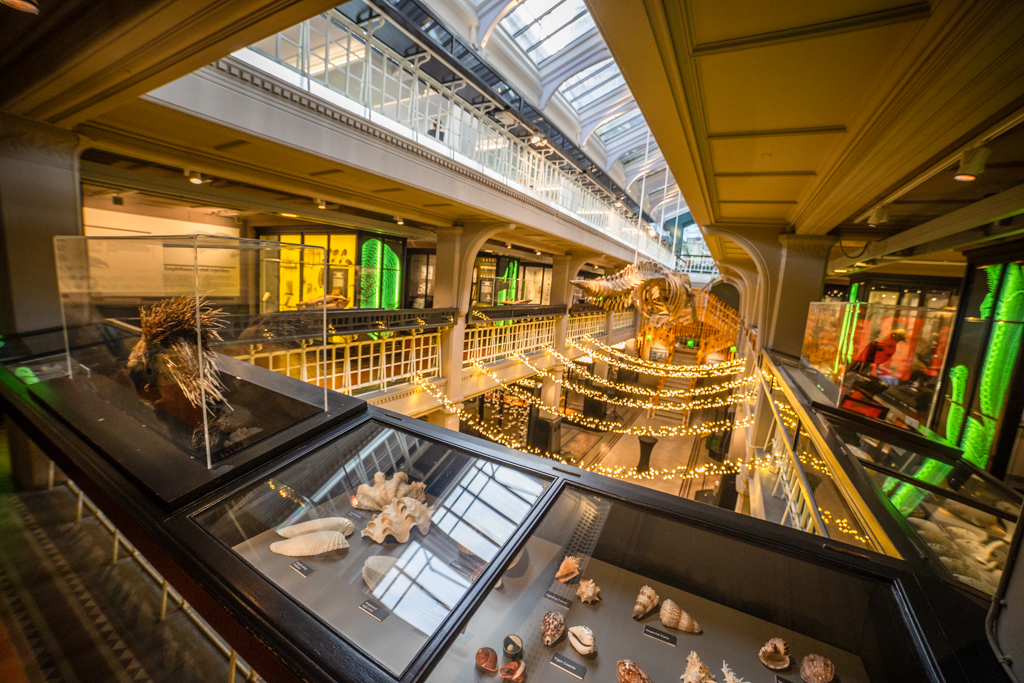
Manchester Museum has been shortlisted for the European Museum of the Year Award for 2025 / Credit: Manchester Museum
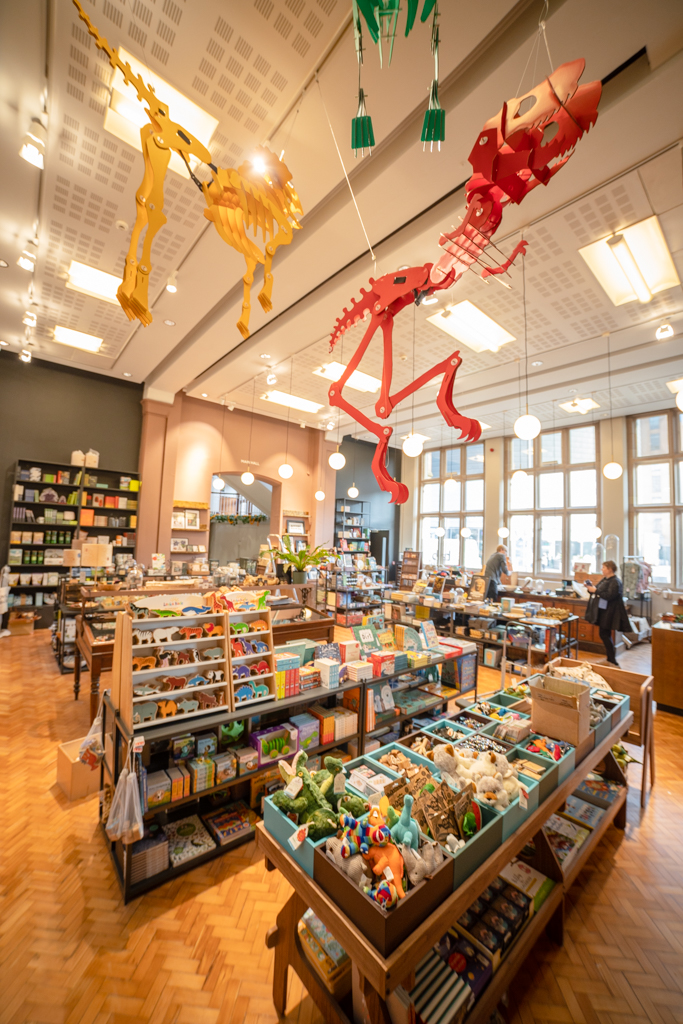
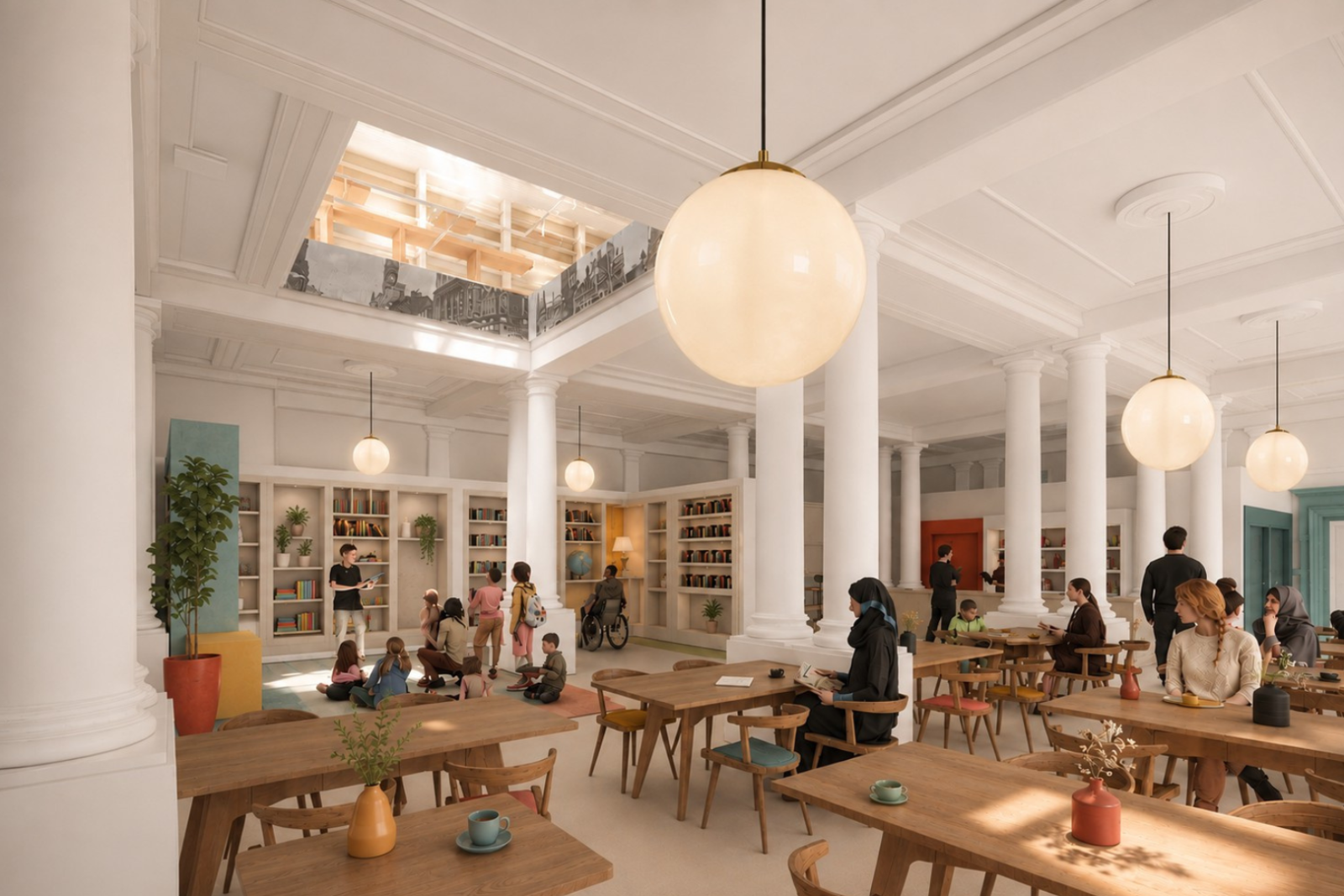
The nomination for Manchester Museum comes after its recent £15 million transformation project.
The major bricks and mortar redevelopment introduced new galleries, partnerships, visitor facilities, and sector-leading work around repatriation, restitution, and indigenisation to what was an already-important visitor attraction in our city centre, as well as the top floor being transformed into an environmental and social justice hub for environmental and educational charities to address issues affecting communities within Manchester.
“This nomination means an awful lot to the whole team at Manchester Museum, because it recognises our efforts to make this a place where everyone belongs,” explained Esme Ward, who is Manchester Museum’s Director.
“The Museum’s redevelopment was about much more than just bricks and mortar, it was about transforming our spaces and our approach to ensure we’re the museum our city and communities need us to be.”
The winner of next year’s EMYA is set to be announced in Białistok in Poland on 25 May 2025.
Aside from the main prize, there are also a number of other awards categories too – which Manchester Museum could also be in the running for.
Featured Image – Chris Bull (via Manchester Museum)

News
The Strokes announce first Manchester gig in two decades
Daisy Jackson
The Strokes are finally set to return to Manchester for the first time in years, announcing a huge arena show today.
The iconic indie rockers have shared details of a new European tour, which includes a night at the massive Co-op Live arena here in Manchester.
The news comes hot off the heels of their celebrated Coachella set over the weekend.
The Reality Awaits Tour, named after their upcoming seventh studio album, will take The Strokes to Manchester as well as London and Newcastle, plus several cities across Europe.
The Strokes broke into the industry back in 2001 with their seminal debut album Is This It, which spawned massive indie anthems like Last Nite, Hard To Explain, and Sometimes.
Since then, they’ve released six studio albums, all of which have climbed into the top 10 of the UK Albums Chart.
You can expect to hear all sorts of fan favourites, like Reptilia, Juicebox, and You Only Live Once, plus new music including their latest single The New Abnormal.
Co-op Live said: “This is set to be an unmissable show as they come to Co-op Live for the first time and we can’t wait!”
Last time The Strokes played in Manchester, it was at the O2 Apollo way back in 2006 – the same year they supported Foo Fighters at Emirates Old Trafford Cricket Ground.
They played Lytham Festival more recently, but haven’t ventured back into Manchester itself since.
The Strokes will play at Co-op Live in Manchester on 26 October 2026.
Tickets will go on sale at 10am on Friday 17 April HERE, with a number of pre-sales beginning from Wednesday 15 April.
Manchester Museum to close much-loved section for ‘major’ £200k redevelopment
Emily Sergeant
Manchester Museum has announced that it’s planning to close of its best-loved exhibitions.
Thanks to a grant of £200,000 from the Department of Culture, Media and Sport’s (DCMS) Museums and Galleries Improvement Fund, Manchester Museum is planning a major redevelopment of its much-loved Vivarium.
The Vivarium has sat at the heart of Manchester Museum for more than 60 years, and is a centre for globally-significant conservation projects, caring for around 30 different amphibian and reptile species – many of which are critically endangered – in a bid to inspire generations of visitors.
Thanks to a pioneering partnership with Panama Wildlife Conservation Charity, which is just one of many projects designed to safeguard the future of endangered species and develop learning programmes that raise awareness of threats to biodiversity, Manchester Museum houses the world’s only captive ‘back-up’ population – which is why the redevelopment of the Vivarium is so important.
The funding grant will help to ‘revitalise’ public displays, and create new state-of-the art facilities and bespoke naturalistic environments for the amphibian and reptile species cared for by the Vivarium.
It will also allow the development of dedicated facilities for schools, teaching, and visiting tour groups, which the Museum hopes will ‘further enhance’ the gallery’s potential for learning.
During the redevelopment – which has been named the ‘Habitats of Hope’ project – new permanent displays will also be created that explore the connections between its wider collections and the animals it cares for.
Manchester Museum is set to close one of its much-loved sections for ‘major’ £200k redevelopment / Credit: Supplied
“Habitats of Hope speaks to how wonderful and how vulnerable the world’s rarest amphibians are” commented Georgina Young, who is the Head of Collections and Exhibitions at Manchester Museum.
“Major investment means Manchester Museum can match the highest standards of animal care with a more accessible visitor experience, while weaving stories of research, conservation, partnership and action that stretch from thriving ponds in Manchester to hyper-biodiverse ecosystems in Costa Rica and Panama.”