Manchester’s new so-called ‘tourist tax’ has raised nearly £3 million during its first year, it has been revealed.
In case you weren’t aware, on 1 April 2023, after widespread rumours and following a vote in favour of the new initiative back in autumn 2022, a ‘City Visitor Charge’ was officially introduced here in Manchester, and it means that anyone visiting has to pay to stay in the majority of the city’s accommodation facilities.
The City Visitor Charge is a supplementary £1 charge per room/unit per night for guests, and it’s added to the final accommodation bill.
The charge is currently being collected from 73 hotels and serviced apartments that fall within the Manchester ABID Zone.
The Manchester ABID Zone was established as the Manchester Accommodation Business Improvement District (BID) began its operations on the same date as the introduction of the City Visitor Charge last year, and it’s the first initiative of its kind in the UK.
ADVERTISEMENT
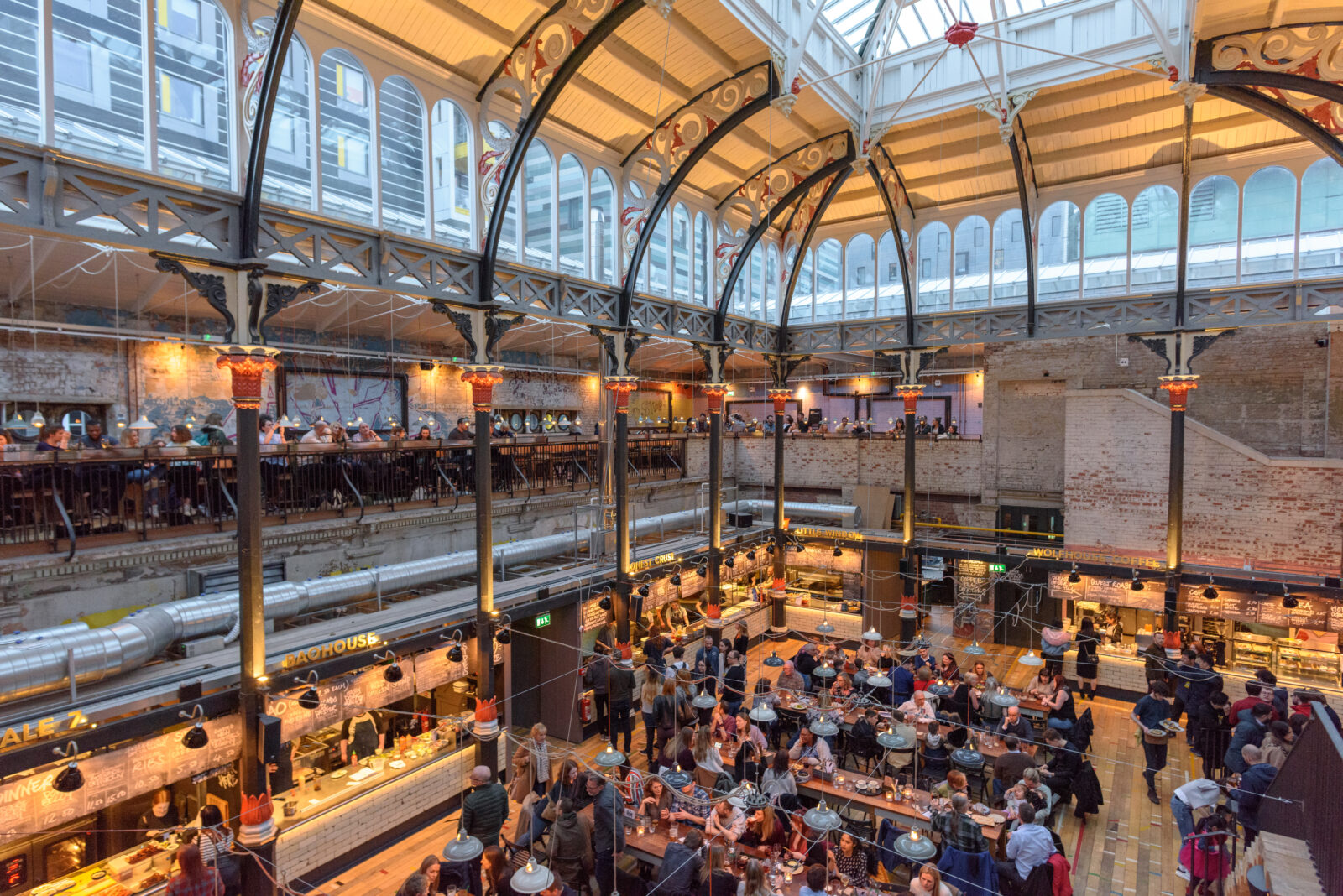
Manchester’s new ‘tourist tax’ has raised nearly £3 million in its first year / Credit: Marketing Manchester | Kimpton Clocktower Hotel
The pioneering initiative – which is led by Manchester’s hotel and serviced apartment providers – was formed as part of a push to keep occupancy rates high in the city amid fears that visitor numbers were not keeping pace with new developments, as more and more tourist hotels and apartments are built across the region.
Manchester ABID’s main aim is to “deliver better visitor experiences” and drive more staying visitors to the city centre.
ADVERTISEMENT
When the City Visitor Charge was introduced, Manchester ABID said it would use the funds raised to carry out a number of measures in the city that will ultimately contribute to driving tourists and overnight stays – including marketing campaigns, securing large-scale events, conferences, and festivals in low-season months, and improving overall street cleanliness.
And it sounds like that’s exactly what the almost £2.8 million raised from the Charge within its first year has gone towards.

Funds from the Charge have so far been spent on street cleaning, marketing campaigns, and more / Credit: Manchester City Council
Kumar Mishra, who is the chairman of Manchester Accommodation BID, said the raised from the Charge within its first year has funded a campaign to boost stays during “traditionally lower occupancy months”.
Mr Mishra said “big plans” were emerging within the next year to make sure the city centre is even more attractive to visitors.
Featured Image – Marketing Manchester

News
Government launches £442m drive to get rough sleepers off streets before Christmas
Emily Sergeant
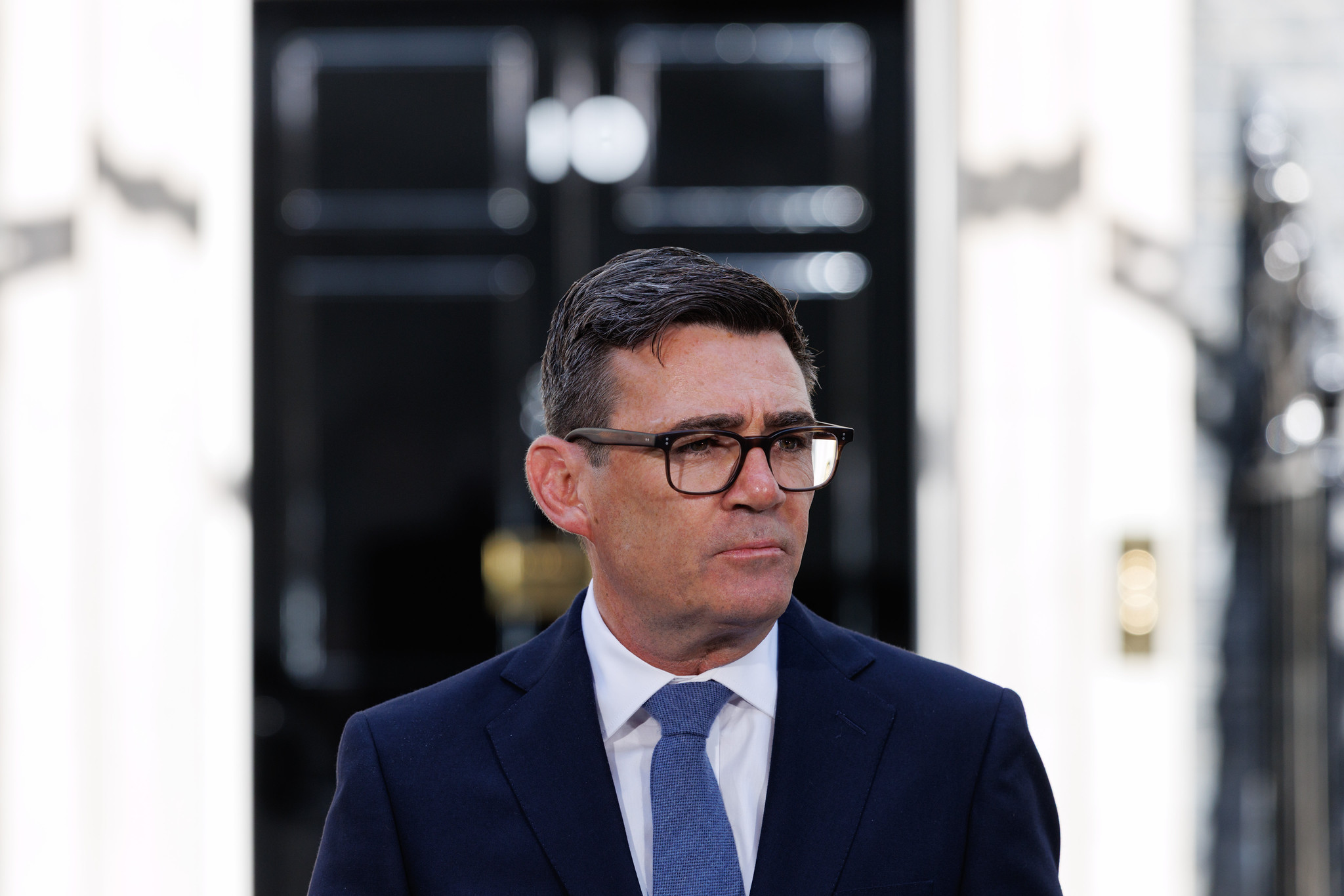
Prime Minister Andy Burnham has launched a £442m drive to get rough sleepers off the streets before Christmas.
Learning from ‘innovative’ approaches put into place during the pandemic, the Government has announced that new accommodation will be rolled out across England this winter, as well as offering practical help with housing, health, and other needs to support people to build a more stable life for themselves in the future.
The new commitment to offer everyone a route off the streets this Christmas, along with boosted funding, reflect the Andy Burnham‘s national drive to make ‘real change’ and get everyone playing their part in ending rough sleeping.
Not only will these plans change the lives of rough sleepers, but it’s also said they will have huge benefits for the country as a whole.
Research from homelessness charity Crisis suggests that by preventing 40,000 people from becoming homeless for a year, taxpayers could save around £370 million.
The Government has launched a £442m drive to get rough sleepers off the streets before Christmas / Credit: Number 10 Press Office | Jon Tyson (via Unsplash)
As well provisions to get people off the streets, and the intensive ‘wraparound’ support, the newly allocated funding will also help local areas deliver more than 1,000 ‘settled’ homes over the next three years, it has been confirmed.
Areas facing the greatest pressures will receive the largest share of support.
Working alongside councils, Mayors will play a leading role in driving local action to end rough sleeping, and will be tasked with making decisions that are right for their communities to deliver help where it’s needed most.
The Prime Minister says he ‘won’t accept’ rough sleeping any longer. He commented: “No one should have to bed down in a doorway or outside a station, but we’ve seen it for so long that it feels like Westminster has started to accept it.
“That’s why my first instruction as Prime Minister was to end rough sleeping, and it’s why today we’re getting started with a national drive to get everyone in for Christmas. We did it in the pandemic, we can do it again. But it needs all of us.
“Government will put the money in, but I’m asking leaders in communities and sectors across society to play their part locally too.
“Let’s get people out the cold, and let’s bring back hope.”
Featured Image – Gary Knight (via Flickr)
News
Trainline and Virgin Atlantic among companies being investigated for ‘misleading’ pricing
Emily Sergeant
A number of companies are currently under investigation for ‘misleading’ pricing practices.
The Competition and Markets Authority (CMA) has launched three new consumer protection investigations into Trainline, Virgin Atlantic, and RED Driving School over concerns that customers were not shown the total price upfront when buying things like train and coach tickets, holidays, or even driving lessons.
The investigations are part of a wider CMA clampdown on misleading pricing practices – in this instance, where mandatory charges are separated from the headline price, or added later in the buying process, which is known as drip pricing.
These practices leave consumers facing ‘unexpected’ costs or having to calculate the so-called true cost themselves.
Such practices can also impact competition between businesses, as a firm using drip pricing may falsely appear to be cheaper than a competitor pricing correctly, and therefore attract more customers.
Trainline and Virgin Atlantic are among the companies being investigated for ‘misleading’ pricing / Credit: Northern | Aric Cheng (via Unsplash)
Trainline is being investigated over whether all mandatory fees have been included in the upfront prices displayed to consumers buying tickets in advance on its app and website, while Virgin Atlantic’s investigation will focus on whether mandatory resort fees and local taxes have been included in the upfront prices shown to customers buying package holidays.
RED Driving School is being investigated over how a mandatory booking fee and ‘digital’ fee have been displayed to people booking driving lessons – specifically whether these fees have been included in the total upfront price.
“At a time when many households are watching every pound they spend, it is important that people are not surprised by extra fees,” commented Emma Cochrane, who is the Executive Director for Consumer Protection at the CMA.
“Clear pricing helps people compare offers confidently and choose the option that works best for them.
“Unexpected mandatory charges make this much harder, which is why the CMA initially put these firms on notice over concerns about their pricing practices and is now opening formal investigations.”
The CMA says it’s at the beginning of its investigations and has reached no conclusions about whether these firms have broken the law.
If it finds there has been an infringement of the law, the CMA can order businesses to pay compensation to affected customers or be charged up to 10% of global turnover.