Mick Hucknall has called out Prime Minister Rishi Sunak and the Conservative Party over environmental policy which has seen a river declared “ecologically dead” as a result of dumping sewage into UK waters.
The River Lim in Dorset has been described as essentially dead by locals and conservationists after reports of a thick “layer of brown sludge” and tests by the likes of the River Trust found “shocking” levels of E.coli, with a freshwater ecologist confirming that it now contains “barely any” invertebrates.
As per The Times, the bottom of the food chain has effectively been cut off meaning that larger species will simply be unable to survive along the waterway, with yellow warning signs now put up warning the public to keep of out the water which is now full of human waste for the nearby SWW treatment centre.
With environmental activist group Greenpeace reacting to the grim news, adding that the levels of sewage flowing into River Lim have tripled in 2022 compared to the previous year, many online have been deeply troubled by the information — one of those being Mick Hucknall. He only had this to say:
Mick Hucknall not wasting a syllable in telling Rishi Sunak what he thinks of him and the ‘Tory Sewage Party‘
The Manchester-born musician and Simply Red frontman summed up his thoughts rather succinctly, holding Rishi Sunak and the Conservatives responsible for the deeply concerning increase in sewage dumping throughout Britain’s various seas, rivers, canals and other bodies of water.
In the instance of the Lim, sewage was dumped into the river for more than 2,200 hours last year alone and the levels at which waste, treated or not, is seeping into British waterways are getting increasingly worse year on year. It is estimated that since 2016, sewage has been discharged every two-and-a-half minutes, with 1,276 years’ worth of raw waste dumped into our waters over the last seven years. Awful.
ADVERTISEMENT
Quoting Environment Agency figures, research by the University of Manchester revealed that “sewage pollution incidents – many of which were legal – have increased 29-fold over five years and countless urban rivers are now effectively extensions of the sewerage network.” Moreover, there seems to be little interest in combatting pollution as water companies are simply making too much money from it.
In the grand scheme of things, it is now said that only 14% of rivers in England have “good” ecological status and this figure is expected to fall to just 6% by 2027.
While Labour are still pushing for a Water Quality Bill to put an end to the rampant sewage dumping once and for all, Tories voted against it, with current Environment Secretary Therese Coffey calling the motion “pointless” and “ill-considered”, insisting that the part has a “credible plan” to tackle pollution.
ADVERTISEMENT
Nevertheless, the ‘Tory Sewage Scandal’ is not going ignored and many have been campaigning for proper accountability for years now. When Liz Truss was the minister in charge, she oversaw £235 million incuts to environmental funding and in 2021, levels rose to their worst since 2013. She went on to become Prime Minister…
The most concerning part is that this doesn’t just stop with the Lim and Dorset: given the excessive levels of sewage being dumped into rivers all around the UK, it won’t be long before more fall victim to a growing ecological crisis.
Featured Image — Simply Red (via Instagram)/Greenpeace UK/Wikimedia Commons
News
Andy Burnham announces five more ‘everyday fixes’ to make life easier for Brits ahead of Budget
Emily Sergeant
Ahead of the Autumn Budget, five more ‘everyday fixes’ have been announced in a bid to make life easier for millions of Brits.
Since becoming Prime Minister this summer, Andy Burnham has been rolling out a series of what he’s dubbed ‘everyday fixes’ as the cost of living crisis continues to make itself known nationwide – and now, with the Autumn Budget coming up today (28 October 2026), he has announced five more of these measures.
Unveiled by the Chancellor, the ‘fixes’ will support people with the cost of food, fuel, and family life, all to provide breathing space for households.
The package will tackle costs people face every day – from doing the weekly shop, to supporting people who rely on their cars for work, while extending support to new parents, and fixing an ‘unfair cliff edge’ that can penalise unpaid carers for earning more.
So, what are these ‘everyday fixes’ then? Here’s everything you need to know.
First up, it has been announced that the Government will be making higher tax-free mileage rates permanent, increasing support for millions of nurses, care workers, self employed builders, and others who drive for work along the way.
They will also be extending parental pay to more than 150,000 additional parents per year, including self-employed dads and partners who have previously missed out, which will give those eligible two weeks of support (currently worth up to £194 a week) so they can spend more time with their child.
The so-called Carer’s Allowance ‘cliff edge’ will also be coming to an end, so unpaid carers no longer lose their entire allowance simply for earning a penny over the Weekly Earnings Limit.
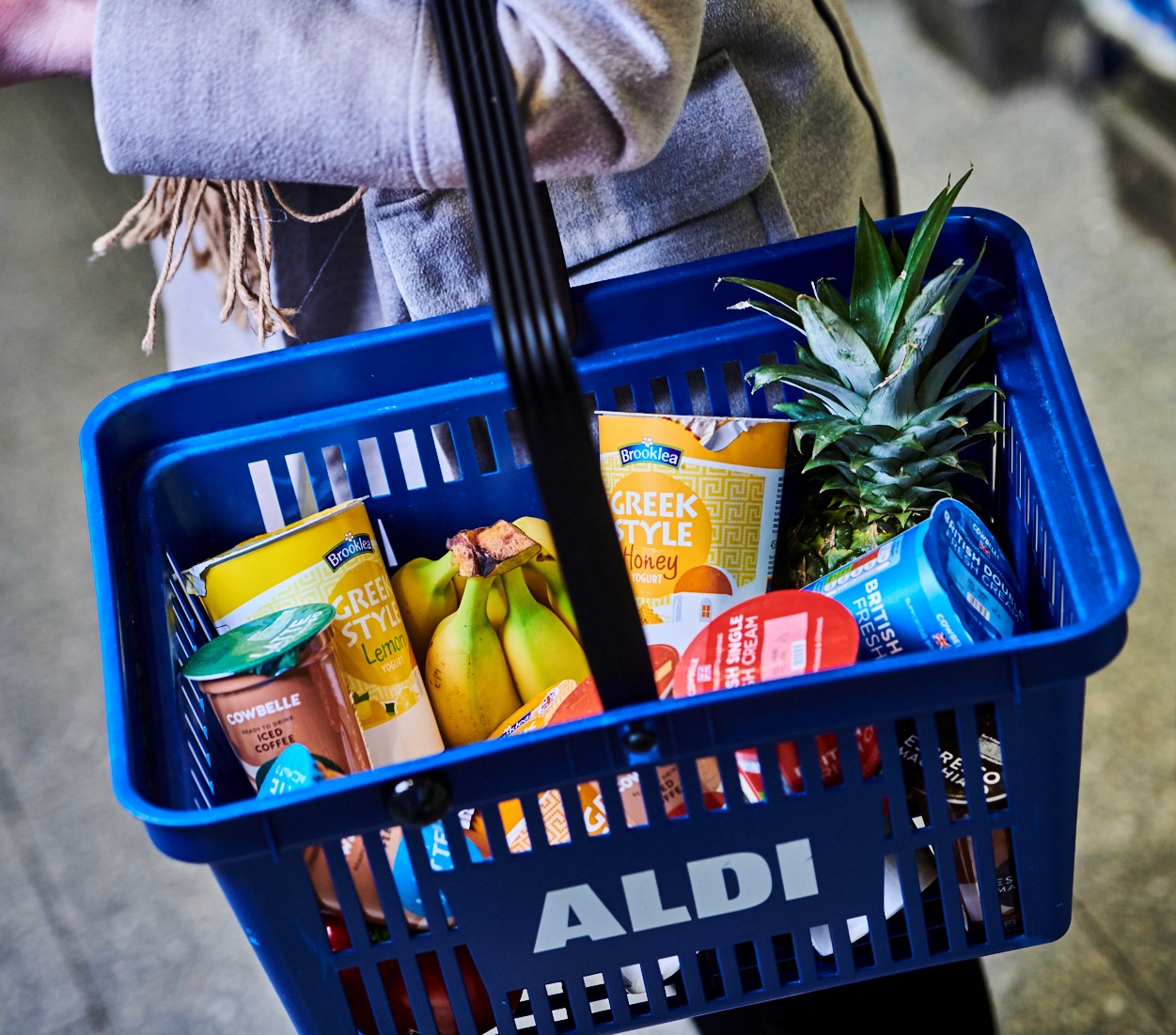
Andy Burnham has announced five more ‘everyday fixes’ to make life easier for Brits / Credit: Number 10 Downing Street | Aldi
Import tariffs will be removed on more than 100 products – including baked beans, chocolate, and gherkins – which, together with the tariff suspensions already introduced, means households could save up to £21 on their food shop each year.
And finally, hundreds more Post Office drop boxes are set to be rolled out in a bid to make it ‘easier’ and ‘more convenient’ for people to send and return parcels without having to queue at a Post Office counter.
“We are taking on the big challenges facing the country,” explained Prime Minister Andy Burnham, in a statement ahead of the Budget. “But that doesn’t mean losing sight of the everyday problems that cost people money or simply aren’t fair.
“And at Wednesday’s Budget, we’ll go further to give families and businesses the breathing space they need today, while we build a stronger economy, transform our country and bring down cost for people long-term.”
Featured Image – Aldi
News
Met Office gives verdict on how Storm Boelo aftermath will affect Greater Manchester this week
Emily Sergeant
Storm Boelo is finally on his way out, and now the Met Office has given its verdict on what we can expect from the rest of the week.
In the aftermath of two successive storms, Storm Austen followed by Storm Boelo – the latter of which affected Greater Manchester – the UK is now able to begin recovering from the effects of the adverse weather.
But the Met Office has warned that, although there is no named storm, strong winds and heavy rain will continue to affect parts of the UK early this week, before high pressure brings calmer conditions.
Yellow national severe weather warnings are in place for parts of Scotland and western areas of the UK today (Tuesday 27 October), including areas of the North West, as gales and spells of rain bring the potential for ongoing disruption around the region, particularly on exposed coasts and higher ground.
“The continued winds could hamper recovery efforts in some places,” forecasters also unfortunately confirmed.
⚠️ Strong winds and heavy rain continue across parts of the UK early this week with a yellow weather warning in place, before high pressure brings calmer conditions for many from Wednesday ⛅
Read our news release to find out more 👇
https://t.co/EQU4vvaA3B https://t.co/hpvTd8v7EZ
As rest of the week pans out though, conditions will begin to settle down and showers are expected to become ‘less frequent’, while winds also ease for most, although gales could continue for a time in the far north.
Thursday is expected be ‘largely dry’ with lighter winds and variable cloud, with a touch of mist and fog likely across parts of England and Wales during the morning.
From Friday and into the weekend, light rain will team up to potentially affect northwestern areas of England, but for the most part, temperatures are expected to remain close to, or slightly above, average for the time of year.
“From Wednesday, high pressure will start to build which will ease the winds and bring a quieter and largely drier end to the week for many, although some rain is still possible in the North and West,” explained Met Office Deputy Chief Forecaster, Steven Keates.
“However, with wind warnings in place, those in warnings areas, particularly in northern Scotland and western high ground, continue to be exposed to strong winds and heavy rain before the more settled weather arrives.”

 Danny Jones -
12th May 2023