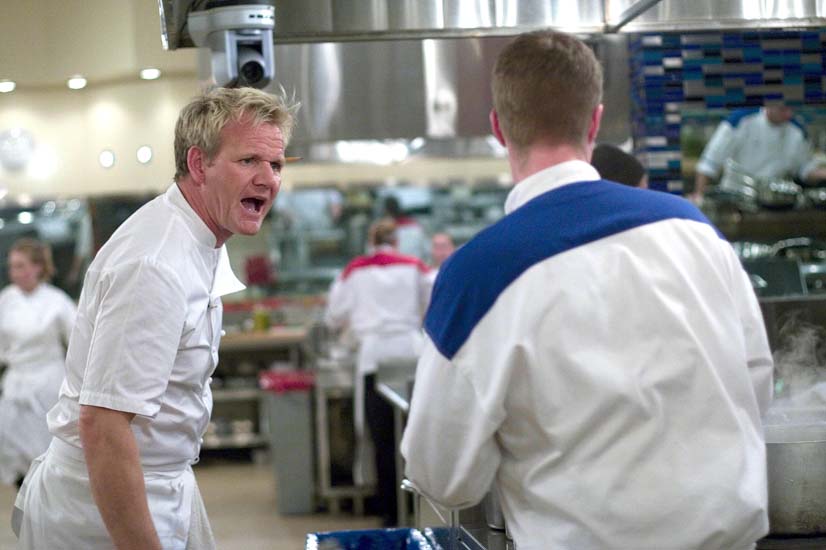
Gordon Ramsay has caused a bit of a stir in the restaurant world this week after mercilessly commenting that the Covid-19 pandemic has wiped the slate clean of ‘c*ap’ restaurants.
Acknowledging that the past few years have been ‘devastating’ for the industry, he countered this by arguing that the upside to all the closures means that ‘the c*ap’s gone’ at least.
Throwing shade at some of the big chain restaurants that have dominated UK high streets for years, he said that the pandemic had forced ‘sh*thole ‘restaurants out of ‘prime positions’ and that the past two years had ‘wiped the arrogance out of the industry’.
Asked if trade was now returning, Ramsay said: “The business was on its arse, but it’s getting better … It’s been devastating the last two years. Landlords don’t say, ‘Take a holiday for two years’. But I think what has been evident for all of us is the crap’s gone.”
When pressed to say whether he was referring to any particular chains, the chef replied: “Well, just shitholes in a prime position and taking advantage because they’re in a great location, and they’ve got the footfall. But now we’ve wiped the slate clean, which is good.”
The celebrity chef made the comments during a Radio Times interview with the former shadow chancellor Ed Balls, whilst promoting his upcoming TV show, Gordon Ramsay’s Future Food Stars.
Pointing to the ways that consumers had educated themselves on food during the lockdown, such as learning to make their own sourdough, the TV personality said the restaurant industry had been forced to raise its game.
ADVERTISEMENT
“Customers have got so much smarter in the last two years,” he told Balls.
“They know a lot more about food than they ever have done and have been making their own sourdough, so it’s taught everyone [in the restaurant industry] to raise their game … It’s wiped the arrogance from the industry.”
When it comes to the number of hospitality closures witnessed in the past few years, the impact has certainly been felt here in Manchester – which has seen a number of high-profile venues permanently shut their doors.
In the past two and a bit years, our city has lost a host of beloved independent businesses such as Spanish restaurant Iberica, Belgian beer cafe Bock Biere, and the subterranean, late-night NQ coffee shop Nexus Art Cafe.
Meanwhile, hundreds of restaurant chains up and down the country have closed branches for good.
These include Wahaca, Carluccio’s, Byron Burger, Ask, Zizzi, Bella Italia, Café Rouge, Frankie & Benny’s, Chiquitos, Gourmet Burger Kitchen and Pizza Express, with a number of closures being felt here in Greater Manchester.
10 of the best new restaurants, bars and cafes to open in Greater Manchester recently
Clementine Hall
Manchester has welcomed a whole host of new places to eat and drink over the past couple of months – and there’s a LOT to be excited about.
It’s fair to say we all love our food, and here at The Manc, we certainly love writing about it.
So, allow us to indulge as we take you through some of our favourite new openings to have landed across Greater Manchester recently.
From a Latin BBQ restaurant making a splash in the Northern Quarter to a humble Vietnamese sandwich shop turning heads over in Didsbury, there’s been plenty to get excited about.
But consider this your warning: reading on may cause extreme hunger…
Kickback Coffee
11 Portland Street, M1 3HU
Images: The Manc Group
Kickback Coffee is the latest trader to open on bustling Portland Street, serving up flat whites, long blacks and iced drinks aplenty.
With their roastery hub based in Cheshire, this independent business puts their love of coffee at the forefront. If you’re looking for a really quality coffee, then this is your next stop.
Sandy’s Smoke Shed
Arch 121 Woollam Pl, Manchester M3 4JJ
Images: The Manc Group
Sandy’s Smokeshed has just opened in Castlefield, where Sam – and his smoker, Angela – are serving up serious Texas-style BBQ, with queues already stretching out the door.
The idea is simple: take great cuts of meat, cover them generously in seasoning, put them in the smoker and give them all the time they need.
Think eight-hour smoked beef chuck, brisket, short ribs, chicken and stellar sides.
Say hello to Sister Moon, a beautiful new restaurant bringing a taste of Southeast Asia to the city centre and the latest addition to Manchester’s Treehouse Hotel.
Here, all the dishes are cooked on open fire, including dishes like the fried pork skewers with banana ketchup and the grilled prawns with crispy chilli and garlic. Elsewhere on the menu you’ll find stars like the crispy pork belly and pomelo salad as well as the slow cooked lamb jungle curry (warning, this one’s got a kick).
Sister Moon is the new project from acclaimed chef Sam Grainger who you’ll know from Madre, and it’s just as good as you’d expect.
If you need a break from all that indulgent food and drink, then this new spot on Deansgate should be at the top of your list.
ADVERTISEMENT
Clean Greens is bringing health in the form of fresh salads, cold-pressed juices, matchas, coffee, and more. Their menu focuses on using clean ingredients without all the faff, and all served in a gorgeous setting – what more could you want?
Pranzo Italian
55 King St, Manchester M2 4LQ
Images: The Manc Group
Sometimes only a steaming hot bowl of homemade pasta will do, and you’ll find it at the new Pranzo Italian on King Street.
Here they’re using 70-year-old Calabrian recipes passed down from owner Marco’s Nonna, so it’s about as authentic as it gets. The pasta comes al dente, and they’re not scrimping on the portions or the flavour.
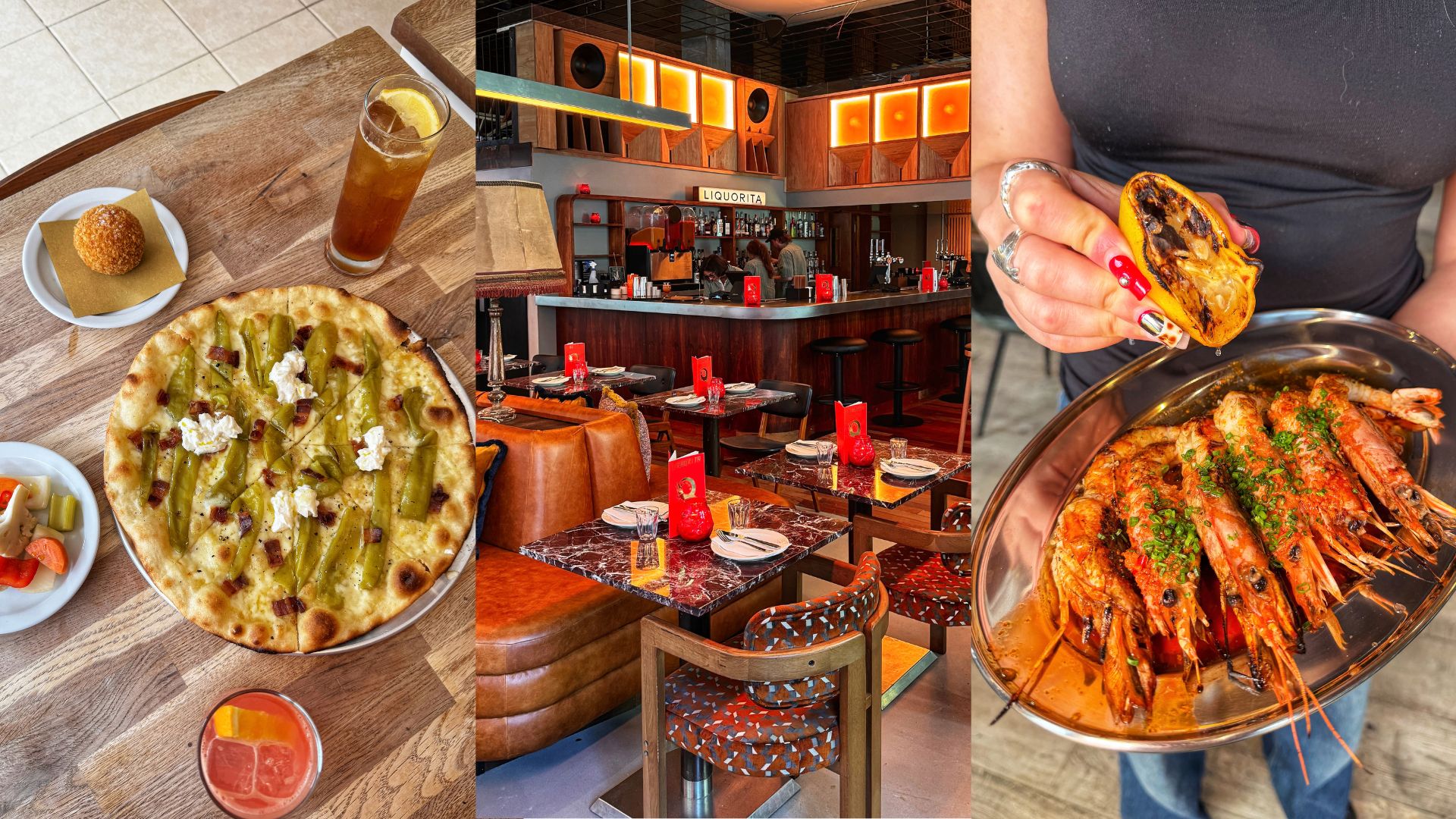
Dahlia Stereo has landed in the Northern Quarter, bringing Latin-inspired open-fire cooking, tequila and mezcal-led drinks, and a seriously impressive sound system under one roof.
Expect everything from achiote chicken and 400g churrasco steak to fresh tortillas, smoky sides, and house-made cocktails, with DJs keeping the vibe going late into the night.
If you love great food, good music, and a proper Manchester night out, this one looks well worth checking out.
This unassuming spot has been turning heads in Didsbury for its authentic, stacked Banh Mi sandwiches.
Everything is made fresh to order, with fillings like crispy pork belly, lemongrass crispy chicken, roast duck, ham, grilled beef, and tofu, plus traditional Vietnamese coffee with condensed milk.
Casa Papi
9 Woodford Road, Bramhall, Stockport SK7 1JN
Images: The Manc Group
There’s a new taqueria spot in Stockport that prides itself on using only the best of the best ingredients imported all the way from Mexico.
ADVERTISEMENT
Casa Papi is serving up tacos, rice bowls and plenty with your choice of slow-cooked birria beef, roasted chicken or sweet potato for the veggies. They’ve even got traditional blue-corn taco shells as an option too which are 100% gluten free and just as tasty as their flour-based cousins.
Arcadian
1C School Lane, Didsbury, M20 6RD
Images: The Manc Group
Beloved neighbourhood restaurant Hispi may have closed its doors, but its shoes have been filled pretty quickly with the delightful Arcadian stepping into its place.
A new-to-Manchester open-fire restaurant, with dishes cooked over wood, charcoal and open flame. The new concept sees the chefs themselves serving you your dinner, with plates like coal-seared beef tartare, grilled monkfish, and a Basque cheesecake with black cherries.
Bar Caput
71 Great Underbank, Stockport SK1 1PE
ADVERTISEMENT
Images: The Manc Group
Stockport has bid farewell to its only Michelin Bib Gourmand restaurant, with the team behind the acclaimed Cantaloupe pivoting to a totally new concept – and it’s a good’un.
Bar Caput has stepped into the unit, where it’s all about bringing the Roman culture of drinking and aperitivi to Great Underbank. That means crisp-based Roman-style pizzas, plus fritti, small plates, great wine, and bright cocktails.
Oasis announce extra 2027 tour dates – including TWO MORE Knebworth shows
Emily Sergeant
Oasis have announced a run of additional tour dates for 2027, including two more Knebworth shows.
In case you need bringing up to speed a little, it was announced last week, following the unprecedented success of the reunion tour, Oasis Live ’25, last year – including five nostalgia-drenched gigs at Manchester’s Heaton Park – Oasis would be hitting the road once again in 2027, and this time around, they’re going BIG.
We’re talking 11 nights at the Etihad Stadium and a return to the iconic grounds of Knebworth for four special shows there too, kind of ‘big’.
The iconic Manchester band will also be taking to a range of other world-famous stages across the globe, including five nights at Glasgow’s Celtic Park, and major cities like Barcelona, Amsterdam, Paris, Rome, and Las Vegas.
And now they’ve added some extra dates into the mix due to popular demand.
While there’s no additional Manchester dates on the lineup this time (11 is quite a lot to begin with, after all), they have doubled up on Knebworth instead.
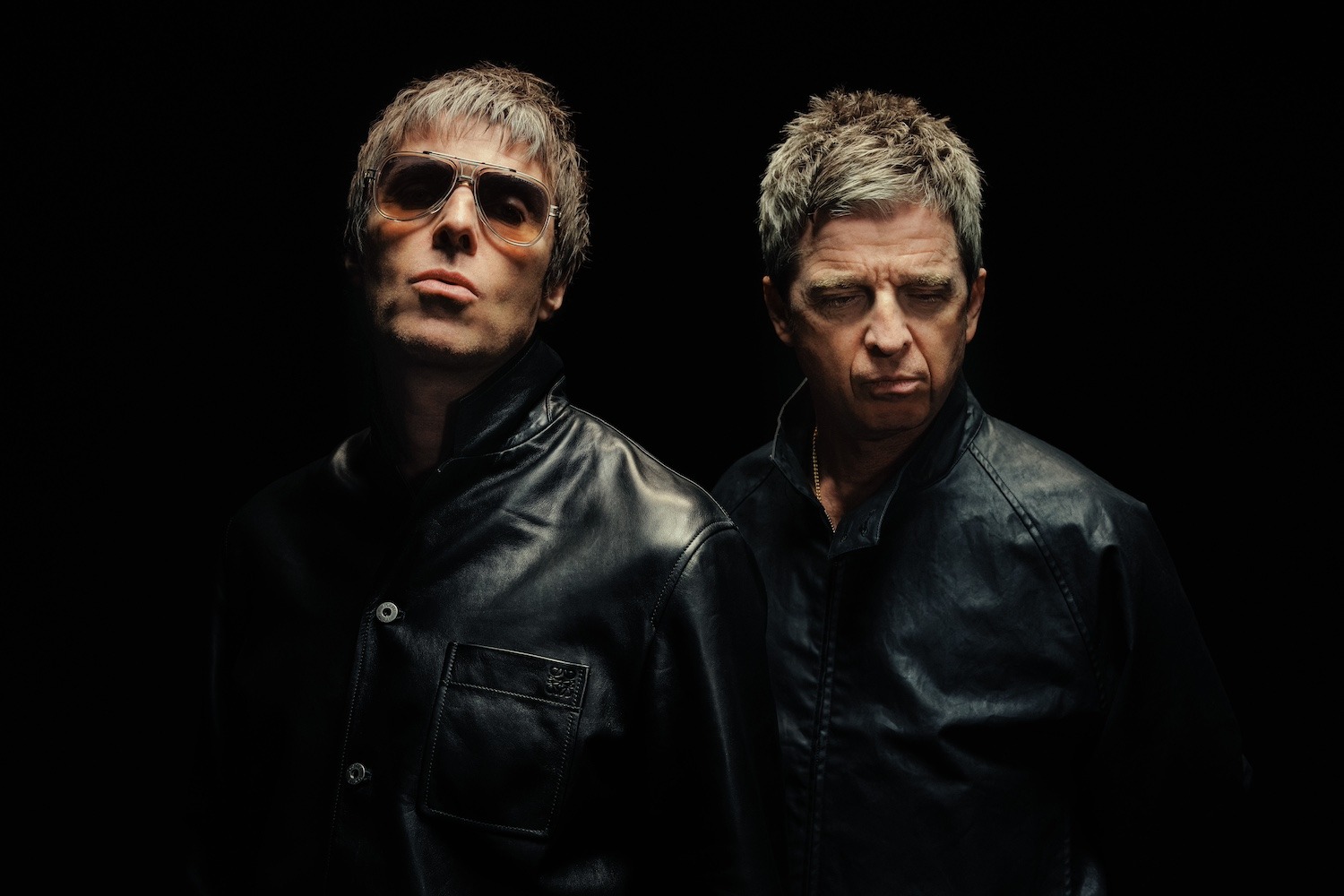
That’s right – the Gallagher brothers and co have now announced two further Knebworth shows on 25 and 26 September, on top of the already-announced dates of 11, 12, 18 and 19 September.
Tickets are being sold through a strict fan registration process this year, with no general onsale and only successful registrants even invited to try and buy them.
Prices will be fixed, however, meaning fans will be able to snap up a ticket for as little as £74.60 for seated tickets, with seats then costing up to £266.60, including fees.

 Georgina Pellant -
22nd March 2022
Georgina Pellant -
22nd March 2022