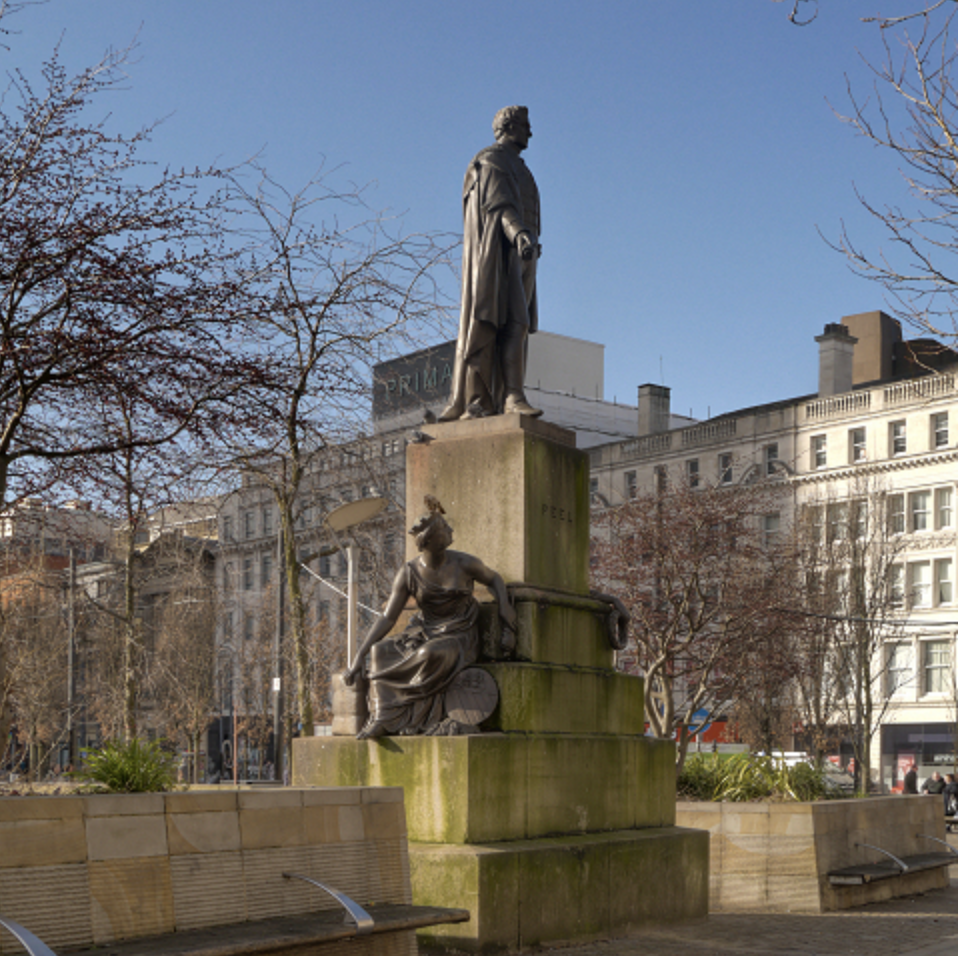
Statue of Sir Robert Peel in Piccadilly Gardens / Image: David Dixon via Geograph
Manchester Council is reaching out to the public for feedback on local statues, monuments and memorials as part of a review into the city’s public spaces.
The consultation has been launched to get residents’ input to ensure that local artwork accurately tells the “complete story of Manchester’s history and the diverse communities that have made the city what it is today”.
Feedback will be used to determine a future approach on the commissioning and display of art across Manchester.
Debate over which historical figures should be celebrated in England’s public spaces was reignited during the course of 2020 in the wake of the Black Lives Matter protests.
A domino effect was set in motion by a group of demonstrators in Bristol who toppled the statue of slave trader Edward Colston and rolled it into the harbour; placing fresh scrutiny on other monuments across the country.
ADVERTISEMENT
In June 2020, a petition was launched to remove the statue of Sir Robert Peel – two-time Prime Minister and founder of the British police – from Manchester’s Piccadilly Gardens as part of a demand for police reform.
Hundreds of people subsequently signed a counter-petition in response.
ADVERTISEMENT
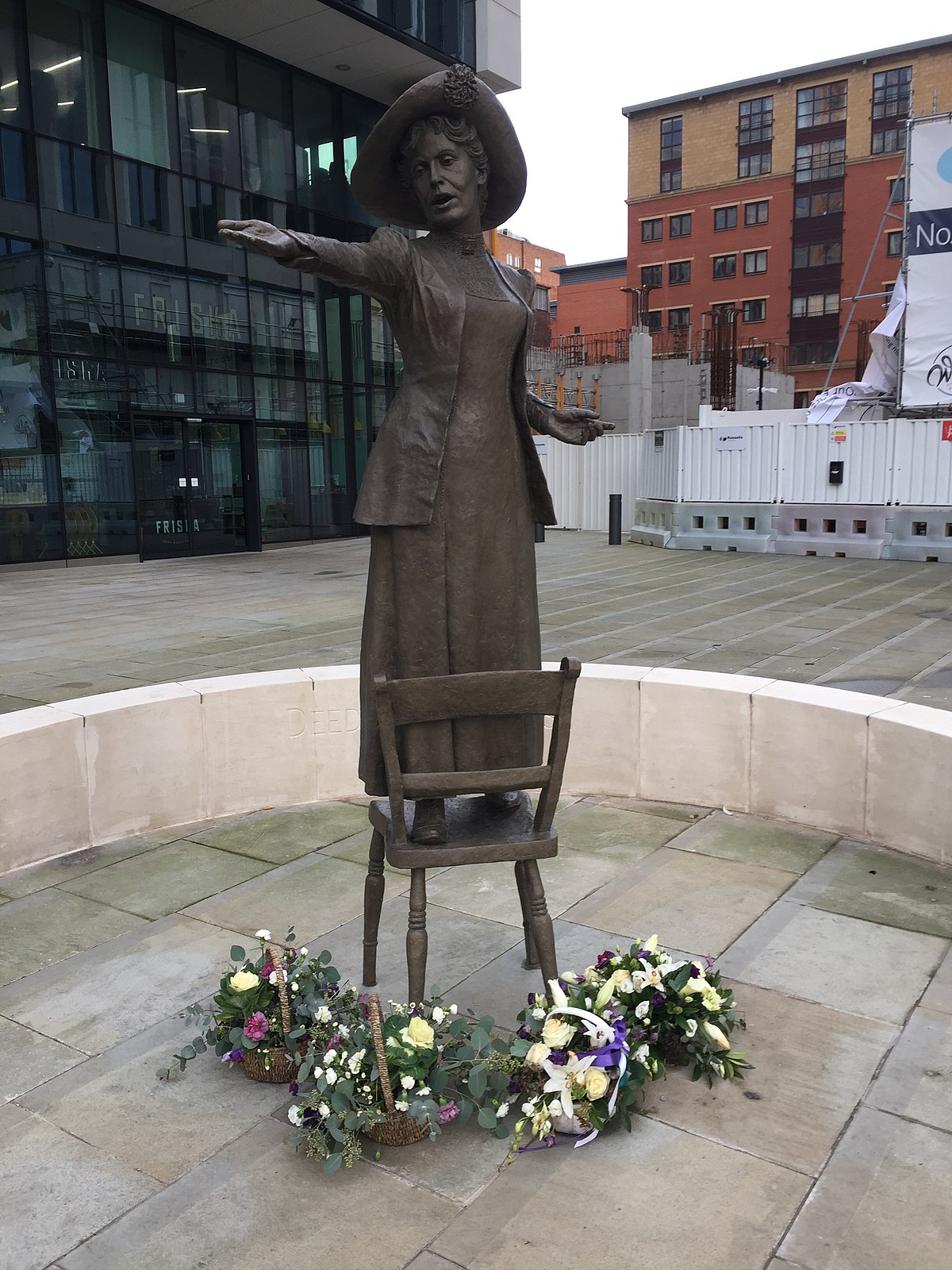
Statue of Emmeline Pankhurst in St Peter’s Square / Image: Wikipedia
Councillor Luthfur Rahman OBE, Executive Member for Culture, Skills and Leisure said: “It’s become clear over the last year that the time is now right for a re-evaluation of how Manchester’s history and its people are reflected in our public spaces.”
He did, however, emphasise that the process was not about eradicating the past or “glossing over any uncomfortable truths” but “understanding our history and heritage, and the context around it.”
The councillor added: “Whilst we’re not setting out to tear things down, at the same time it’s important we recognise the impact that choices past and present on what’s displayed in the city, can and do have on people living, working, or visiting here.
ADVERTISEMENT
“It’s important too that we make sure local residents see the best of themselves and their own communities’ achievements and stories reflected as they look around them – and for us all to learn from and to share their stories and successes.”
In addition to the Council’s online consultation, Manchester Histories will also be hosting virtual workshop sessions on March 10 to explore the subject further – featuring special guest speakers such as author Gary Younge and Professor of the History of Africa and the African Diaspora at University of Chichester Hakim Adi.
Karen Shannon, Chief Executive Officer, Manchester Histories, said: “This important review of Manchester’s statues and monuments will provide the opportunity for people to have their say to improve our understanding of our collective or contested histories, and to better recognise the role of the diverse communities and individuals across the city.
“We hope it will enable us start to consider how we would want to represent our city’s heritage in the future.”
Travel warning issued as tens of thousands to descend for Manchester Half Marathon
Daisy Jackson
A travel warning has been issued ahead of the Manchester Half Marathon this weekend, with tens of thousands of runners and spectators expected to arrive in the city.
People are being urged to plan their journeys ahead of time, with significant road closures in place from the city centre as far out as Sale.
Road closures – and subsequent bus diversions – will also affect parts of Stretford, Chorlton, Trafford, and surrounding areas.
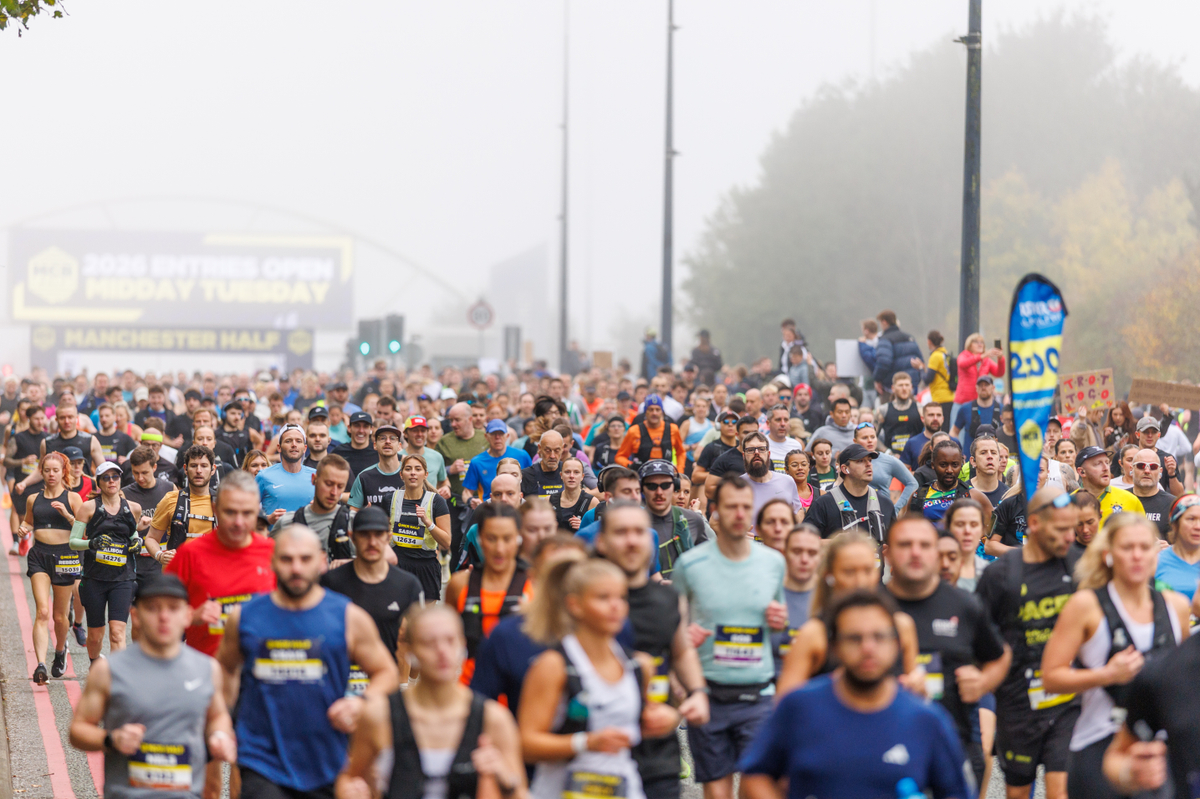
Around 32,000 people are expected to take part in the Manchester Half Marathon this Sunday, with thousands more coming out to cheer the runners on.
Transport for Greater Manchester is advising people that the Bee Network trams will be the best way to get around over the weekend.
Extra trams will be operating to provide as much capacity as possible.
Road closures and bus diversions will start on Saturday 3 October and continue until the actual race day on Sunday 4 October, lifting fully by 8.30pm.
Tens of thousands of runners and spectators will descend on Manchester for the half marathon
Earlier this year, the Manchester Marathon led to a record-breaking day for Metrolink trams, with the highest number of passengers ever recorded on a single day in the network’s history.
Whether running or cheering, people are advised to use the Bee Network app to plan their journeys and are strongly encouraged not to drive within the affected areas.
Steve Gilholme, Head of Events at Transport for Greater Manchester, said: “The Manchester Half Marathon is another one of those special occasions where the people of Greater Manchester and beyond come together, with thousands of people taking on the challenge and raising money for good causes, while many more will line the route to cheer them on.
“This does mean the city centre and especially trams will be incredibly busy so please plan ahead and give yourself extra time to make journeys.
“The Bee Network app and website will be the best places to get the latest travel information and tap and go contactless payments are the quickest and easiest way to pay.”
You can see all the road closures for the Manchester Half Marathon HERE.
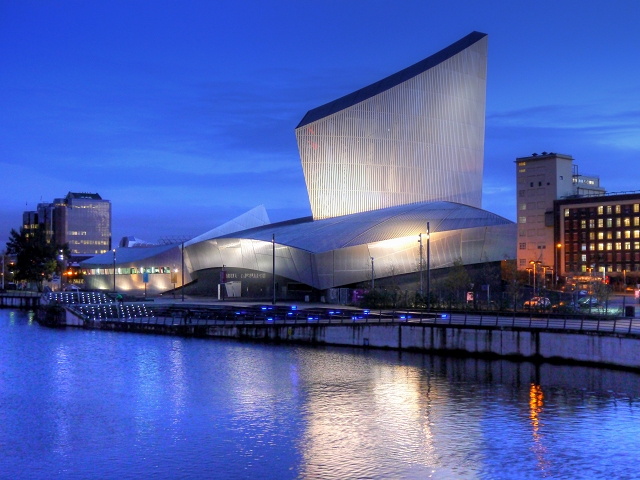
Funded by the Department for Culture, Media and Sport (DCMS), the 14 national museums of the UK are all located in England – including the Imperial War Museum North, and the Science and Industry Museum in our region – and free entry to was first introduced all the way back in 2001, with millions of visitors having benefitted since.
National museums are said to add more than £1 billion a year to the economy, and bring in visitors from all over the world.
In fact, seven of the UK’s 10 most visited museums are national museums, and 7.1 million people visited the Natural History Museum and 6.4 million visited the British Museum in 2025 alone.
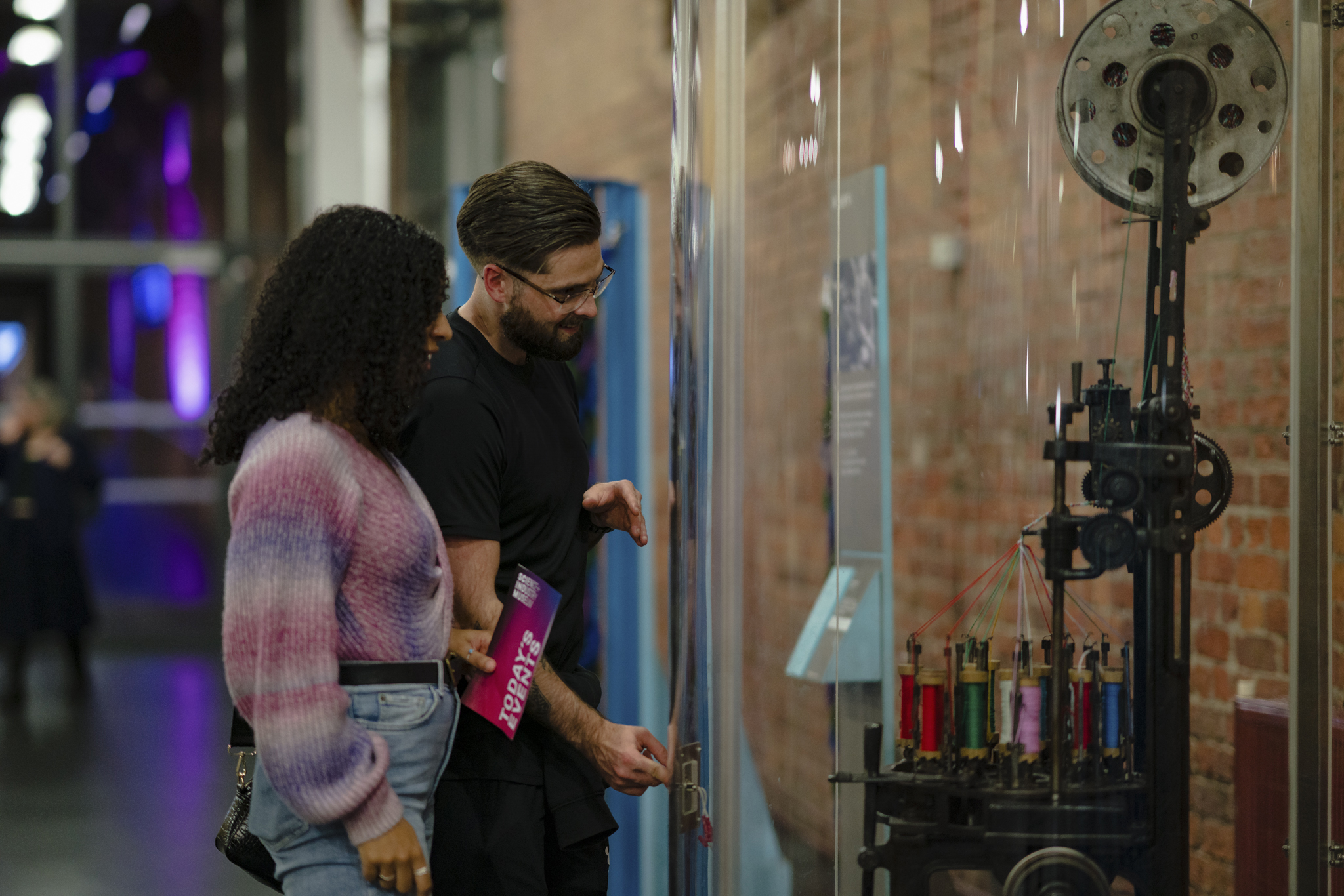
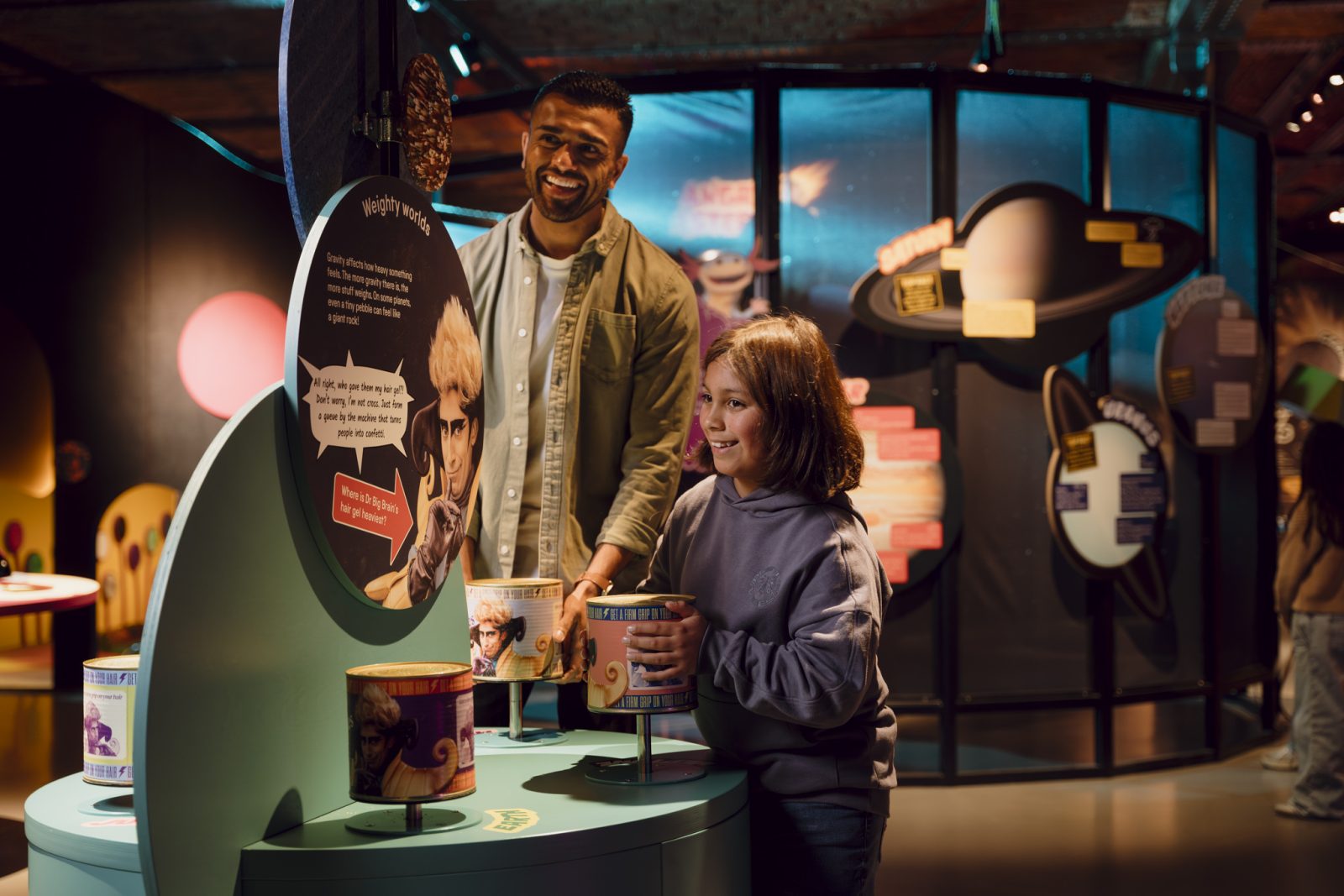
The Government has announced that all national museums in the UK will remain free for everyone to visit / Credit: Science Museum Group | Wikimedia Commons
Earlier this year though, the Government committed to working with local leaders and the museum and tourism sectors to explore whether charging overseas visitors could help museums’ finances.
But following this, it’s now believed that charging could deter visitors, and that the impacts and benefits would ‘not be felt equally’ across the sector.
Instead, the free entry will be funded by the £1.5 billion Arts Everywhere Fund – which is providing £760 million for museums – while £600 million of infrastructure funding is supporting national museums and DCMS-sponsored cultural organisations.
The latter funding will be used to address critical maintenance and works to estates, and enable institutions to deliver on their commitments to share collections with visitors from around the world.

 The Manc -
8th February 2021
The Manc -
8th February 2021