News
This is how much council tax bills in each Greater Manchester borough will rise by from April
The UK government has allowed local authorities to increase residents' council tax bills by up to 4.99%.
 The Manc -
5th March 2021
The Manc -
5th March 2021 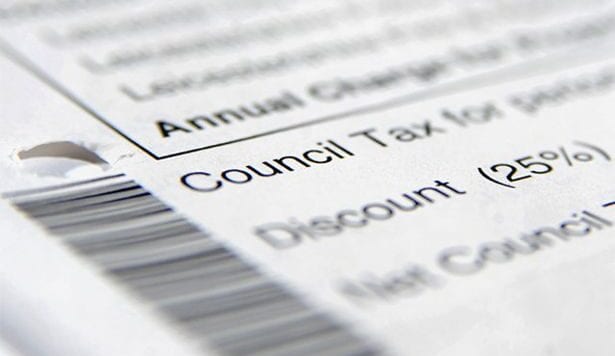
Every local authority in Greater Manchester is preparing to raise council tax bills from April in a bid to keep services running.
In the wake of the coronavirus (COVID-19) pandemic, the budgets of town halls right across the city-region have been hit hard, with some councils admitting to having to plug huge gaps in their finances, and while the government has already paid out millions in emergency funding, council leaders have said that this money does not go far enough.
This is why the government has allowed authorities to increase residents’ council tax bills by up to 4.99%.
Although a price hike has now been signed off by all 10 local authorities in Greater Manchester this week, many leaders – some of whom are begrudgingly agreeing to the maximum uplift – have stated that they see council tax as a “regressive” way of funding local services.
But despite the financial hardships many local residents are facing as a result of the pandemic, council tax bills will rise from April.
Here’s a breakdown of how council tax bills will change in the coming year.
Manchester
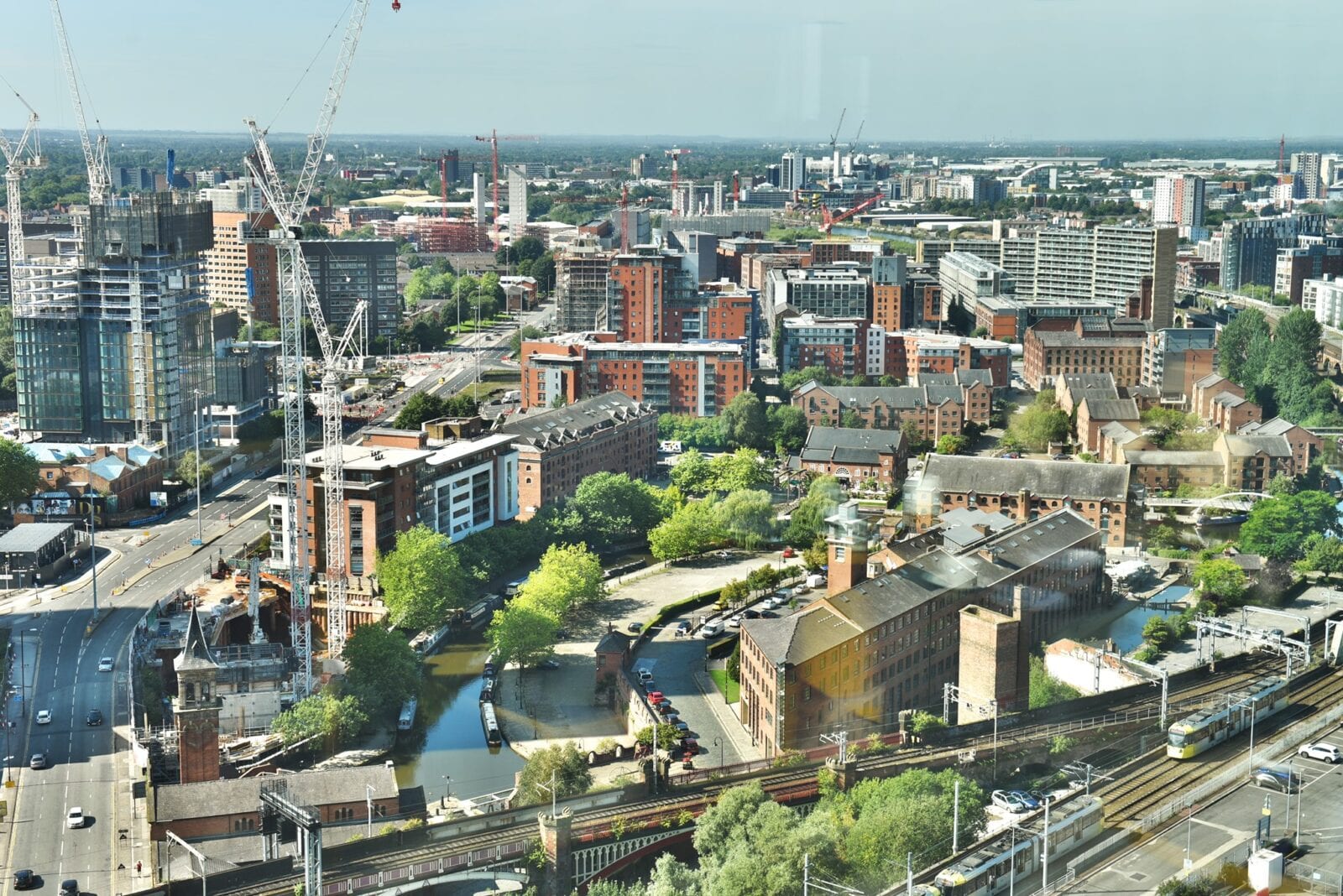
Manchester City Council has today voted in favour of the 2021 Budget and has signed-off on raising council tax by 4.99% for residents in Manchester.
As part of the sign-off, bills will look to raise £8.5 million and prevent cuts to frontline services like adult social care, and Sir Richard Leese – Leader of Manchester City Council – has also promised that the council will continue to invest in affordable housing and becoming a zero carbon city.
The annual bill for Band D properties will go up by £71.13 to £1,425.46.
Salford
As part of its “no cuts budget” – which was approved by councillors in the borough last month – the neighbouring authority of Salford will increase council tax by 3.99% in April, so for Band A properties, the most common property banding in the city, the annual council tax bill will rise by £50.30, taking the total to £1,343.29.
Conservative councillors in Salford had called for a “freeze” on council tax, saying it would spend £4.5 million of its reserves as a “one-off”, instead of “hitting people’s pockets”.
Bolton
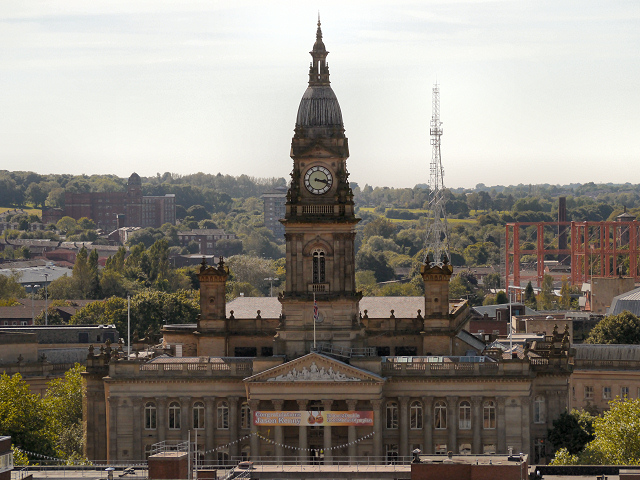
In Bolton – the only Conservative-controlled town hall in Greater Manchester – a 3.8% council tax rise was signed off last month and it will see Band A properties, which make up more than 40% of the overall tax base in the town and wider borough, pay an extra 74p a week.
The assumptions built into the 2021/22 Budget also include a 1.8% increase for the general council tax levy in the borough, and 2% increase for the adult social care precept.
Bury
Due to Bury Council’s finances being hit to the tune of £43.5 million over the next three years as a result of the coronavirus (COVID-19) pandemic, but despite attempts by opposition parties in the borough to amend the Budget, a 4.7% tax rise has been approved for Bury residents in the coming year.
This means that Band D households will pay an extra £31 from April, taking their annual bills to £1,643.31.
Oldham
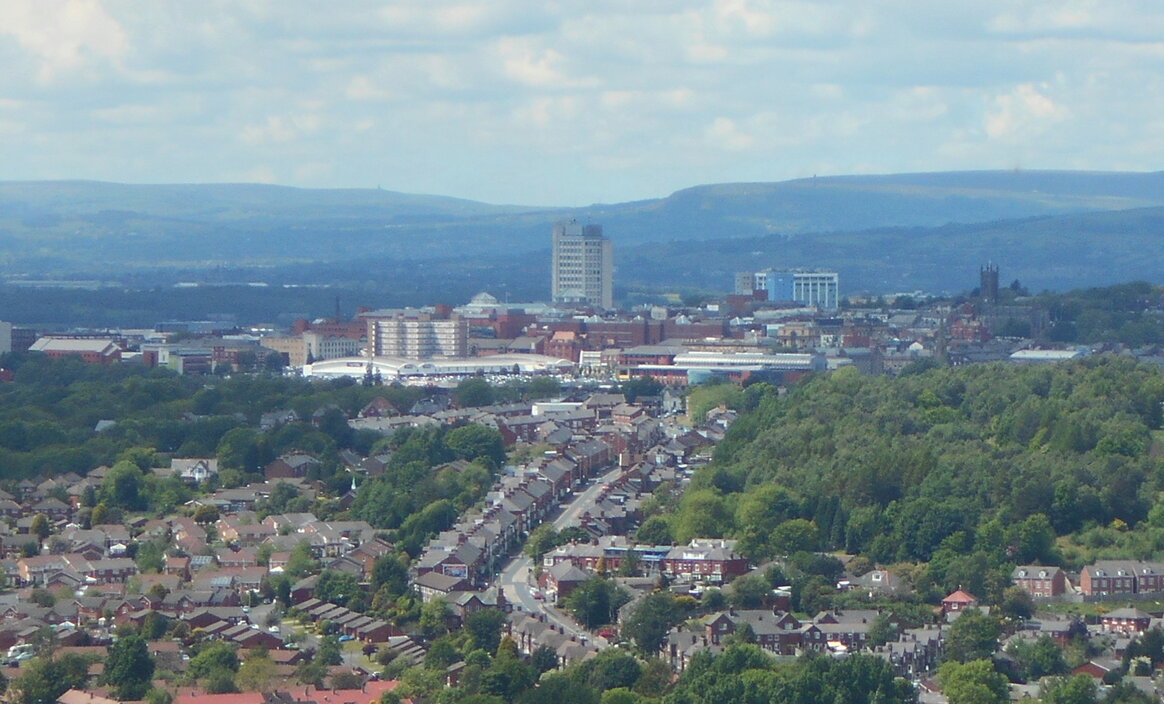
Once again, as a result of the coronavirus (COVID-19) pandemic and forming part of measures to plug a £27.6 million shortfall, a council tax rise of 2.99% – alongside and a five year capital investment programme – was approved by Oldham Council yesterday, meaning that some residents will see their bills rise by up to £30 year.
Now signed-off by councillors in the borough, those living in Band A properties will have to pay an extra £2.78 a month from April.
This rise in Oldham the lowest in Greater Manchester, however.
Rochdale
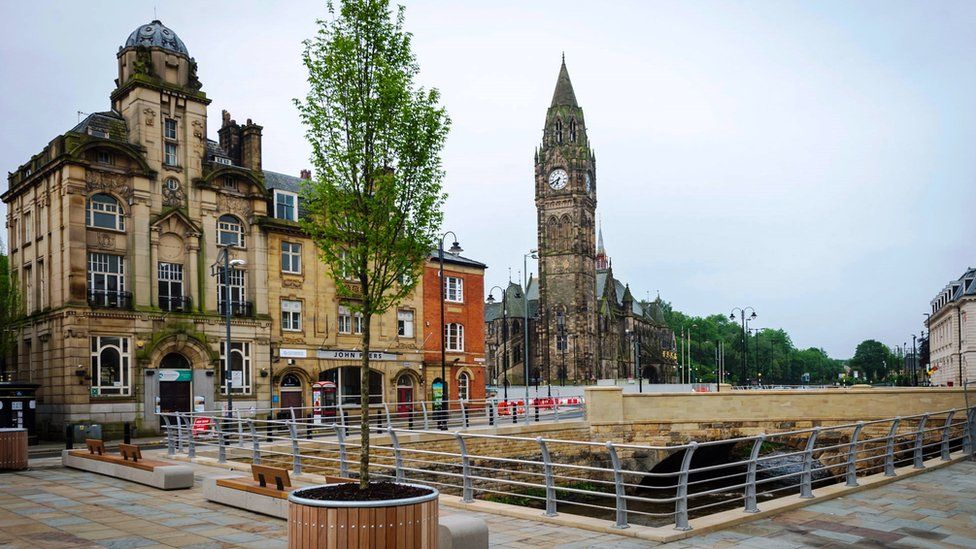
Although opposition councillors had tried to force a freeze on council tax – something which had been mooted by leader of the Labour-led council, Councillor Alan Brett, last summer – plans to raise council tax in Rochdale by the maximum 4.99% were signed off this week.
For Band D properties, council tax will go up by £82.10 for the year, bringing the annual bill to £1,727.37.
Stockport
A 3.5% council tax rise was signed off by Stockport councillors in early February.
This means the owners of an average Band D property will pay just under £60 extra for services provided by the local authority, bringing the annual bill to £1,749.90, but unlike other local authorities in Greater Manchester, the general element of council tax accounts for the majority of the rise – 2% – with adult social care making up the remaining 1.5%.
Tameside
Council tax in Tameside will increase by the maximum 4.99% from April.
In the move – which will see residents’ bills rise by at least £50 – councillors in Tameside say that increasing council tax by 1.99%, and the precept for adult social care by 3%, will raise nearly £5 million for the town hall in its COVID-19 recovery.
For a typical Band A property, this increase in council tax will equate to an extra £50.83 per year.
Trafford
With town hall bosses admitting that savings of around £11.1 million will be needed to balance the books in the coming year as a result of the coronavirus (COVID-19) pandemic, Trafford Council has approved plans to hike council tax by 4.99% in order to raise more than £5 million.
This means that those living in s Band C home will see a £73 increase in their council tax bill from £1,460.46 per year, to £1,533.34 from April.
Wigan
Wigan Council has signed-off on a 3.99% council tax rise from April.
This will be the first rise in council tax prices for seven years, and only the second time in the last decade it has risen, with most of the money going towards social care costs and Councillor Nazia Rahman – Cabinet Member for Finance at Wigan Council – saying the rise would be manageable for some, but it would “take a toll on the tiny budgets” of the majority of people in the borough.
It will cost Band A properties – the most common banding in Wigan – an extra £35 a year.
The above sign-offs for the council tax hike by each local authority this week follows Chancellor Rishi Sunak’s unveiling of his 2021 Budget to the House of Commons earlier this week, and also comes after it was confirmed last month that Mayor Andy Burnham and the ten borough leaders of Greater Manchester Combined Authority (GMCA) had made a unanimous decision to suspend the ‘Mayoral General Precept’, which is part of the overall council tax.
The mayoral precept – which funds the fire service, rough sleeping accommodation and free bus passes for young people – will be frozen at last year’s rates.
This means that Band B and Band D properties will pay £70.73 and £90.95 for the year respectively, from 1st April, and alongside that, the police precept – which is separate to both council tax and the mayoral precept – will rise by £10 to an annual payment of £208.30 for a Band D property.
You can find more information here.